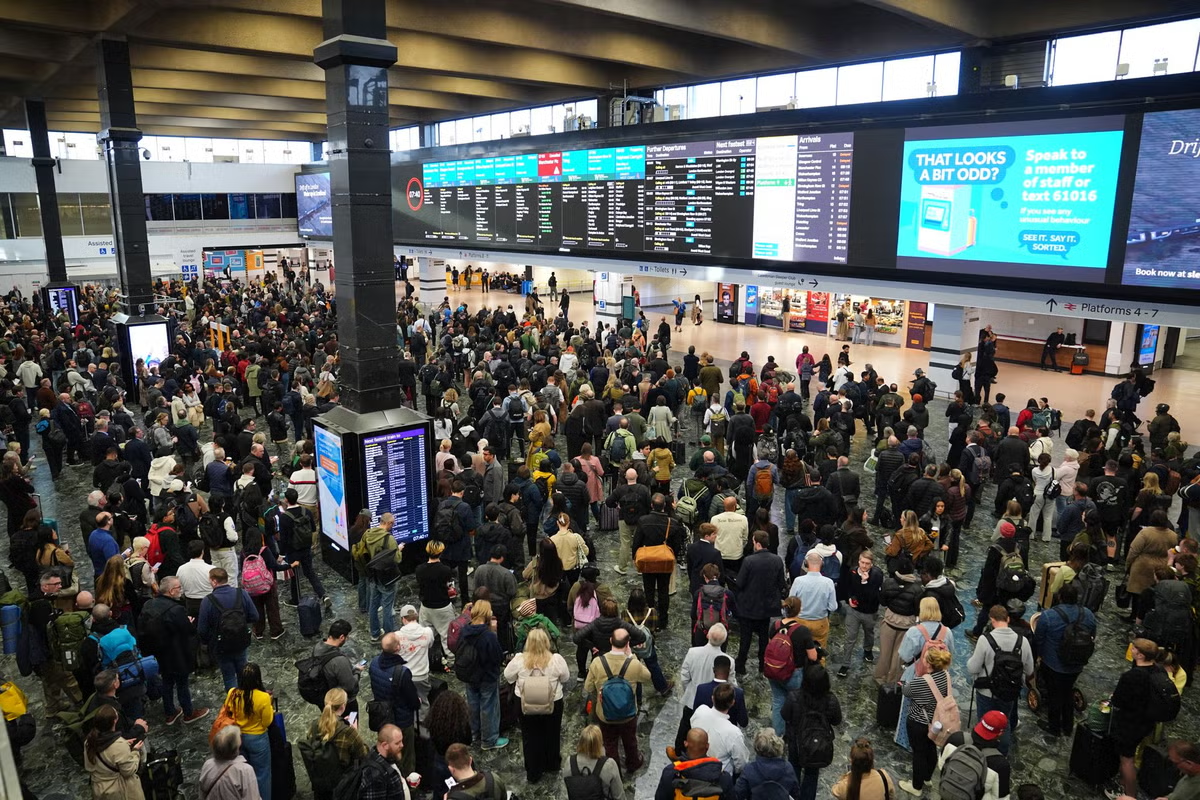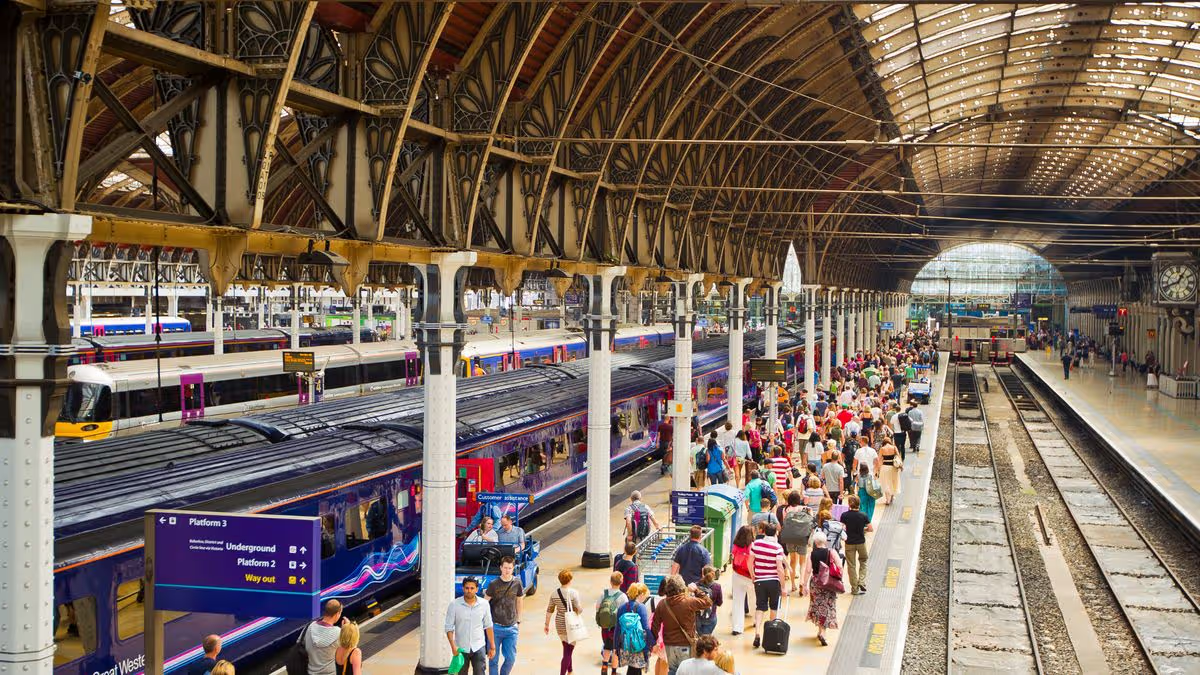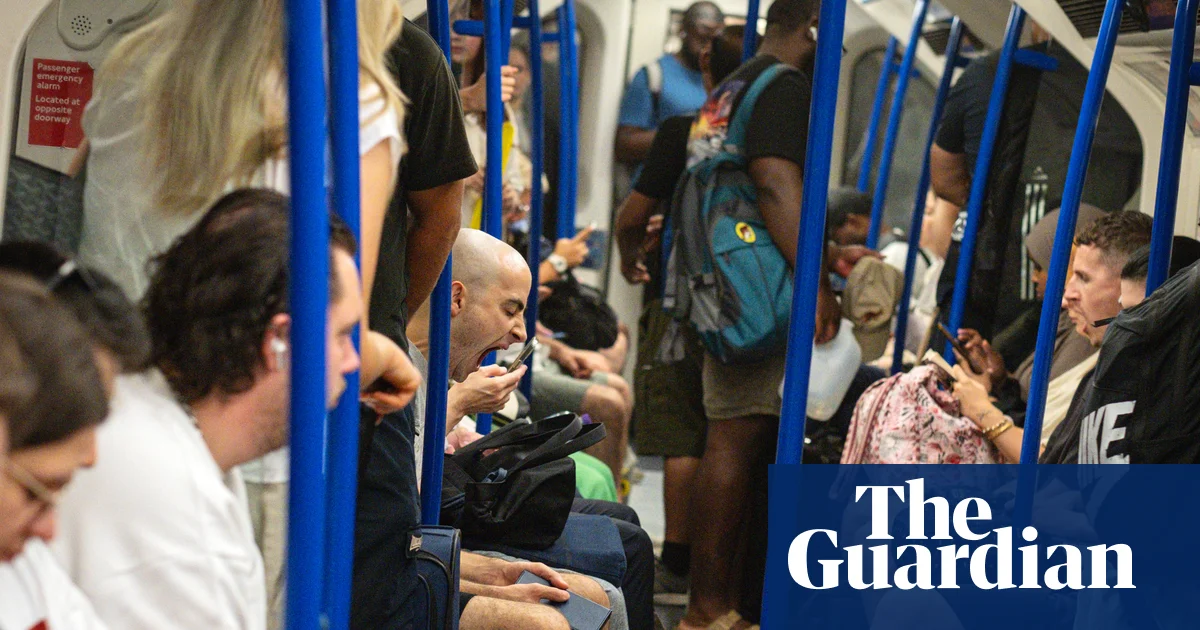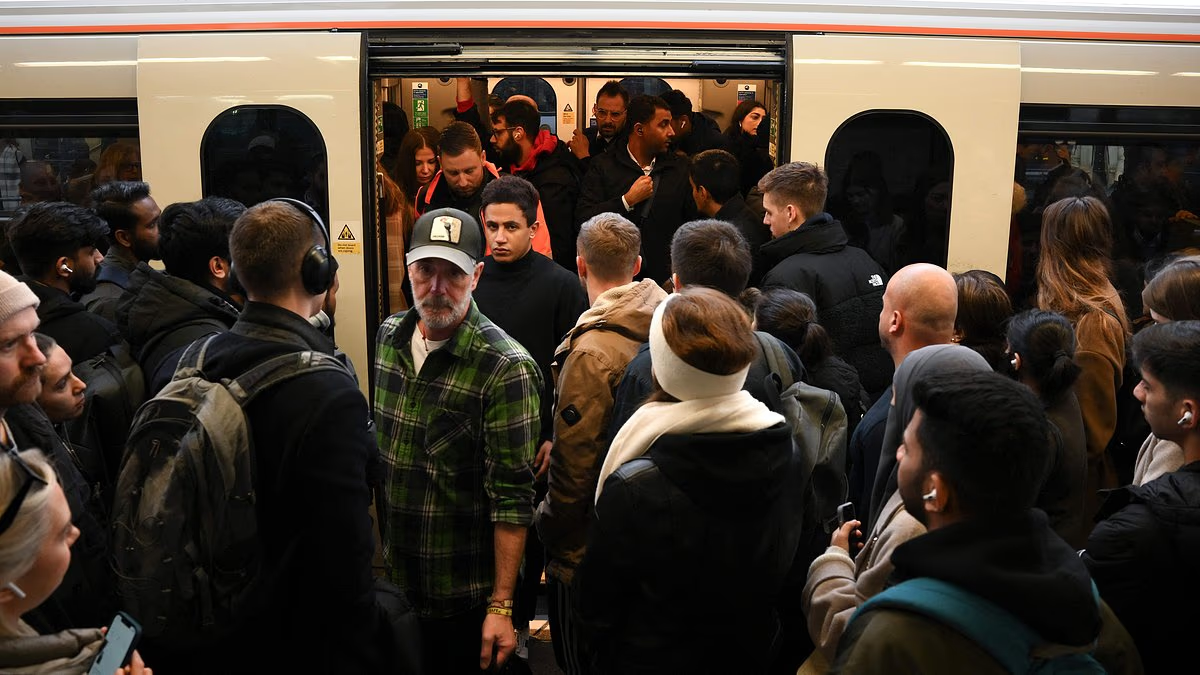
While living outside London can offer a quieter life and more green space, there is one inescapable ritual for city workers implied in the name of a commuter town.It's bad enough being cooped up with hundreds of sweaty, bad-tempered people on a train to work, but to then find that you must endure the experience without a seat is enough to ruin a morning.New data from the Department for Transport shows that, on a typical weekday, more than 300,000 people were forced to stand for their commutes into major cities.Your chances of finding a seat are by far the worst travelling into London, where one in four passengers (27 per cent) were found to be standing during peak hours. This is an all-time high for the capital.Significantly fewer passengers had to stand going into all the other major cities in the country, at just one in 20.These stats, based on typical weekdays in autumn last year, show that 1,920,000 people commuted into a big city each morning – London in two-thirds of cases. Topping the list of the most overcrowded journeys of 20 minutes or more was a Thameslink train from Bedford to St Pancras International.The service arriving at St Pancras at 8.09am carried an average of 76 per cent more passengers than their 650 seating capacity. This means almost half the people on that train were forced to stand. More than 300,000 passengers are forced to stand up on their commute on a typical day, new data shows
Britain's most overcrowded commuter trains are revealed
While commuter towns can offer a quieter life and more green space, there is one inescapable ritual for city workers implied in the name: the commute.
659 words~3 min read