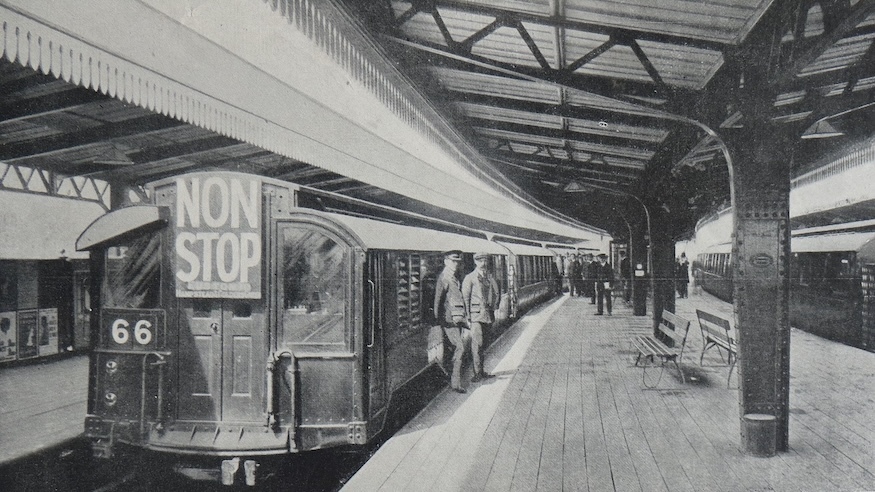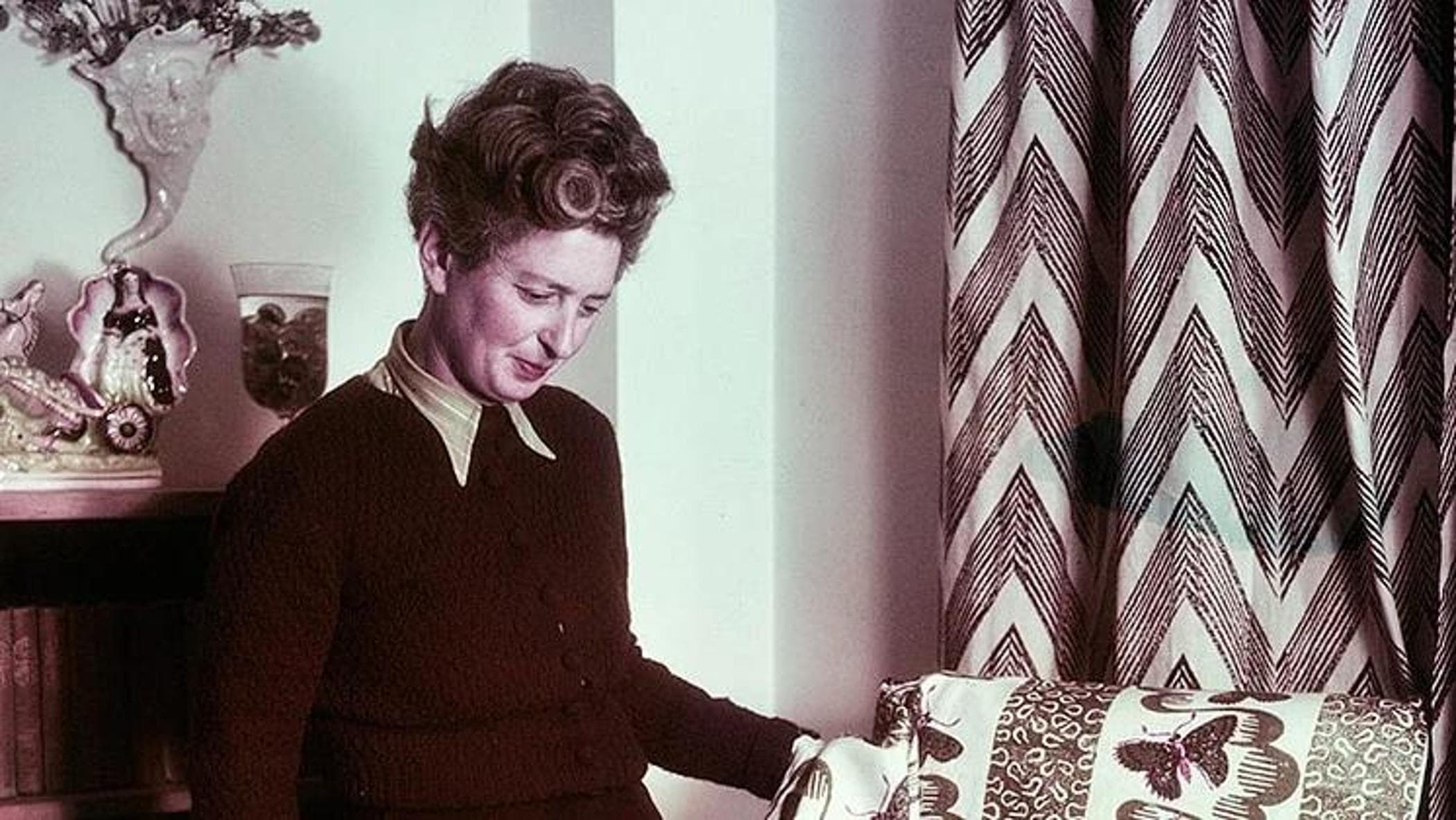
Most metros use plastic or metal, but the distinctive fabrics on London’s network are full of clues to its history
W
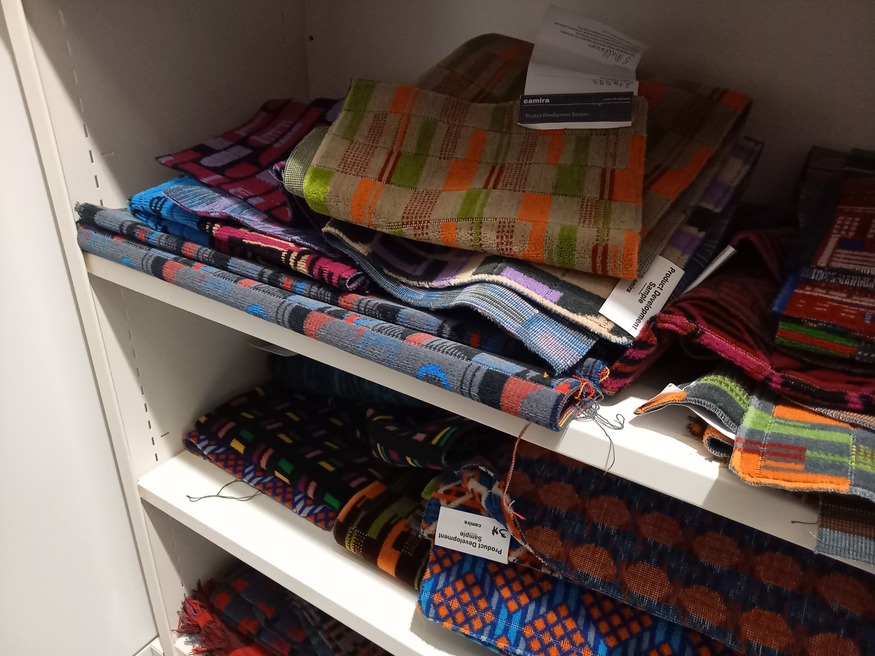
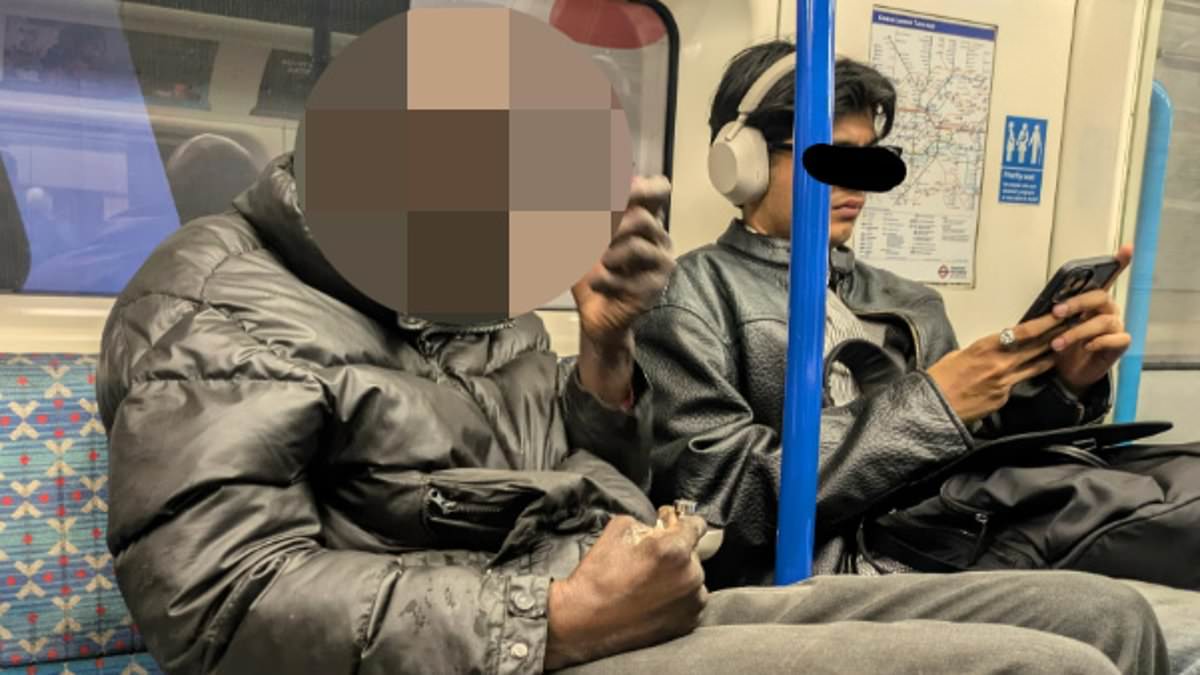
hen I first came to London from Yorkshire in the late 1980s, I found the tube replete with bizarre novelties. Among them was the way most trains required me to sit sideways to the direction of travel, as on a fairground waltzer. Directly opposite me was another person or an empty seat, and while I knew not to stare at people, I did stare at the seats – at their woollen coverings, called moquette. I have since written two books about them, the first nonfiction, Seats of London, and now a crime novel, The Moquette Mystery.
I was attracted to moquette firstly because it, like me, came from Yorkshire (most of it back then was woven in Halifax), and whereas many foreign metros have seats of plastic or steel, moquette made the tube cosy. Yet it seemed underappreciated. The index of the standard history of the tube, for instance, proceeds blithely from Moorgate to Morden.
A moquette might last a decade or more on a particular vehicle, coinciding with a Londoner’s formative years, the design evoking forever after those tube rides to triumphs and disasters. For generation Z, the resonant one is likely to be Barman, introduced in 2010 to replace a range of moquettes deemed too diffuse. Therefore, our two-hour moquette tour begins on one of the many lines to use Barman: the Northern line, from Leicester Square to Charing Cross.