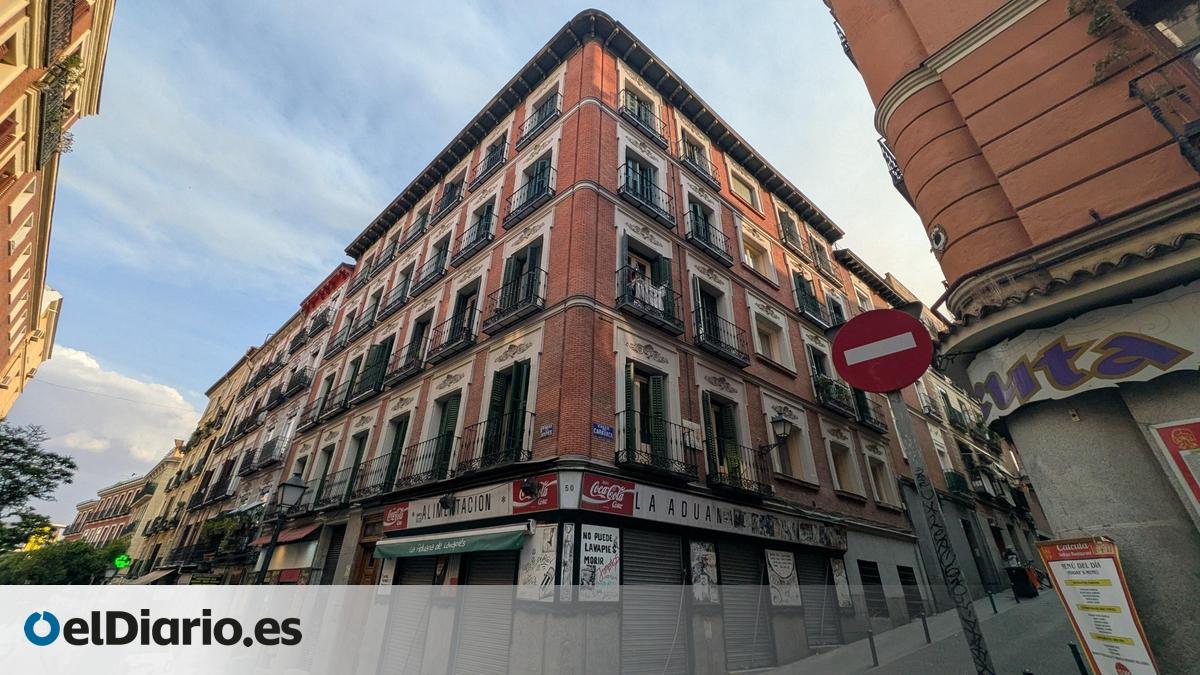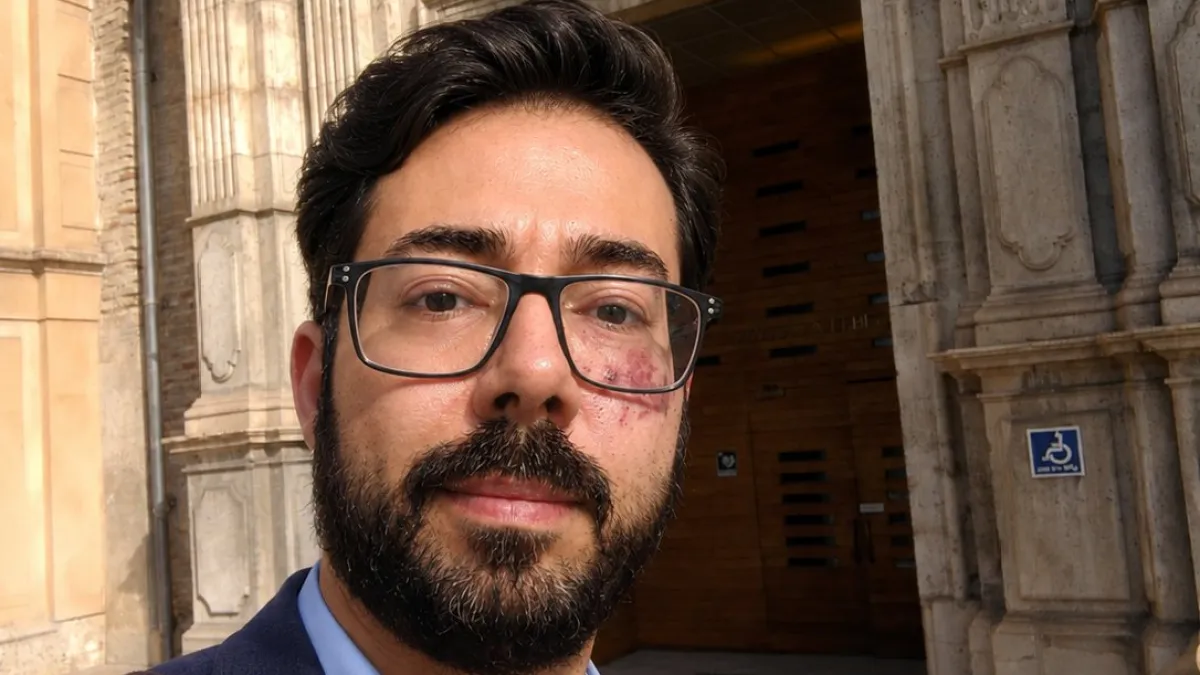
In the neighbourhood he grew up in, the old haberdashery, traditional tapas bar, and small shop run by a neighbour, have all disappeared. In their place, tourist apartments and storage units have popped up, “like a plague,” says Luis Andrés González Picazo, a local resident who has lived in Benicalap, a district not far from Valencia’s old town, his entire life.
Now, there is a rental key box on every other door and Airbnb owners have installed imposing security cameras which point at the street. Local businesses have been gouged out to make way for tourist traps selling burgers, nachos, imported beer, and colourful, Instagram-worthy dishes that bear little resemblance to Valencian cuisine. “It feels as if everything that made the neighbourhood unique has disappeared,” he says. “It all looks the same.”
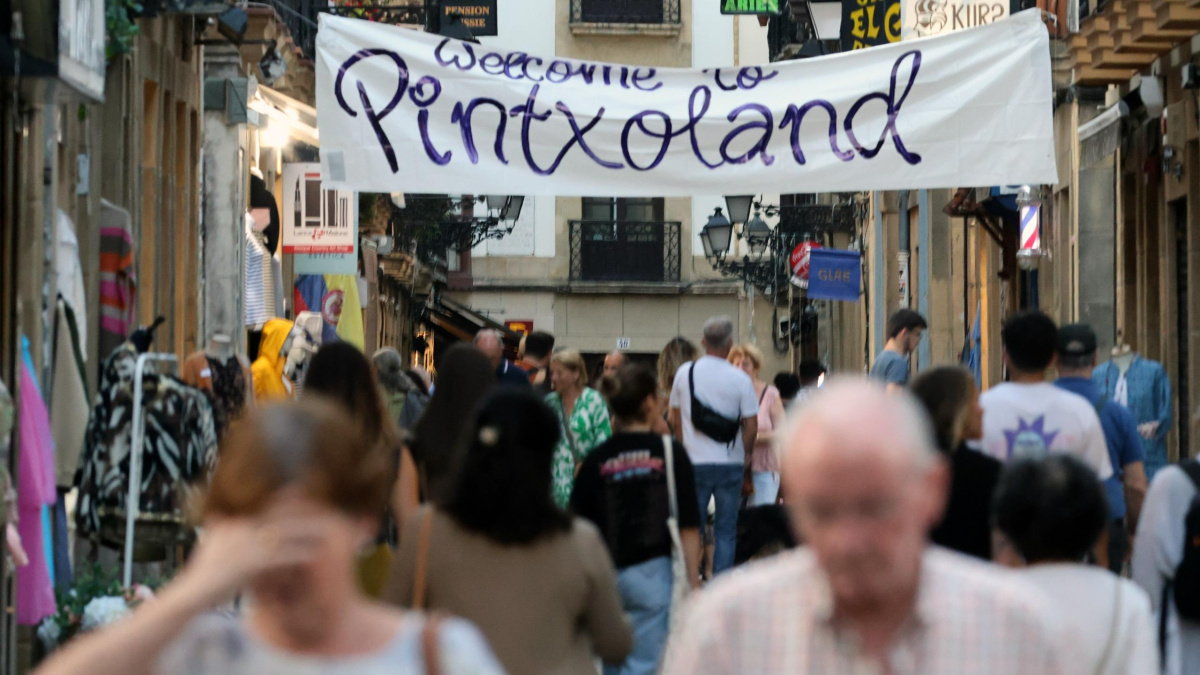
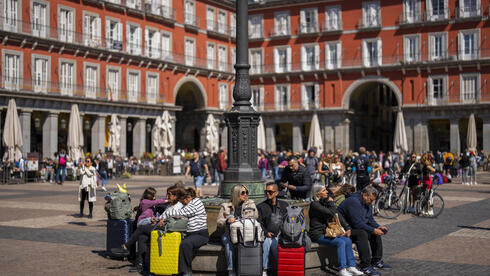
When he was younger, walking around his neighbourhood meant seeing mostly Valencian and Spanish people, but now Picazo, 45, a software engineer, is faced with rowdy groups of drunken tourists making noise, often riding bicycles carelessly and breaking traffic rules. “More than once I have almost been hit by someone cycling dangerously,” he says.
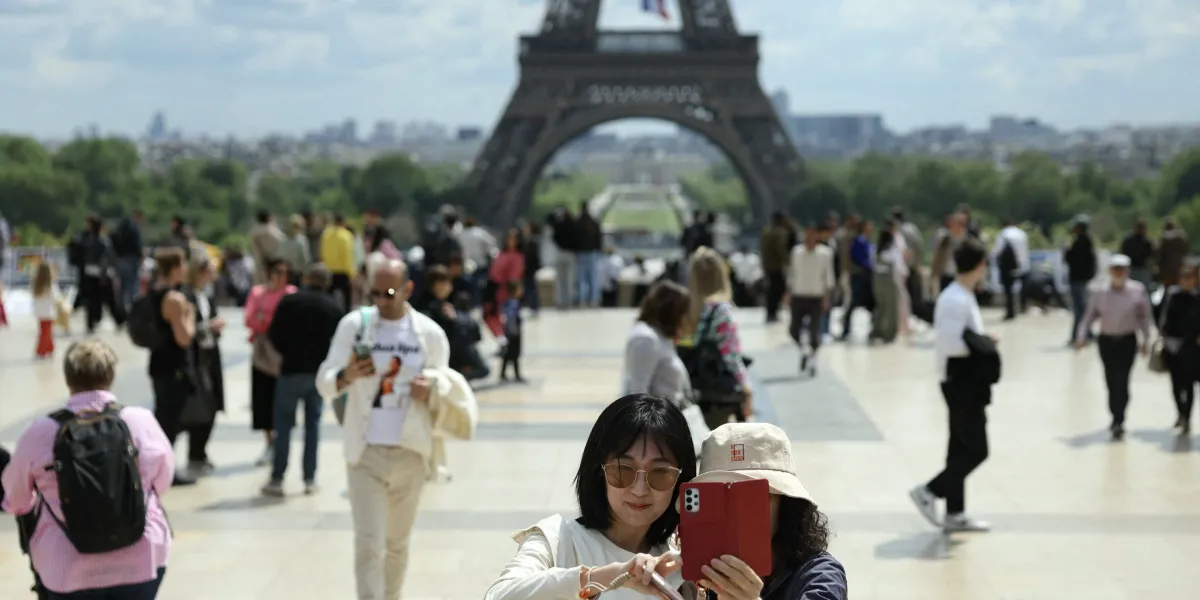
Picazo has seen the face of his neighbourhood and city completely changed by overtourism. Last year, the number of foreign visitors in Spain rose by 3.2 per cent to 96.8 million and once again it is preparing for another record-breaking year in which the number could reach 100 million for the first time.