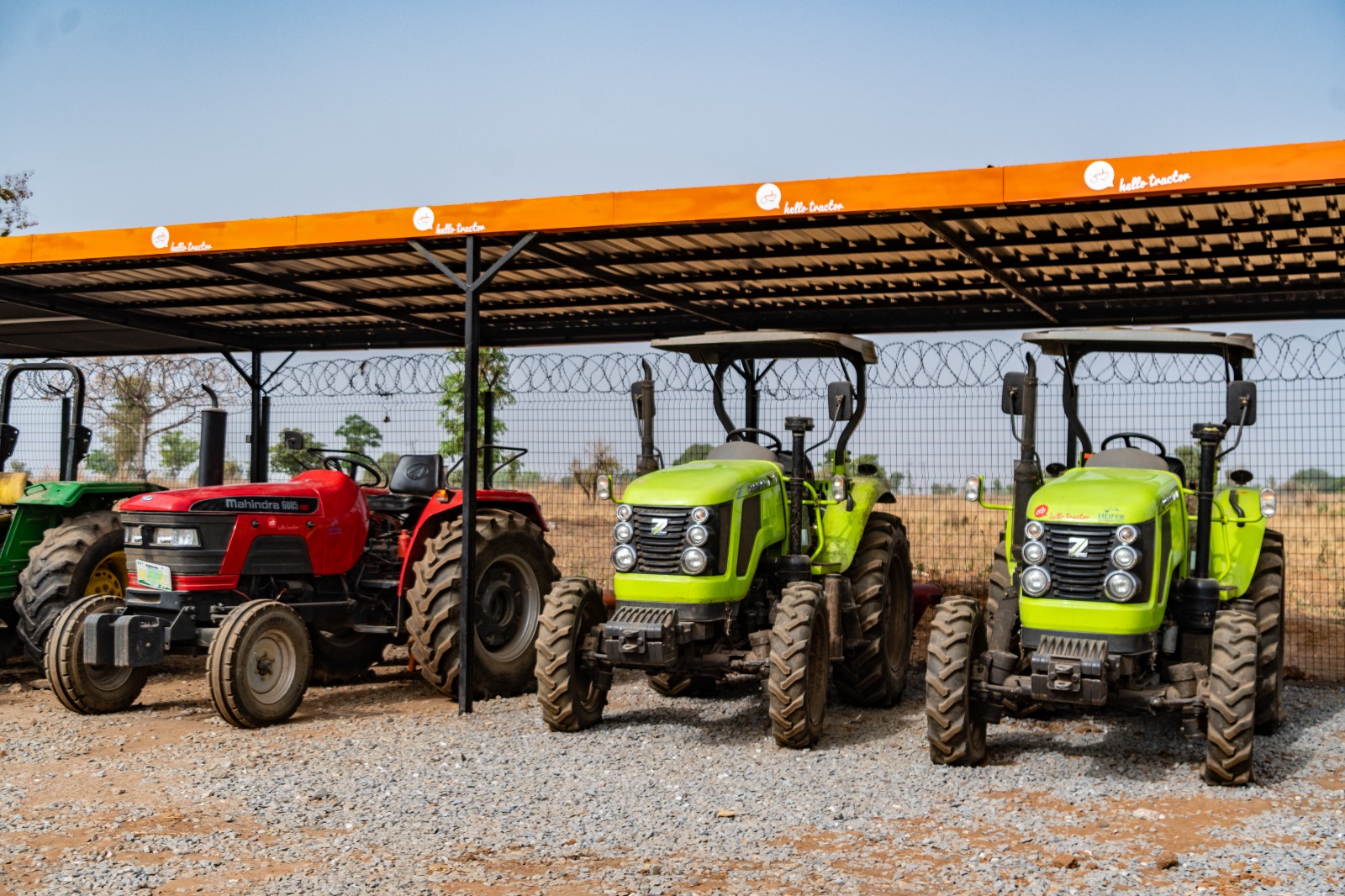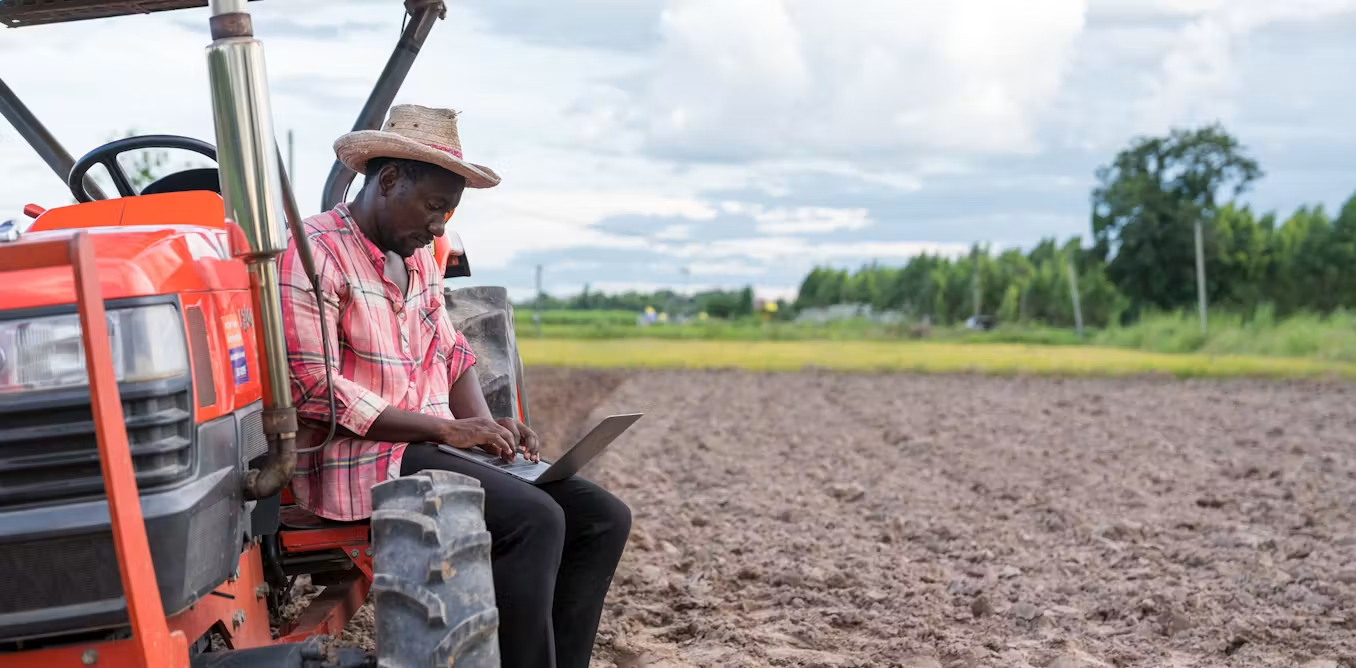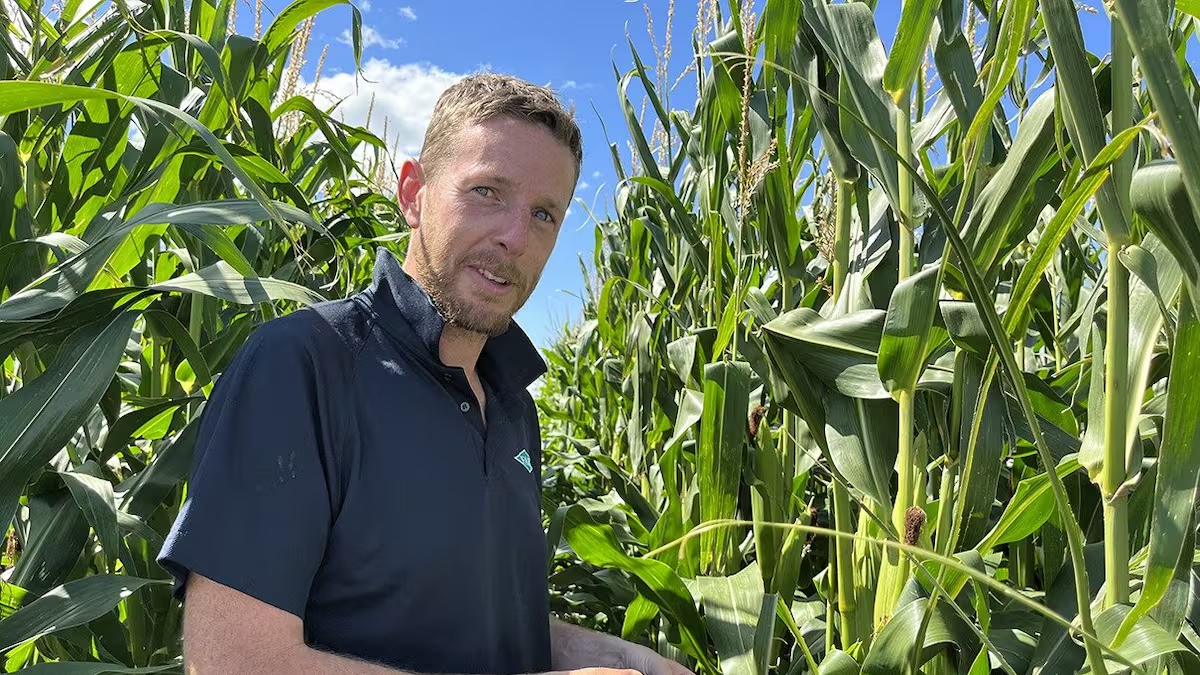
The disparity between investment and returns has led to frustrations for farmers, especially commercial ones in the North. The major cause of this disparity is the Fall Armyworms that usually ravage maize farms in the North. Dr Sina Behmanesh, the Chief Executive Officer of Informiton, a firm based in Virginia, United States of America, which is into agricultural and biometrical technology, said access to the latest technology, incentives, and infrastructure is the reason American farmers seem far ahead of their Nigerian counterparts. The reason Sentinel X, a new technology developed by his company, is the final solution to Fall Armyworms is revealed in this interview with Raheem Akingbolu
How do you compare agricultural practice in the United States and Nigeria? How far do we still have to go to catch up?
I want to resist the framing of a race with one finish line, because the two systems are solving different problems. American agriculture is capital-deep and labour-scarce. A single farmer in Virginia may work two thousand hectares alone, and every part of that system-the machinery, the credit, the irrigation, the roads, the storage, the extension service, the insurance-is built to substitute capital for hands. Nigerian agriculture is the opposite: labour-rich, capital-scarce and dominated by smallholders working one to five hectares. Those are not the same enterprise at different stages of maturity. They are different enterprises.