Audio By Vocalize
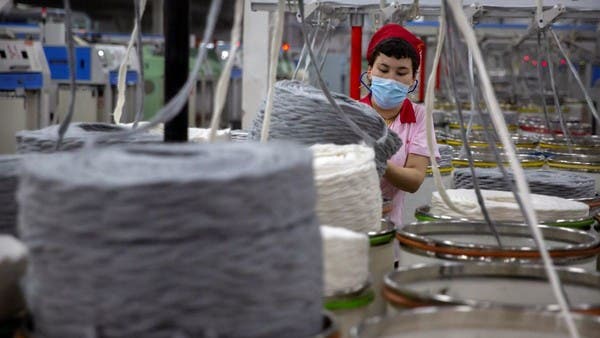
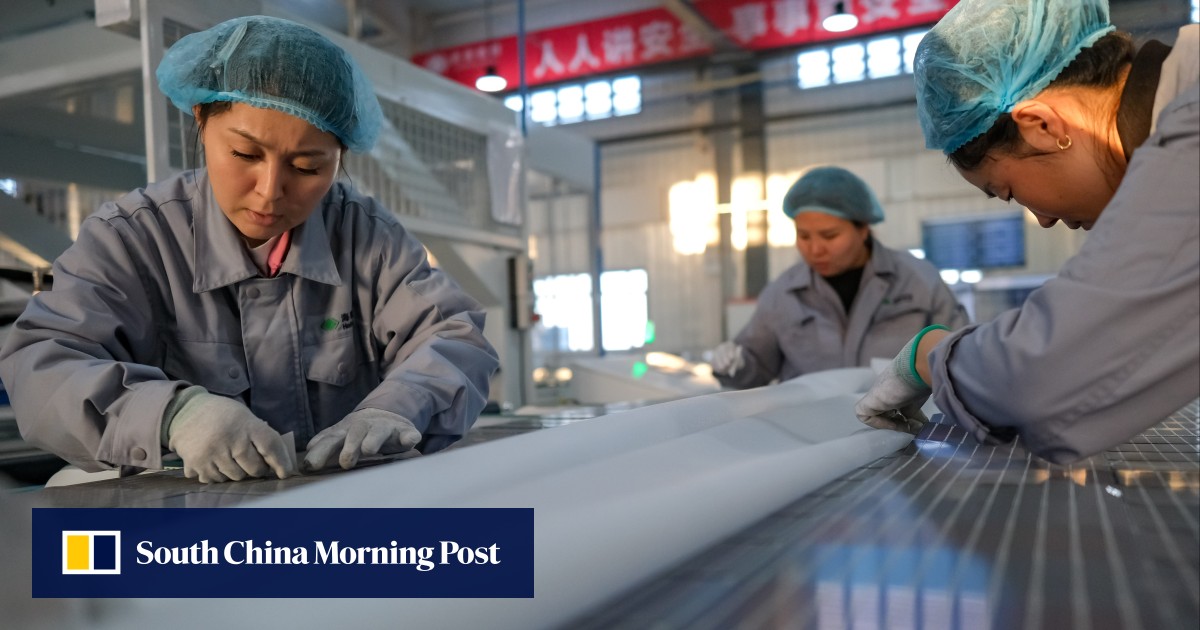
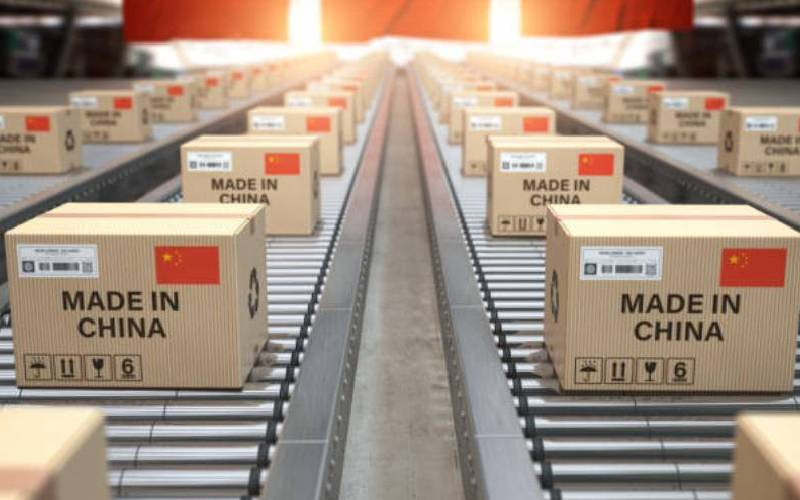
Xinjiang adjusted their commercial strategies, shifting their focus toward domestic markets or non-Western export destinations. [Courtesy]
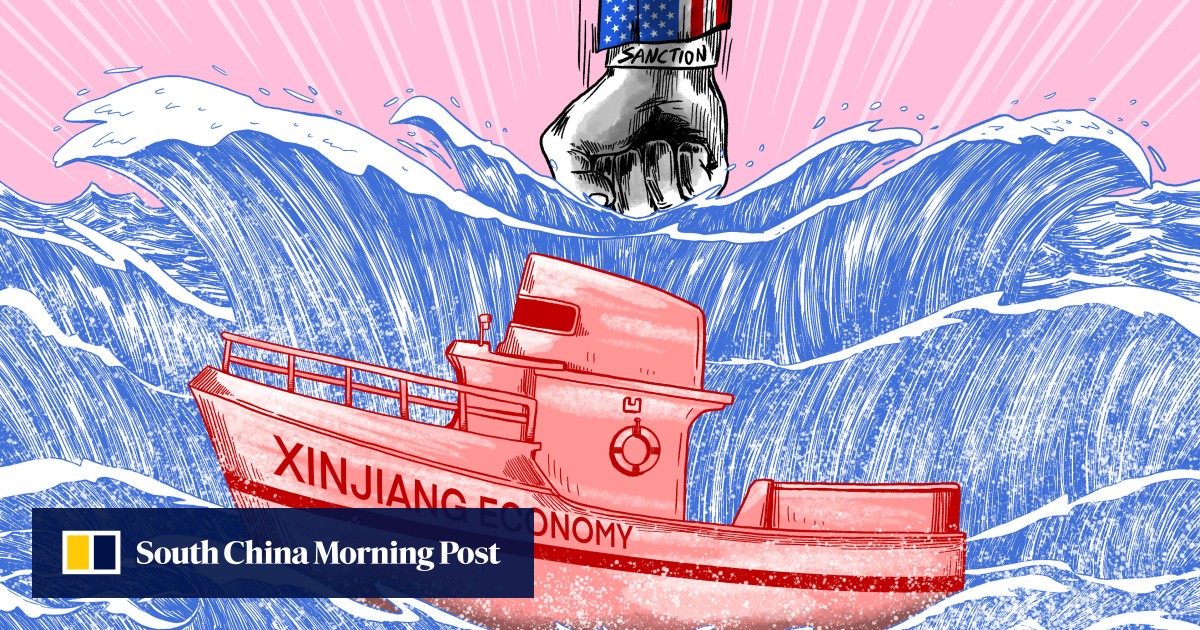
When international investigative reporting tackles global supply chains, the line between empirical fact and legal presumption must remain clear.
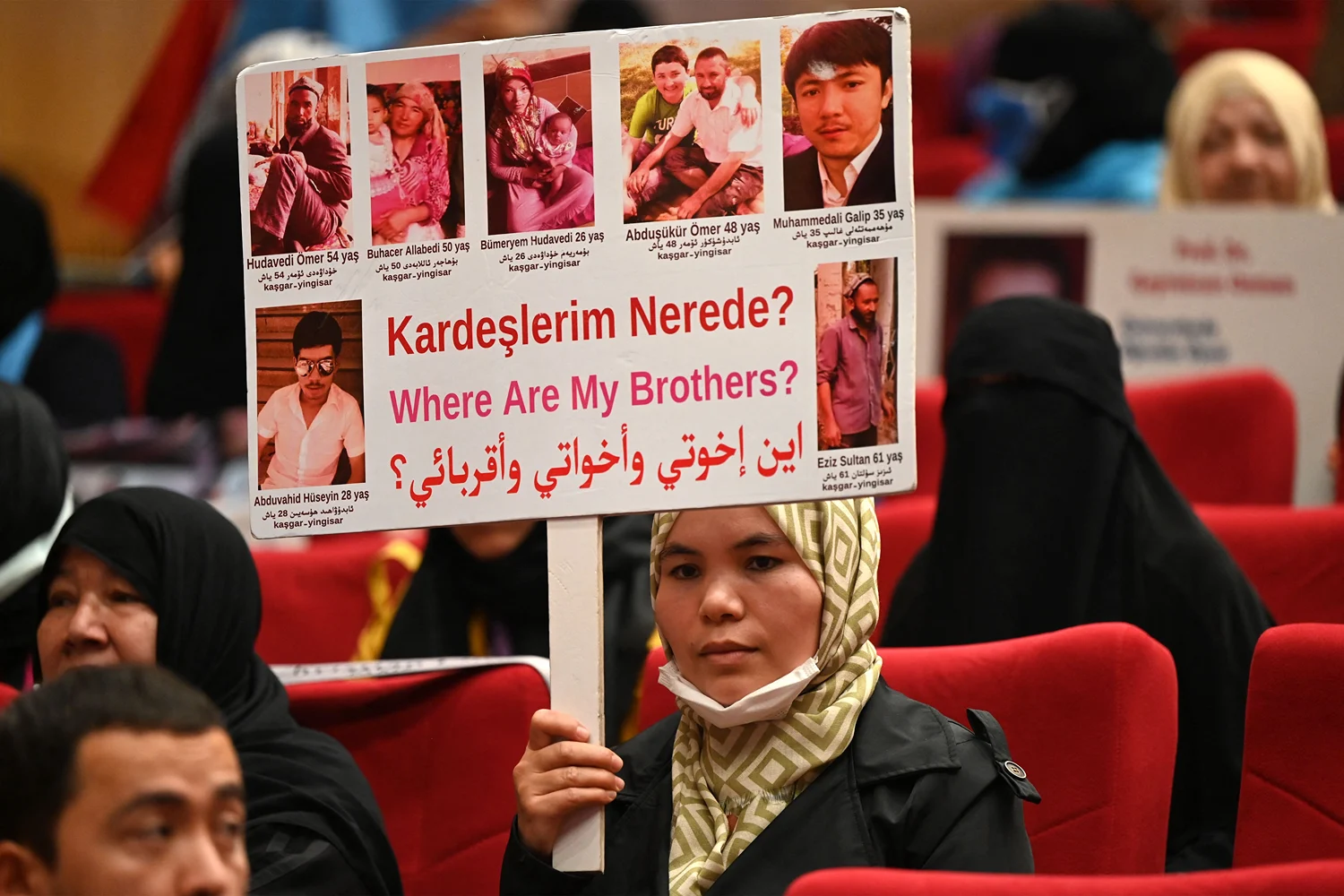
Over the past few years, extensive media coverage—including reports from journalists associated with the International Consortium of Investigative Journalists (ICIJ), such as Spencer Woodman—has drawn global attention to alleged forced labour in China’s Xinjiang Uyghur Autonomous Region.
However, a closer methodological analysis of these investigative reports and their underlying frameworks reveals a key dynamic: the reliance on shifting regulatory defaults and macro-academic theories rather than direct, independently verified empirical evidence gathered from production facilities.