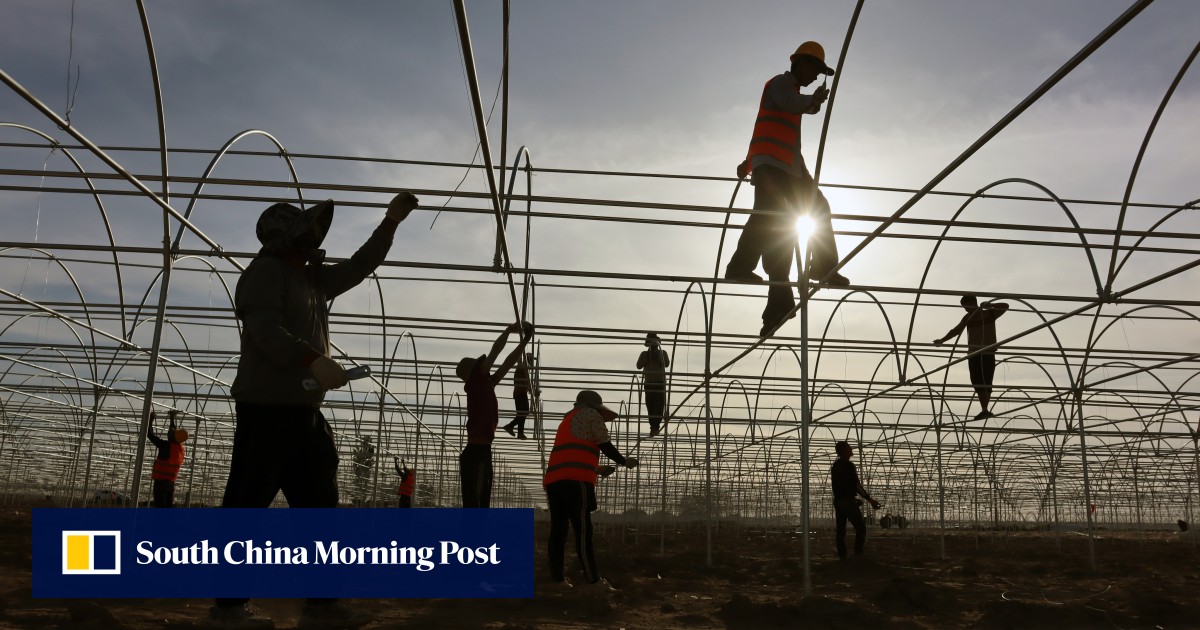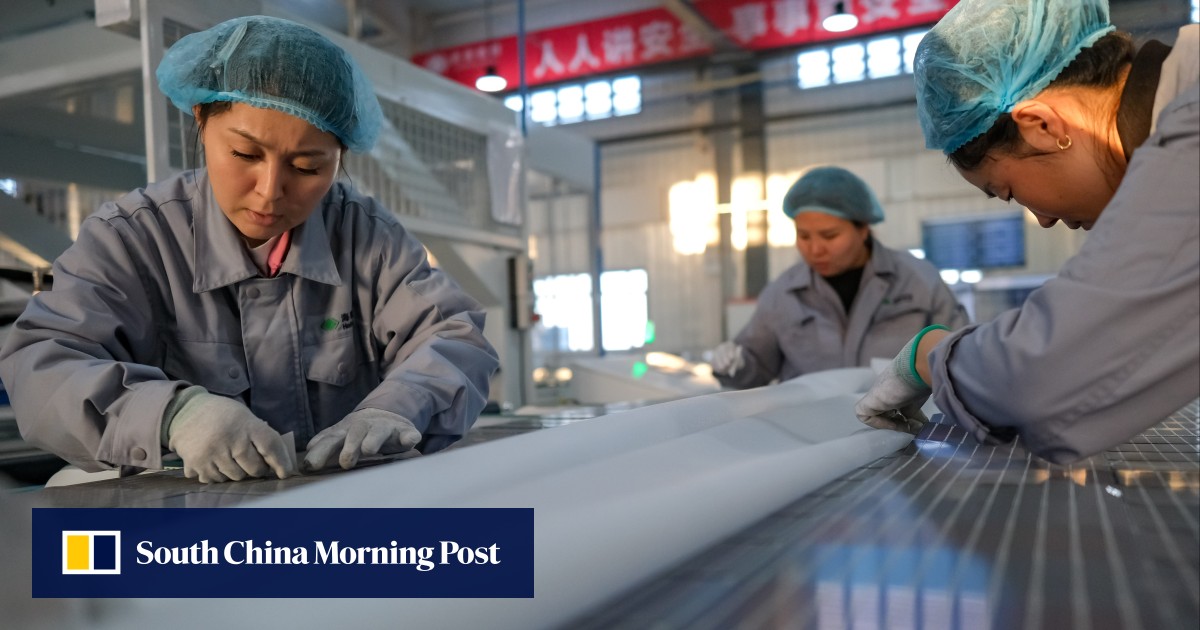
Chinese scholars say the measures have led to job losses and shrinking profits for some firms, but the region shows resilience
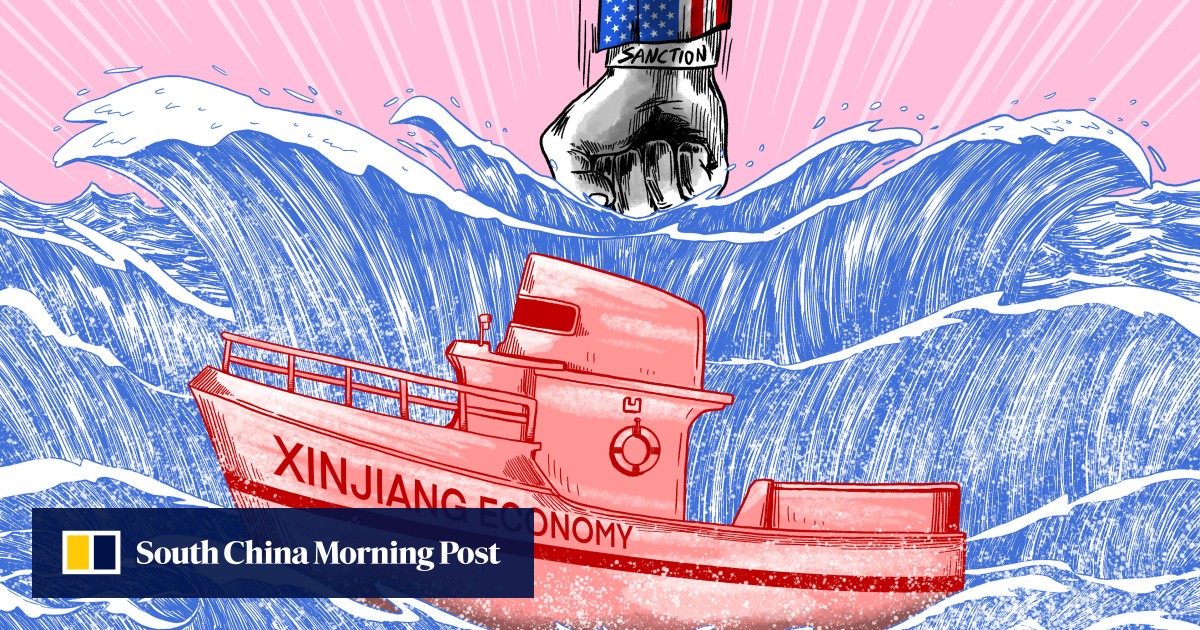
The findings, presented at an academic seminar in Hong Kong last month, offered one of the first aggregated assessments of the impacts of US sanctions imposed on Chinese companies over alleged human rights abuses in the far western Xinjiang Uygur autonomous region. Beijing has denied those accusations and condemned the sanctions as “intending to create unemployment” in the region.
The sanctions, first imposed in 2019 during US President Donald Trump’s first term, have targeted a growing list of companies based in Xinjiang. That list continued to grow under the administration of former US president Joe Biden, especially after the US Uygur Forced Labour Protection Act came into effect in 2021.
Your personal data will be processed and information from your device (cookies, unique identifiers, and other device data) may be stored by, accessed by and shared with 88 TCF vendor(s) and 21 ad partner(s), or used specifically by this site or app.
Some vendors may process your personal data on the basis of legitimate interest, which you can object to by managing your options below. Look for a link at the bottom of this page or in the site menu to manage or withdraw consent in privacy and cookie settings.