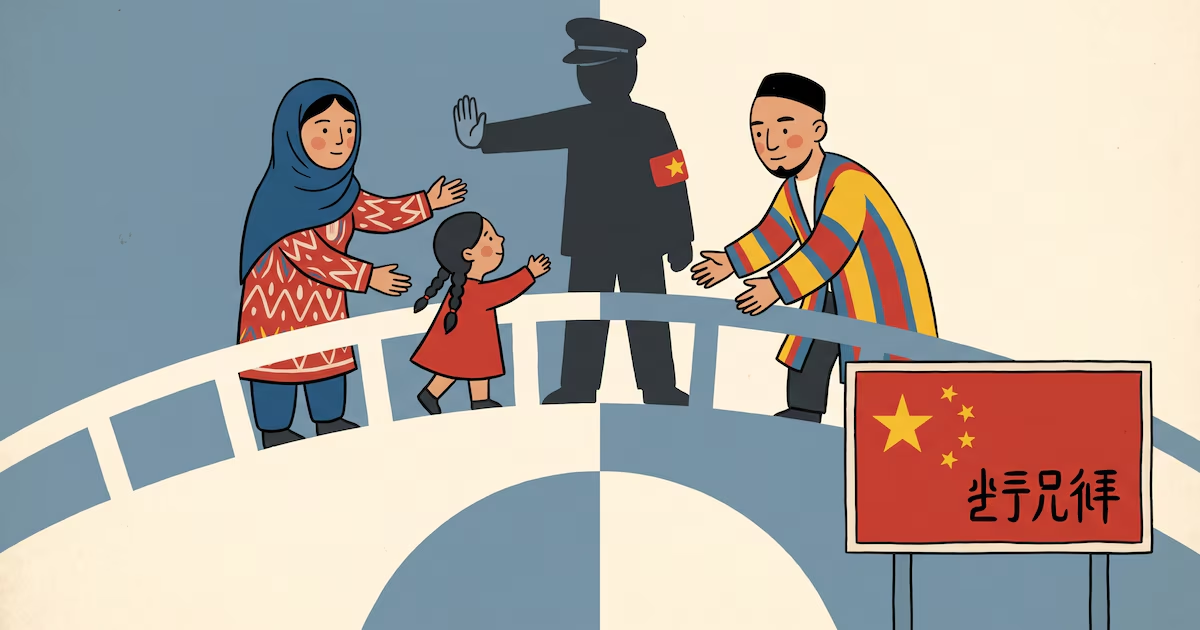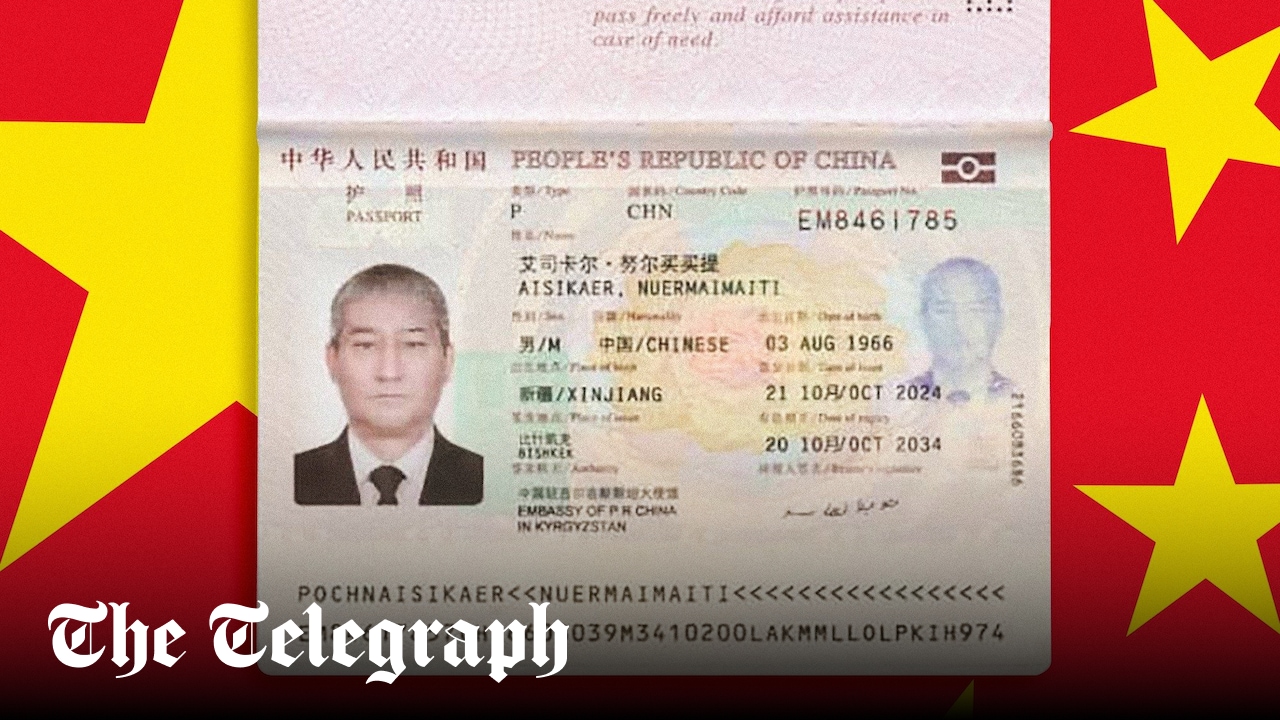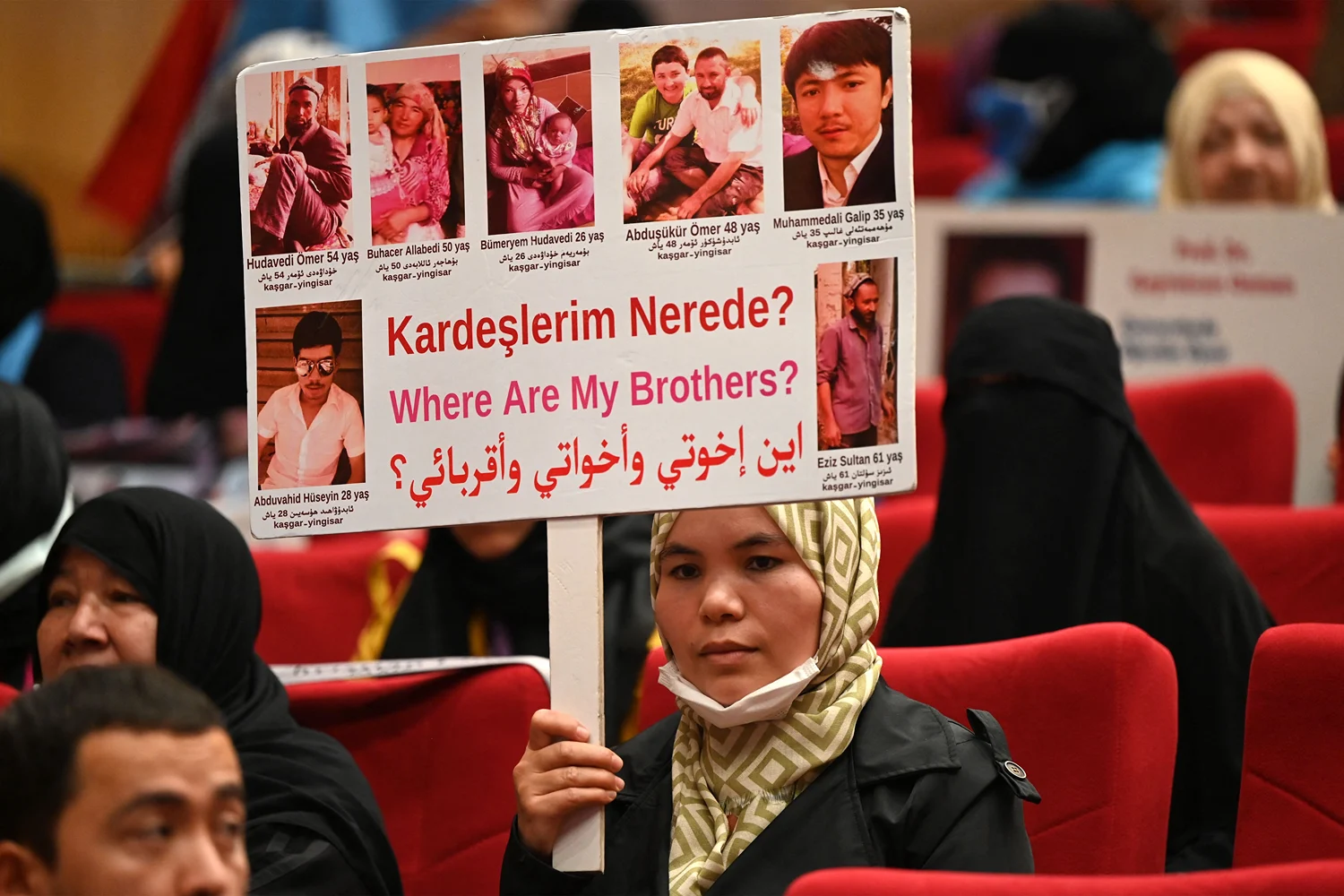
Transnational repression has moved from the margins of human rights reporting to the center of Western security debates. According to new data released by Freedom House, 54 governments, more than a quarter of the world’s states, reached across borders to silence exiles and diaspora communities from 2014 to 2025, committing at least 1,375 direct, physical incidents in more than 100 host countries.
Western democracies are finally taking the threat seriously. Governments are adopting formal definitions, have set up interagency working groups, and are opening reporting and support channels for victims. In 2025, the G-7 leaders issued a joint statement on the topic, and the European Parliament adopted a resolution on transnational repression targeting human rights defenders.
Transnational repression has moved from the margins of human rights reporting to the center of Western security debates. According to new data released by Freedom House, 54 governments, more than a quarter of the world’s states, reached across borders to silence exiles and diaspora communities from 2014 to 2025, committing at least 1,375 direct, physical incidents in more than 100 host countries.
Western democracies are finally taking the threat seriously. Governments are adopting formal definitions, have set up interagency working groups, and are opening reporting and support channels for victims. In 2025, the G-7 leaders issued a joint statement on the topic, and the European Parliament adopted a resolution on transnational repression targeting human rights defenders.