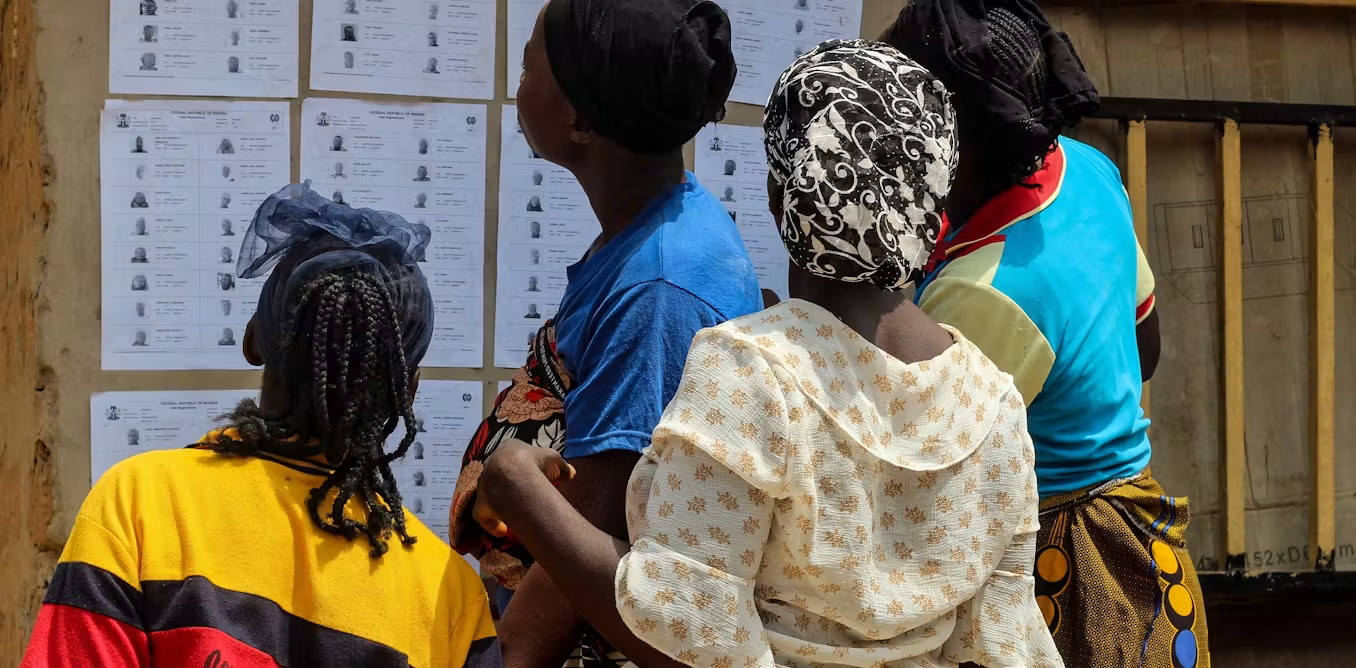
Nigerians will return to the polls in 2027. Campaigns will commence, crowds will fill the streets for party rallies, but the most consequential decisions about the elections are already happening. They are taking place in party offices, at the homes of powerful political godfathers, and in selection processes that most Nigerians never attend and sometimes don’t hear about.
This is where the most vulnerable group, young women, lose. Nearly half of Nigeria’s population is female and more than 70% is younger than 30 years. Yet women and young people continue to be grossly underrepresented in the country’s politics. Nationally, 6.7% of elected positions and appointments are occupied by women. The global average is 22.5% and Africa’s is 23.4%.
Those who want to contest for elective offices signify their interest at their wards, where they must secure support before going to the local governments or senatorial zones or states. This depends on the offices they want to vie for.
But these changes have failed to shift the dial. Only two young women (aged under 30) won seats across Nigeria’s 36 state assemblies in the 2023 elections. Women aged between 30 and 35 managed to secure three seats in 2019 and 2023 state assembly elections. At the national level, the youngest women are in their 40s.