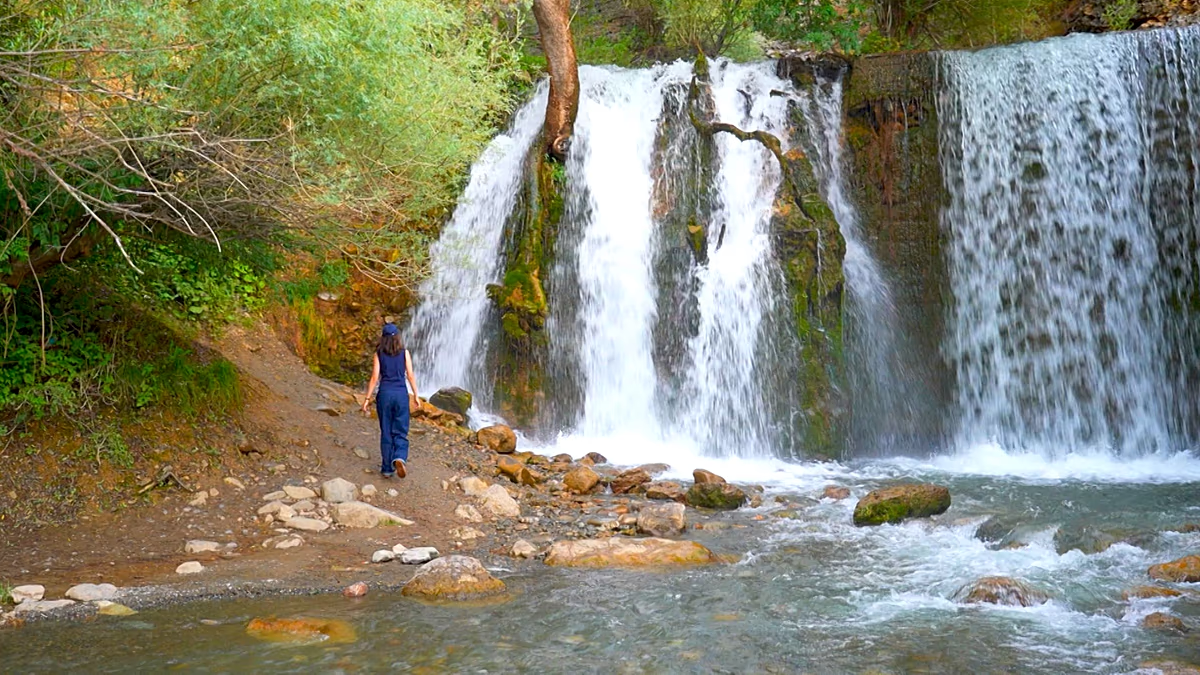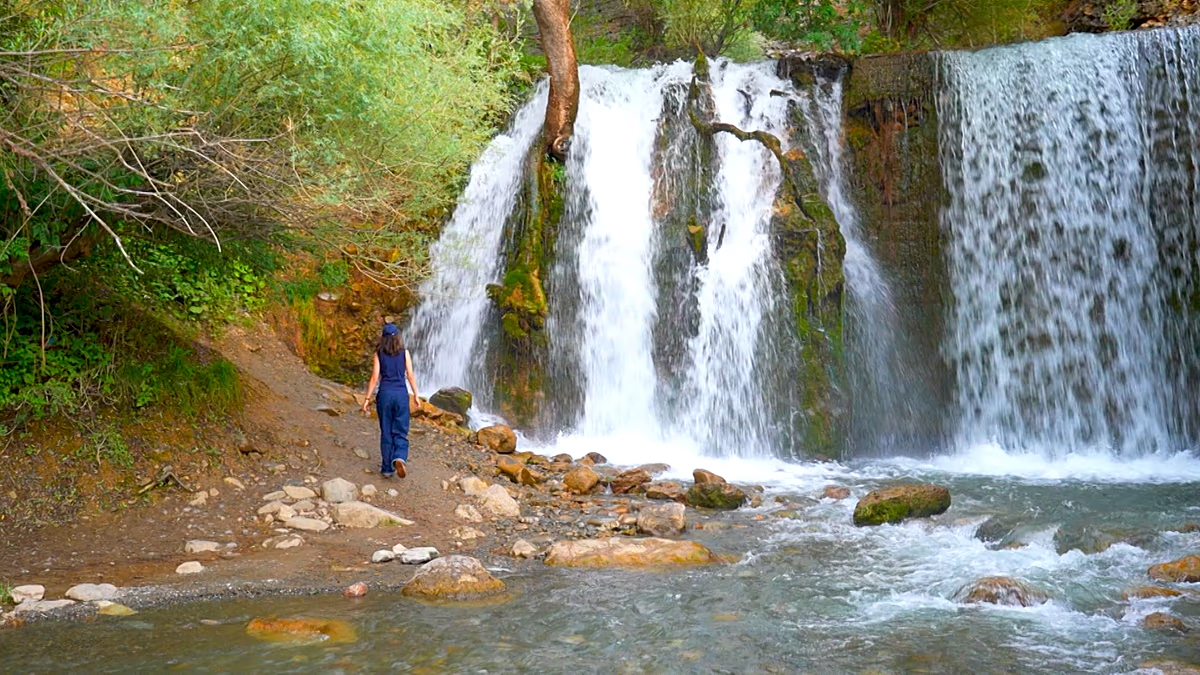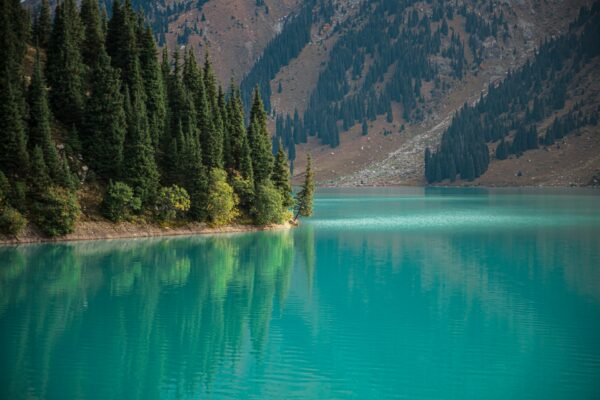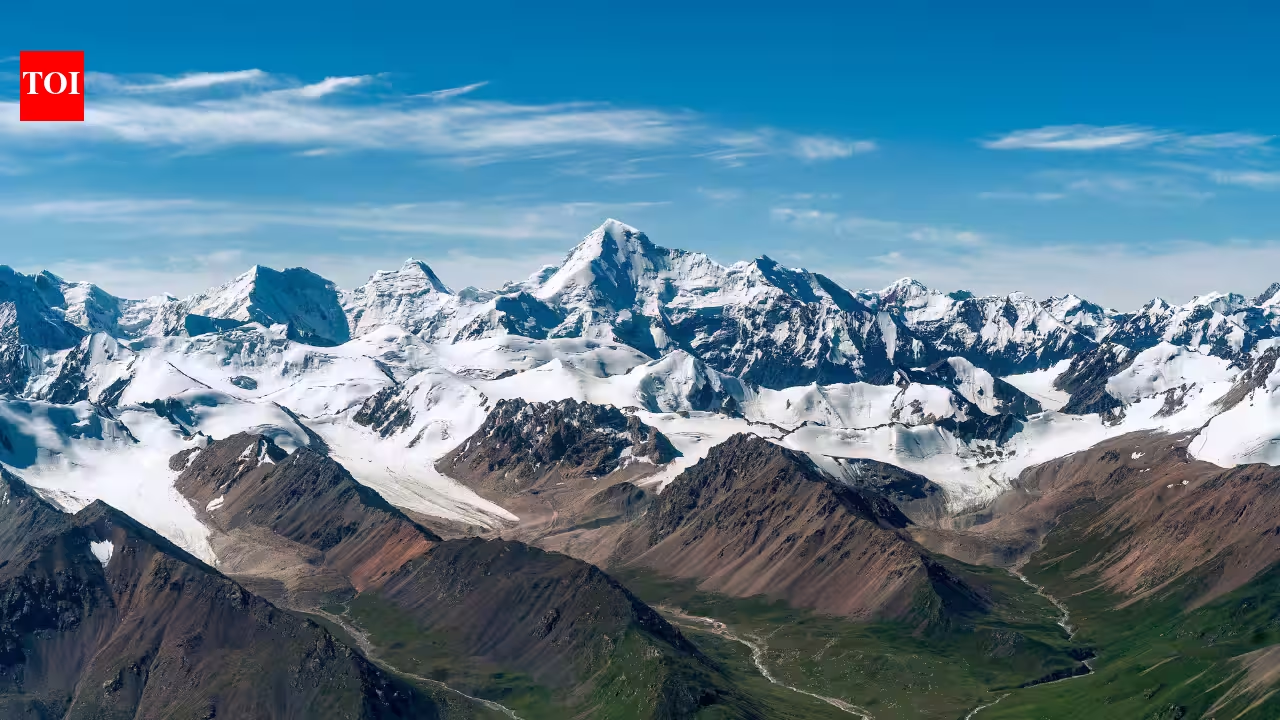
Snow-covered peaks of central Tian Shan behind alpine meadows, with Nansen Peak (c. 5,697 m (18,691 ft)) in the middle | Wikimedia CommonsReservoirs across Kyrgyzstan had fallen to surprisingly low levels by the summer of 2021; rivers that irrigated some of the country’s most productive farmland were carrying less water than expected; and farmers in several regions were left facing a major irrigation crisis. The crisis came about during one of Central Asia’s driest years in recent memory, and exposed how deeply Kyrgyzstan actually depends on snow and glacier melt from the Tian Shan mountains. The country is often described as rich in water resources because of its glaciers, and much of that water arrives only when seasonal temperatures and snowpack allow. According to the Government of the Kyrgyz Republic, prolonged drought, reduced river flows, and falling reservoir levels ultimately forced authorities to introduce emergency water management measures as agriculture struggled through the growing season.Snow-covered peaks of central Tian Shan behind alpine meadows, with Nansen Peak (c. 5,697 m (18,691 ft)) in the middle | Wikimedia CommonsA country with thousands of glaciers still found itself short of waterThe shortage seemed difficult to explain at first glance, since Kyrgyzstan contains more than 8,000 glaciers, thus giving it the nickname “the water tower of Central Asia.” Those glaciers feed rivers that supply drinking water, generate hydropower and irrigate farms not only within Kyrgyzstan but also in neighboring Kazakhstan, Uzbekistan and Tajikistan. But the main problem lies in timing, as agriculture depends heavily on meltwater during the hottest months of the year. However, shrinking snowpacks and changing precipitation patterns have begun destroying that natural cycle. Lower winter snowfall inadvertently leads to less water being stored in mountain snowfields, while rising temperatures accelerate glacier retreat, which gradually reduces the long-term reserve that has sustained the region for centuries. According to the Caspian Policy Center, water shortages during 2021 were intensified by drought, declining glacier mass and growing competition for limited water resources across Central Asia, which increases the pressure on countries that share interconnected river systems.Tian Shan as viewed from the Karakol valley | Wikimedia CommonsScientists have watched the glaciers change for decadesResearchers started studying the Tian Shan mountains and have documented widespread glacier retreat over recent decades. Many smaller glaciers are shrinking quickly as average temperatures rise. Glaciers act as natural reservoirs by storing water as snow and ice before releasing it gradually through the warmer months. As they become smaller, they initially produce higher meltwater flows, but once substantial ice is lost, river discharge can begin to decline during the periods when farms need it most. That long-term shift concerns scientists because millions of people across Central Asia depend on the same mountain-fed rivers for agriculture, drinking water and electricity generation. A study published in Frontiers in Water found that continued glacier loss could substantially alter seasonal water availability throughout the region, which would eventually increase pressure on irrigation systems and cross-border water management as climate conditions become more variable.Kyrgyzstan’s glaciers remain one of Central Asia’s most valuable freshwater reserves, but they are not an unlimited supply. Every year, they store less snow than before and lose more ice to rising temperatures. For farmers waiting downstream, the difference is measured not in satellite images or climate graphs but in whether irrigation canals fill when crops need water most. As governments across the region invest in more efficient irrigation, reservoir management and regional cooperation, the mountains continue to determine how much water ultimately reaches the valleys below.
In 2021, Kyrgyzstan’s water crisis forced officials to watch mountain glaciers melt as farms ran short of water
Reservoirs across Kyrgyzstan had fallen to surprisingly low levels by the summer of 2021; rivers that irrigated some of the country’s most productive farmland were carrying less water than expected; and farmers in several regions were left facing a major irrigation crisis. The crisis came about during one of Central Asia’s driest years in recent memory, and exposed how deeply Kyrgyzstan actually depends on snow and glacier melt from the Tian Shan mountains.
584 words~3 min read