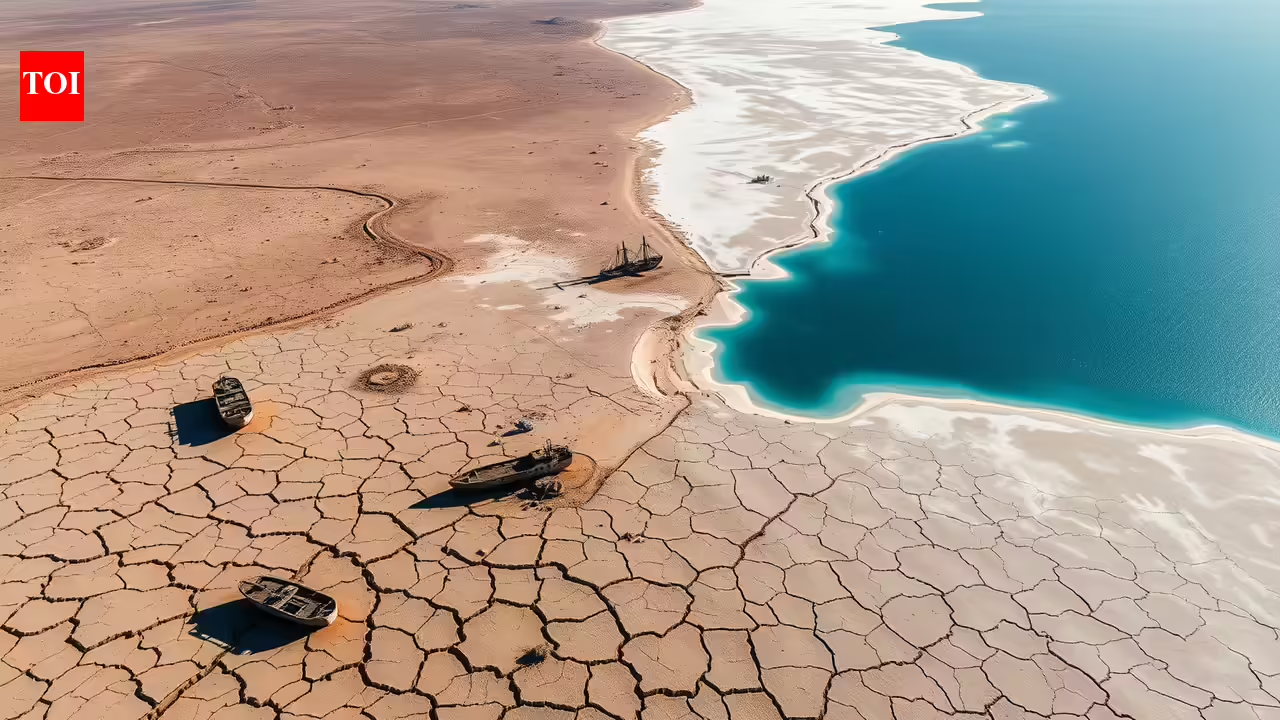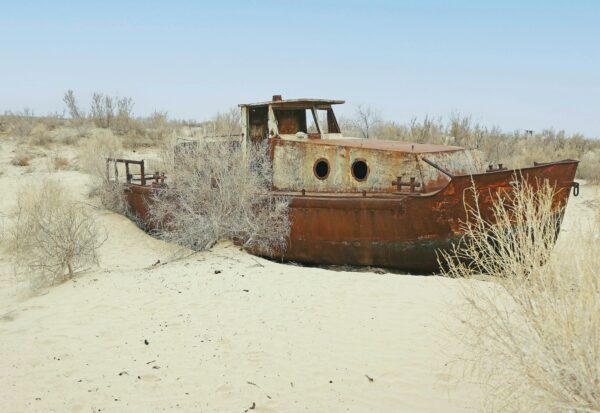
Central Asia is home to one of the most infamous human-caused ecological catastrophes: the dramatic drying-up of the Aral Sea. That disaster was rooted in systemic mismanagement of the region’s water resources in pursuit of cotton production, primarily during the Soviet period.
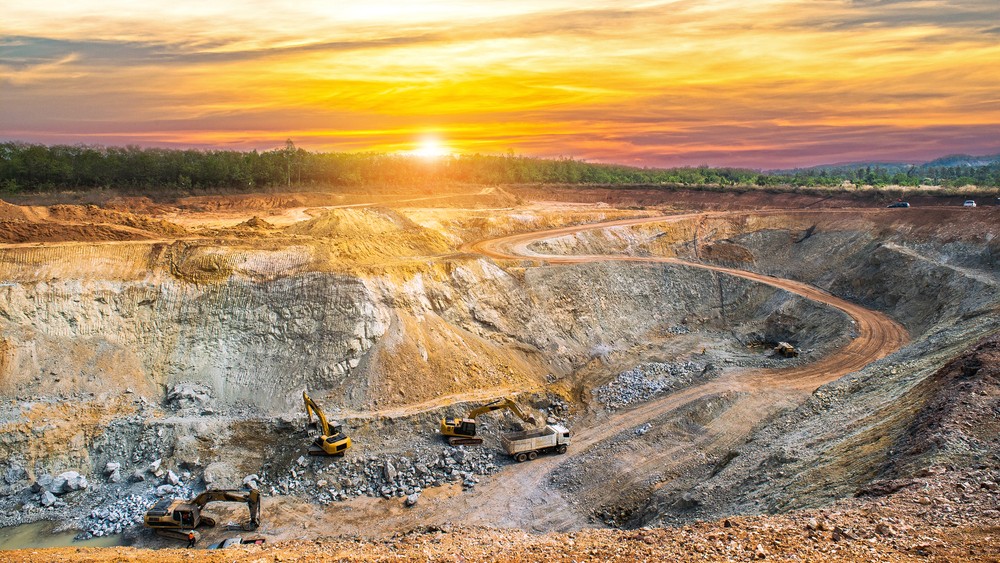
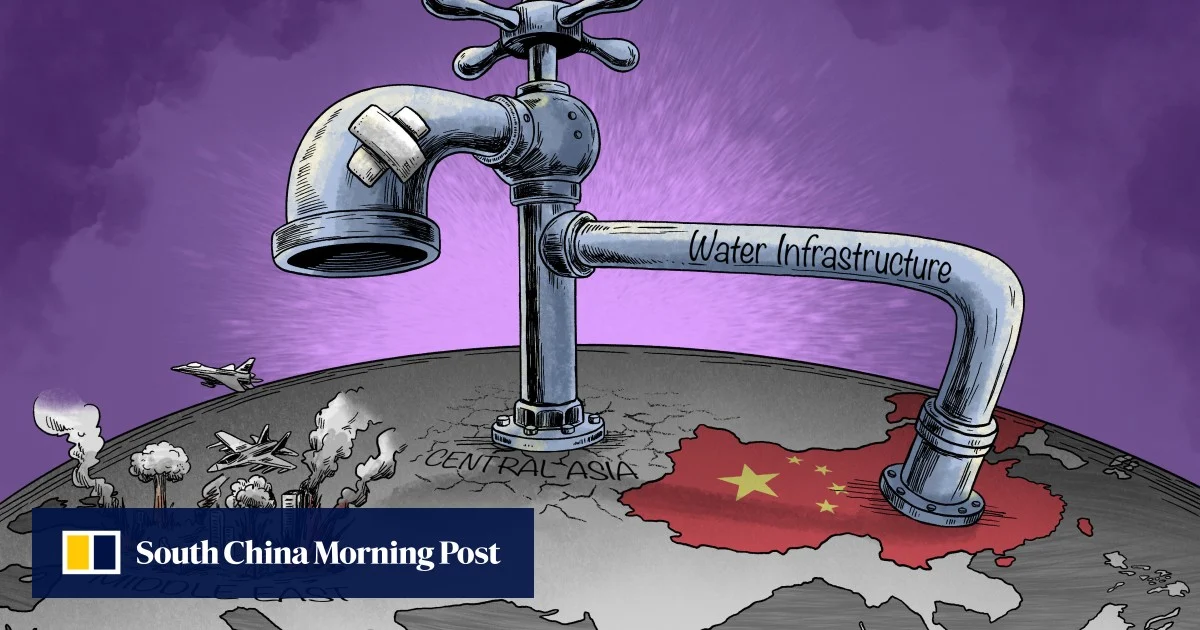
Today, the region is in hot pursuit of emerging industries that could prove just as disastrous to the region’s water resources as cotton was: critical minerals and artificial intelligence (AI).
The Diplomat’s Managing Editor Catherine Putz spoke with Dr. Theresa Sabonis-Helf, professor of the practice and concentration chair for science, technology and international affairs at Georgetown University’s School of Foreign Service, about the intersection of several critical issues in Central Asia: water and energy, critical minerals and AI, and how regional governments are (or are not) prepared to balance these competing concerns.
Central Asia’s water woes are not new. The Aral Sea is one of the most infamous examples in the world of the consequences of water mismanagement. Can you lay out what factors contributed to the shrinking of what was once the world’s fourth-largest lake?
The Aral Sea tragedy was largely a consequence of cotton farming. From Tsarist times (but escalating dramatically in the Soviet era), the region was prized for farming cotton. It was the only region of the Tsarist empire warm enough to grow it … but cotton is an infamously thirsty crop, so the continuous expansion of cotton production required more and more water. In addition, the irrigation systems used to supply the cotton were unlined, and leaked water constantly into the desert.