Read The Diplomat, Know The Asia-Pacific
Climate stress, shrinking glaciers, and fragmented governance are pushing the region toward a new era of systemic vulnerability.
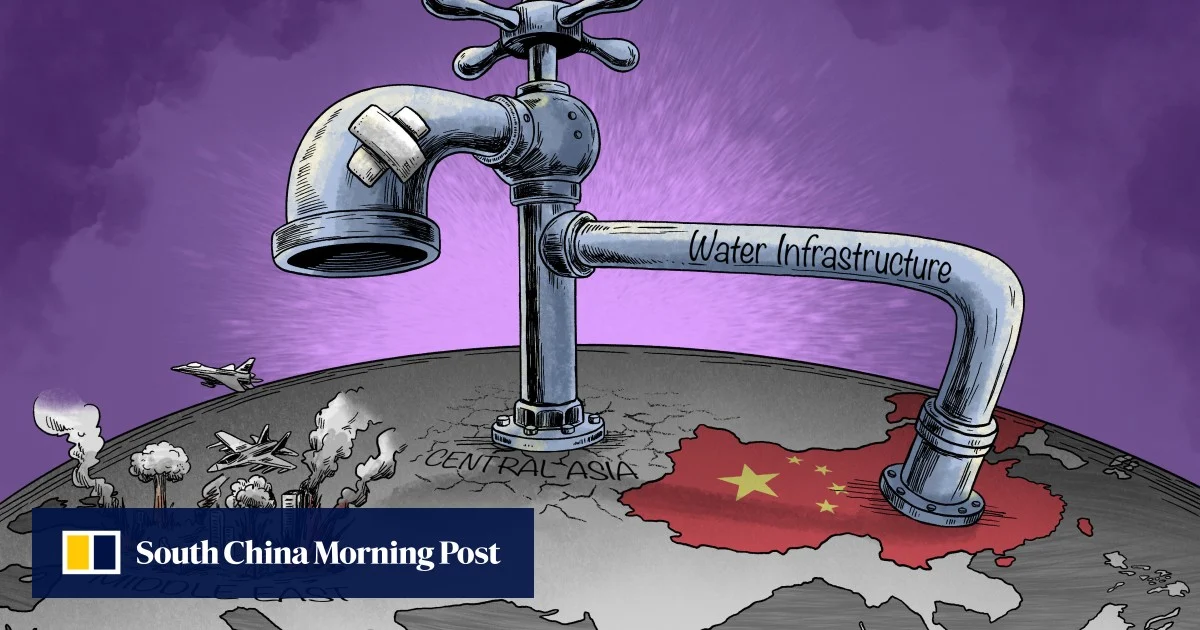
Water has always shaped Central Asia’s political geography. Rivers flowing from the glaciers of the Tien Shan and Pamir mountains sustain agriculture, hydropower generation, food production, and drinking water systems across five interconnected states. But as climate pressures intensify, experts increasingly warn that the region is vulnerable to both water scarcity, and its inability to collectively manage growing systemic risks.
These concerns were a central theme during both the Regional Ecological Summit (RES-2026) and the Central Asian Climate Change Conference (CACCC-2026), both held in Astana in April 2026.
Across panel discussions, technical sessions, and regional assessments, experts repeatedly returned to the same conclusion: that climate change is accelerating faster than regional coordination mechanisms.