RIYADH: The civil nuclear cooperation agreement between Saudi Arabia and the US is expected to usher in a new phase of economic and technological partnership that extends well beyond the construction of nuclear reactors and electricity generation, encompassing the localization of high-value industries, the development of specialized human capital, and expanded collaboration in advanced technologies, analysts told Asharq Al-Awsat.
They argue that the agreement could serve as a catalyst for industrial and technology investment in the Kingdom, complementing Saudi Arabia’s plans to diversify its energy mix and build a knowledge-based economy. Its significance, however, extends beyond economics into the strategic and geopolitical arena, as global competition over nuclear energy technologies continues to intensify.
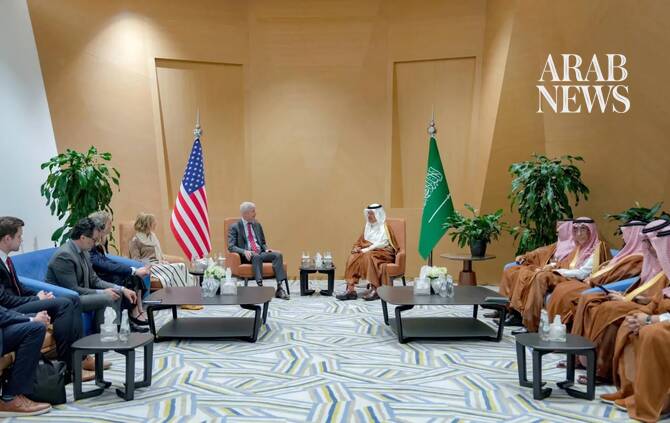
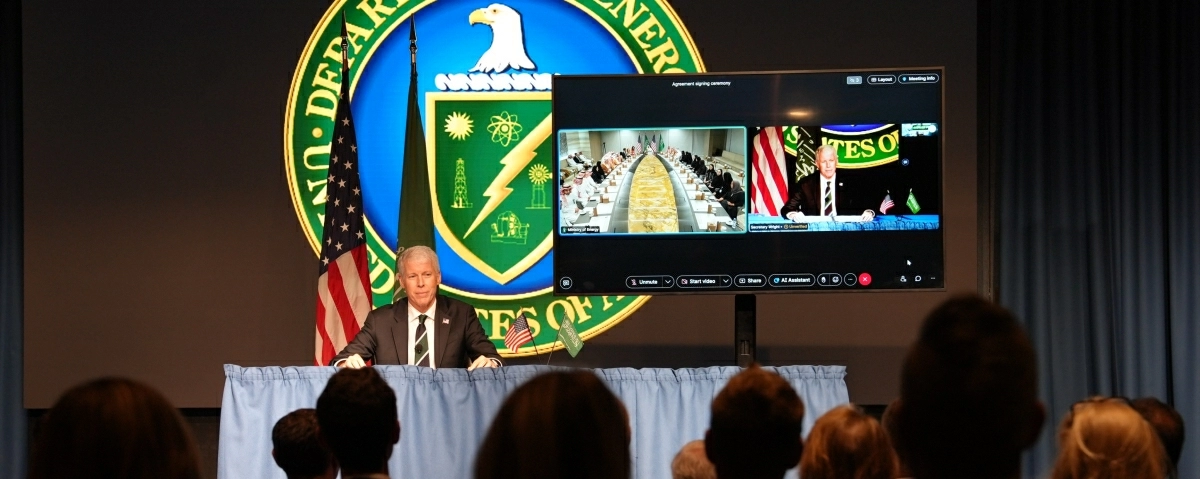
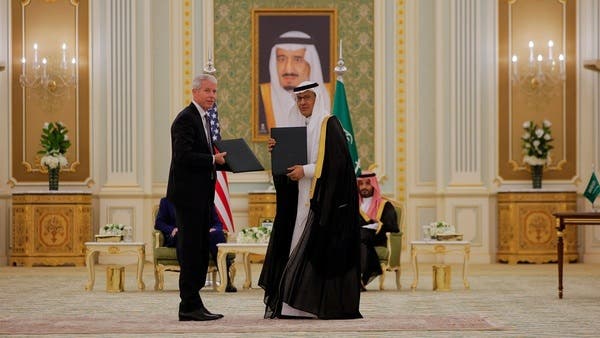
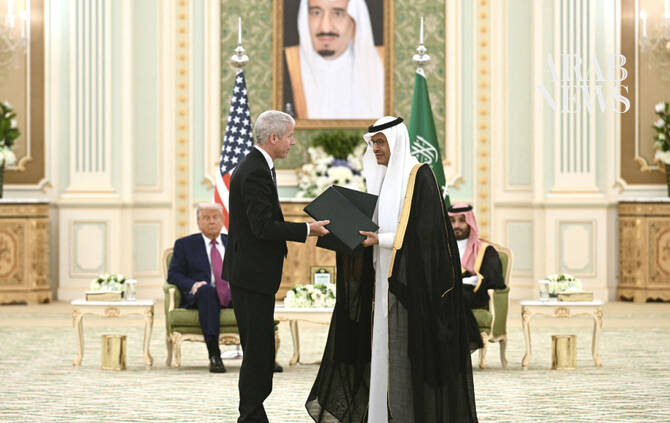
On July 22, Saudi Energy Minister Prince Abdulaziz bin Salman and US Energy Secretary Chris Wright signed a civil nuclear cooperation agreement, commonly known as a “123 Agreement,” alongside a bilateral safeguards agreement. According to the US Department of Energy, the accords establish the legal framework for a multibillion-dollar partnership expected to span decades and pave the way for US companies to participate in Saudi Arabia’s nuclear energy program.