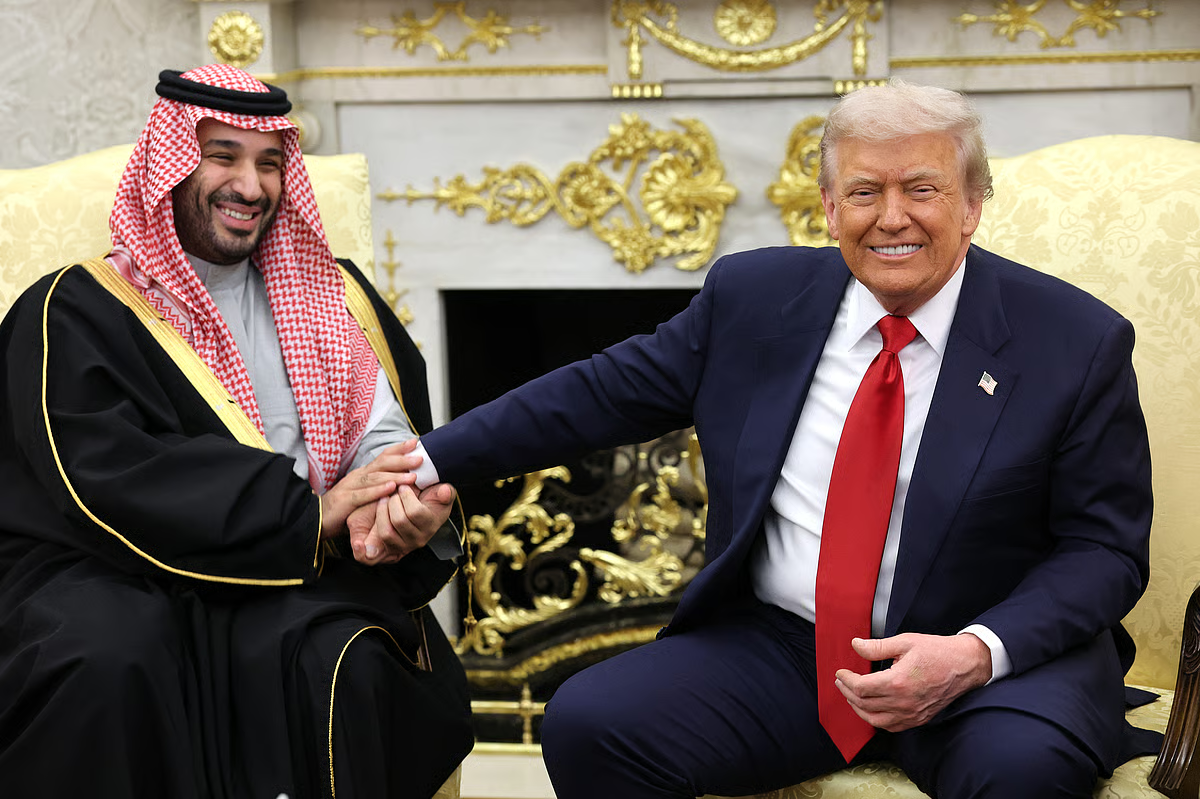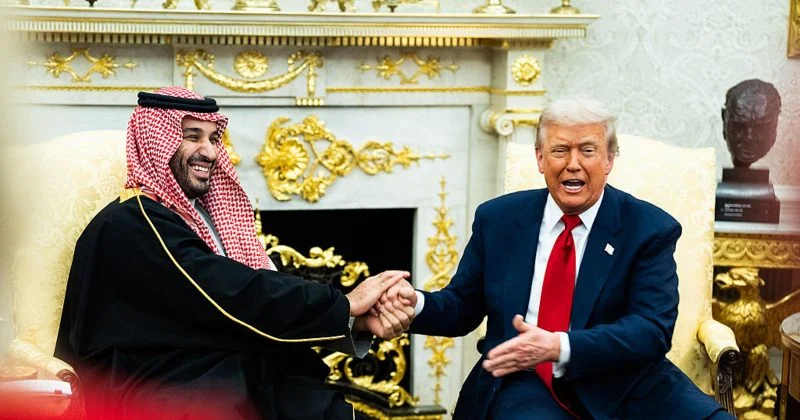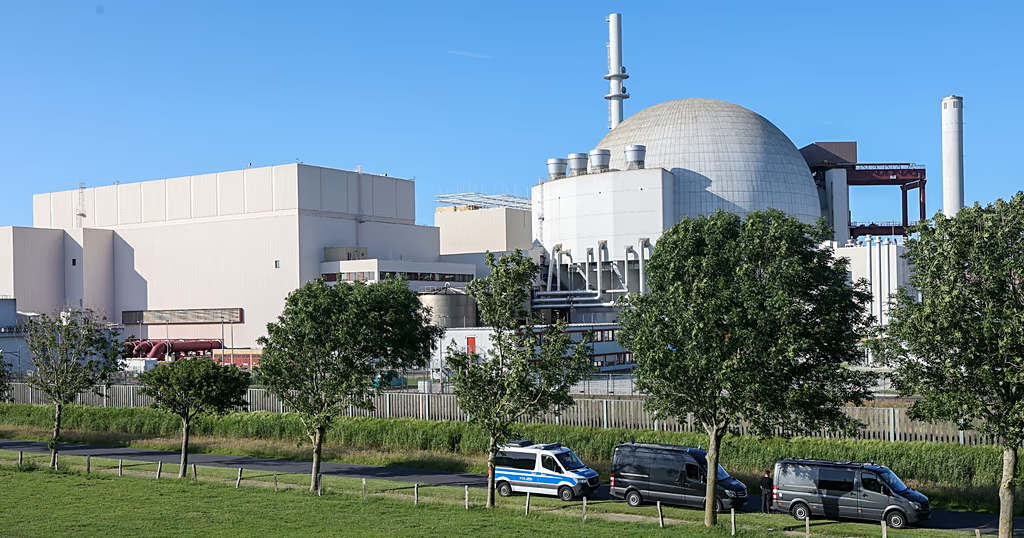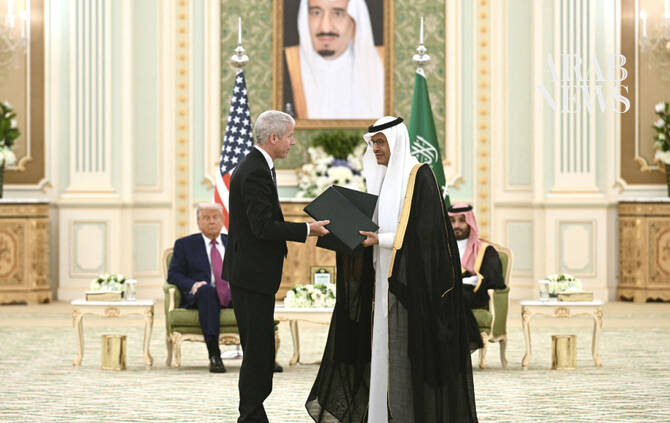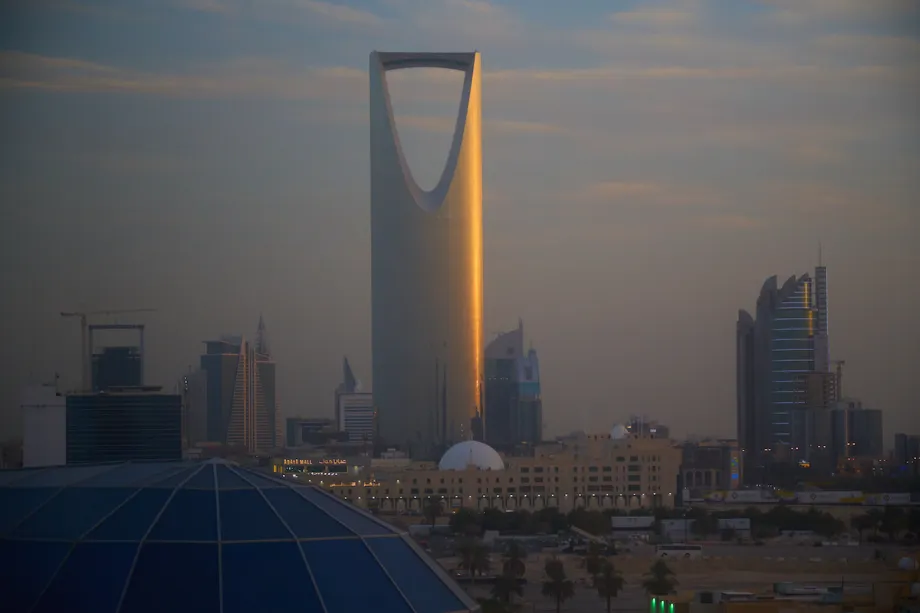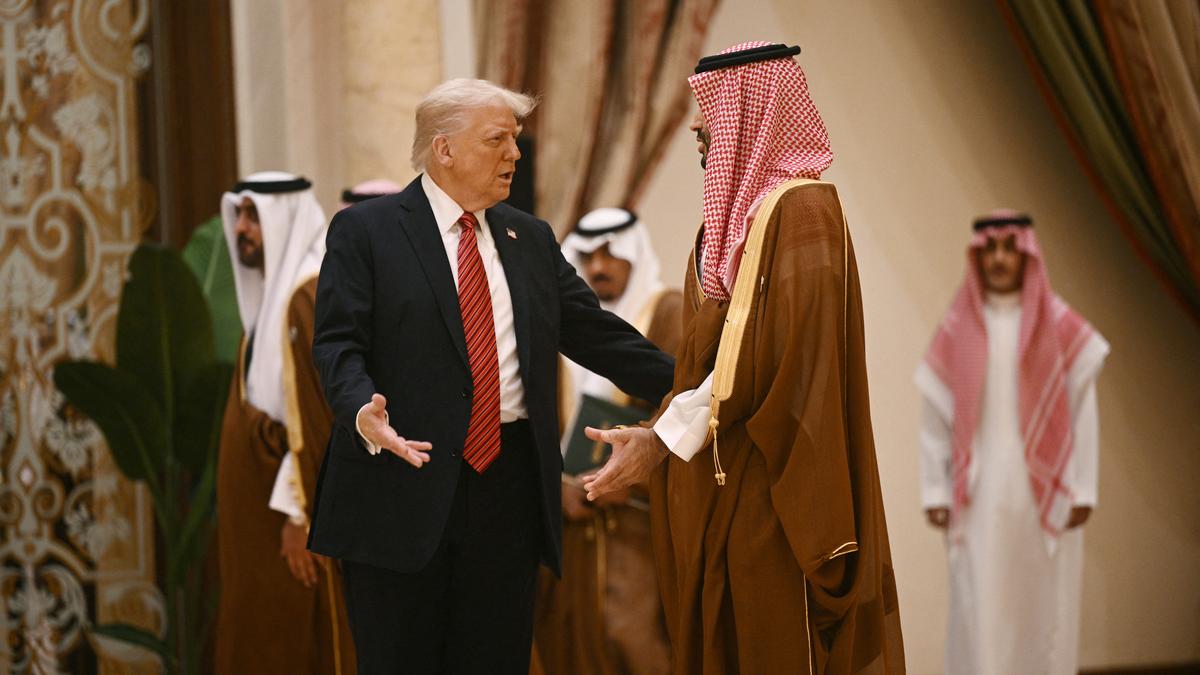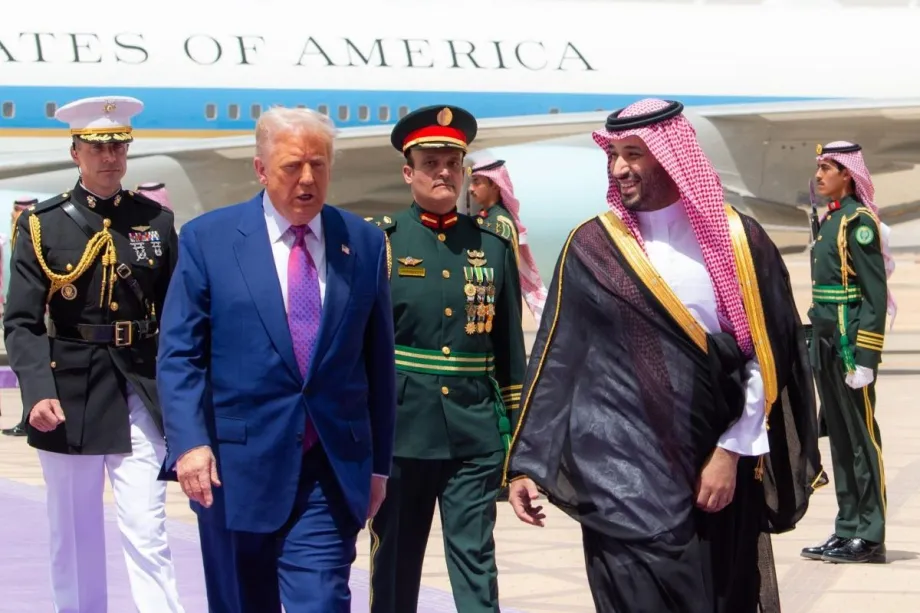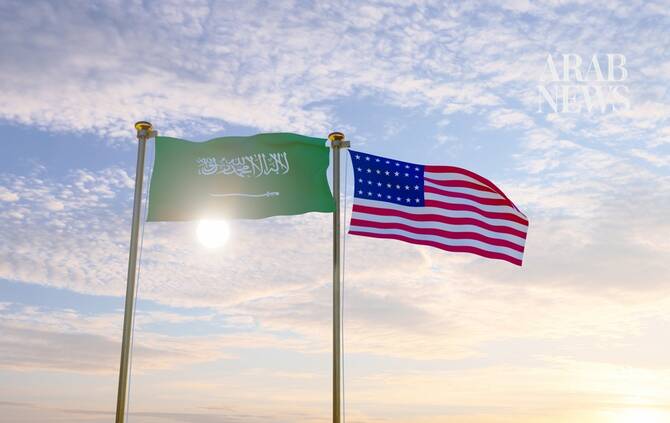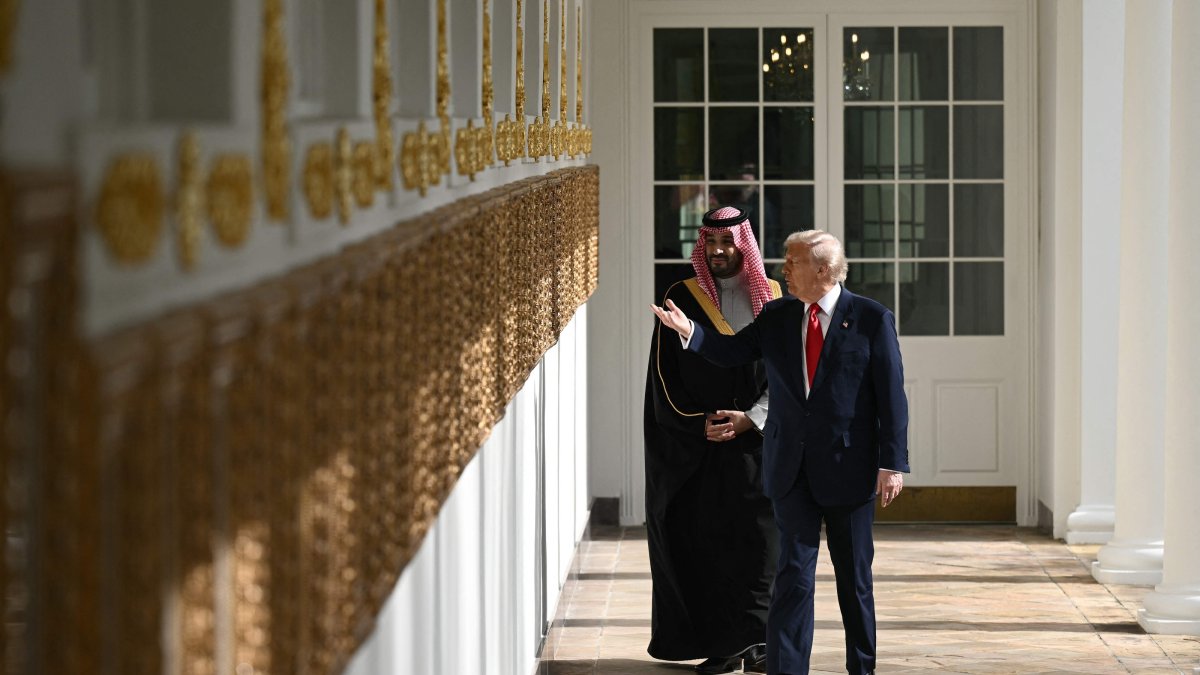
On July 22, amid the ongoing war against Iran, U.S. and Saudi energy ministers announced a landmark peaceful nuclear cooperation agreement – a 123 Agreement negotiated intermittently over nearly two decades. Riyadh has long been eager to construct its own civilian nuclear power infrastructure. The motivation behind this ambition is twofold. Economically, Saudi Arabia (KSA) needs to diversify its energy mix, conserving oil reserves while establishing a fresh asset to position itself as a future nuclear energy supplier. Geopolitically, Riyadh seeks to preserve its leadership status within the Gulf Cooperation Council (GCC). Notably, the United Arab Emirates (UAE) signed its own 123 Agreement years ago and built a functional nuclear power plant. Before the Feb. 28 war, intense regional rivalry between Riyadh and Abu Dhabi flared across Yemen, Sudan and Somalia. Above all lies the shadow of Iran’s nuclear program. During President Donald Trump’s first term, as Washington pursued the Abraham Accords to curb Iranian influence, Crown Prince Mohammed bin Salman made it explicitly clear: Saudi Arabia would demand whatever nuclear capabilities Iran acquired.
Observing these ambitions, Washington viewed nuclear cooperation as a potent bargaining chip to anchor a wealthy ally within the American sphere and align Riyadh with U.S. regional strategy. Yet negotiations proved notoriously tricky. Riyadh actively cultivated contacts with alternative partners, including Russia, China and Pakistan, to explore available options. These third-party alternatives appeared attractive precisely because Washington steadfastly demanded its strict "gold standard" for nuclear technology transfer. Before this deal, the U.S. had executed 123 Agreements with only two regional actors. The U.S.-Türkiye agreement remains a distinct case given Ankara’s NATO membership and strong non-proliferation record, even as Türkiye successfully diversified its civilian nuclear partnerships with Russia. However, when Washington concluded its agreement with the UAE, it imposed the gold standard: Abu Dhabi explicitly surrendered its Article IV rights to enrich uranium on its own soil.