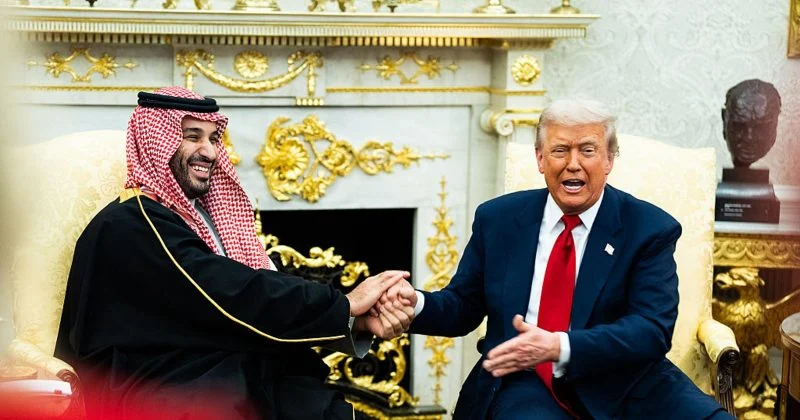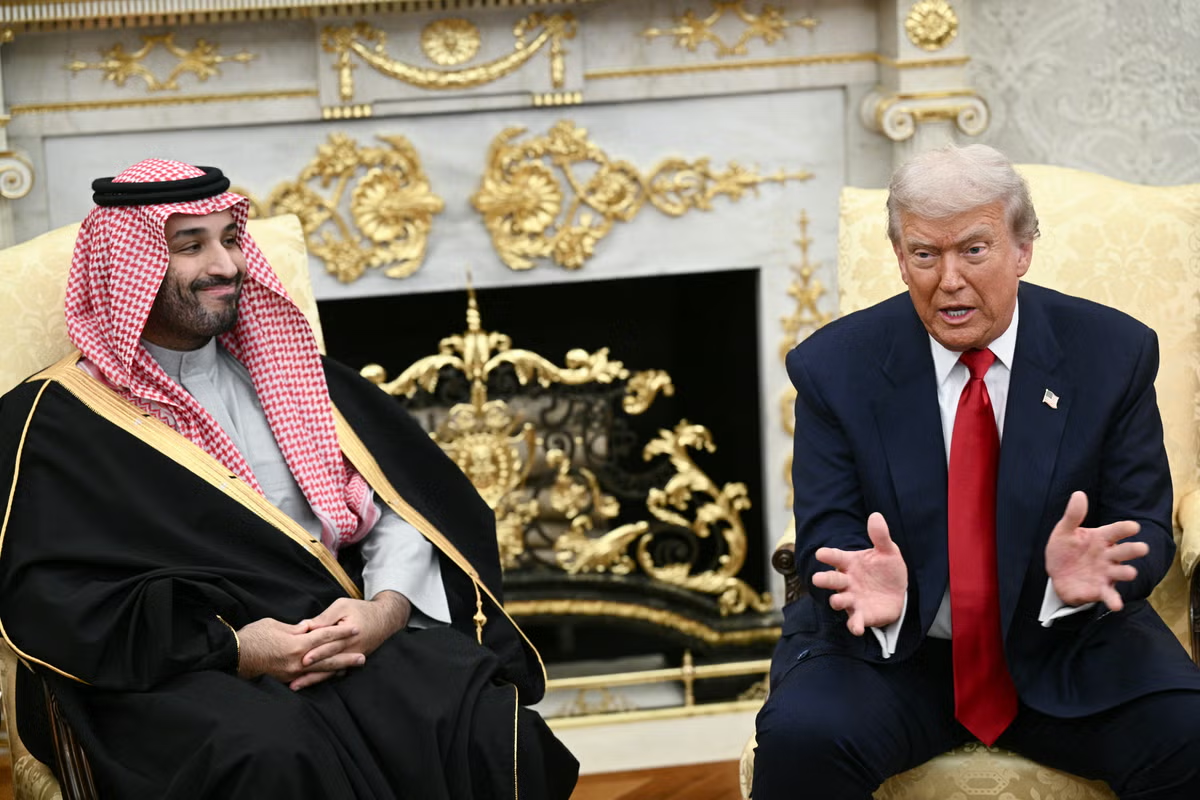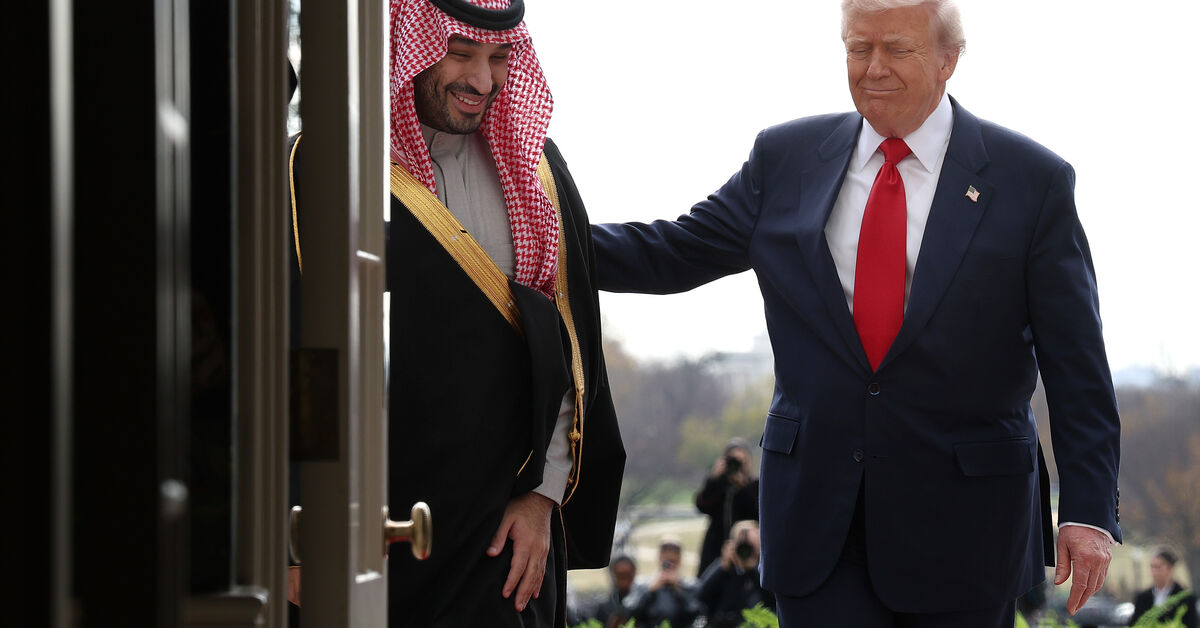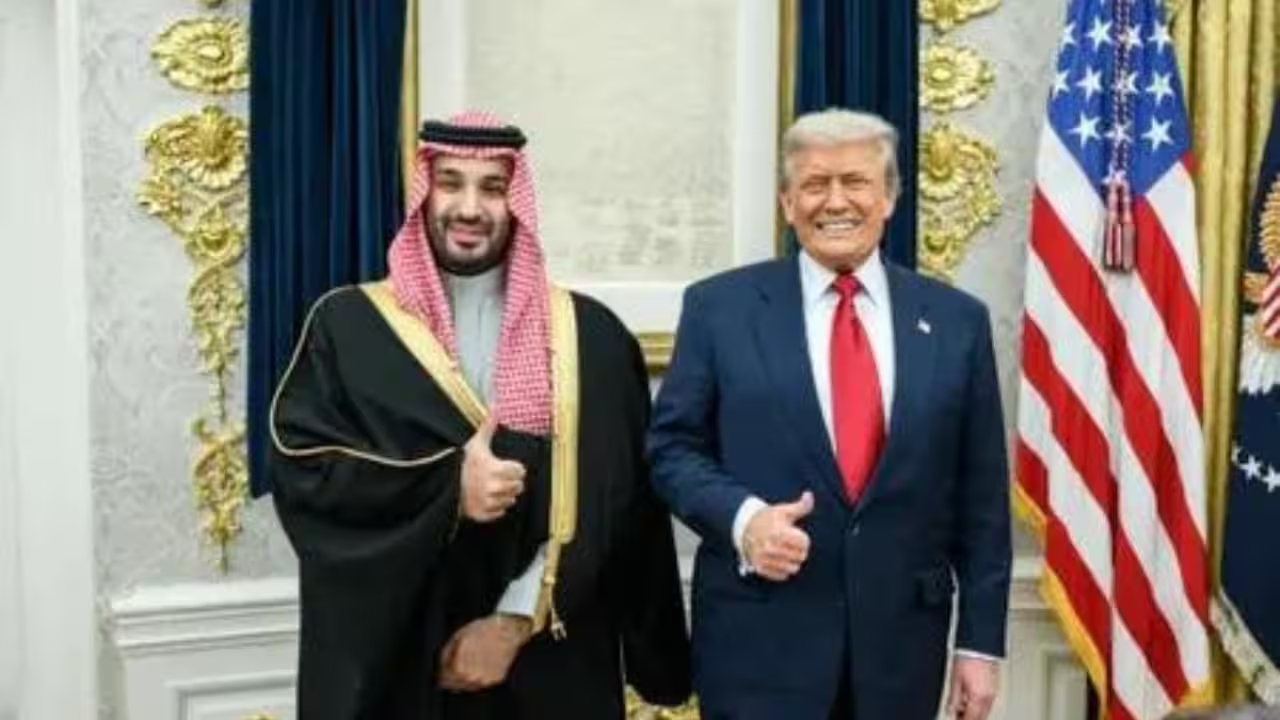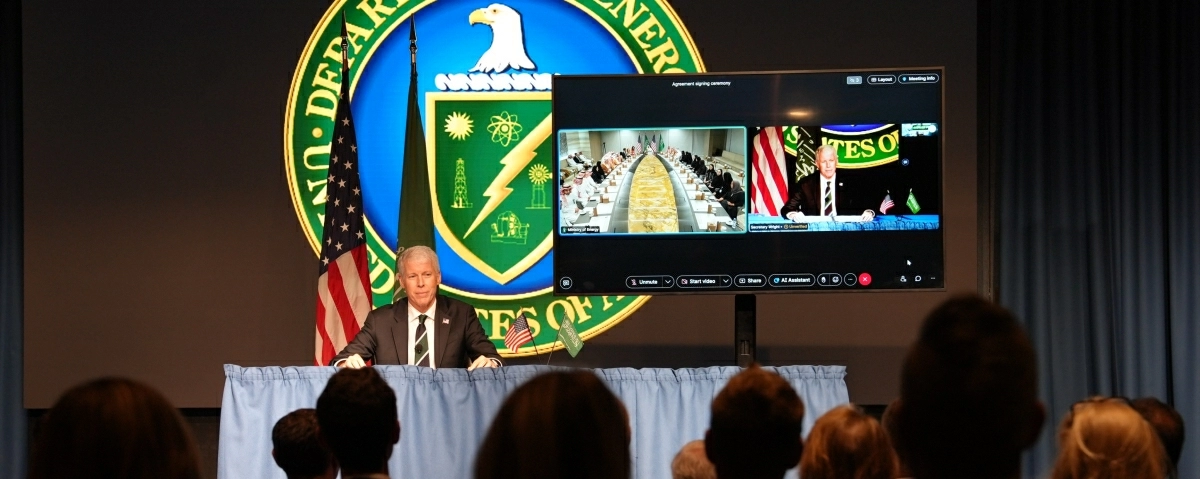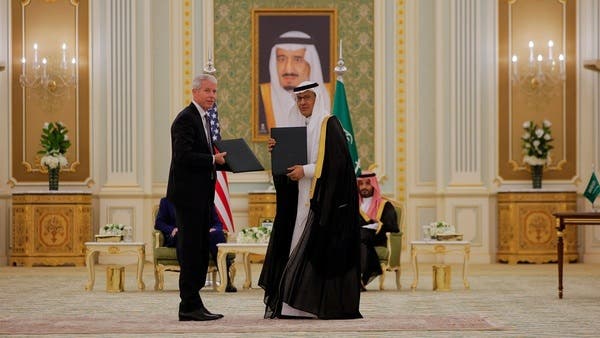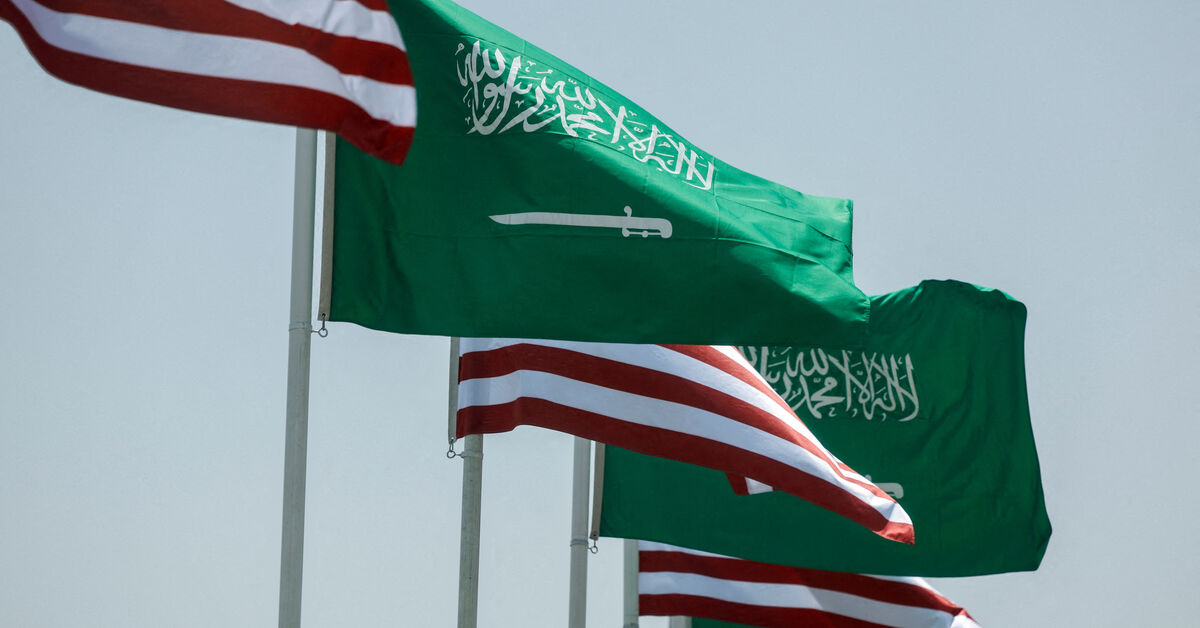
Saudi Arabia and the United States have finalized a 123 Agreement establishing civilian nuclear cooperation, a deal signed by US Energy Secretary Chris Wright and Saudi Energy Minister Prince Abdulaziz bin Salman. The 30-year framework paves the way for American nuclear technology, materials, and expertise to flow into the kingdom, and it includes a provision that previous Gulf deals explicitly prohibited: the potential for uranium enrichment on Saudi soil.
What the deal actually includes
The agreement, finalized around July 22-23, 2026, revives negotiations that resumed in 2025 and builds on a Joint Declaration reached in November of that year. In practical terms, it creates a multi-billion-dollar partnership that gives US companies preferred access to develop Saudi nuclear infrastructure.
The deal permits Saudi Arabia to conduct a two-year viability study on domestic uranium enrichment. If that study concludes enrichment is commercially viable, the kingdom could potentially operate enrichment facilities, possibly using US-led “black box” technologies designed to limit proliferation risk.
The framework also incorporates a bilateral safeguards agreement meant to ensure compliance with nonproliferation norms. US lawmakers have already voiced concerns about whether those safeguards are robust enough. The Saudi agreement represents a meaningful departure from the 2009 US-UAE agreement, which required the UAE to forgo any domestic enrichment or reprocessing capabilities.