By Samuel Caulcrick
Nigeria is not poor. Nigeria’s resource distribution is badly allocated, which is Pareto inefficient, slowing national growth and harming both the rich and the poor.
That distinction matters because it shifts the conversation from “how do we get richer” to “how do we share better for a better bargain for all.”
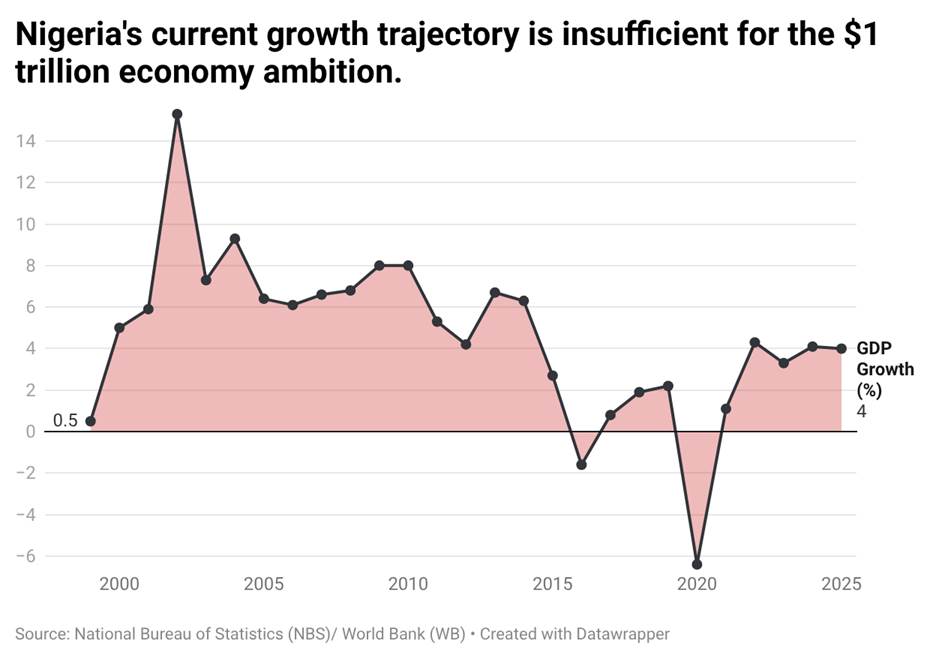
The latest economic data compel us to confront this truth. Nigeria’s nominal Gross Domestic Product stands at approximately $285 billion. By this measure, we are the fourth largest economy in Africa. But nominal GDP tells only half the story. It measures output at market exchange rates and, in a volatile currency environment, understates what Nigerians actually produce and consume.
Adjusting for the local cost of living, the picture changes dramatically. By Purchasing Power Parity, Nigeria’s economy is between $2.25 trillion and $2.4 trillion. PPP poses a simple question: what can a Naira buy in Onitsha, Kano, or Port Harcourt compared to a dollar in New York? The answer is: a lot more. Labour is cheaper. Food is cheaper. Services are cheaper. Our economy is far larger in real, lived terms than the dollar figures suggest.