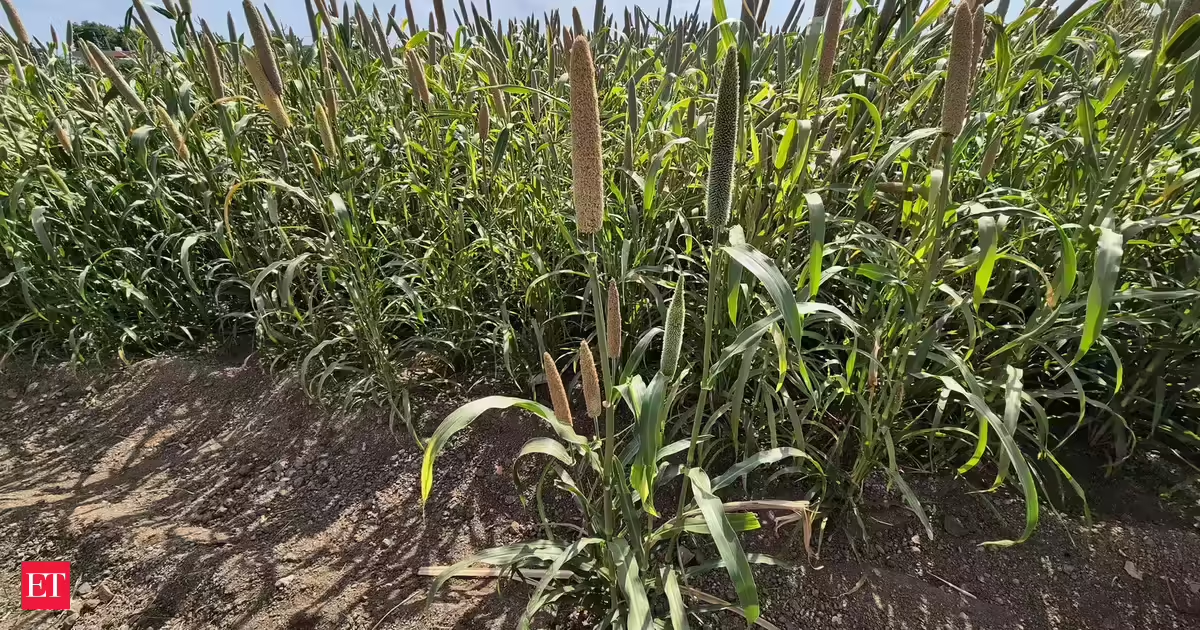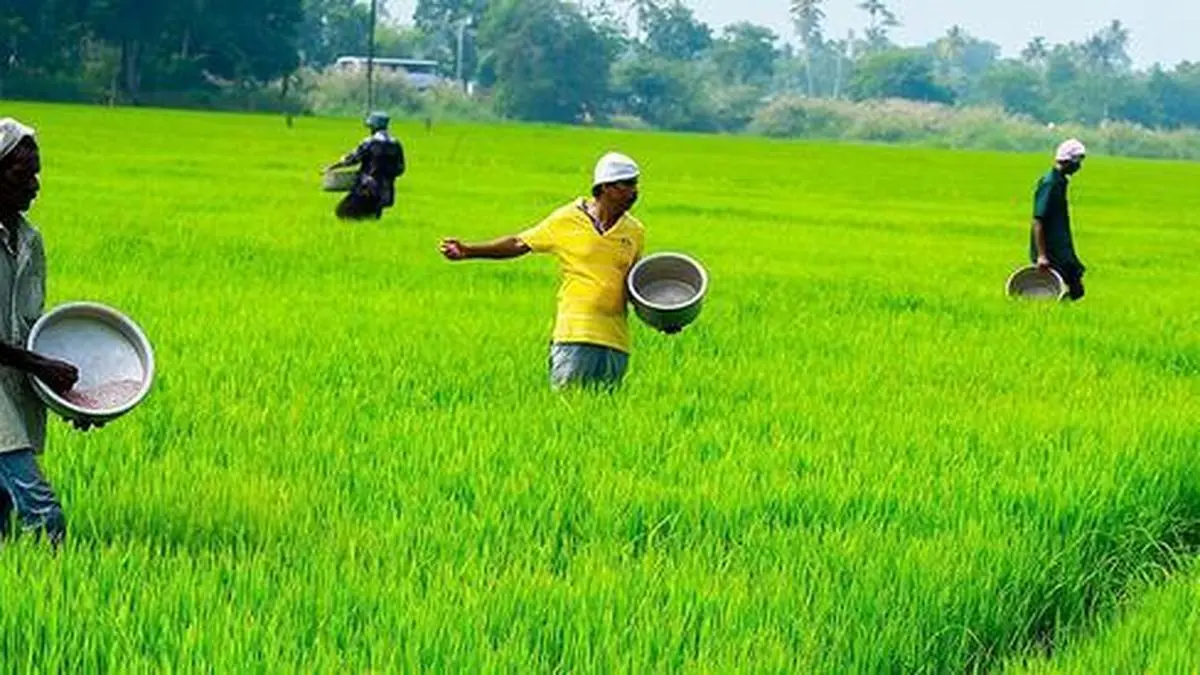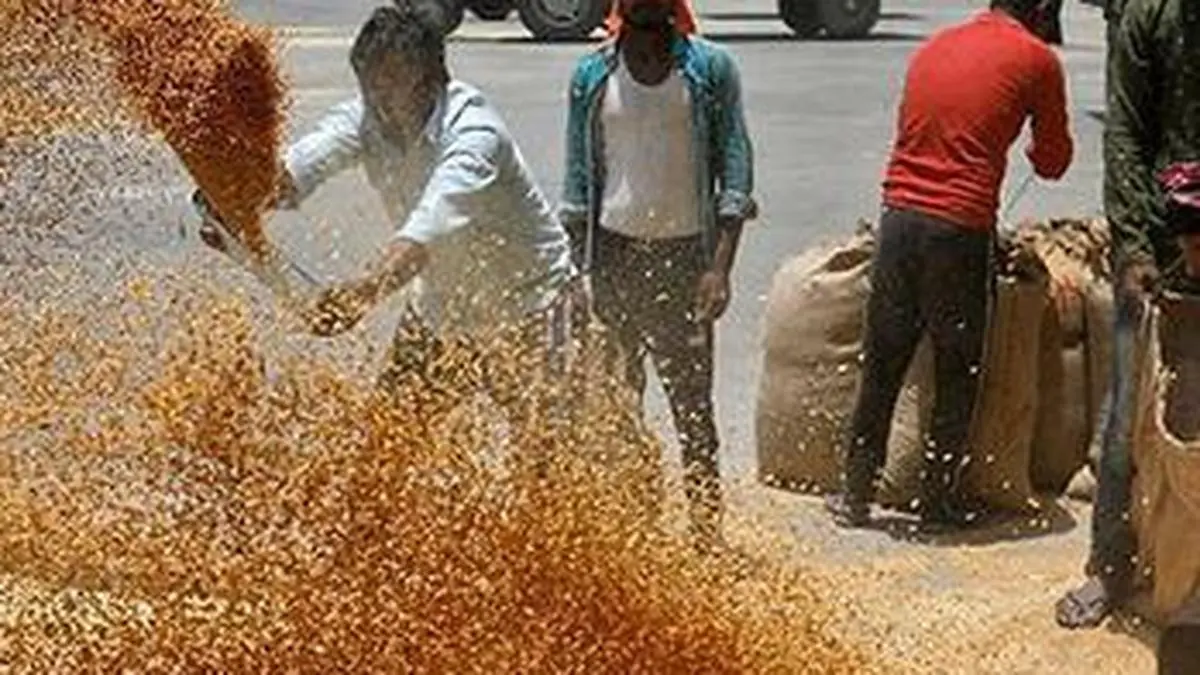
For decades, Indian agriculture has been optimised for one thing: yield.That made sense. We were a nation trying to overcome food shortages, and the green revolution helped us get there. But somewhere along the journey, we started measuring agricultural success by tonnes produced instead of nutrition delivered.Today, India has enough calories, yet we are one of the most nutrient-deficient countries in the world. Anaemia, iron, and zinc deficiency continue to affect millions of Indians, despite us eating three meals a day. In my view, this isn’t just a public health problem. It’s an agricultural one.Over the years, crop breeding has largely focused on producing more grain, improving disease resistance and increasing farm productivity. At the same time, intensive farming, repeated cultivation, and imbalanced fertiliser use have steadily reduced soil health and micronutrient availability. The result is simple: we are producing more food, but not necessarily more nutrition.Bigger opportunityThe food industry has tried to bridge this gap through fortification. Today, supermarket shelves are filled with products that promise added protein, iron, vitamins, or minerals. While fortification has an important role to play, it is still nutrition being added after the food has already been grown.The bigger opportunity lies much earlier, in the seed. That is where biofortification comes in.Unlike fortification, biofortification improves the nutritional profile of crops while they are growing. Through conventional plant breeding, scientists develop crop varieties that naturally absorb and accumulate higher levels of essential micronutrients from the soil. There is no genetic modification involved, and no nutrients are added during processing. The crop itself is naturally richer in nutrition.India has already laid the groundwork for this shift. ICAR, the country’s premier agricultural research body, has released more than 150 biofortified varieties across wheat, rice, pearl millet, sorghum, maize, and mustard. Farmers across Madhya Pradesh, Uttar Pradesh, and Bihar are already cultivating these varieties.What surprises most consumers is that biofortified wheat doesn’t look different. It cooks the same. It tastes the same. But it naturally contains roughly twice the iron and zinc compared to conventional wheat. The nutrition comes from the crop itself, not from a factory.Rare win:winToday, almost every brand claims to be healthy. Walk down any grocery aisle, and you will find protein-rich biscuits, fortified breakfast cereals, vitamin-enriched beverages and mineral-added snacks. When everyone makes similar claims, consumers will begin asking a more fundamental question: Where does that nutrition come from?Brands that can honestly say their nutrition begins on the farm and not the factory will have a meaningful advantage.Biofortification also creates a rare win-win. Farmers grow higher-value crops developed through years of agricultural research. Consumers receive everyday staples with naturally higher nutritional value. And the country moves one step closer to addressing hidden hunger without asking people to change what they eat.The future of agriculture cannot be judged by yield alone. It must also be measured by the quality of nutrition it delivers.The Green Revolution helped India feed itself. The next phase of Indian agriculture should help India nourish itself. Biofortified crops offer us an opportunity to move from calorie security to nutrition security, and I believe that is one of the most important agricultural shifts our country can make.The author is Founder & CEO, Better NutritionPublished on August 2, 2026
Why biofortified crops could shape the next phase of Indian agriculture
The next phase of Indian agriculture should help India nourish itself and biofortified crops offer us an opportunity
536 words~2 min read