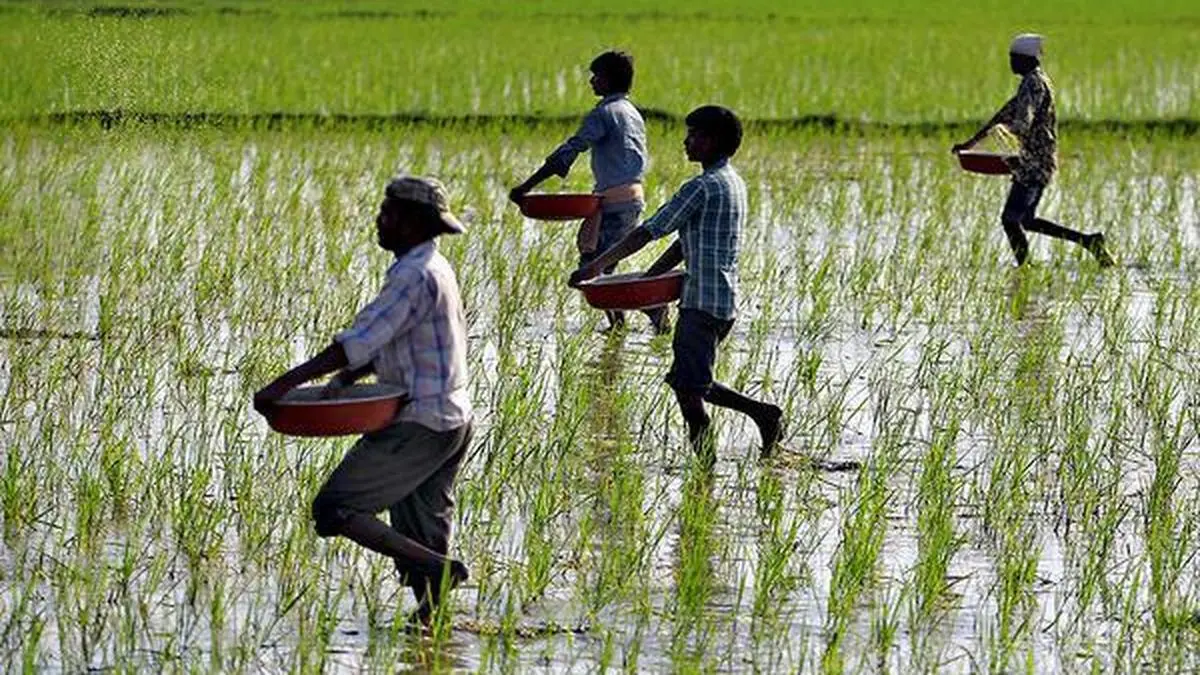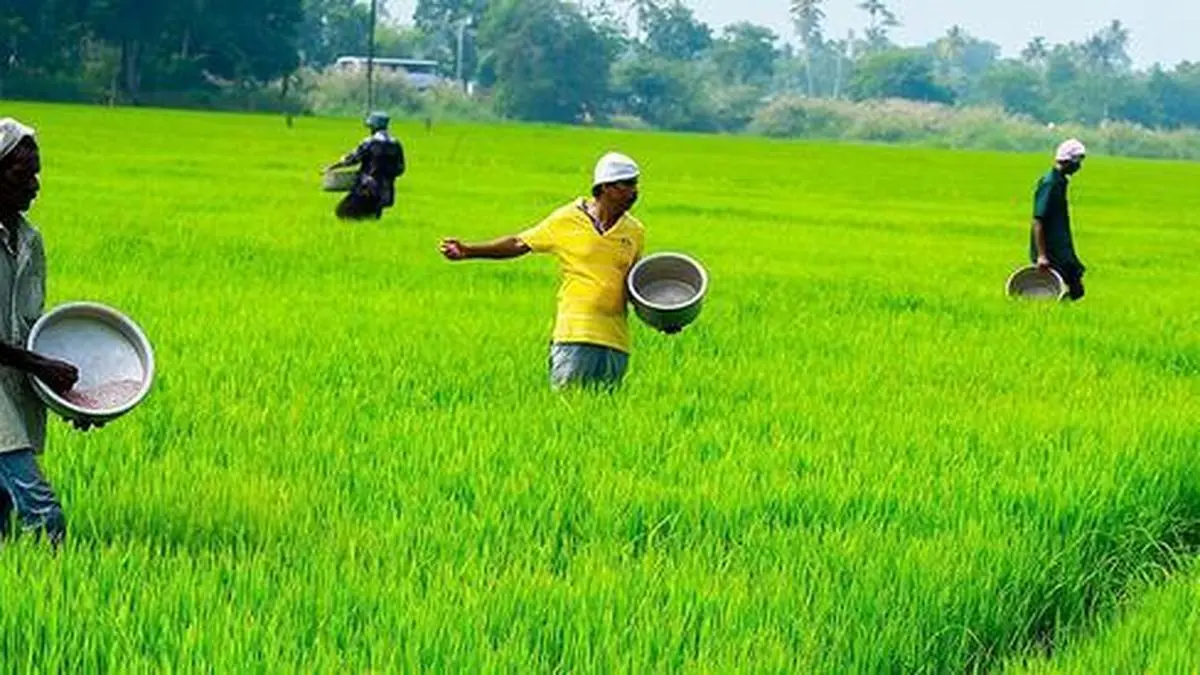
For over a century, India’s fertiliser industry has played a vital role in strengthening the country’s food security and agricultural productivity. Today, its role extends beyond nutrient production. As the industry faces growing environmental expectations and resource constraints, sustainability is becoming central to the way fertilisers are produced and to the sector’s long-term growth.The industry’s journey began in 1906 with India’s first Single Super Phosphate (SSP) plant at Ranipet. Production of major fertilisers such as urea, DAP and complex fertilisers started in 1959, 1967 and 1968, respectively. From just 0.2 million tonne during the First Five-Year Plan (1951–52), India’s fertiliser production has grown to nearly 52 million metric tonne in 2025–26.At the same time, the sector remains dependent on imported raw materials. India imports nearly 78 per cent of its natural gas, around 90 per cent of rock phosphate, about 70 per cent of ammonia used in complex fertiliser production and nearly 50 per cent of sulphur. Fertiliser manufacturing also generates emissions, wastewater and solid waste. Recognising these challenges, companies have invested significantly in pollution control systems and environmental management to ensure compliance with regulatory standards.Advancing journeyAgainst this backdrop, the industry has been steadily advancing its sustainability journey. Companies are adopting measures to improve energy efficiency, conserve water, reduce emissions and promote responsible production while supporting the United Nations Sustainable Development Goals (SDGs).Energy efficiency remains a major focus, particularly in urea production, one of the most energy-intensive industrial processes. Fertiliser manufacturers have invested in advanced process technologies, waste heat recovery systems, energy-efficient equipment and improved catalysts to optimise operations. Many plants have also shifted from naphtha, fuel oil and coal to natural gas, significantly reducing emissions while improving efficiency.The industry is also exploring the use of Artificial Intelligence (AI) and Machine Learning (ML) for predictive maintenance, process optimisation and efficient plant operations. As a result of sustained efforts over the past three and a half decades, the energy consumption of ammonia-urea plants has improved by over 36 per cent, while carbon dioxide emissions have declined by nearly 47 per cent.Another key priorityWater conservation has emerged as another important priority. Fertiliser companies have reduced weighted average water consumption by more than 60 per cent across urea and complex fertiliser plants through initiatives such as process water recycling, rainwater harvesting, reverse osmosis systems and membrane bioreactor (MBR) technology. Treated water is increasingly reused for cooling and manufacturing processes, supporting SDG 6 – Clean Water and Sanitation.Environmental compliance continues to remain a core priority. Continuous emission monitoring systems linked to pollution control authorities, cleaner production technologies and upgraded emission control systems have helped reduce emissions of ammonia, NOx, SOx and particulate matter, contributing to better air quality while supporting SDG 3 (Good Health and Well-being) and SDG 13 (Climate Action).The industry is also strengthening circular economy practices. Resources are recovered from spent catalysts, waste oil and chemical sludge wherever feasible, while plastic packaging is recycled in line with regulations. Phosphogypsum, a by-product of phosphoric acid production, is increasingly being utilised in cement manufacturing, agriculture, road construction and building materials. Wider policy support for its use could further strengthen resource efficiency and reduce legacy waste.Preparing for the futureBeyond manufacturing, fertiliser companies are also contributing to environmental conservation and community development through afforestation, green belt development, pond rejuvenation, biodiversity conservation, and CSR initiatives focused on education, healthcare, soil health, skill development and rural infrastructure. At the same time, the industry is preparing for the future by increasing the use of renewable energy, exploring energy storage solutions, and evaluating the long-term potential of green hydrogen and green ammonia. While widespread adoption will require technological advancements and supportive policy frameworks, these innovations have the potential to redefine sustainable fertiliser manufacturing.India’s fertiliser industry has continuously evolved to meet the country’s changing needs. Today, sustainability is no longer just a compliance requirement, it is becoming a key driver of efficiency, innovation and long-term growth. By embracing cleaner technologies, improving resource efficiency and aligning with the United Nations Sustainable Development Goals, the industry is strengthening its contribution to India’s food security while building a more resilient and sustainable future.The author is Director General, Fertiliser Association of India (FAI)Published on July 25, 2026
How sustainability is becoming the fertiliser industry’s defining growth strategy
Explore how sustainability is reshaping India's fertiliser industry, enhancing food security and promoting a resilient, eco-friendly future.
692 words~3 min read