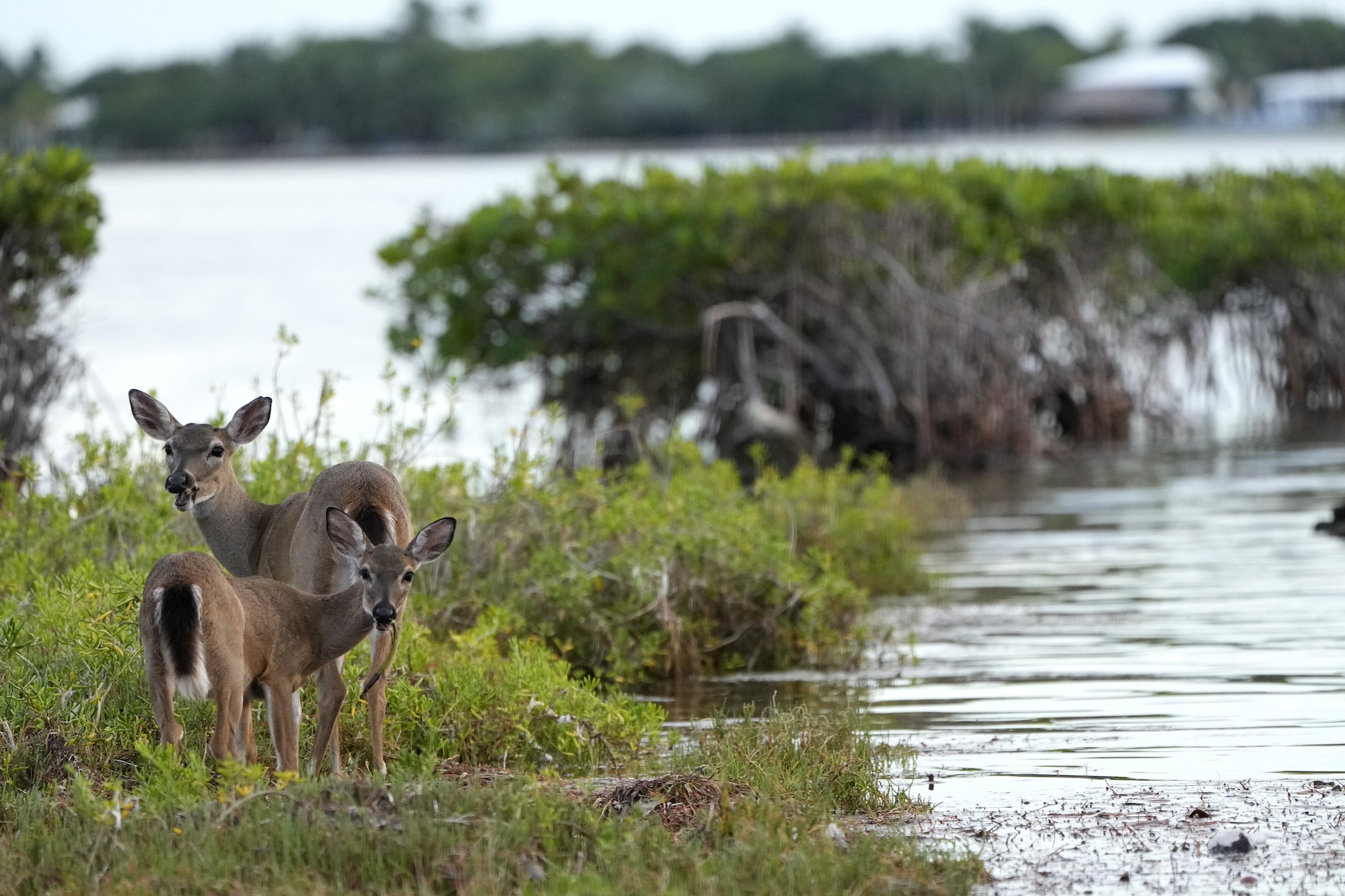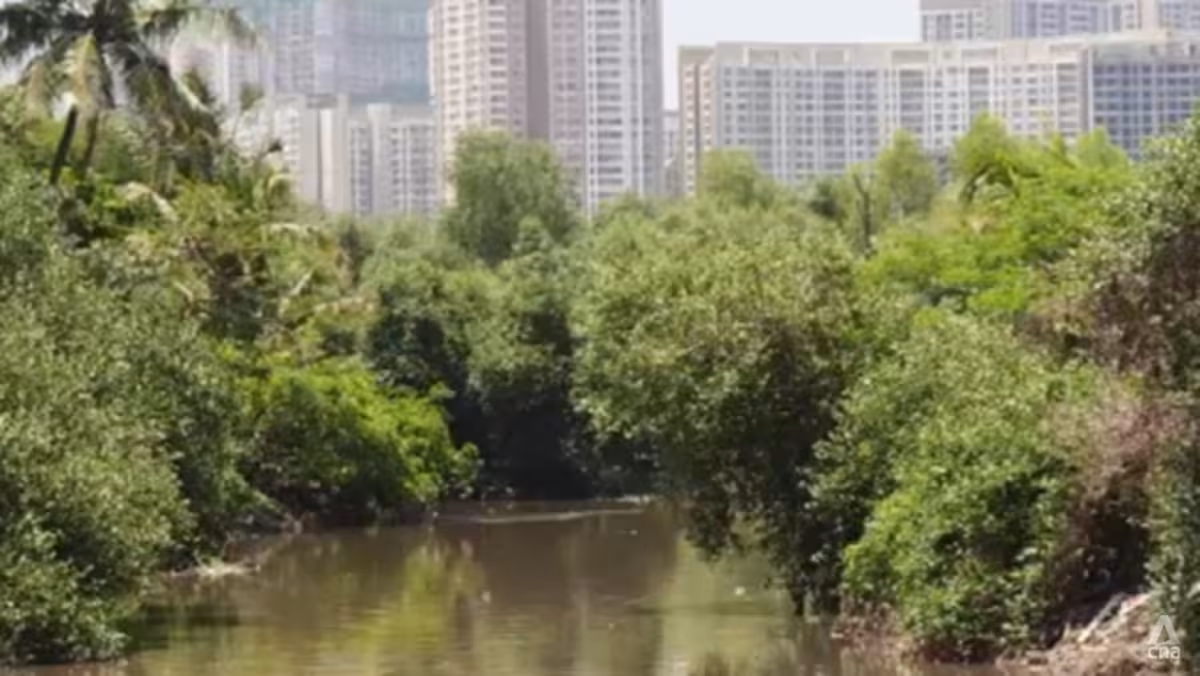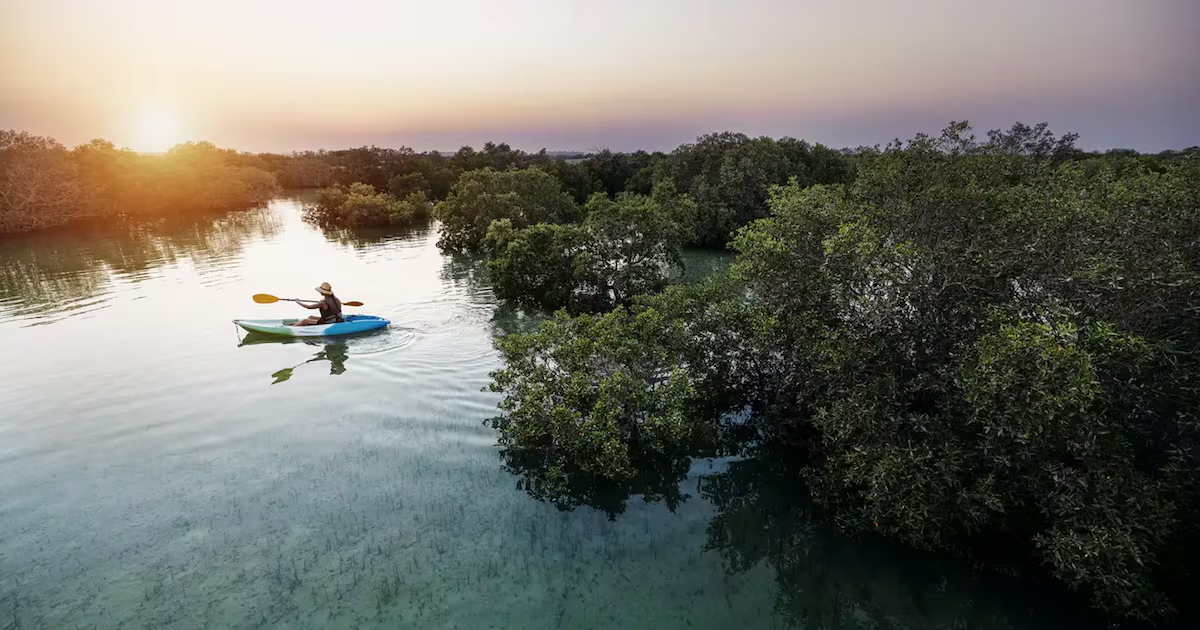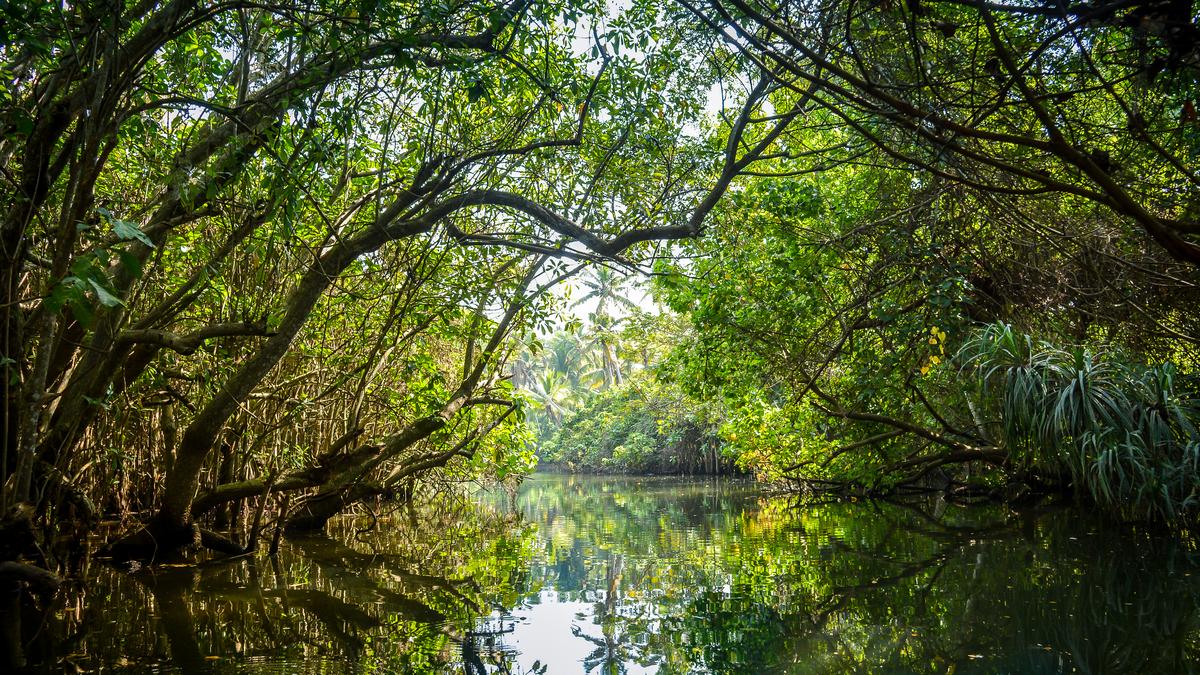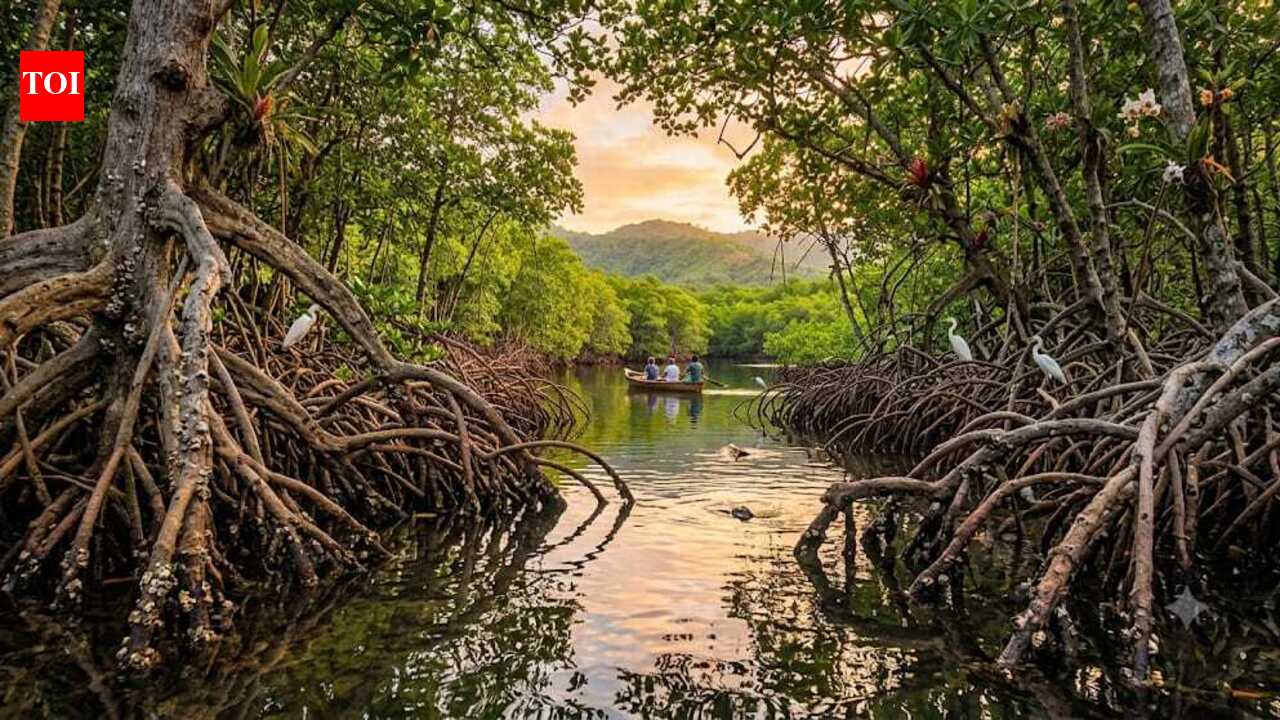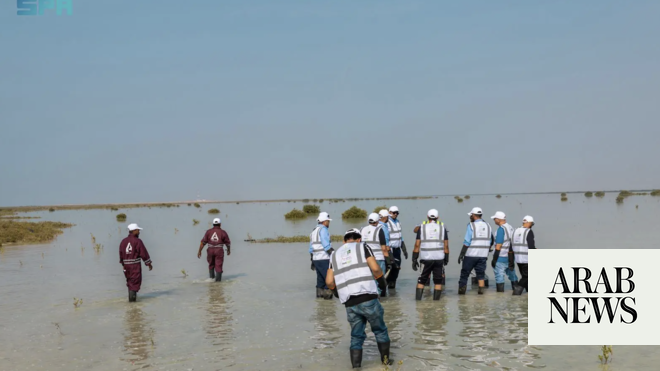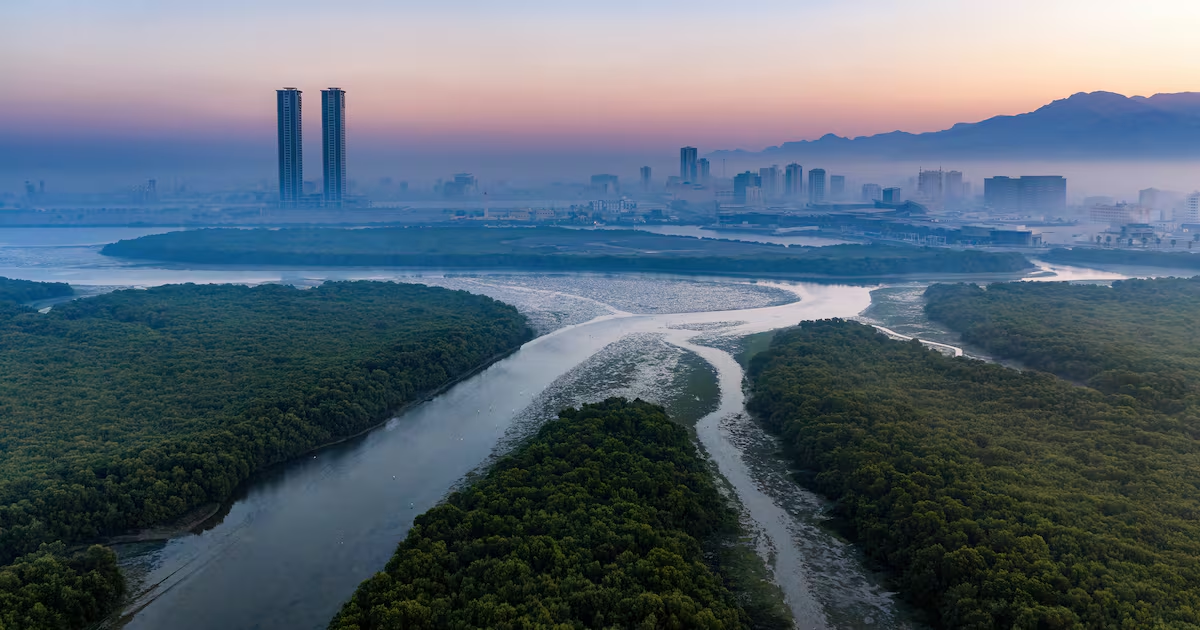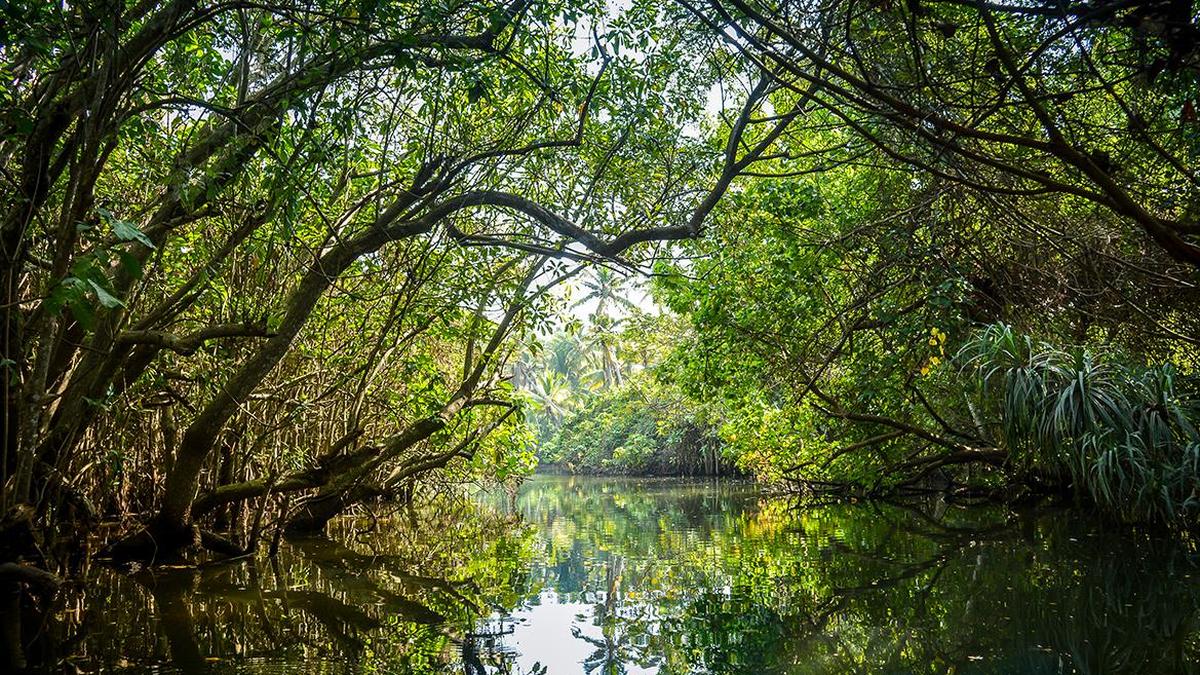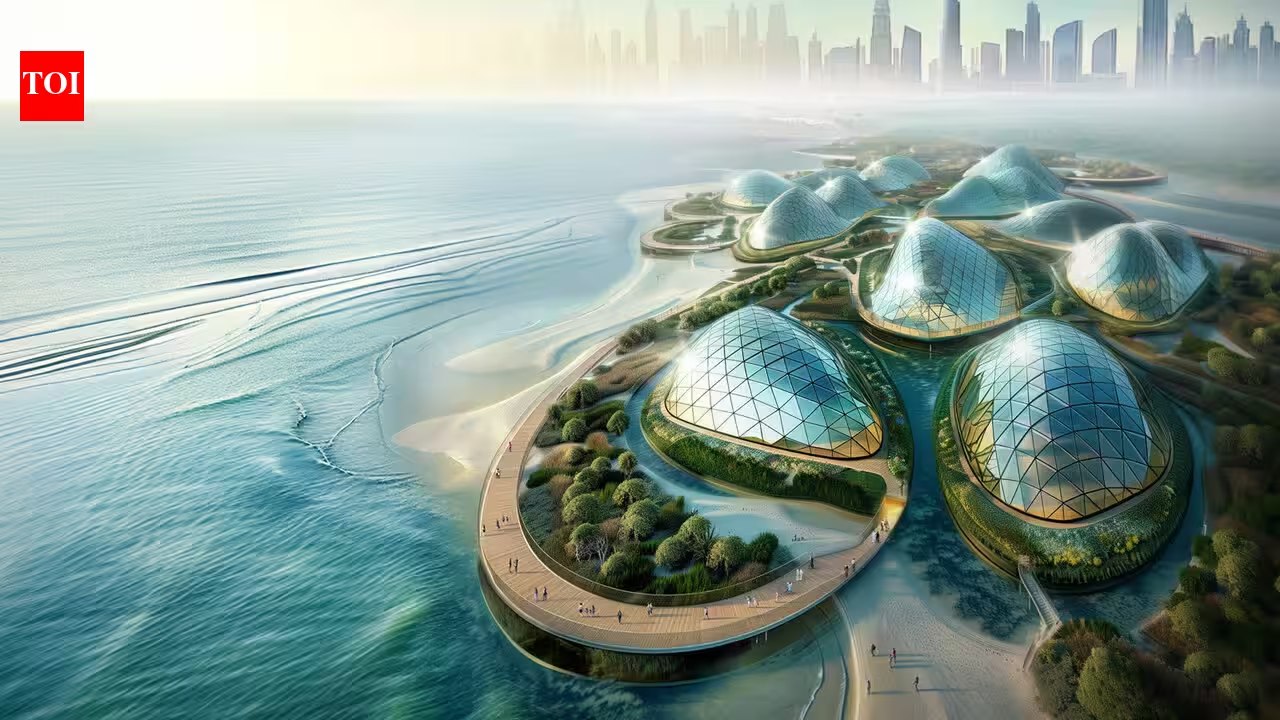
Mangroves offer natural coastal protection by reducing wave energy and stabilizing shorelines. Image Credit: URBMangroves are important natural protectors of the coast. In 2024, Dubai-based urban sustainability company URB unveiled a concept for a 72-kilometre mangrove corridor along parts of Dubai's coastline. While the proposal has not been implemented, it reflects the growing use of nature-based solutions to strengthen coastal resilience against climate change and sea-level rise.How mangroves protect coastlinesWhile concrete walls can protect against water damage, mangroves offer a natural way to protect coastlines. Mangroves have a thick network of above-ground roots that form an intricate barrier between the sea and dry land. As waves pass through these dense root systems, their energy is reduced before they reach beaches or coastal infrastructure.According to the US National Oceanic and Atmospheric Administration (NOAA), mangrove forests help stabilise coastlines and reduce erosion caused by storm surges, currents, waves and tides. They also trap sediments carried by tidal waters, helping maintain coastal shorelines.According to a study published in Scientific Reports by researchers from The Nature Conservancy and partner institutions, mangrove forests reduce flood risk for around 15 million people each year while preventing more than US$65 billion in annual flood damages.The researchers combined spatially explicit two-dimensional hydrodynamic modelling with economic models to estimate the flood protection provided by mangroves at locations around the world. They found that without mangroves, flood damages would increase by 29% for land, 28% for people and 9% for property, with particularly large benefits during tropical cyclones and the greatest national gains in the United States, China, India and Mexico.These forests significantly decrease flood risks and prevent substantial annual flood damages worldwide. Image Credit: Wikimedia CommonsMore than coastal protectionAs noted by the Dubai Environment and Climate Change Authority (DECCA), mangrove forests are important carbon sinks, storing large amounts of carbon in both their wood and waterlogged soils. In doing so, mangroves can help store carbon and support climate mitigation.Their roots also provide nursery habitat for fish, crabs, shellfish and other marine species. These habitats support fisheries, marine biodiversity and coastal food security. A 2025 mangrove planting initiative aims to plant 40,000 mangroves across Dubai's nature reserves over two years. The initiative supports the UAE's national target of planting 100 million mangroves by 2030.DECCA also notes that the Jebel Ali Wildlife Sanctuary, where the planting programme is taking place, contains mangroves, coral reefs and seagrass meadows that provide habitat for turtles, fish, reptiles and birds. The development of mangroves supports marine life, fisheries and food security of communities. DECCA says the Jebel Ali Wildlife Sanctuary includes mangroves, coral reefs and seagrass meadows that provide habitat for turtles, fish, reptiles and birds.Can mangroves replace seawalls?Mangroves are effective, but they do not fully replace conventional coastal defences. Restoring mangroves can significantly reduce coastal risks while providing benefits that engineered structures cannot, including carbon storage, wildlife habitat and improved water quality. However, in densely populated urban areas, mangroves are typically used alongside seawalls and other engineered defences rather than replacing them entirely.The effectiveness of mangroves also depends on factors such as tides, wave conditions and the size of the mangrove forest. Conserving existing mangroves is generally more effective and less expensive than restoring them after they have been lost.A rising importance of nature-based solutionsURB’s mangrove corridor of 72 kilometres in length is still an idea, but it is another example of the current global trend of resorting to nature in order to improve climate adaptation and resilience. In contrast to engineering infrastructure, ecosystems are capable of growth, carbon storage and biodiversity support. In case of implementation, Dubai’s mangrove corridor would assist in coastline protection and marine habitat conservation.
In 2024, a Dubai developer proposed a 72-km mangrove wall with 100 million trees: Why their tangled roots would shield beaches from waves and erosion
Mangroves are important natural protectors of the coast. In 2024, Dubai-based urban sustainability company URB unveiled a concept for a 72-kilometre mangrove corridor along parts of Dubai's coastline.
605 words~3 min read