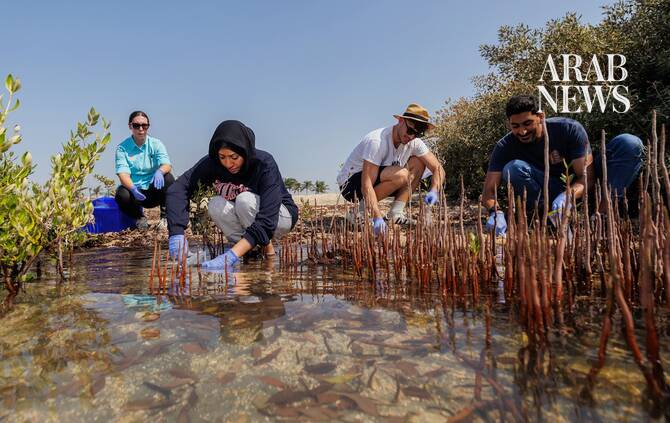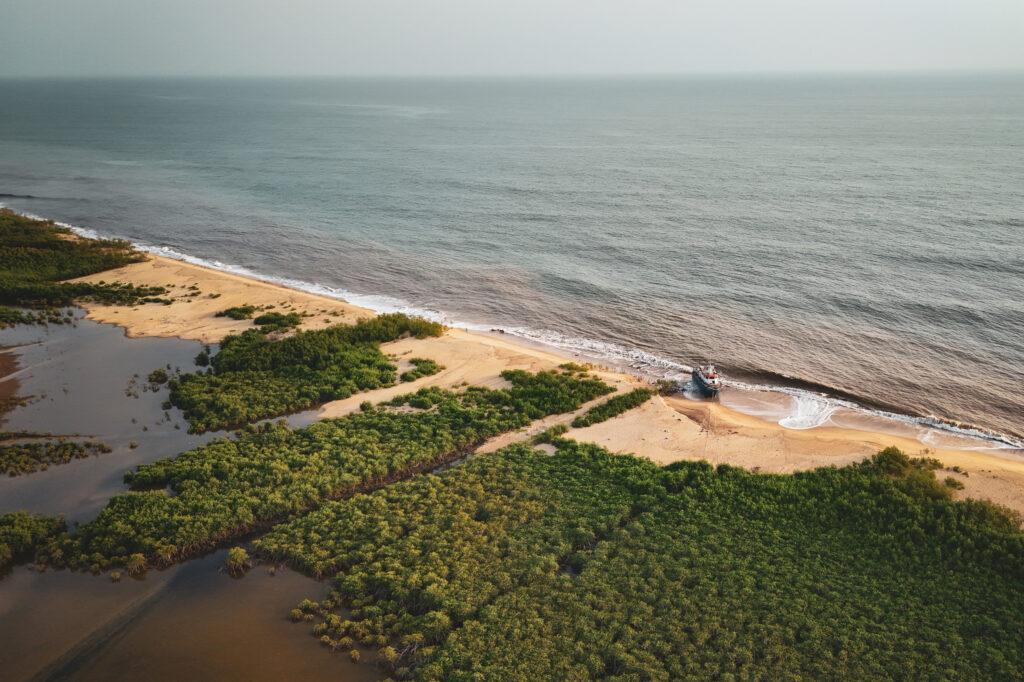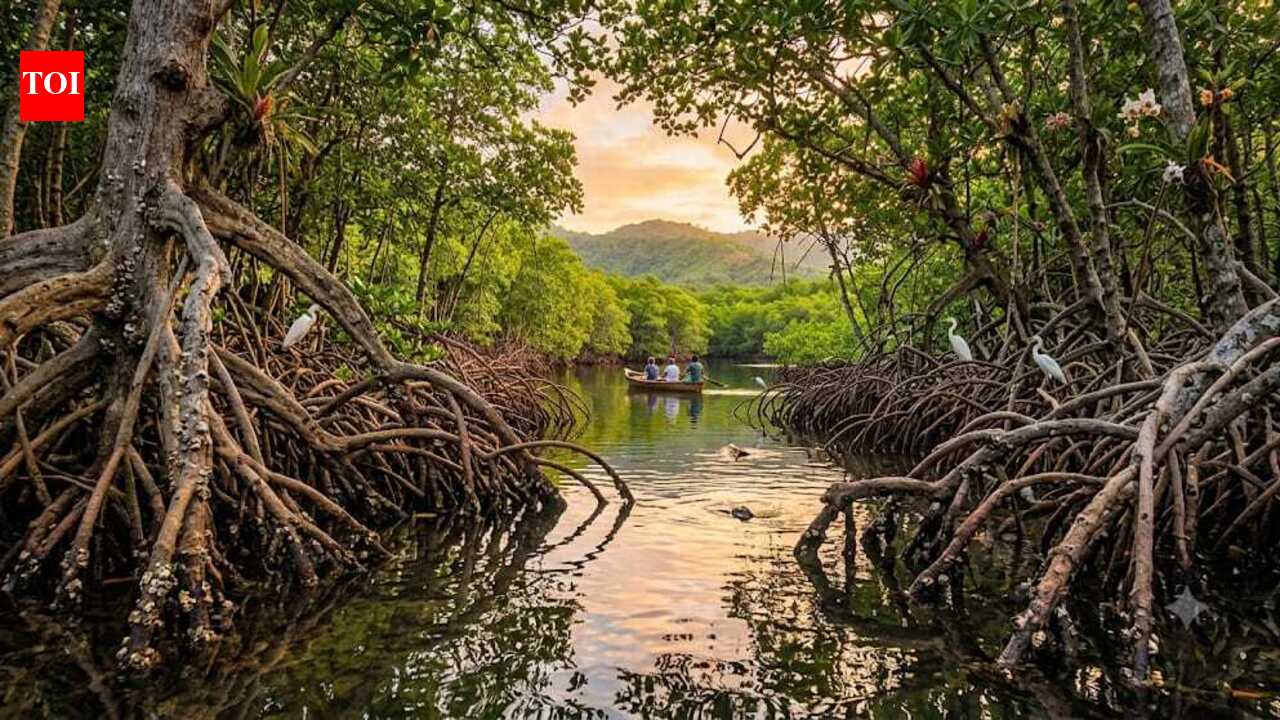
Mangrove forests occupy only a tiny fraction of Earth's land surface, yet they are among the planet's most valuable ecosystems.
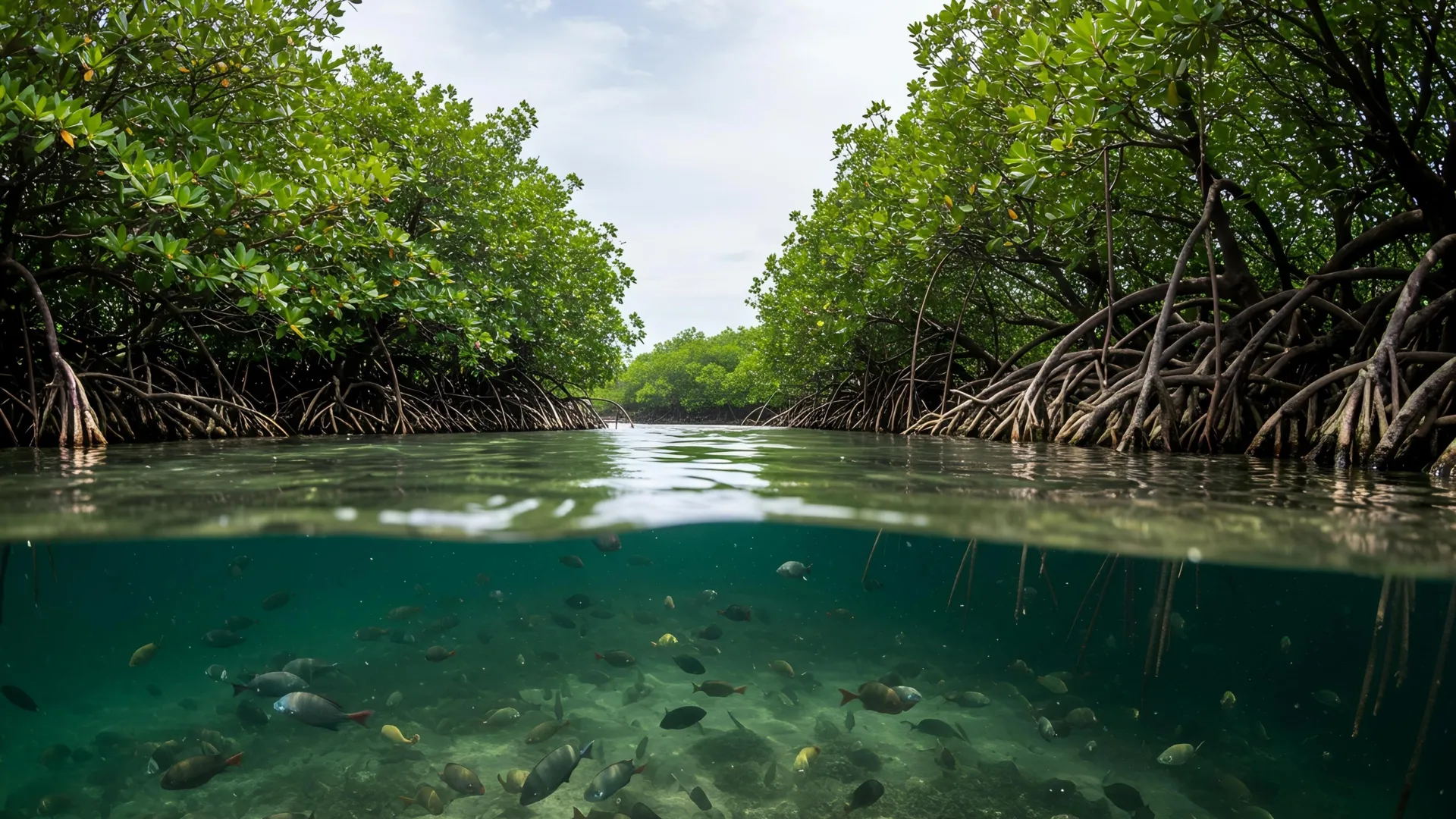
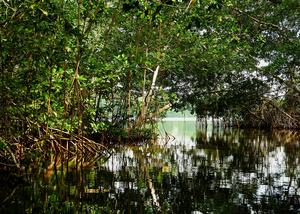
Growing where land meets the sea, these salt-tolerant trees form dense coastal forests that shield shorelines from storms, provide nurseries for marine life and lock away enormous amounts of carbon.
Their exceptional ability to capture and store carbon has earned them the nickname "blue carbon forests", making them one of nature's most powerful allies against climate change.
Scientific research from The University of Queensland shows that mangrove ecosystems can sequester around four times more carbon than terrestrial forests.
As the world marks World Mangrove Day, scientists are drawing renewed attention to these extraordinary ecosystems, whose ecological importance extends far beyond the coastlines they inhabit, supporting biodiversity, protecting coastal communities and playing a critical role in regulating Earth's climate.Why mangroves are among Earth's most powerful natural climate defenders Mangrove forests are among the world's most effective natural coastal defence systems because they simultaneously reduce flood risk, stabilise shorelines and store vast amounts of carbon.