Saudi mangroves prove resilient as scientists highlight role in climate, biodiversity
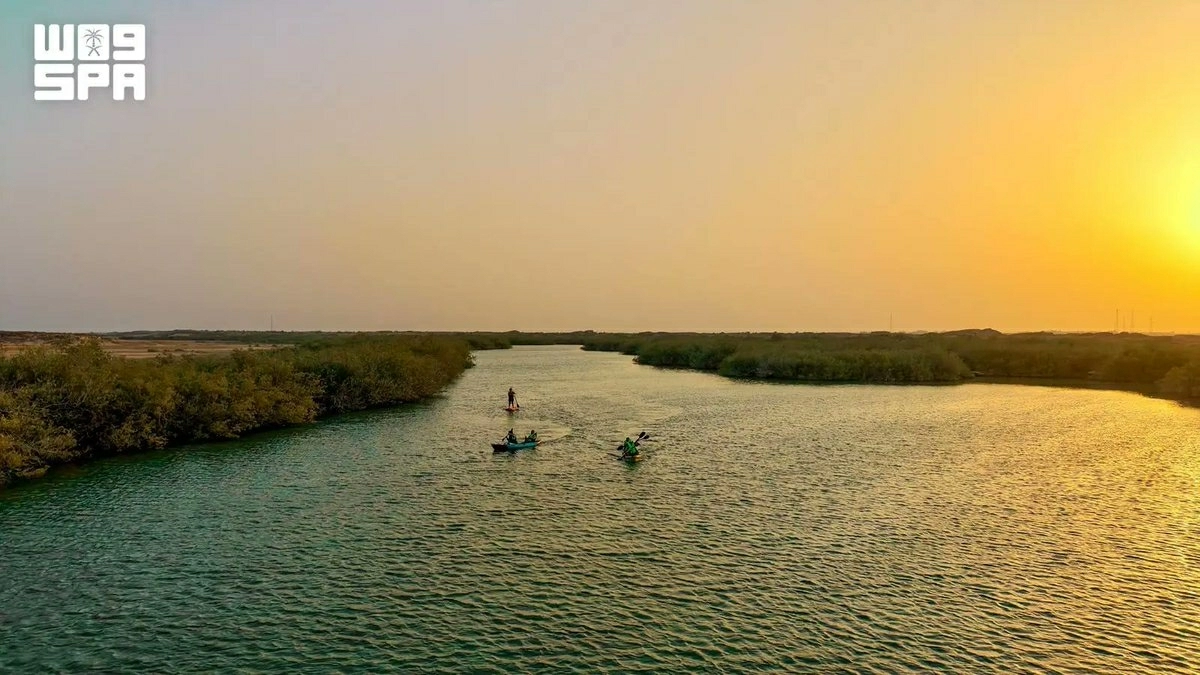
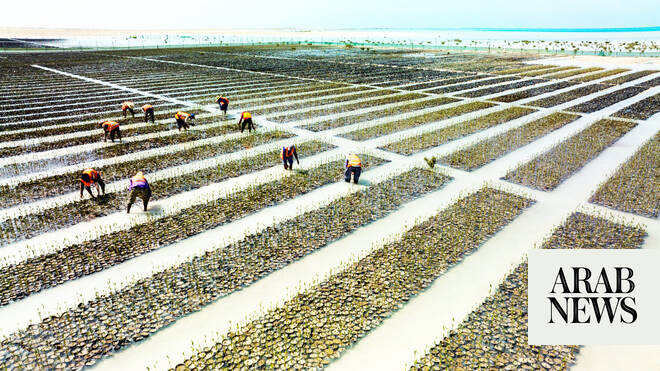
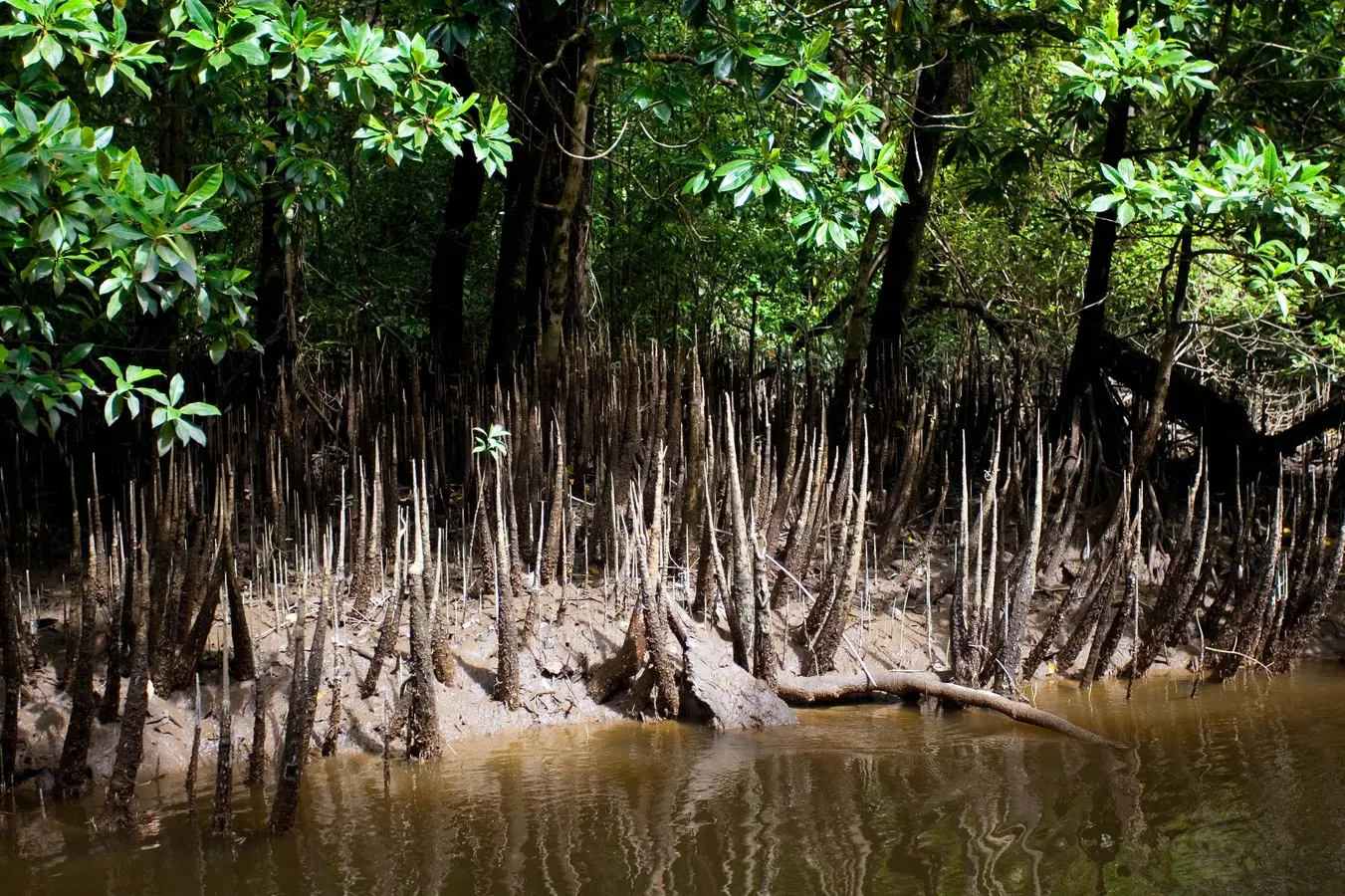
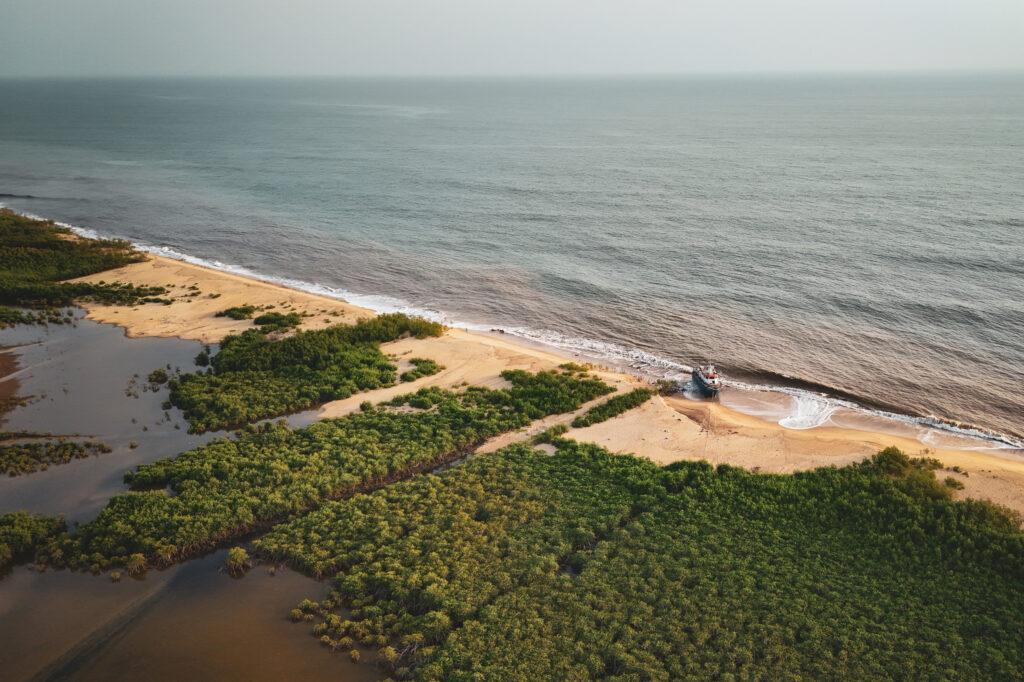
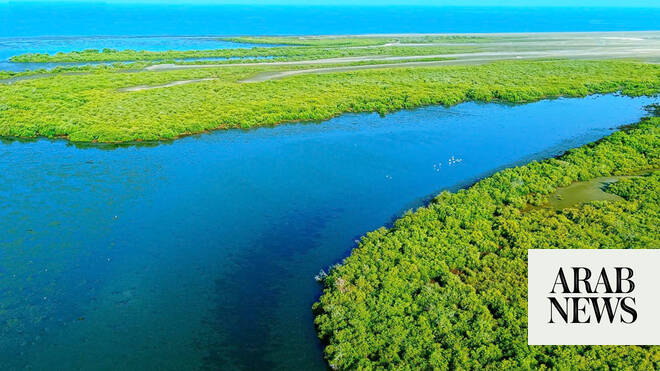
JEDDAH/RIYADH: Saudi Arabia’s mangrove forests are doing far more than lining the Kingdom’s coastlines. Scientists say these resilient ecosystems store significant amounts of carbon, support marine biodiversity, and provide natural protection against coastal erosion, making them an increasingly important part of national conservation efforts.
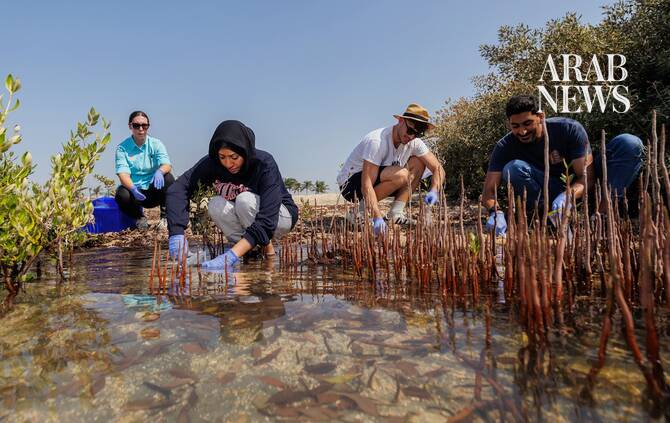
As the Kingdom marked the International Day for the Conservation of the Mangrove Ecosystem on July 26, researchers said mangroves should be viewed not simply as trees but as interconnected living systems that support climate resilience, fisheries, biodiversity, and shoreline protection.
“The story here isn’t loss, it’s resilience,” marine ecology consultant Taiba Alamoudi told Arab News of Saudi Arabia’s mangrove forests. “And that’s worth protecting, because mangroves do a lot for their size.”
Mangroves are among the world’s most effective natural carbon stores. They capture carbon from the atmosphere and retain much of it for long periods in their roots, coastal mud, and sediments — a process known as blue-carbon storage.