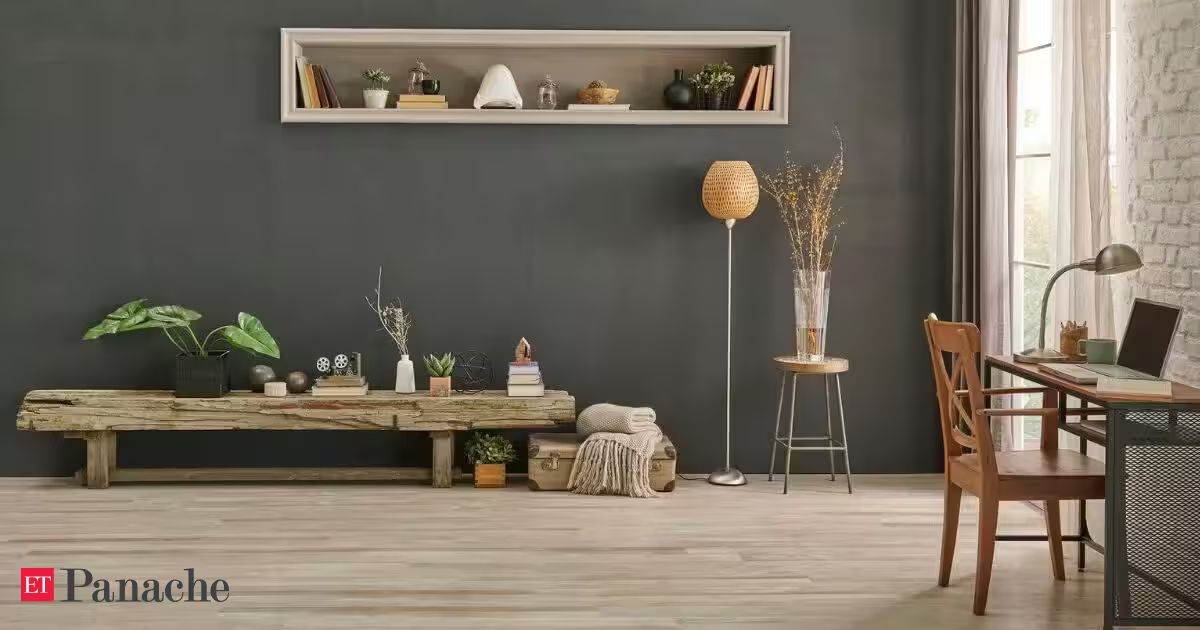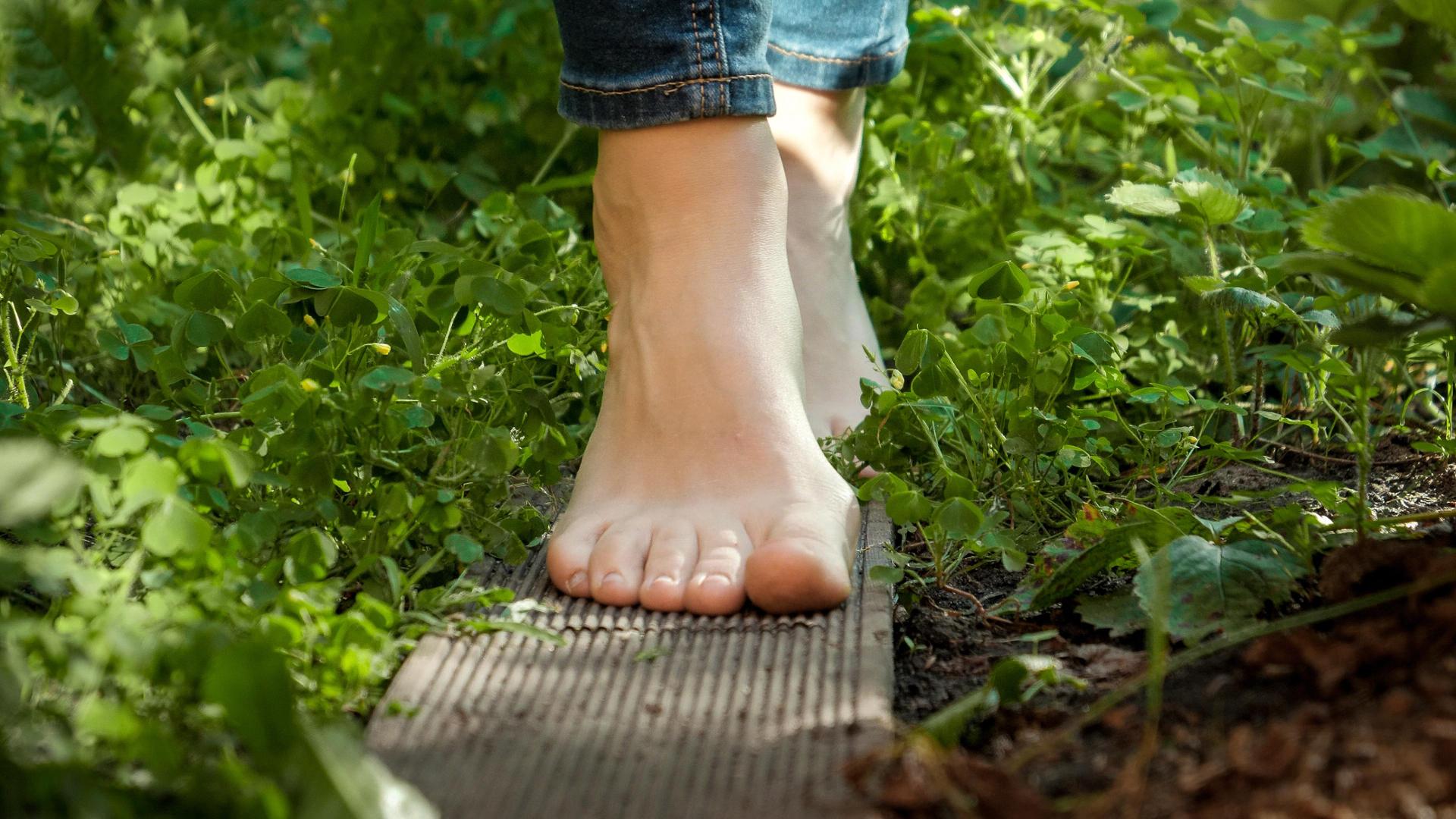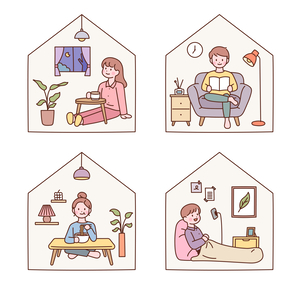
(123rf) Like in countries all over the world, Koreans have unique features concerning their style of living. These features are particularly on display at home, meaning it would be wise for a foreign visitor to know a thing or two about Korean homes before dropping in.From sharing food to sitting on the floor and, of course, taking off the shoes, here are some of the things Koreans do in the comfort of their own homes.Sitting on the floorWhile Koreans also use elevated furniture like chairs, sofas and beds, it is common to spend most of the time sitting on the floor as well. In a household with multiple people, some would sit on the sofa while others sit on the floor when they gather to watch TV or just chat.This is because no shoes are allowed inside the home. All residents and guests are expected to leave their shoes near the door, and people routinely dust and mop the home to prevent health hazards from spending a lot of time close to the floor.The sitting culture is closely linked to historic use of the ondol underfloor heating system. A traditional Korean house would have spaces under the floor connected to the stove and furnace, meaning you could use the fire to prepare a meal while heating the house.While the ondol of days past itself is no longer used in modern homes, Korean homes typically use hydronic floor heating that runs through water pipes. The rooms are heated from the ground up, giving greater incentive to spend more time on the floor during freezing winters.It is believed that the floor-sitting culture spread across the country from the 17th century, when the ondol system came into wide used among common people.Koreans generally walk around their home barefoot, but it is becoming increasingly common to wear soft slippers made of cotton or microfiber indoors. This is to minimize noises for downstairs neighbors, as interfloor noise has become a common issue leading to quarrels and even violence in some extreme cases.Such indoor slippers, however, are not to be used interchangeably with the rubber slippers typically found in the bathrooms.Many people prefer to eat on the floor as well, using a low-rise folding table that they place their meals on.Eating out of the same potWhen it comes to dining culture, several Korean dishes are shared by multiple people. Stewlike jjigae and Korean-style hot pot jeongol are some of the dishes at the heart of the food-sharing culture.You will find that several Koreans eat out of the same bowl or pot. Some people attribute this to "jeong," the Korean term meaning affection toward others, but it is due to practicality in most cases: fewer dishes to wash; fewer plates and bowls to set.But this is a tradition that is becoming less common across the country due to obvious sanitary concerns. When eating jeongol, more people now use a ladle and small bowls to scoop their own share, ensuring that the food in the pot stays clean.It is likely that your Korean host would not expect you to eat out of the same pot, given that a lot of Koreans are aware that such a habit may inconvenience a guest from abroad.Koreans in the past were far less concerned about sanitary issues related to sharing a plate, pot, bowl or even a glass. Even sharing drinking glasses had been a common practice up until the 1990s.But surveys show that this custom was already disappearing by the mid-2010s. A 2015 survey by Gallup Korea showed that only 11 percent of respondents did it, down from 36 percent in 2002 and 39 percent in 1994.There still may be some — likely an older person — offering you to drink out of his or her glass. While you may not prefer this style of drinking, just remind yourself that person is doing it out of goodwill.Dining mannersAs in many other countries, it is rude to make excessive noise while eating.Although it is not strictly forbidden, some Koreans consider it rude to eat while holding up your bowl of rice or soup. This is the opposite of the Japanese style, where people hold the bowl close to the mouth. Kimchi (123rf) It is considered respectful to wait until the oldest person, or whoever has the highest social status at the table, starts eating. People placing great importance on tradition may take issue with someone holding the chopstick and spoon in the same hand, eating while walking or placing an elbow on the table.It is generally considered rude to pick at the food too much with one's own chopsticks when sharing a dish.A traditional Korean manner had been to leave a small amount of food on the table or in the bowl, indicating that the host prepared more than enough. This is no longer an issue for most Koreans, so you are likely safe to finish your share. Some hosts would consider it a compliment of their cooking if you asked to have more.It is, of course, advisable for guests to compliment the host for the quality of the food and not criticize it. If you cannot finish, explain how the food is excellent, but you are too stuffed to eat anymore.
Shoes off, please: What to consider when visiting a Korean home
Like in countries all over the world, Koreans have unique features concerning their style of living. These features are particularly on display at home, meaning
870 words~4 min read