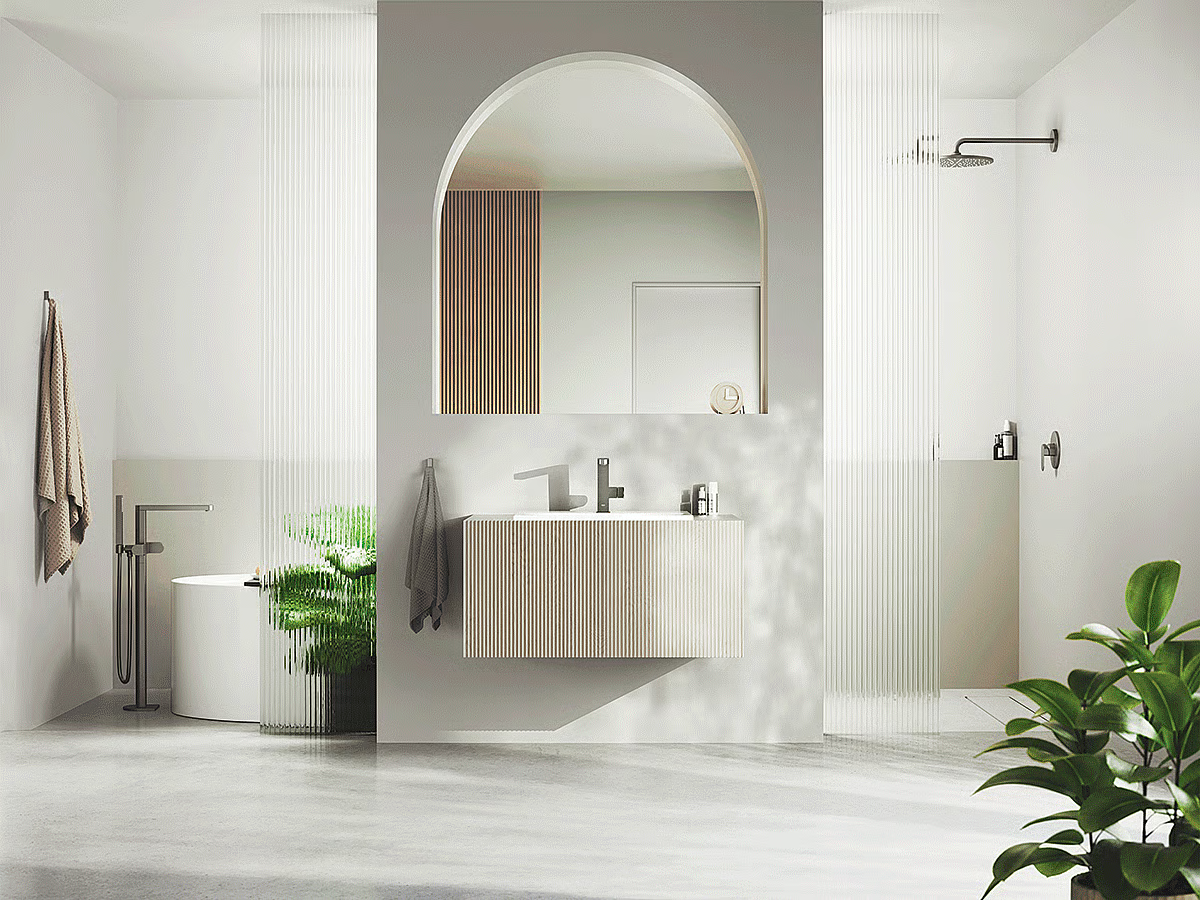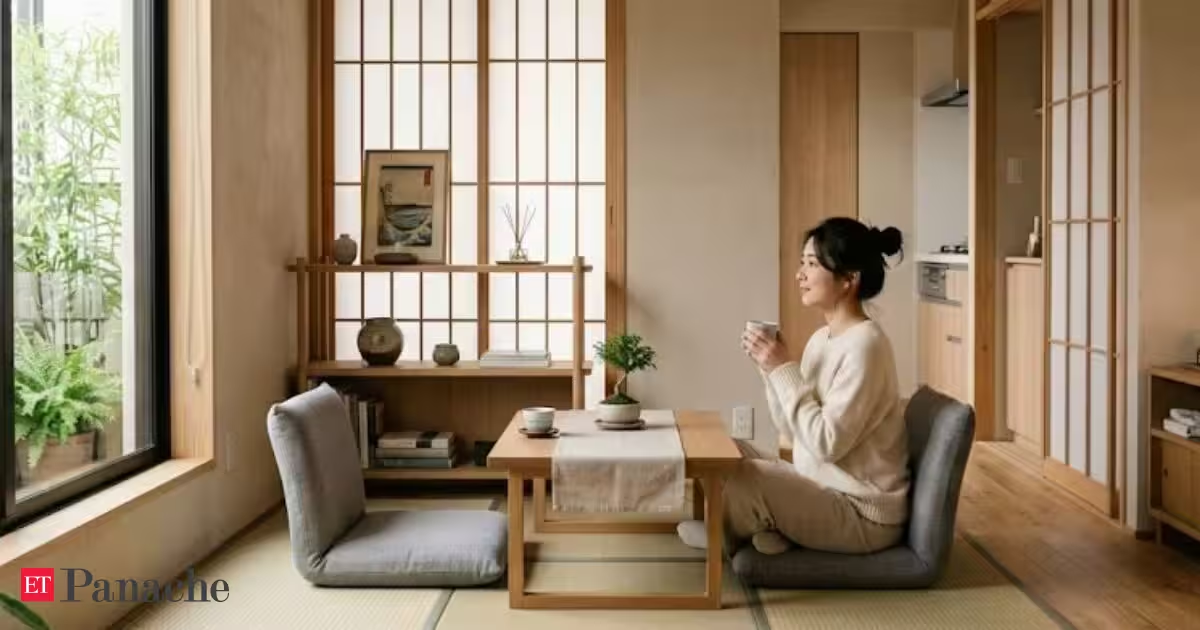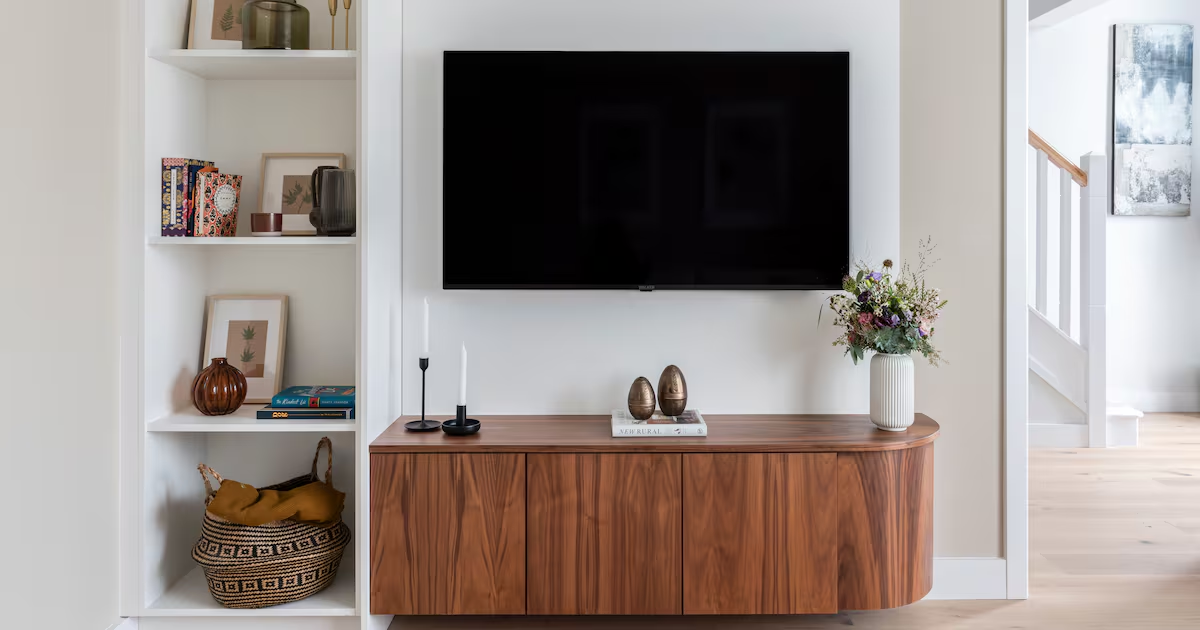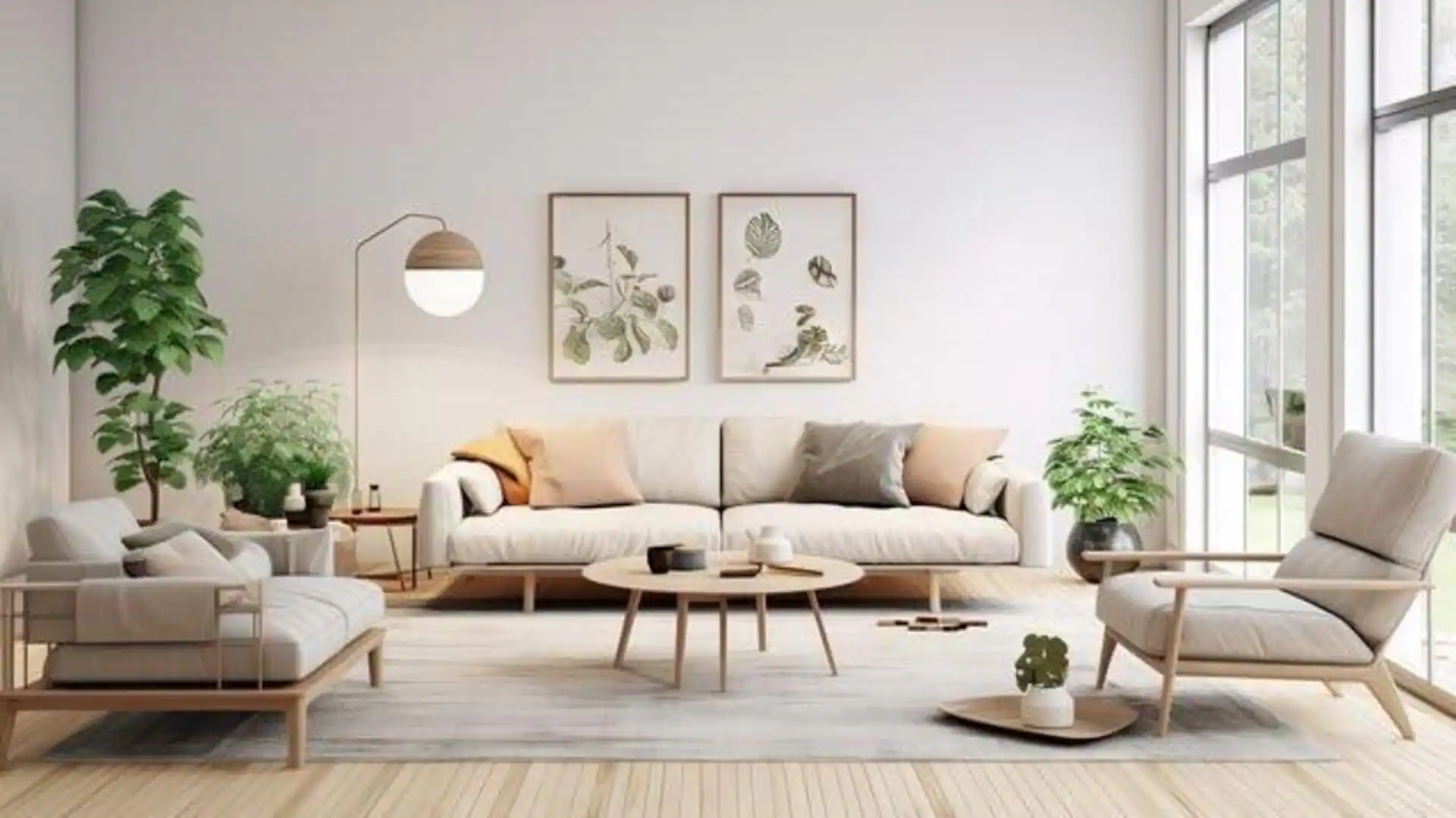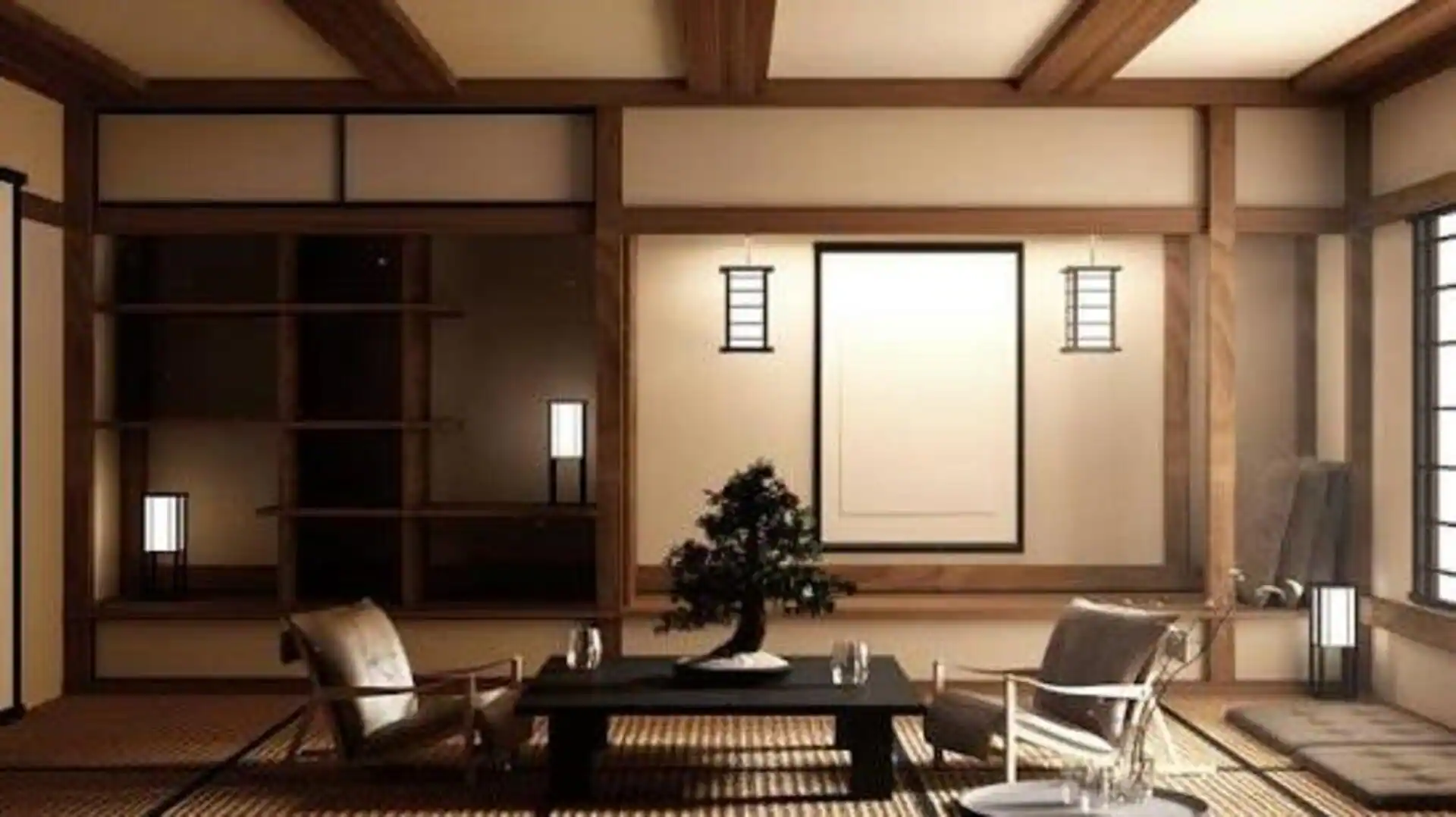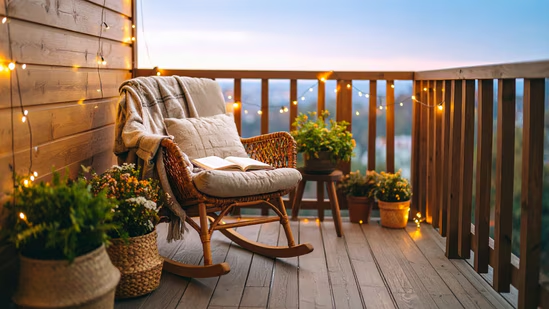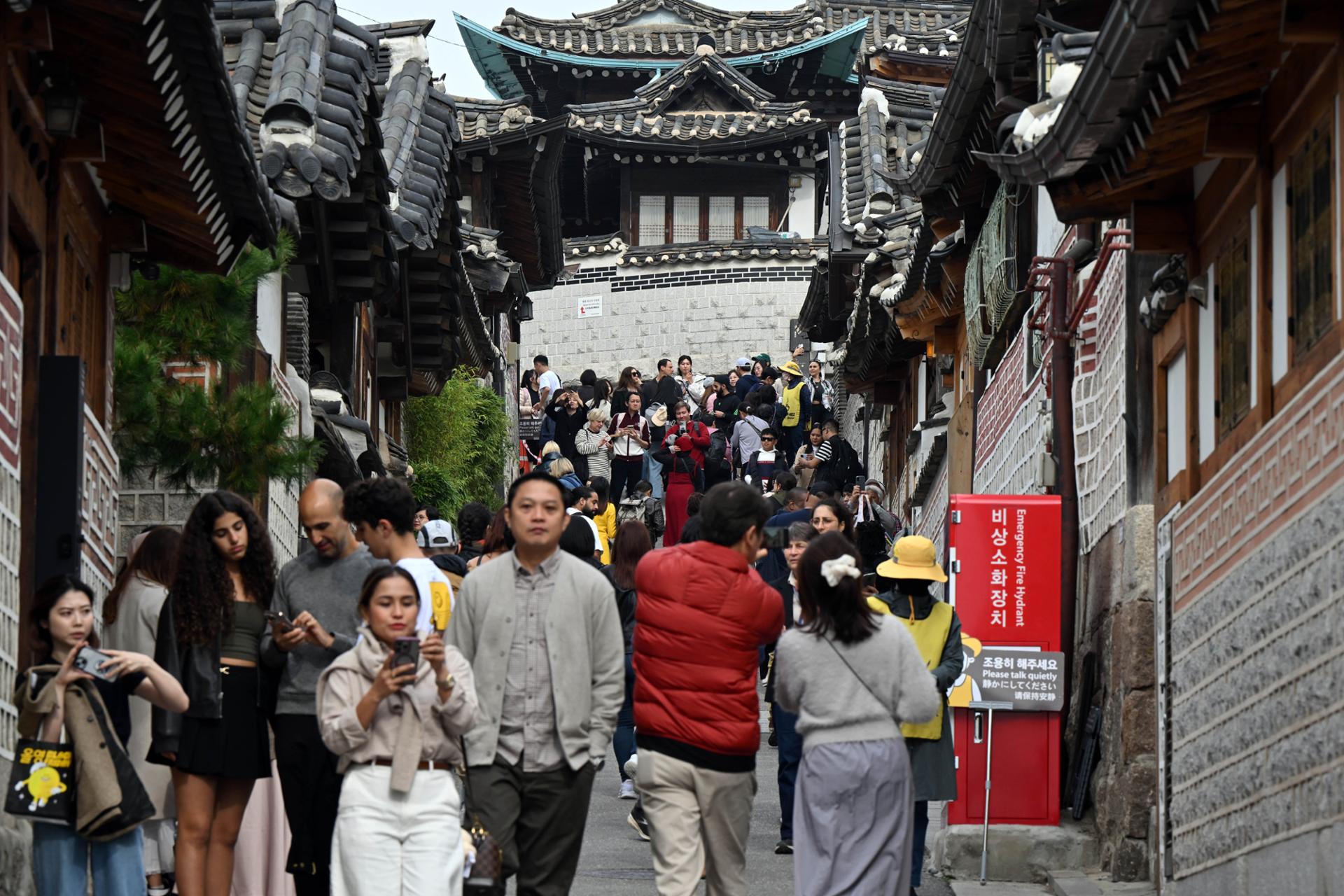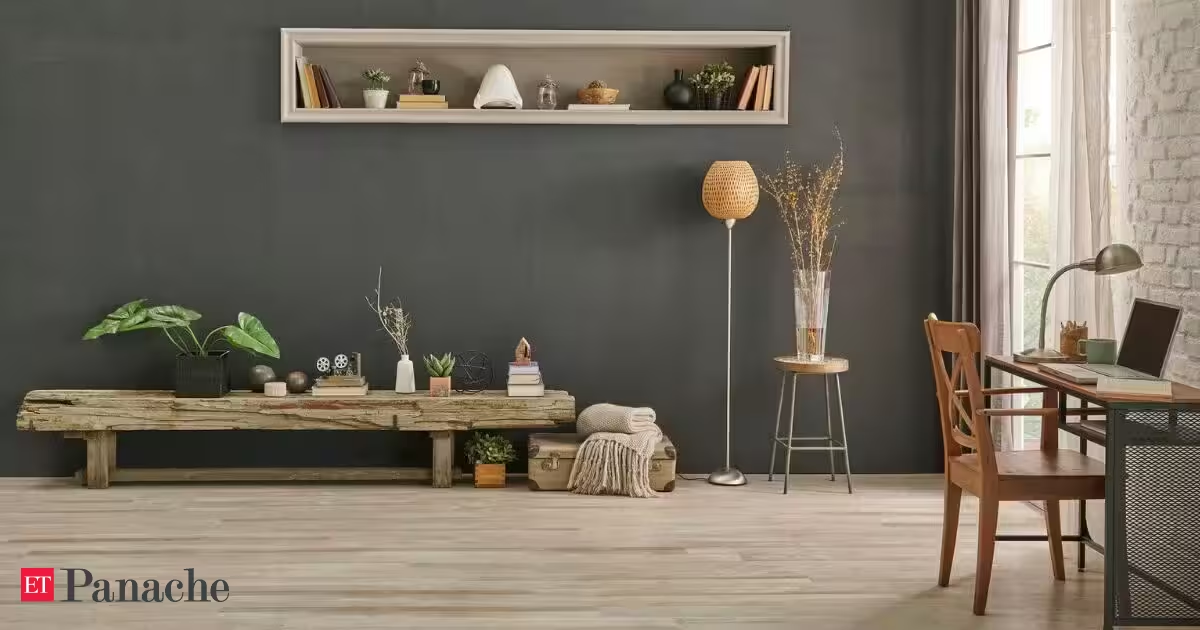
Korean homes have gained global attention for their calm, minimalist and thoughtfully designed interiors. Unlike styles that focus only on decoration, traditional Korean home design often revolves around creating harmony between people, nature and the space they live in. From the philosophy of hanok architecture to modern ideas of simplicity and mindful living, Korean-inspired interiors focus on balance, natural materials, functionality and a sense of calm.Here are some Korean concepts that can help transform your home into a more peaceful and inviting space- Embrace the philosophy of Hanok: Bring nature indoorsOne of the biggest influences on Korean home design comes from Hanok, the traditional Korean house. Hanok architecture is built around harmony with the surrounding environment. Traditional homes were designed to work with nature rather than against it, using materials such as wood, stone, clay and paper.A key feature of hanok design is the connection between indoor and outdoor spaces. Courtyards, large windows and open layouts allow natural light, fresh air and views of nature to become part of everyday life.You can bring this idea into modern homes by:You Might Also Like:- Adding indoor plants and natural textures- Using wooden furniture and earthy materials- Creating open spaces near windows- Allowing natural light to become a design element Practice Korean minimalism: Keep only what adds valueModern Korean interiors often reflect a minimalist approach, but it is not about having an empty home. Instead, it focuses on intentional choices. The concept is similar to simple living, where every object has a purpose and contributes to the atmosphere of the home. Rather than filling rooms with decorations, Korean-inspired homes often use fewer but meaningful pieces. A carefully chosen lamp, artwork or ceramic object can become the centrepiece of a room.You Might Also Like:Try this approach by:- Removing unnecessary clutter- Displaying a few meaningful objects instead of many decorations- Choosing quality over quantity- Keeping surfaces clean and organisedUse the Korean concept of "Yeobaek": The beauty of empty spaceA major idea in Korean aesthetics is Yeobaek, which refers to the beauty and importance of empty space.You Might Also Like:Similar to the Japanese concept of Ma, Yeobaek suggests that empty areas are not wasted. They allow objects, architecture and people to breathe. In home décor, this means avoiding overcrowding a room. Leaving some walls, shelves and corners open can make a space feel calmer and more balanced.Ways to apply Yeobaek:- Leave breathing room between furniture pieces- Avoid filling every shelf- Use open layouts where possible- Let one beautiful object stand out instead of displaying many items togetherAdd Ondol-inspired warmth to your homeTraditional Korean homes are known for Ondol, an underfloor heating system that has existed in Korea for centuries. Ondol reflects the Korean preference for warm, comfortable and family-oriented spaces. Traditionally, people sat, ate and rested close to the floor, making the home feel connected and communal.While modern homes may not have traditional underfloor heating, you can recreate the feeling through:- Soft rugs- Floor cushions- Low seating arrangements- Warm lighting- Comfortable textilesThe goal is to make the home feel like a place to relax, not just a place to display décor.Bring in natural materials and earthy coloursKorean interiors often favour a connection with nature. Traditional Korean aesthetics use materials such as wood, bamboo, stone and handmade ceramics. Colour palettes are usually soft and calming, including:- Warm whites- Beige- Light wood tones- Soft greys- Muted greensThese colours create a peaceful environment and allow natural textures to become the focus.Create a "Jip" that feels like a sanctuaryIn Korean culture, the word jip means house or home, but the idea of home goes beyond a physical structure. A home is seen as a personal space that reflects comfort, relationships and emotional well-being. This idea encourages people to design spaces based on how they want to feel rather than simply following trends.Instead of asking: "How can I make my home look expensive?" A Korean-inspired approach asks: "How can I make my home feel peaceful?"Use Korean storage wisdom: Hidden organisationKorean homes often balance minimal appearance with practical storage. The goal is to keep daily essentials accessible while maintaining visual calm.Modern Korean interiors frequently use:- Built-in storage- Multi-functional furniture- Closed cabinets- Organised drawersThis creates a clean appearance without sacrificing functionality.Transform your home with Korean-inspired designKorean home décor is not just about aesthetics. It is about creating a space that supports everyday living. Concepts like hanok-inspired natural design, Yeobaek's appreciation of empty space, Ondol's warmth and minimalist organisation show that a beautiful home does not need to be filled with expensive items.Sometimes, transforming a home means removing what is unnecessary, bringing in nature and creating a space where people can truly feel at ease.You Might Also Like:
From Jip to Hanok and Yeobaek: Korean home secrets that can bring in more peace into your house
Korean home design focuses on harmony, simplicity and creating peaceful spaces. Inspired by concepts like Hanok, Yeobaek and Ondol, it combines natural materials, mindful minimalism and warmth. Hanok brings nature indoors through wood, light and open layouts, while Yeobaek celebrates empty space. Ondol-inspired décor adds comfort through soft textures and warm lighting. Korean interiors also use earthy colours, smart storage and meaningful objects to create homes that feel calm, functional and emotionally comforting.
774 words~4 min read