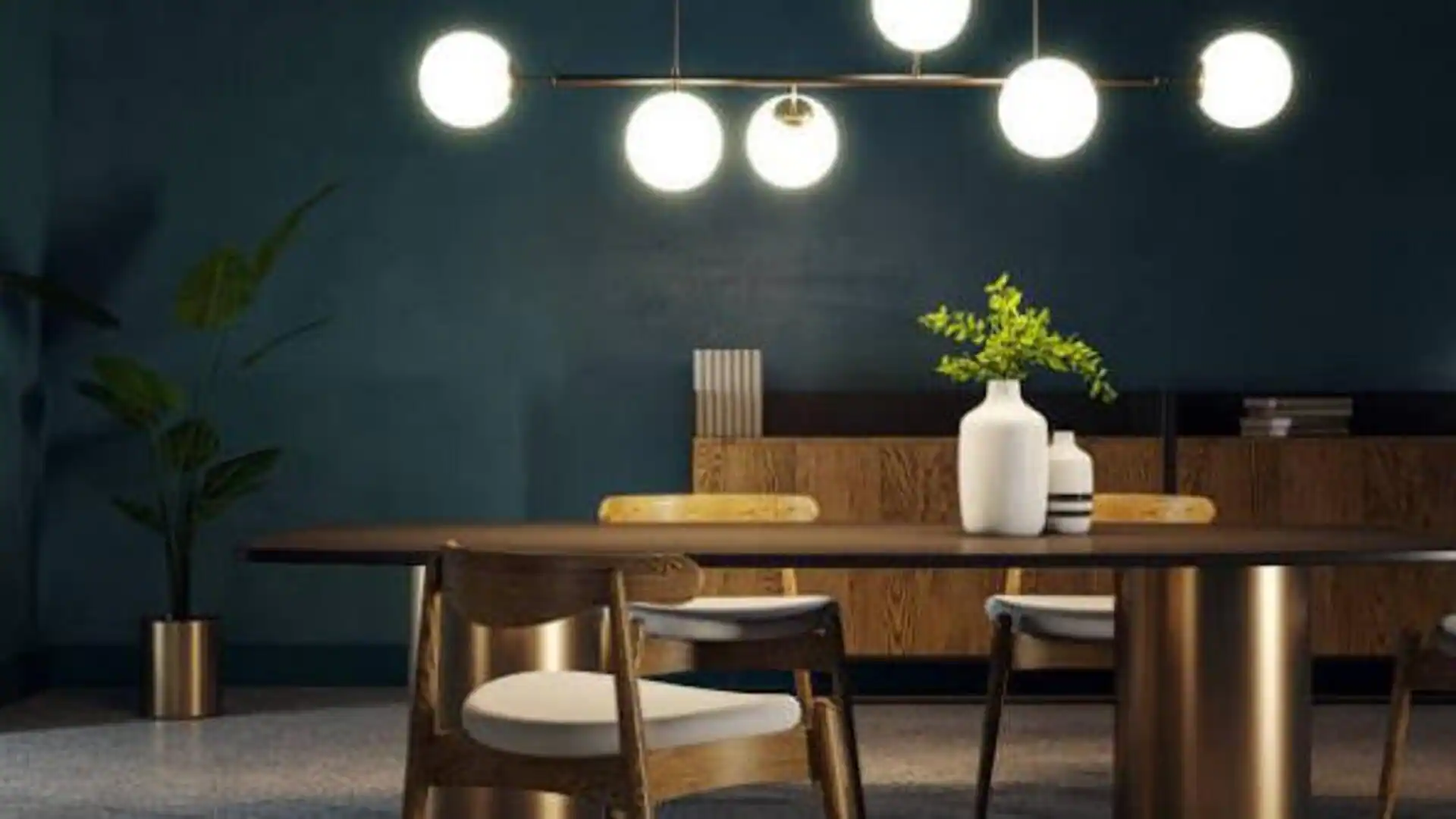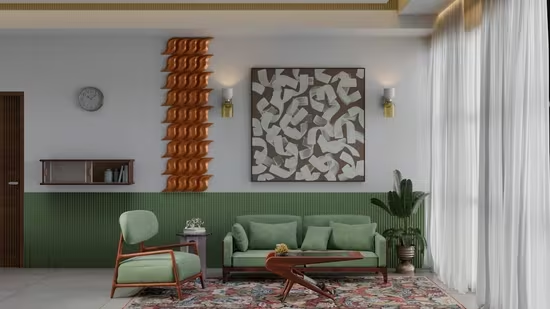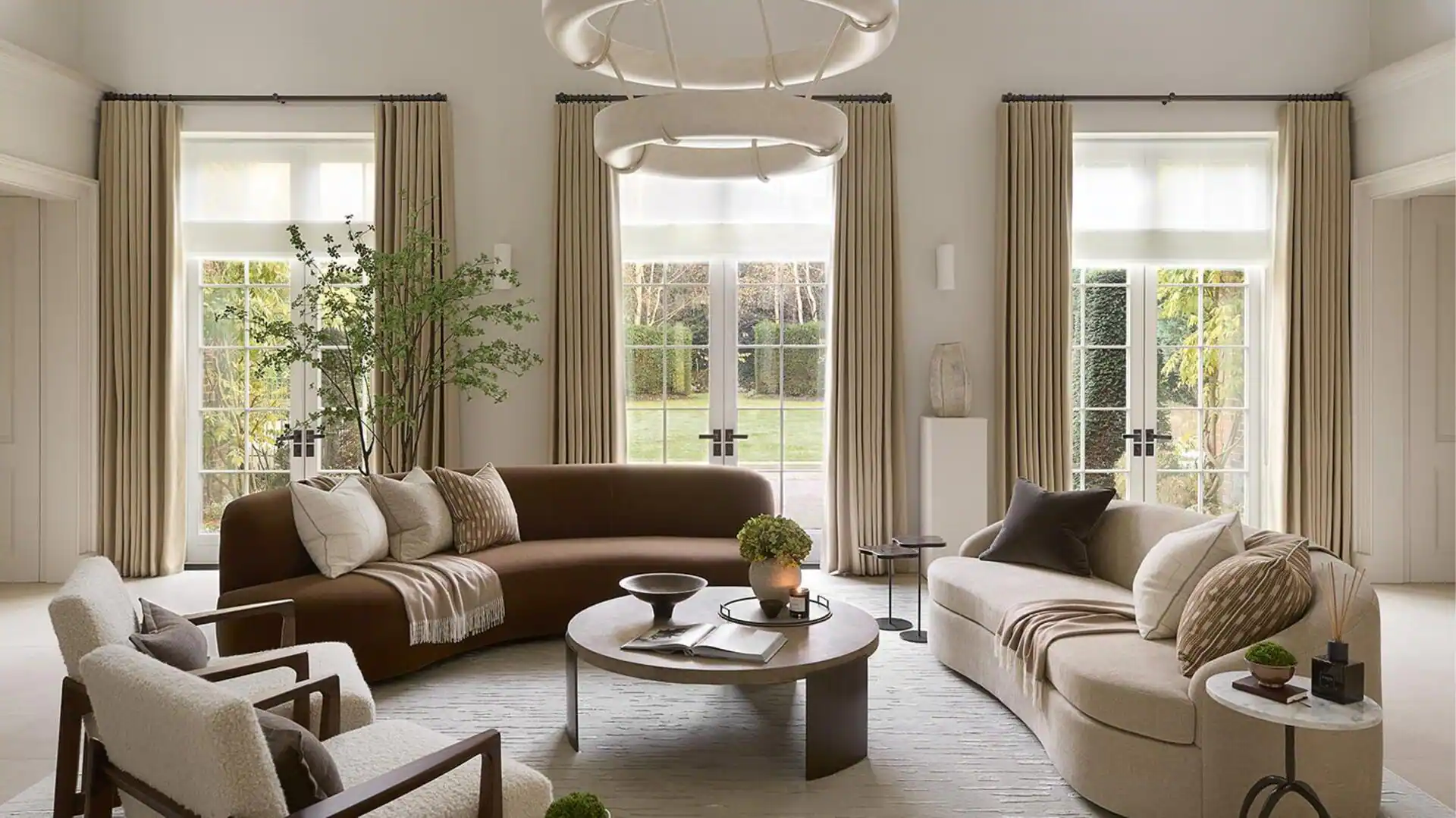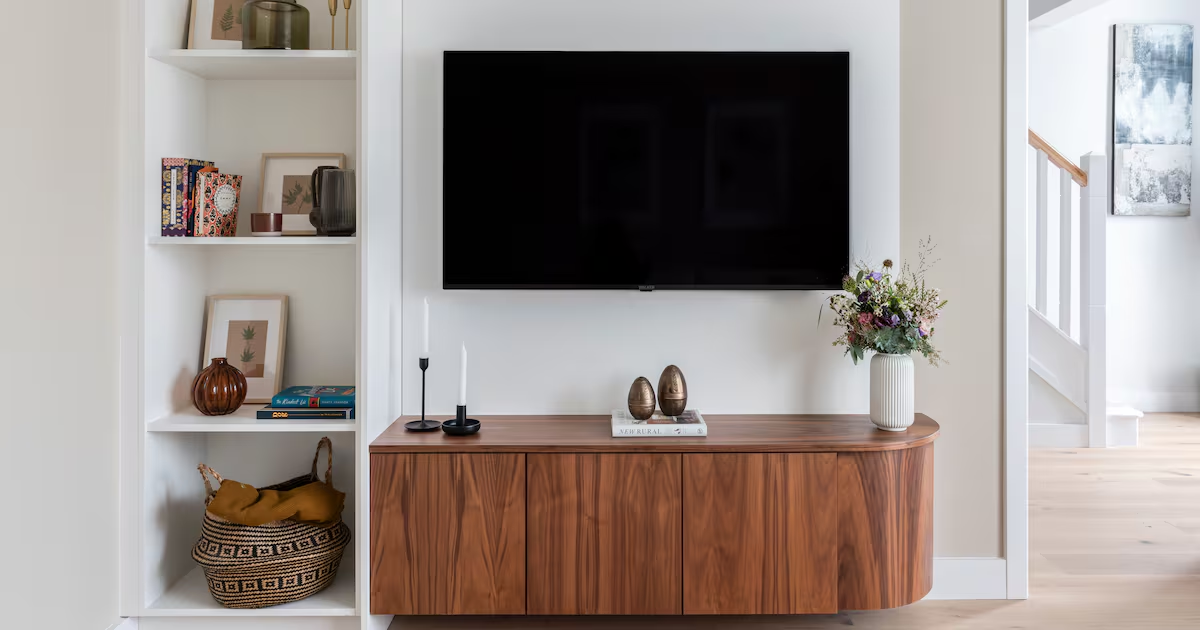
When people think about creating a calm home, the focus often falls on aesthetics. Neutral colour palettes, uncluttered spaces and minimalist interiors are often seen as the key ingredients. While these elements undoubtedly influence how a home feels, they are only part of the story. The homes that feel most comfortable and effortless to live in are rarely defined by a particular style. Instead, they are shaped around the people who live there. Their layouts support daily routines and adapt to the changing needs of everyday life. A sense of calm rarely comes from any one design decision. It emerges when a home functions well, feels intuitive to use and supports the lifestyle of its occupants. Here are some key considerations when creating a home that feels calm, comfortable and easy to live in.Start with how you want to liveBefore making decisions about layouts, kitchens or finishes, it is worth taking the time to consider how your home is actually used and whether it is supporting your lifestyle. This can be surprisingly difficult. Most people adapt to their homes over time and stop noticing the little compromises they make every day. Things like drying laundry in the kitchen during the winter or working from the dining table may once have felt inconvenient but gradually become normal. It is also important to think beyond how a home is used today. Lives evolve and homes need to evolve with them. A space that worked perfectly five years ago may no longer reflect how a household lives now. The demands placed on a home often change over time, whether that is due to growing children, changing work patterns or simply a shift in how people want to spend their time at home. Understanding these patterns provides the foundation for every decision that follows. It often reveals opportunities that might otherwise be overlooked and helps ensure that a home supports its occupants rather than the other way around.Let the layout do the heavy liftingOnce there is a clear understanding of how a home needs to function, attention can turn to the layout.Many homes contain spaces that are underused, overlooked or no longer serving the purpose they were originally intended for, while other areas are under constant pressure to accommodate multiple activities. It is often these hard-working spaces that reveal where a home is functioning well and where it is beginning to struggle. Looking objectively at how space is being used can often reveal opportunities that are not immediately obvious.The solution may involve reconfiguring existing rooms, repurposing underused space or even extending. The right answer will be different for every household. What matters is that the layout is shaped around the lifestyle it is intended to support. When a layout works well, many other decisions become significantly easier. Plan storage around real lifeStorage plays a significant role in how calm a home feels, yet it is often treated as an afterthought.The most successful storage solutions begin by understanding exactly what needs to be stored and where it is used. This becomes particularly important in open-plan spaces, where different activities often take place within the same area.Well-designed storage is not about achieving perfection. It is about ensuring that everyday items have a designated place. When everyday items can be put away easily, visual clutter is reduced and a space feels calmer. [ Stylish storage and smart spaces in a refurbished Portobello cottageOpens in new window ]Plan lighting earlyLighting is one of the most powerful tools for shaping the atmosphere of a home, yet it is often left until late in the design process. The earlier lighting is considered, the more flexibility there is to create a scheme that responds to how each space will be used. Wall lights, picture lights, joinery lighting and other integrated solutions can all add warmth, character and atmosphere while helping spaces perform different functions throughout the day.Lighting is also most effective when planned alongside the furniture layout. Understanding where people will sit, read, work, dine or relax helps ensure that light is provided where it is needed and that the overall scheme feels balanced and comfortable. A well-designed lighting scheme often goes unnoticed, but its impact on how a home feels can be significant.There can be a tendency to assume that calm interiors must be light, neutral or understated. In reality, darker and more saturated colours can be equally effective Choose colours that support the moodColour has a significant influence on how a space feels, but there is no single palette that guarantees a calm home. The most successful colour schemes are those that respond to how a room is used and the atmosphere it is intended to create. A bedroom may benefit from a more restful palette, while living spaces might call for colours that feel warmer, more welcoming or more uplifting.There can be a tendency to assume that calm interiors must be light, neutral or understated. In reality, darker and more saturated colours can be equally effective. Deep greens, rich blues and other cocooning shades can create a wonderful sense of comfort and retreat, particularly in rooms with lower levels of natural light.A calm home is rarely the result of a particular paint colour, furniture style or decorating trend. More often, it comes from a series of thoughtful decisions that support the way people actually live.
Layout, storage and design: how to create a sense of calm and comfort in your home
The most comfortable homes are shaped around the people who live there
887 words~4 min read