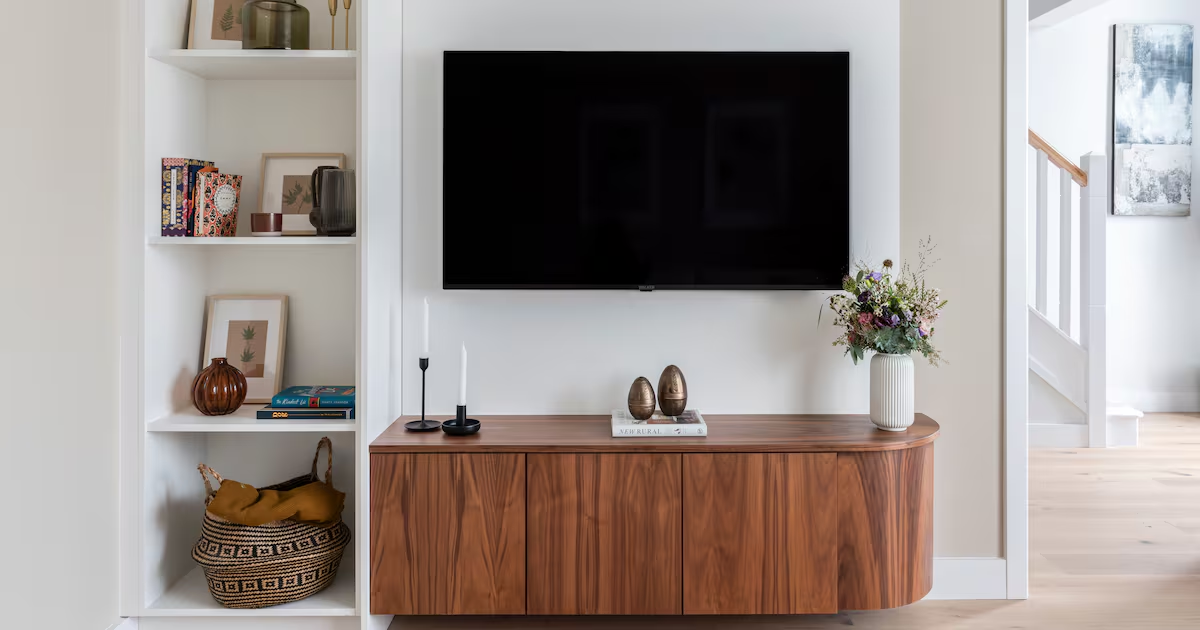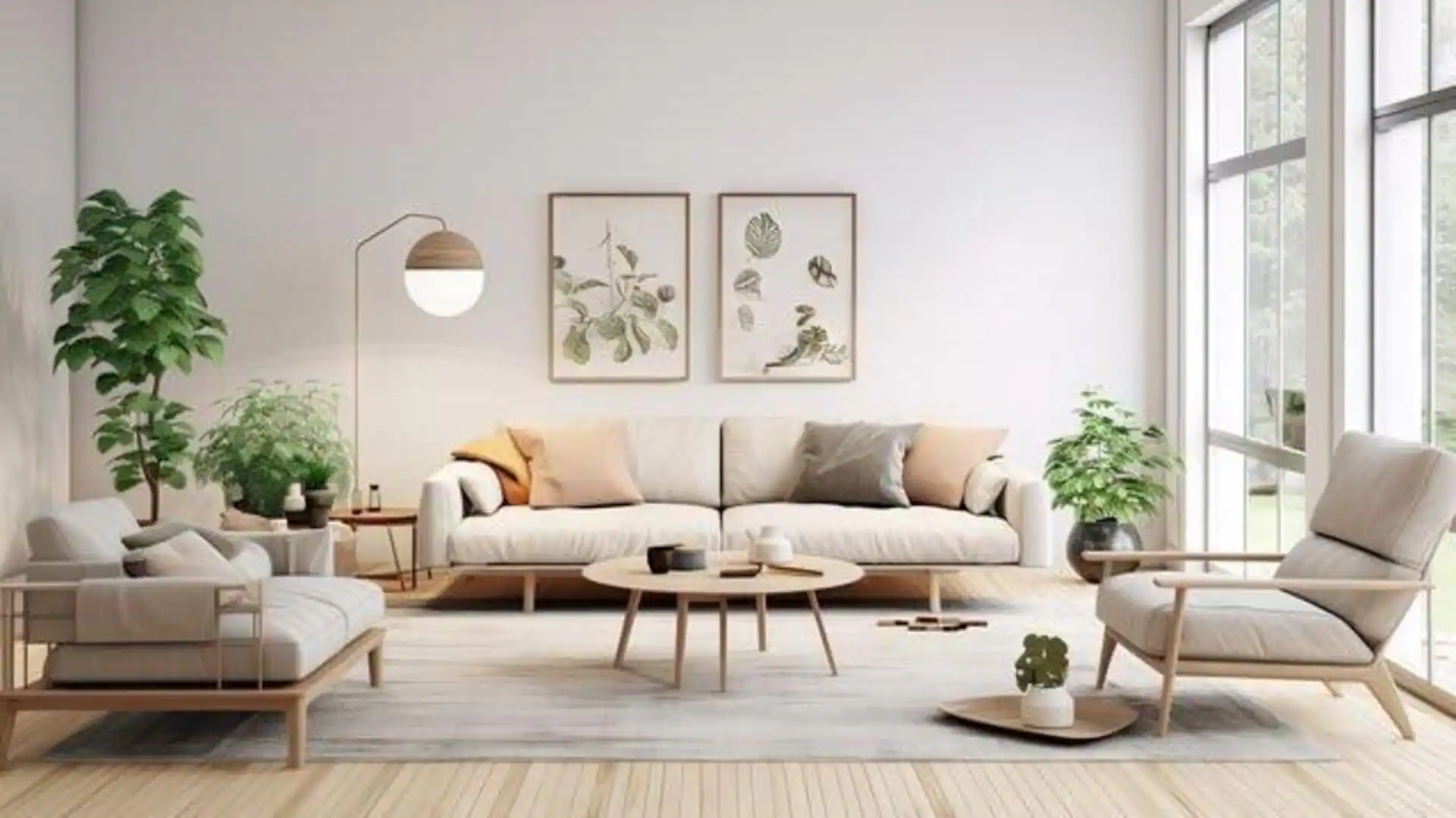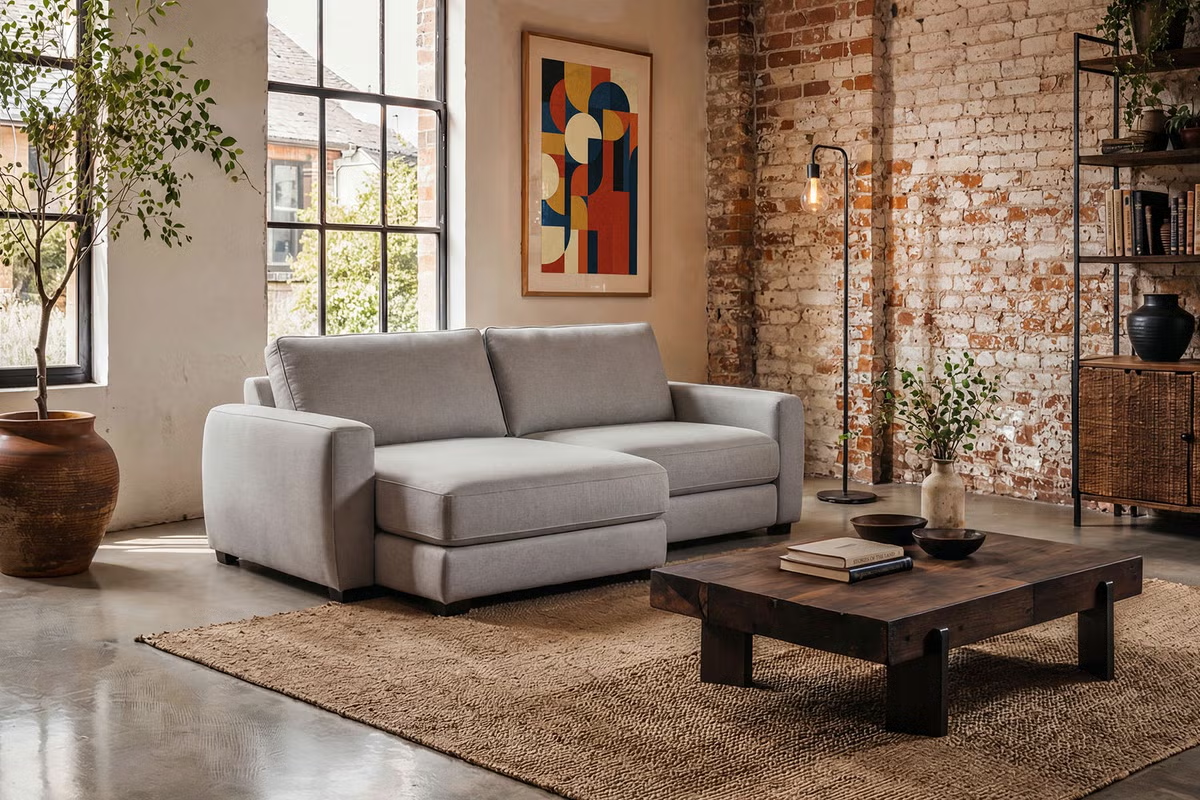
Homes are a place to relax, and as the trend for open-plan living takes a dive, the traditional ‘snug’ room is making a comeback.Interior designers say the snug, which originated as a cosy little room off the bar in 19th-century pubs, is becoming more and more popular, as homeowners look to utilise normally smaller spaces within their property as cosy, informal living areas, in direct contrast to the knocked-down walls and open-living spaces of the noughties.“After years of seeking ways to maximise open-plan living, there’s a palpable hunger for something altogether more intimate and sheltered in UK homes,” observes Gabriele Pittau, chief design officer at poltronesofà. “The snug – a small, warm and comfortable retreat – is experiencing a renaissance.”He says the snug reflects a very simple need – comfort, privacy and a place to properly switch off.“As this kind of space returns to modern homes, it gives people a dedicated area for relaxation again – something smaller, warmer and more personal than a formal living room.”And interior designer Verity Coleman, creative director of the interior design studio Rascal and Roses, says: “We’ve done quite a lot of snugs recently – people call it different things, so a few years ago loads of people wanted libraries, but ‘library’ was stretching it – it’s just a little space where people can relax, sit down and chill out.“I’d say there’s more of them now than there were maybe five years ago, because then it was all about open-plan living, and as open plan has become a bit less practical, now people are after smaller spaces again.”How do you style a snug?Choose your spaceYou first need to identify the room, or section off an area of a big room, Coleman advises. This can often be a smaller room off a more formal sitting room area, or maybe off a dining sitting room, or perhaps at the end of a kitchen diner.“Sometimes if there’s a smallish box room downstairs or something like that, you can make that into quite a nice snug because you don’t need much space – you’re not going to have loads of people in there,” she points out.“Sometimes they’re rooms that don’t work that well if you’ve got guests, so the sofas aren’t facing each other, or you haven’t got room to do a layout that you’d do in a sitting room. A snug is quite nice because you can just use it with family.”Tone down the open planIf your home is open plan or has a big kitchen extension, it doesn’t necessarily mean a snug is out of the question, says Pittau.“While a snug can be created in any spare space or nook, this trend is especially visible in kitchen extensions,” he says.“The modern kitchen-diner has become the real heart of the home, and as homeowners open up and extend these spaces, they’re increasingly setting aside part of the room for a more intimate seating area.”He says these snug areas often sit next to the kitchen, becoming natural gathering points within the home. “They’re connected to everyday life but still feel separate enough to offer a sense of retreat,” he says. “Less formal than the main living room, but often used more naturally.“From a design point of view, this is a very intelligent response to open-plan living. Instead of fighting the open layout, you can give it more structure by creating smaller, more comfortable zones within it.”And Coleman adds: “These days in many houses downstairs is just one room, so you need to cut something off on the end of it to make sure you’ve got one smaller space for a snug.”How to furnish a snugComfy seating is vital in a snug (poltronesofà/PA)Some people think a snug should be more of a reading nook, with no TV in it, but Coleman says she’d include a big TV in there.“You’d have a big telly, and lots of different kinds of lighting, so it’s like a more achievable version of a home cinema,” she suggests.“If it’s not carpeted, you want a rug in there, and you’d want to spend your money on soft furnishings – a nice sofa, cushions, maybe even floor cushions as well, or a footstool, plus curtains and a blind, so you can pull them down if you’re watching a film.“Just make it quite soft and comfy – somewhere people want to chill out.”And Pittau says: “A compact sofa with built-in storage, a loveseat placed near a window, or a soft recliner designed for reading and relaxing can turn a purely functional extension into a much more complete living space.” Snug colour schemesObviously any home colour scheme, whatever the room, is down to personal taste, but Coleman suggests either going quite dark with “home-cinema vibes”, so dark blues, reds or greens, or, alternatively, tonally calming – pale greens or blues, or off-white.“Just nothing really harsh,” she stresses. “You could have either a dark, old-school home cinema/study type vibe, or light and breezy, and just quite calm and relaxing.”Don’t overlook smaller spacesYou can make the most of smaller spaces in your homes, such as a large corner or an under-stairs space by using them as a snug, suggests Pittau.“My advice would be to start with the seating – if you can comfortably fit an inviting sofa or a cosy chair in, then the space is large enough to create a snug. Once the seating is in place, it’s just a matter of adding things that bring your retreat to life – a bookshelf, your favourite piece of art, or a soft blanket.”And he adds: “I think the return of the snug shows a lasting change in the way people think about their homes. It may look like a return to an older idea, but I see it more as an evolution – after years of large open spaces, people are looking again for corners, a place of comfort, softness and intimacy.”
How to style a cosy snug in modern homes
As small ‘snug’ rooms enjoy a renaissance, interior designers give their advice on how to create this dedicated relaxation area.
982 words~4 min read