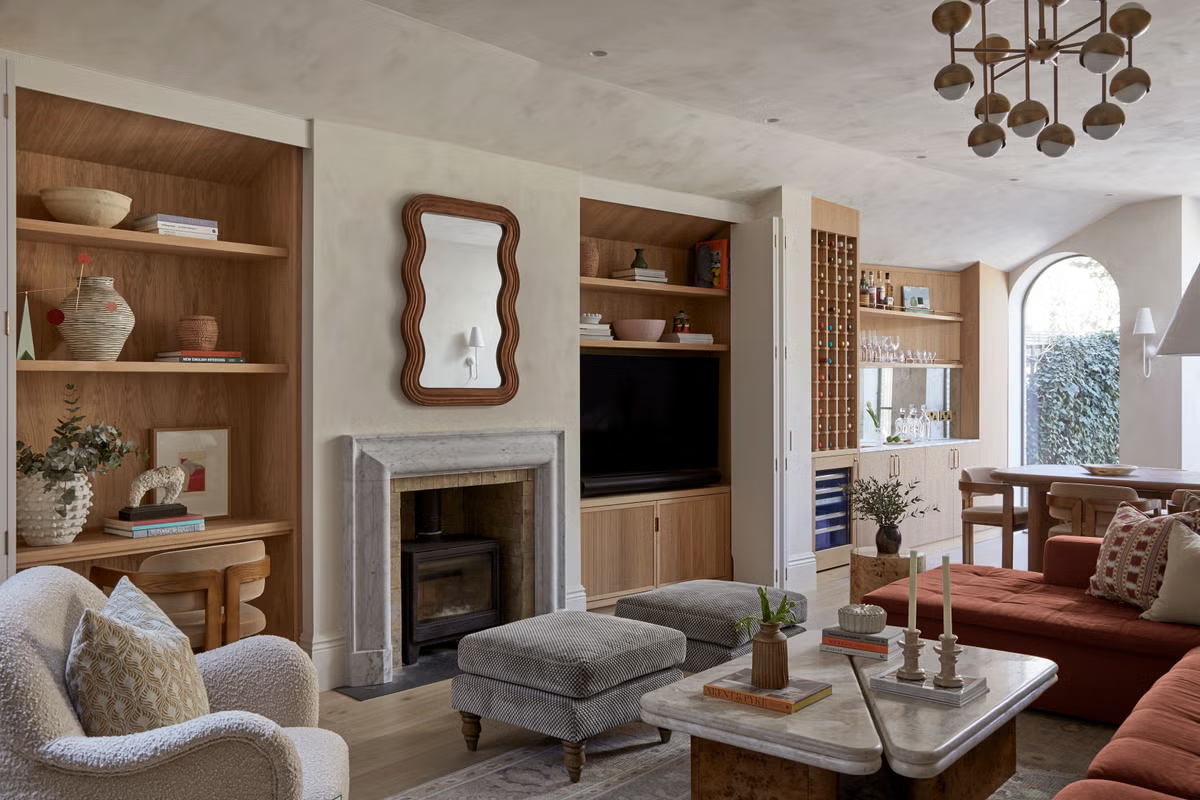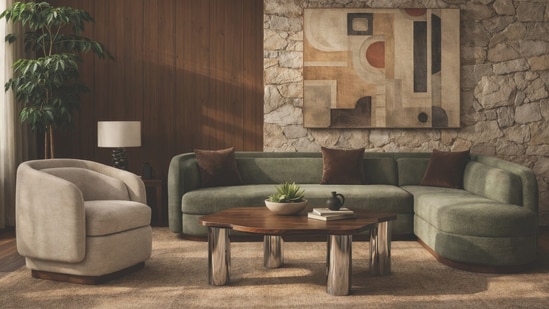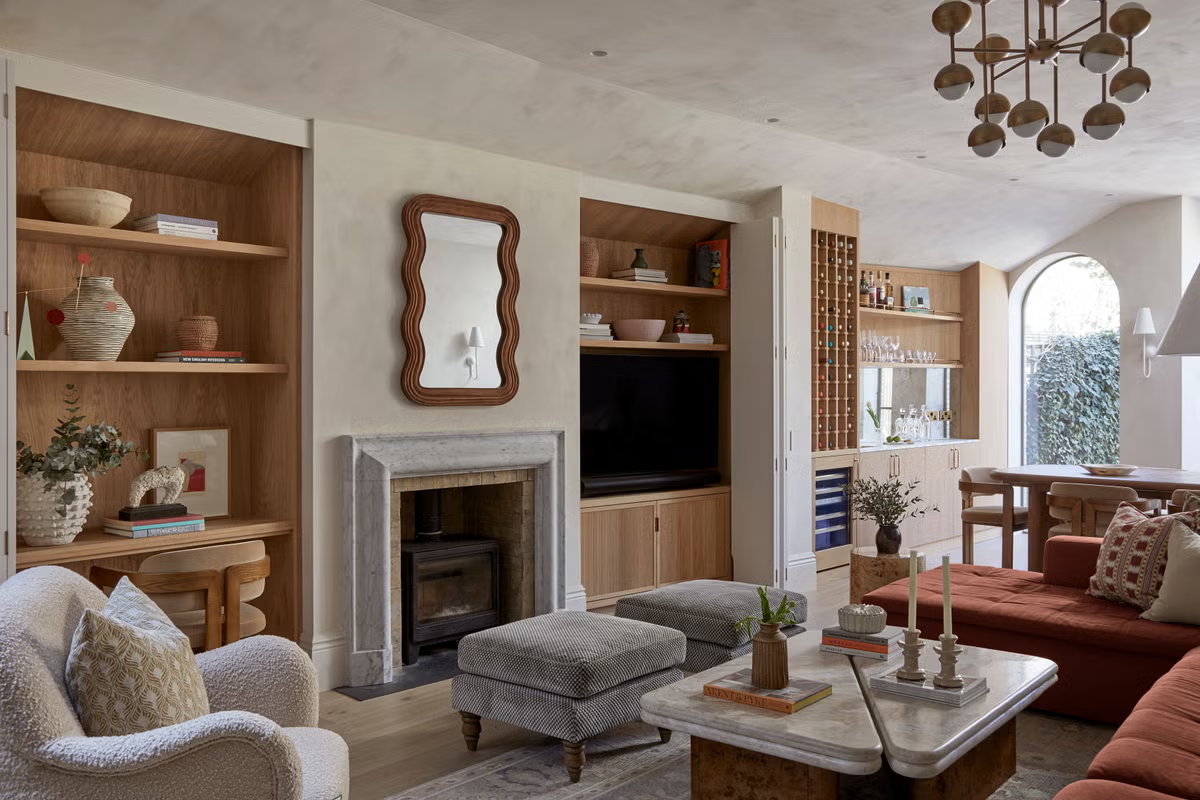
If you’re after design ideas for a decorating project, a fashion forecast and inspiration, how we dress the home defines the mood for the year ahead – and essentially sets the tone for how we want to feel and live.“Based on insights from the 2026 Houzz UK Emerging Trends Report, homeowners are looking to make their spaces work harder, while also feeling more personal and atmospheric,” says Kiya Kelly-Paine, design expert at home and design platform, Houzz.“With searches up for flexible kitchen layouts, reading retreats and tactile, moody interiors, this year’s trends point to a growing appetite for homes that feel both highly functional and deeply expressive.”Focusing on what’s capturing our imagination, Kelly-Paine, who specialises in design trends and how people are improving their homes, shares what’s set to shape the year ahead…1. Smart kitchen zoning & layoutsPeople are rethinking how their kitchens are laid out and used day-to-day, highlights Kelly-Paine.A flexible kitchen layout pairs a generous island with calm, concealed storage, showing how zoning can help a busy kitchen feel both practical and beautifully organised (Studio BN/PA)“Searches for ‘moveable kitchen island’ have risen more than ninefold, while ‘freestanding kitchen’ is also up significantly, suggesting growing interest in kitchens that feel more flexible and less fixed.”She says they’re also seeing searches rise for ‘kitchen bar’ and ‘coffee bar’, pointing to more defined zones for hosting, drinks and everyday routines.Storage remains a major focus too, with increased interest in ‘appliance garage’ and ‘walk-in pantry’, as we look for ways to keep hardworking kitchens feeling calm and clutter-free.Moreover, working with a professional using tools such as a 3D floor plan can help you visualise how these features will work together, before committing to a layout.Midcentury modern kitchen and dining room interior design with black cabinets, white cabinets, white quartz and walnut accents (Alamy/PA)Gema Broch, who leads Studio BN, with more than 15 years experience in high-end residential projects, says: “Flexible kitchens and movable islands are becoming increasingly important in the way we live today.“Kitchens are no longer purely functional rooms; they are social spaces, workspaces and family hubs, so adaptability is key.”A movable or freestanding island gives clients the freedom to reconfigure the space depending on how they live, outlines Broch. “This flexibility is especially valuable in open-plan homes and smaller kitchens, where maintaining a sense of flow is essential.These are kitchens with ability to evolve, allowing pieces to adapt both within the space, and even from home to home, notes Broch. “From a design perspective, movable islands also help kitchens feel less rigid and more layered.“Mixing fitted cabinetry with freestanding elements creates warmth, character and a more timeless feel, avoiding the overly built-in look that can date quickly,” she adds.2. Reading retreatsThere’s also a swing towards quiet, dedicated spaces for reading and switching off, says Kelly-Paine, with searches for ‘alcove bookcase’ rising sharply.While ‘small library’, ‘cosy snug’, and ‘reading nook’ are also on the up.A built-in bookcase and relaxed seating area turn this living space into an inviting reading retreat, creating a quiet spot to switch off (Alex FindShe says they’re also seeing this reflected in the kinds of photos people are saving, with built-in shelving, layered lighting and intimate seating areas proving popular.“The data suggests homeowners aren’t necessarily looking for large libraries, but rather thoughtful pockets of space that feel personal, calm and separate from busier areas of the home.”For anyone looking to create a reading nook, she says this space should feel one of the most relaxing areas. “It’s a place to unwind, a quiet corner with good natural lighting, and a lamp for reading into the evening.”Alex Findlater of Alex Findlater, who’s been delivering full construction projects for the past 25 years, says: “Comfortable seating, nearby bookshelves, and a few plants would really give the space the warm, inviting feel it needs.“Alcoves can be awkward spaces, and every property has alcoves of different shapes and sizes… our bespoke joinery allows these unused areas to become beautifully integrated, functional features that feel seamless within the room.”3. Modern organic and tactile texturesMinimalism is becoming more moderate as we gravitate towards interiors that feel warm, natural and tactile, highlights Kelly-Paine.A warm mix of natural textures, soft neutrals and exposed timber brings depth to this living space, reflecting the modern organic look in a calm, understated way Souq.Studio | Anna Stathaki Photography“Searches for ‘modern organic’ are up, alongside strong growth for materials and finishes such as ‘stone wall’, ‘limewash’, ‘natural stone’ and ‘Venetian plaster’.“These elements bring depth and texture to neutral spaces, creating interiors that feel grounded rather than stark.“With designs featuring layered neutrals, raw materials and subtle surface variation, rather than flat or highly polished finishes.”For anyone who’s unsure how these finishes will work together, Kelly-Paine says mood boards can help bring the palette, materials and textures into one clear visual direction.Roxi Zeeman, founder of Souq.Studio, who has specialised in interior design for nearly 20 years, says: “There’s a clear move away from anything that looks too perfect… clients want surfaces that feel lived in – limewashed walls, plaster, honed stone and raw timber.“It’s a softer, more tactile luxury that elevates everyday lifestyles,” she explains. “These materials bring depth and quiet character to a space, making even the most pared-back interiors feel warm, personal and considered.”4. Dark and moody spacesA deep colour palette, rich timber and layered lighting give this games room a cocooning feel, showing how darker tones can bring warmth, character and atmosphere to a space (Carol Crowe Interior Design/PA)While some of us are embracing soft, natural textures, others are leaning into deeper, more dramatic interiors, suggests Kelly-Paine.Indeed, she says searches for ‘moody living room’ and ‘forest green’ have more than doubled, while ‘black bedroom’, ‘dark green bedroom’, ‘dark ceiling’ and ‘dark wood’ are also gaining traction.Carol Crowe, founder of Carole Crowe Interior Design, a BIID Associate member (British Institute of Interior Design), with five years of experience running her own design practice, says: “I think the growing interest in darker, moodier interiors reflects a wider desire for homes that feel more grounded, cocooning and emotionally restorative.“Darker tones, when used thoughtfully, can create depth, intimacy and a real sense of calm.“It’s less about making a room feel dramatic for the sake of it, and more about using colour, light, texture and contrast to create a space that feels rich, personal and deeply comfortable to live in.”5. Spatial optimismWe’re finding clever ways to make every inch count, underlines Kelly-Paine, “with a surge in interest for ‘under stairs pantry’, ‘hidden utility’, and ‘under stairs bar’.“There’s also a continued interest in ‘broken plan’, which points to a desire for layouts that create distinct areas without losing light or flow.”A walk-in pantry and breakfast station sit neatly behind a wall of cabinetry, showing how smart storage can help every inch of a kitchen work harder (Herringbone Kitchens/PA)Murphy beds and container home are also proving popular, and there’s a trend for flexible solutions beyond the main living areas, says Kelly-Paine. “Whether that’s a guest room which serves more than one purpose, or a separate standalone space.”William Durrant, director and designer of Herringbone House, with more than a decade in the cabinet and furniture manufacturing industry, says: “Everyone is looking to utilise their space the best they can.“Under-stairs cabinetry is a great way to incorporate more storage, and we’ve used this space to create bars, shoe storage, pantries, wardrobes and wine storage,” he says confidently.
5 emerging interior trends for the rest of the year
From reading retreats to dark and moody spaces, here’s what’s gaining traction on the home front, says Sam Wylie-Southcott.
1,230 words~6 min read