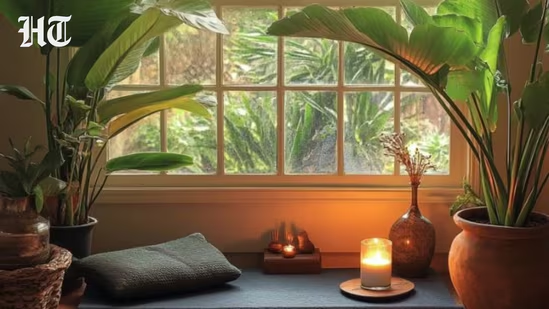
Your home can have a surprising impact on how you feel and interact with the people around you. While no room can directly cause disagreements, cluttered, neglected, or poorly organized spaces can make everyday life feel more stressful. Feng Shui encourages creating a home that feels calm, balanced, and welcoming, helping you build an environment that supports healthier communication and emotional well-being.Feng Shui tips: The 'argument corners' in your home that may be unknowingly attracting stress (Pinterest)"Our surroundings can also influence how we feel and interact with one another. In my experience, the goal isn't to blame a room for an argument but to create spaces that feel calmer, lighter, and more supportive of healthy conversations. We can balance out your rooms and spaces where you may have realized are like hot spots for arguments and fights, with Feng Shui, crystals, and herbs," shared Spiritual Life Coach & Energy Worker, Kishori Sud of EnigmaTarotTribe.ALSO READ: 9 is considered the 'most sacred' number in Feng Shui, an expert explains whyIf tension has become a regular part of life at home, here are a few areas that may deserve a closer look.1. The entranceIn Feng Shui, the main door is often called the "mouth of qi" because it is believed to be the point where fresh energy enters the home. An entryway filled with scattered shoes, broken decorations, unopened packages, or poor lighting can make the space feel cluttered and overwhelming before you even step inside.You can refresh your entrance by:Keeping the area clean, organized, and well lit.Adding a healthy green plant if space allows.Use a bowl or tray to keep your keys in one place, so they don't pile up.Placing a Black Tourmaline or Selenite crystal near the entrance as a symbolic reminder to leave the day's stress at the door.2. The dining tableThe dining area is where family and friends come together, making it one of the most emotionally important spaces in your home. If the table is constantly covered with work documents, unopened mail, or electronic devices, meaningful conversations can easily be replaced by distractions.Instead, try to:Clear the table after every meal.Add fresh flowers or a simple bowl of fruit.Keep phones and other devices away during family meals whenever possible.Place a small Rose Quartz nearby as a symbol of kindness, compassion, and understanding.3. The kitchenThe kitchen represents nourishment and vitality in Feng Shui. Since it is one of the busiest areas of the home, it can quickly become a source of stress if it feels disorganized. Overflowing trash bins, broken utensils, or expired pantry items may contribute to a sense of frustration and overwhelm.To create a calmer space:Keep kitchen counters free of unnecessary clutter.Repair dripping faucets or broken drawers.Grow fresh herbs like basil or rosemary on a windowsill if possible.Place a Citrine crystal in the kitchen as a symbolic reminder to bring warmth and gratitude into meal preparation. Even a set of three Citrine tumble stones can work.ALSO READ: The Rule of Three in Feng Shui: How this simple design principle may help create a calmer, more balanced home4. The living roomThe living room often reflects how people connect with one another. Furniture placed too far apart, harsh lighting, or seating arrangements that discourage conversation can make the space feel less inviting.Simple updates include:Arrange seating so people naturally face one another.Use softer lighting during the evening.Add cushions, blankets, or natural textures to make the room feel warm and comfortable.Keep an Amethyst crystal in any form as a symbol of calm and thoughtful communication.5. The bedroomYour bedroom should be a place for rest, not an extension of your office or a reminder of unfinished work. Stacks of paperwork, work laptops, or excessive clutter can make it harder to unwind. If disagreements often continue into the bedroom, creating a calming bedtime routine may help the space feel more peaceful.You can do this by:Keeping bedside tables neat and uncluttered.Avoid charging multiple devices next to the bed.Using calming scents such as dried lavender sachets or a neroli reed diffuser. Kishori personally recommends white sage or palo santo fragrances.Place a Moonstone or Rose Quartz crystal on your bedside table as part of a mindful evening routine.6. Don't overlook forgotten cornersOne of the easiest places to ignore is the forgotten corner where broken items, unused bags, laundry, or random clutter slowly pile up.Whether or not you follow Feng Shui, neglected spaces can create visual stress and make your home feel heavier than it needs to.Refreshing your home does not have to involve expensive décor or major renovations. Sometimes, simply opening the windows to let in natural light, clearing unnecessary clutter, and thoughtfully arranging the spaces where you spend time can make your home feel more peaceful. ALSO READ: Year of the Fire Horse: A Feng Shui expert shares the best colors to wear for job interviews in 2026Disclaimer: This article is based on Feng Shui principles and spiritual beliefs and is intended for informational and lifestyle purposes only. These practices are not scientifically proven to prevent conflict or improve well-being and should not replace professional advice or support when needed.
Feng Shui tips: The 'argument corners' in your home that may be unknowingly attracting stress
While no room or corners in your home can directly cause disagreements, neglected, or poorly organized spaces can make everyday life feel more stressful.
845 words~4 min read