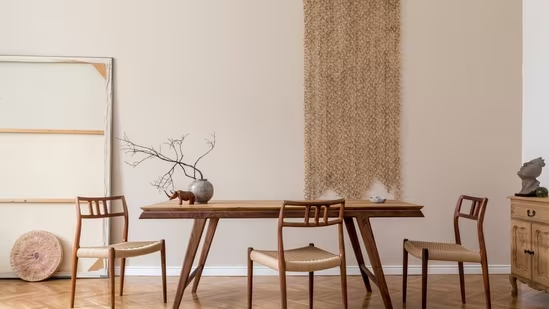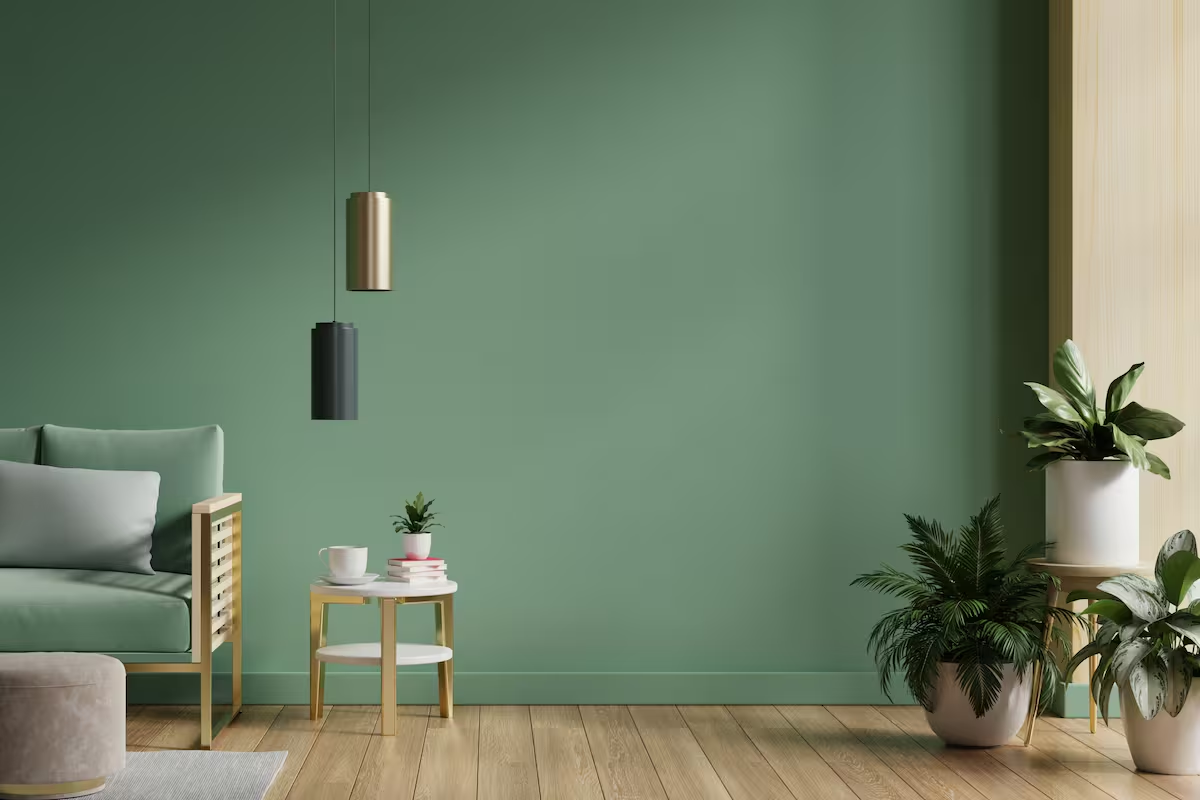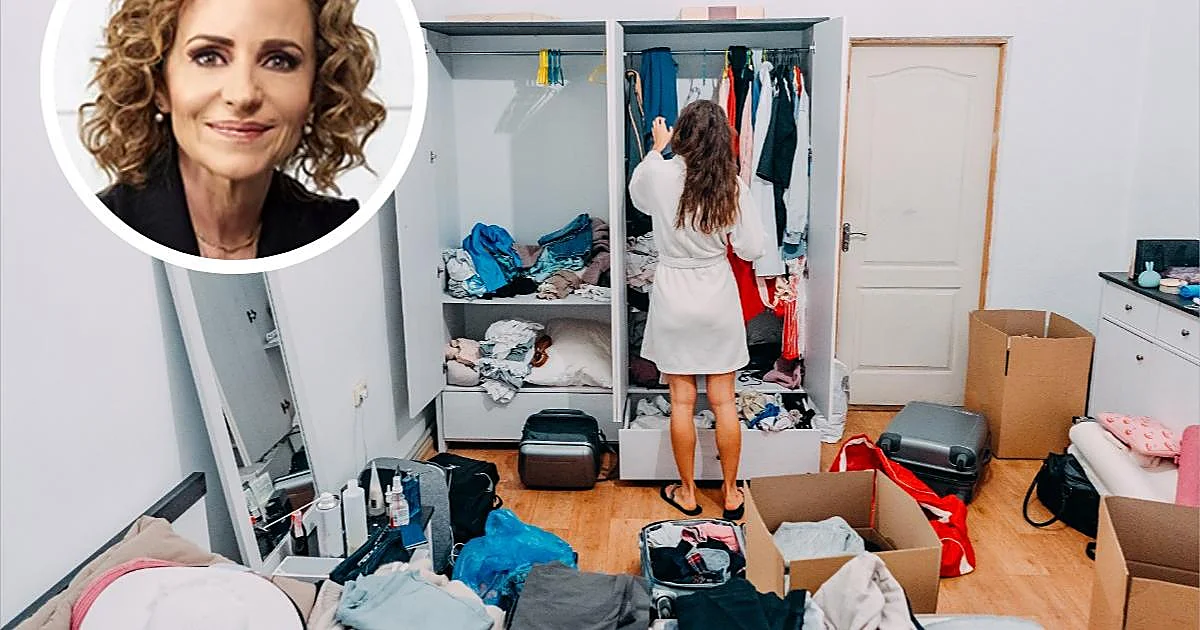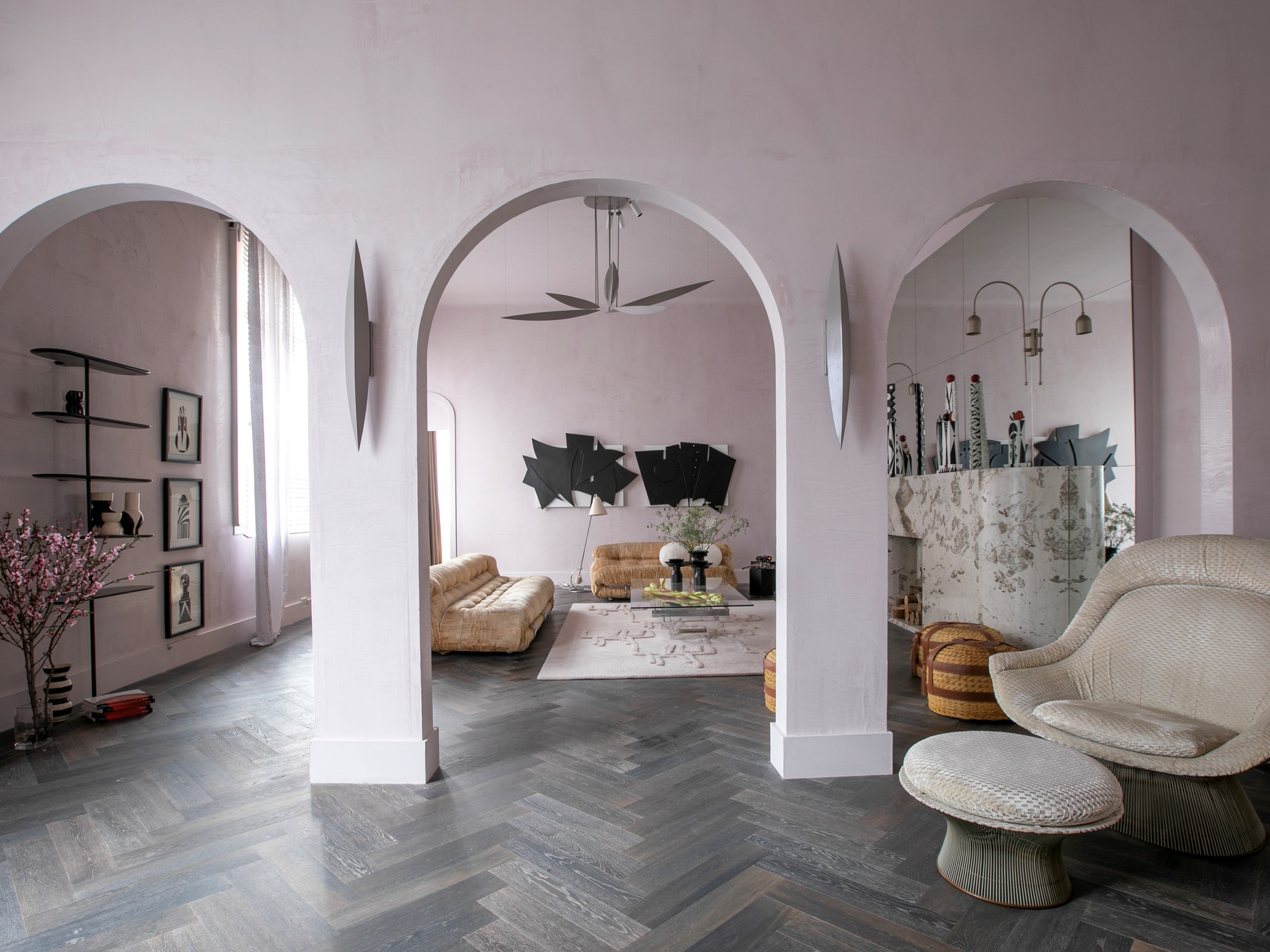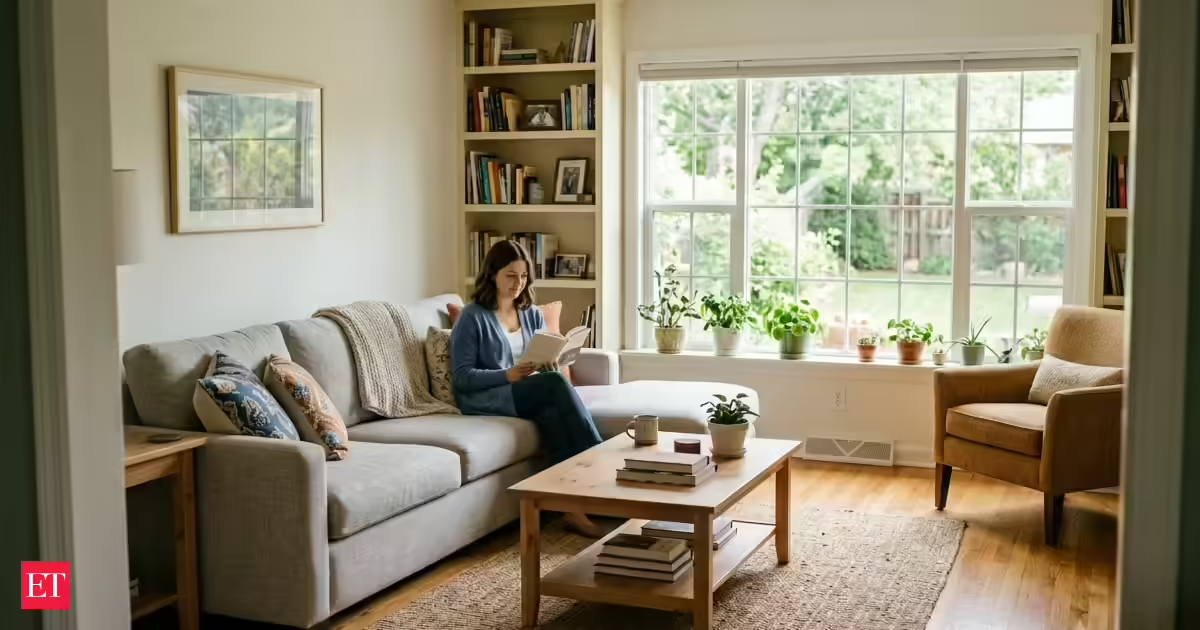
After a long day, stepping into a cluttered living room or a calm, cozy space can make all the difference. Imagine walking into a home where piles of laundry and unfinished projects greet you versus one where plants, soft lighting, and a sense of order set the tone. Which space would leave you feeling more at ease? And could the words we use to describe our homes actually reveal something deeper about our stress levels and health? A study published in the journal Personality and Social Psychology Bulletin by researchers Darby Saxbe and Rena Repetti found that the way people, 60 dual-income spouses in this case, describe their homes was linked to daily stress hormone patterns and mood shifts.Researchers studied how people described their homes during self‑guided tours. Using linguistic analysis, they looked for words tied to clutter and incompleteness, as well as words linked to restfulness and nature. The first group of words reflected a “stressful home,” while the second pointed to a “restorative home.”Over the following days, those who leaned toward stressful descriptions showed flatter cortisol patterns, a biological rhythm linked to poorer health, and reported feeling more down as the day progressed. Those who used restorative language had healthier cortisol slopes and felt their mood improve across the day. The deeper message is that our environment and the way we talk about it matter. Homes described as cluttered or unfinished can mirror stress, while homes described as restful or connected to nature can support recovery. In everyday life, this means that small changes, like reducing clutter or adding calming elements, can help create a healthier atmosphere. The takeaway from the study is simple: our homes are more than walls and furniture. They are emotional spaces that shape how we feel and function. Paying attention to how we describe them may be the first step toward building environments that truly restore us.
Psychology says the way you describe your home can reflect your mental state and well-being
Your home's description might reveal your stress levels. A study found that couples describing their homes with words like 'clutter' or 'unfinished' exhibited flatter cortisol patterns, linked to poorer health. Conversely, those using 'restful' or 'nature' related language showed healthier cortisol slopes and improved moods. This highlights how our living spaces significantly impact our well-being.
314 words~1 min read