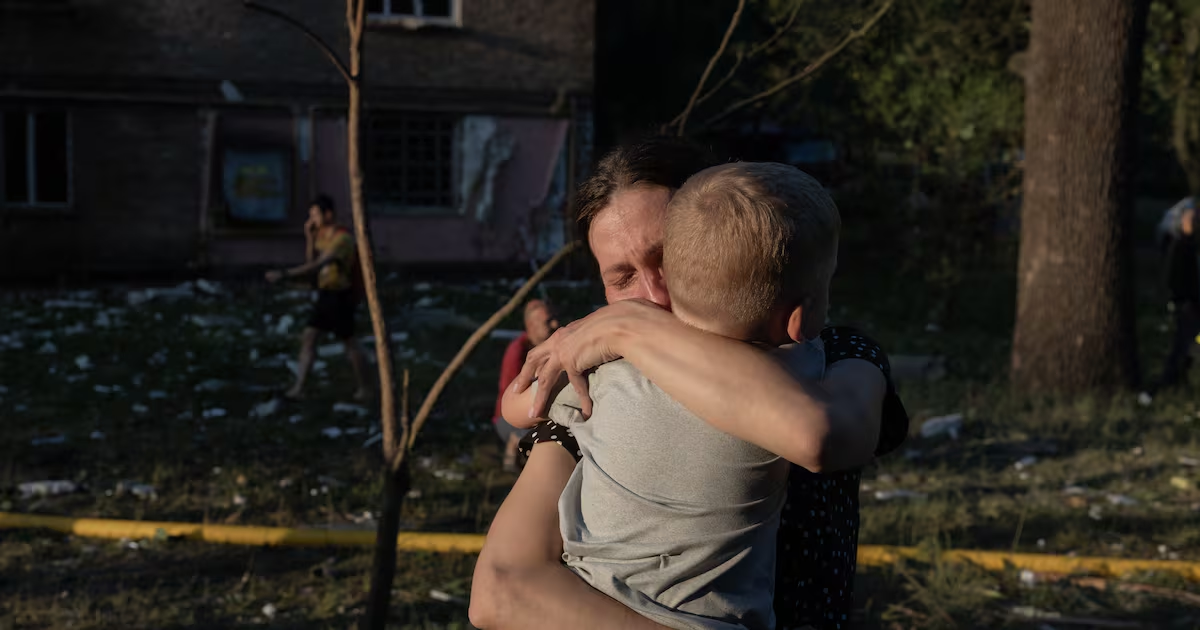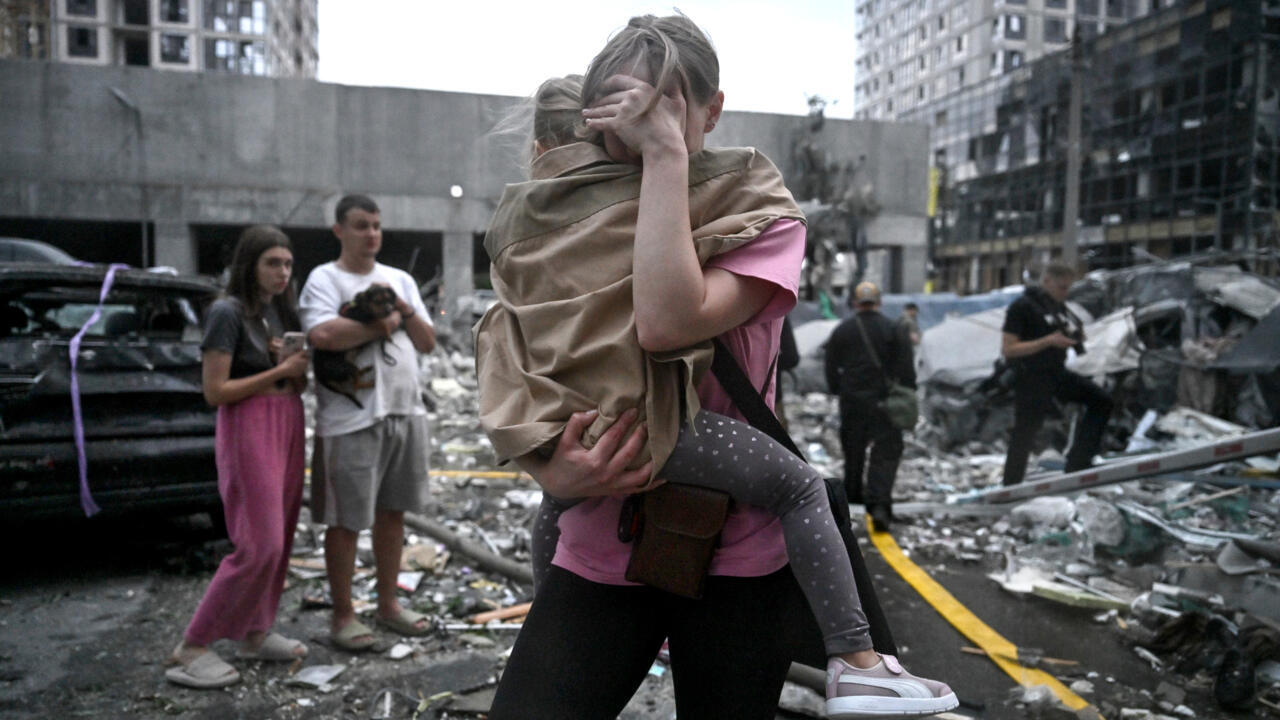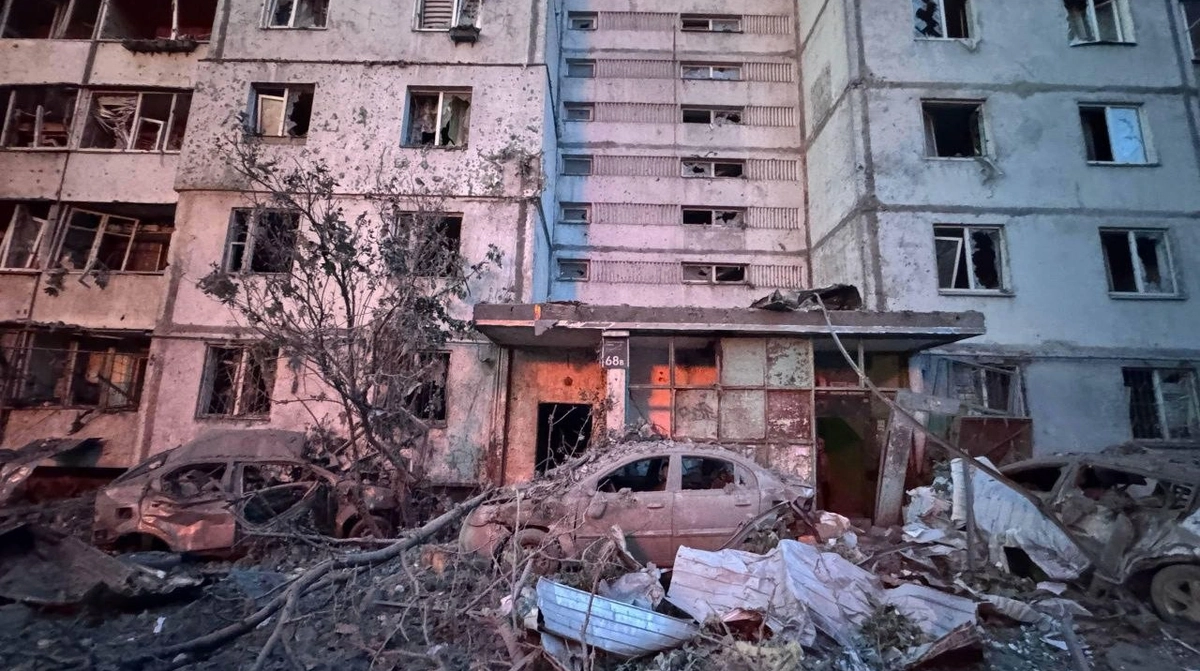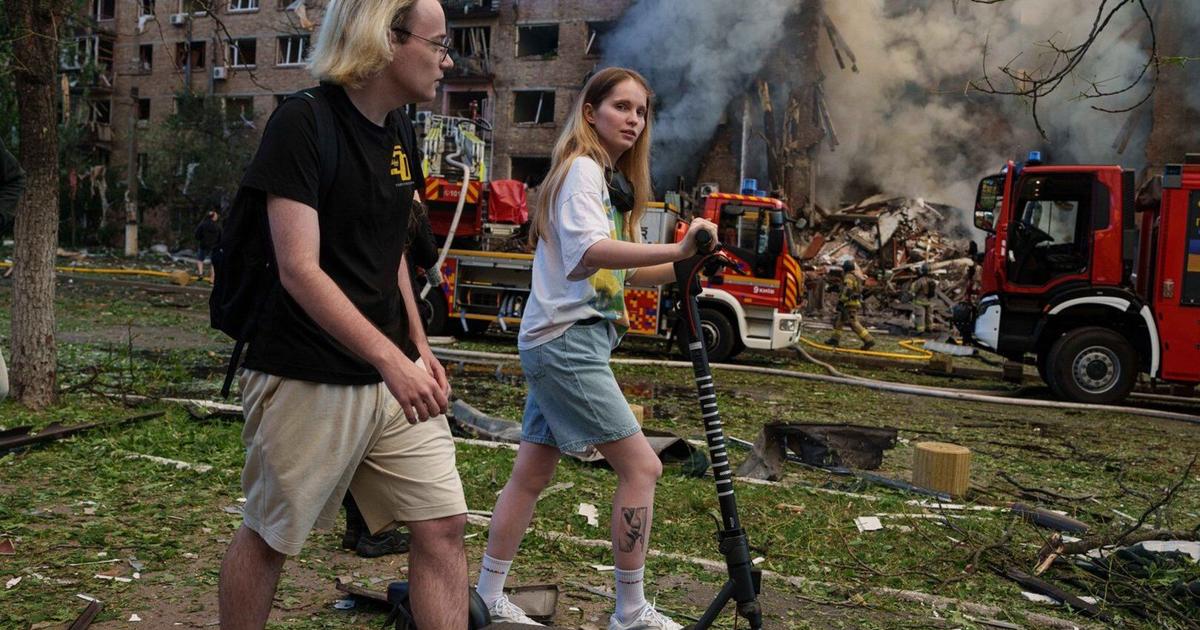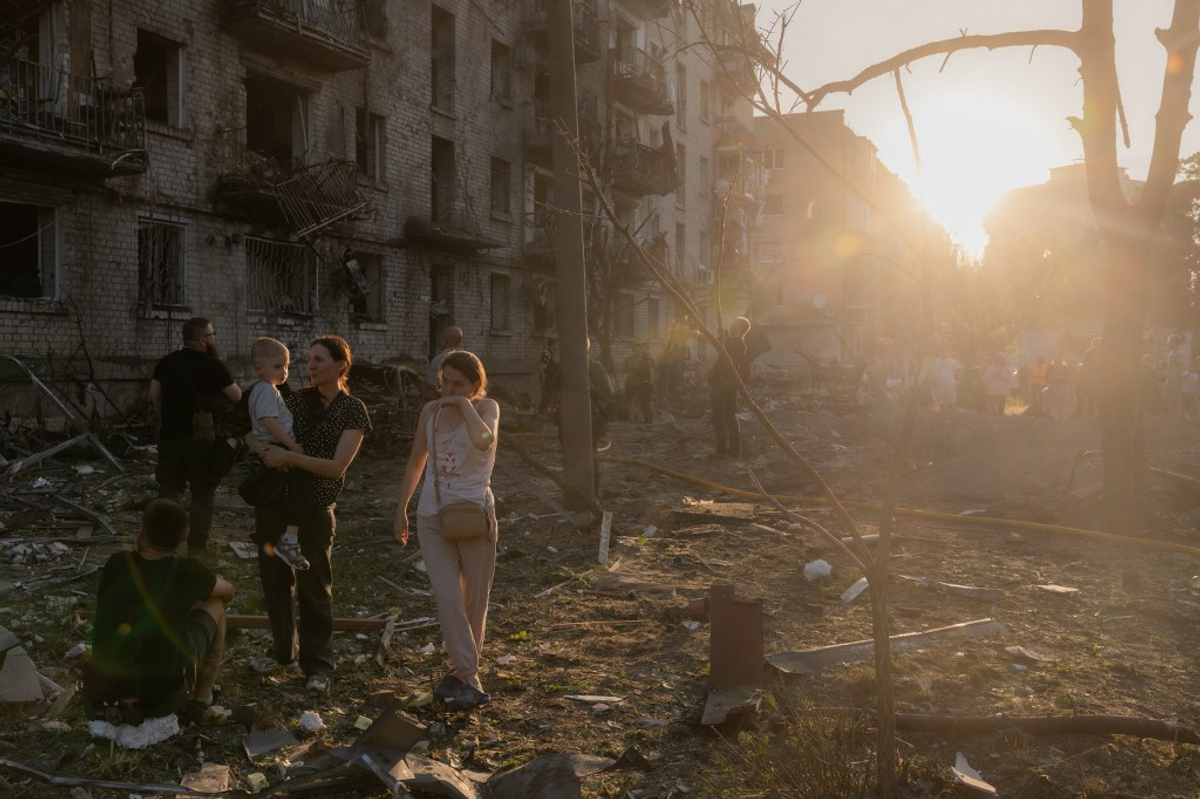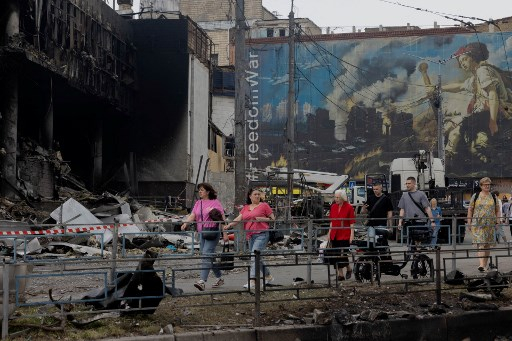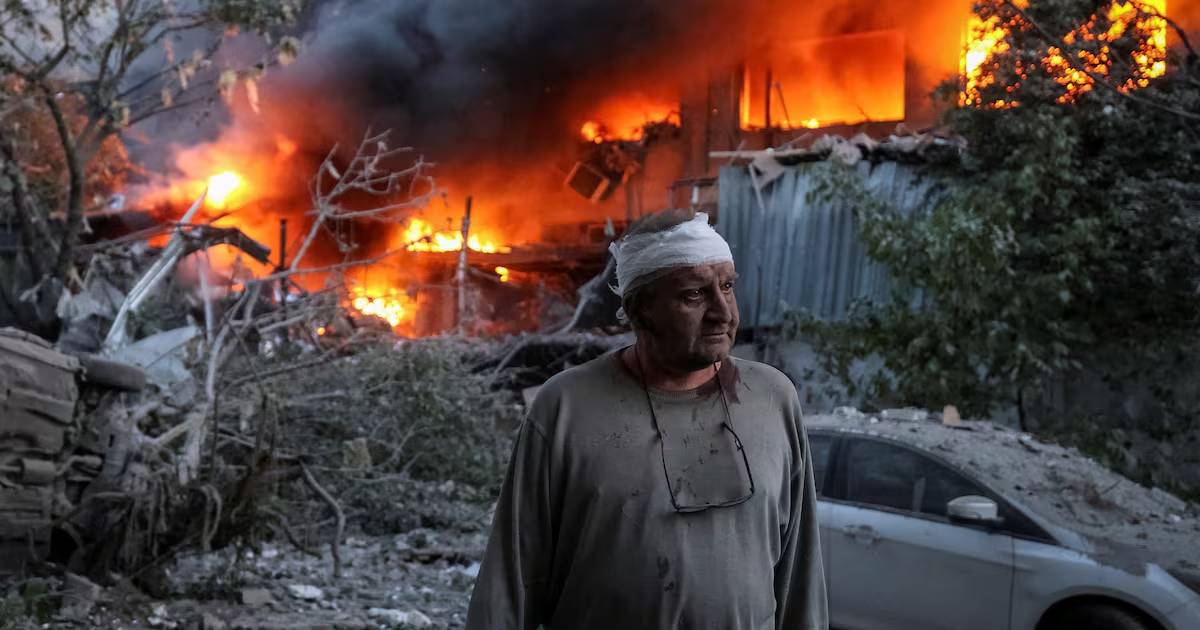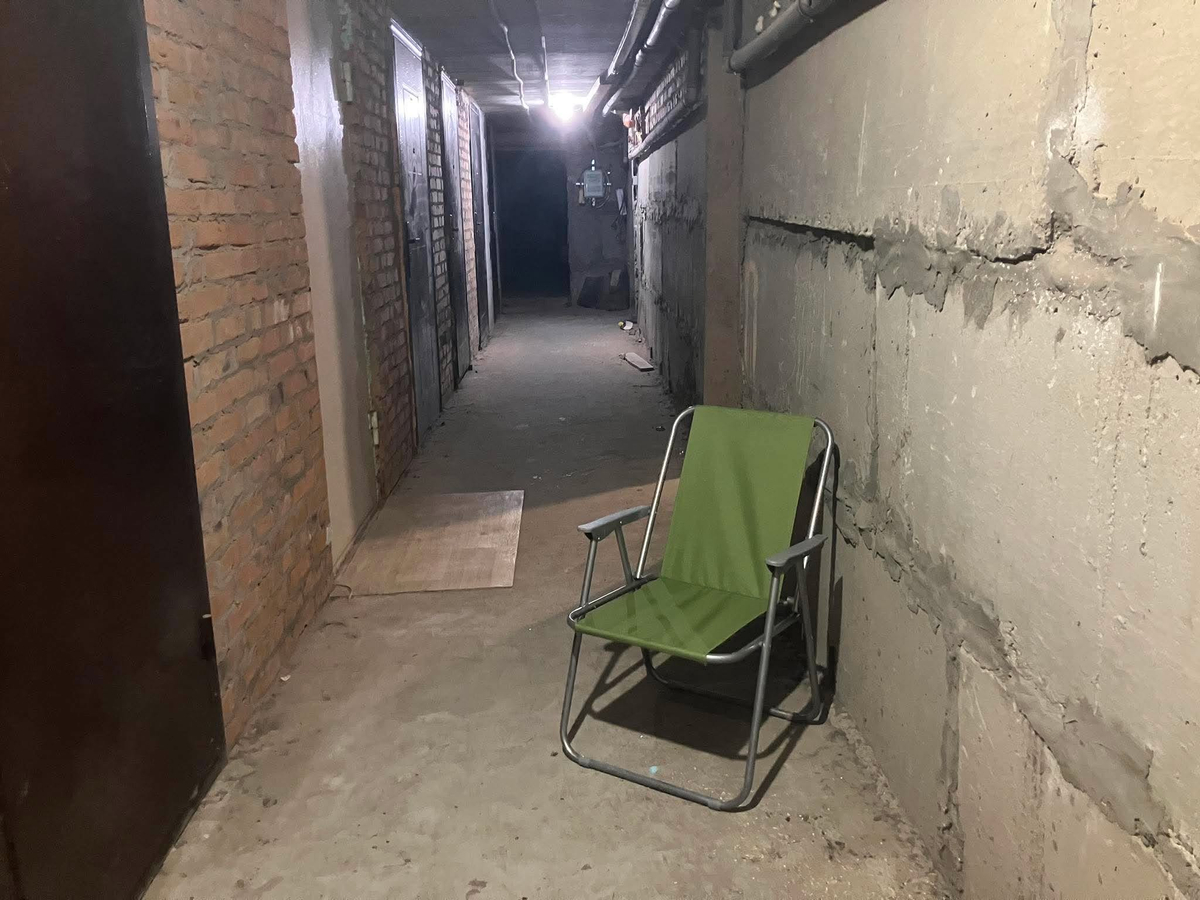
Russian attacks on Kyiv are becoming more frequent and destructive. They do little to change the situation on the front line, but they kill civilians—including women and children – and sometimes bring entire sections of apartment buildings crashing down on residents. In 2025, Ukraine recorded its highest civilian death toll since 2022. Every mass-casualty strike on a residential building revives the same questions: Why were the residents not in a shelter? Was there one they could reach? And after years of shelter renovations, why does the death toll continue to rise?JOIN US ON TELEGRAMFollow our coverage of the war on the @Kyivpost_official. These questions became particularly urgent during Russia’s overnight attack on Kyiv on July 30. Large-scale attacks can often be anticipated several hours in advance through official intelligence and Air Force announcements, as well as reports from independent monitoring groups. So many residents headed to the metro that night that some stations became overcrowded. People sheltering there said access to several stations was restricted during the night. But does Kyiv – the most heavily bombarded major Ukrainian city outside the front-line regions—have enough shelters in the first place? Kyiv Post examined the capital’s shelter system to determine what protection its facilities actually provide, what can serve as an alternative when a proper shelter is unavailable, and why many residents remain at home even when shelter spaces exist.
Why Ukraine Still Lacks Enough Shelters After 13 Years of War
Using Kyiv as a case study, Kyiv Post examines the weaknesses in Ukraine’s shelter system—and the lessons Western countries should learn from them.
3,256 words~15 min read