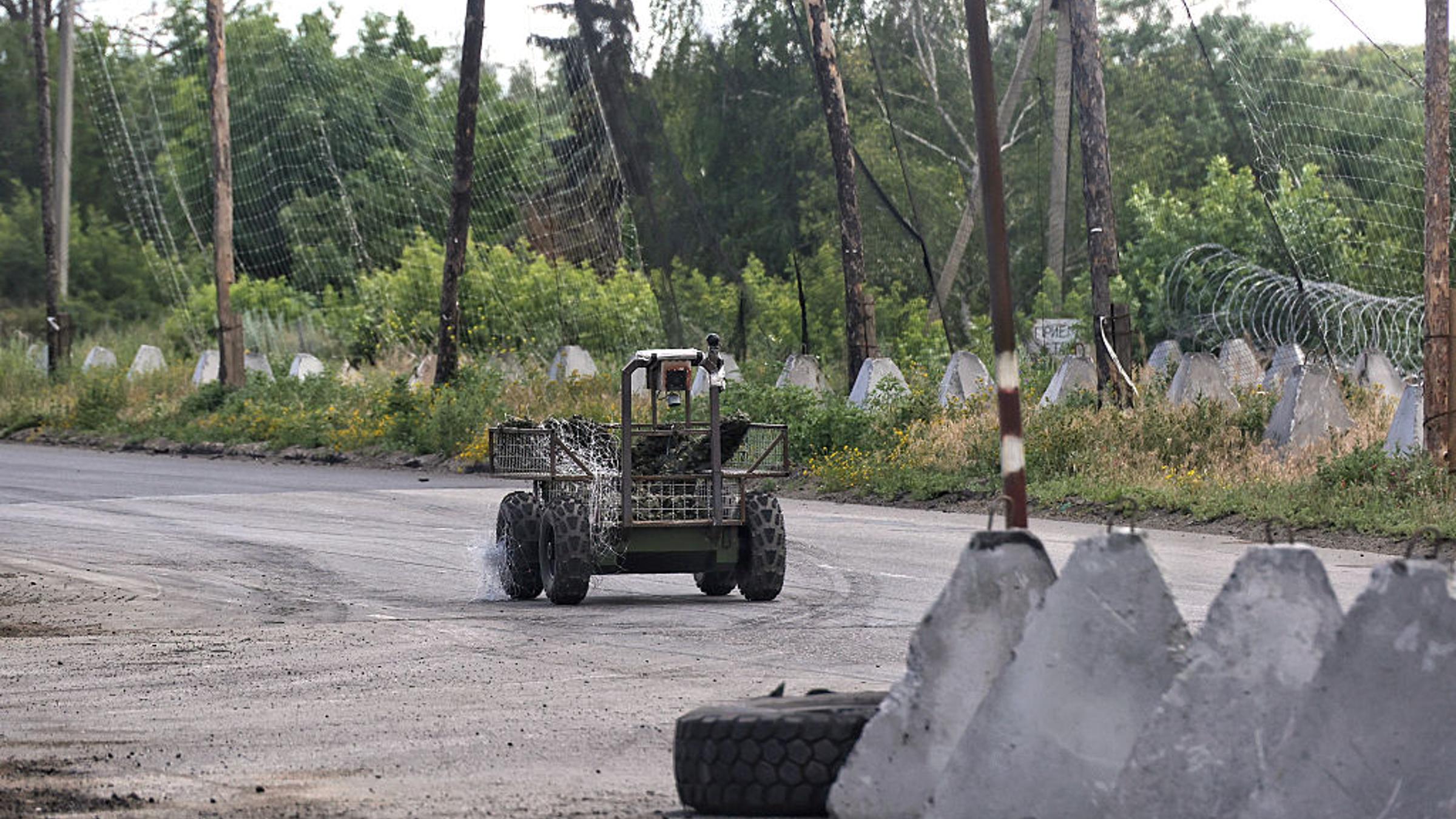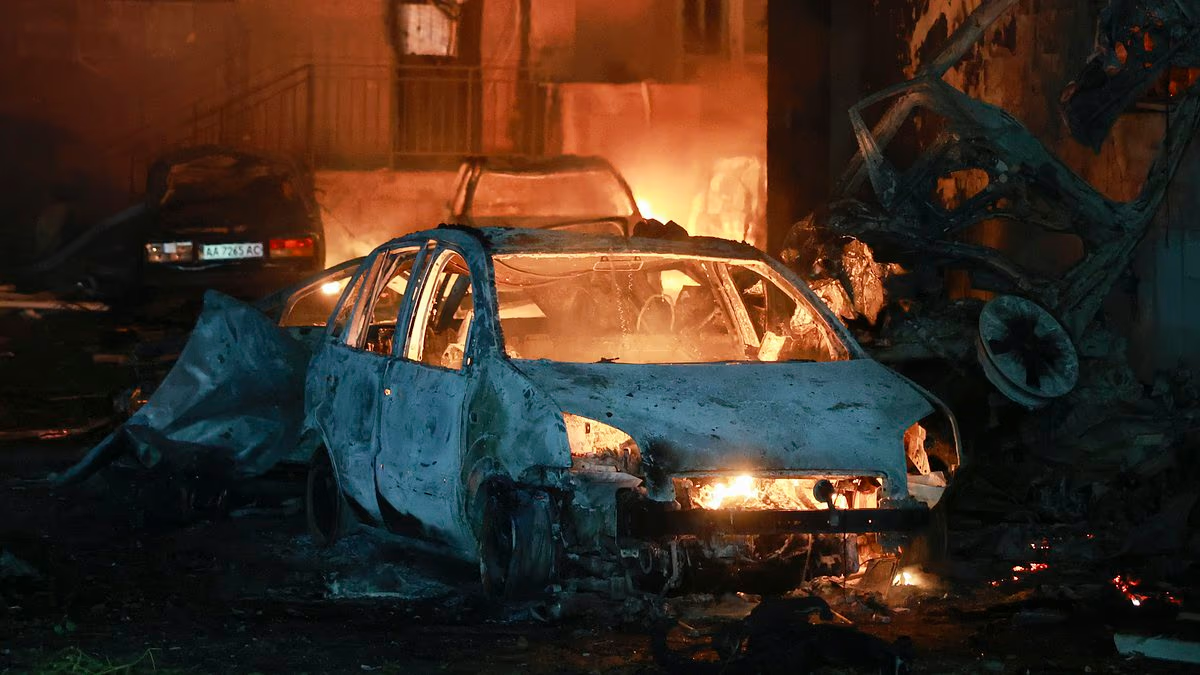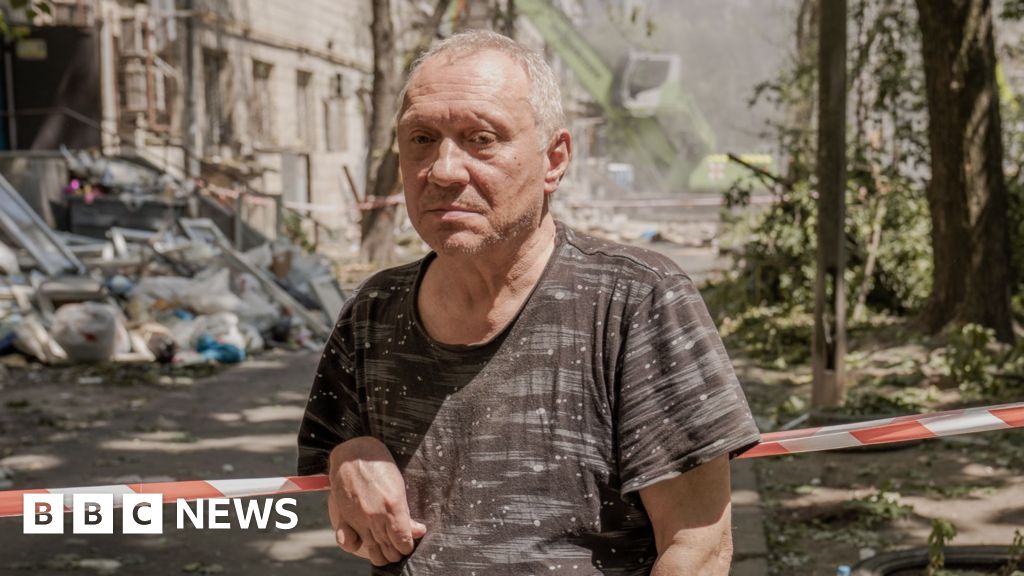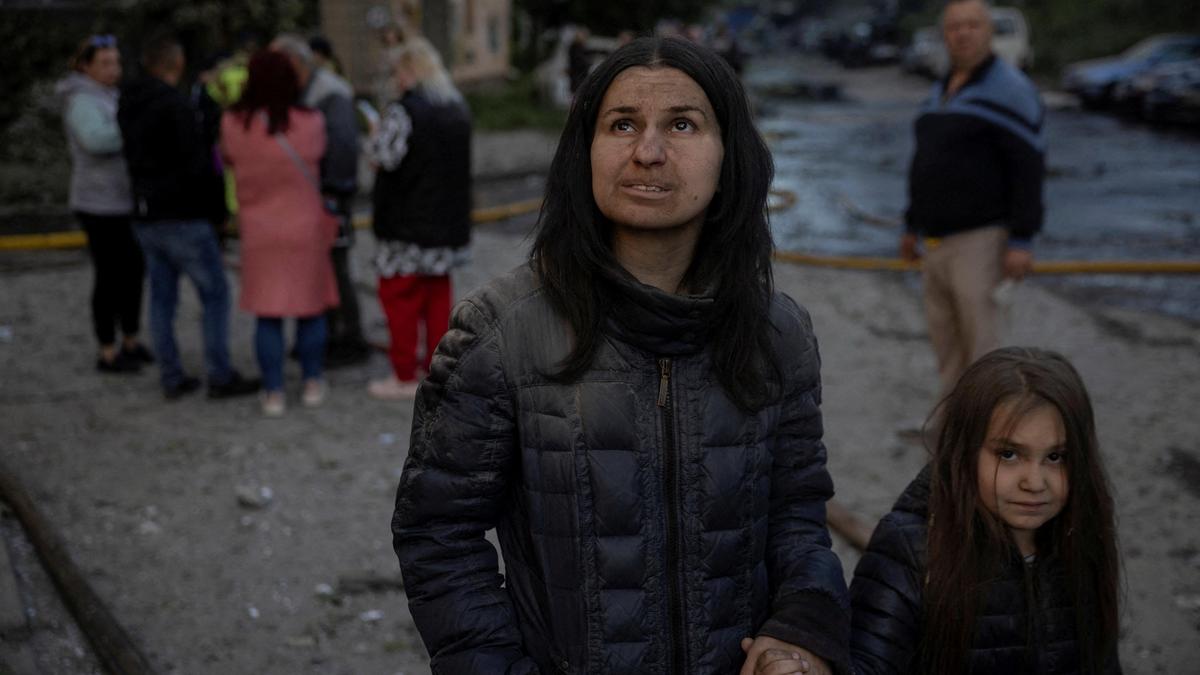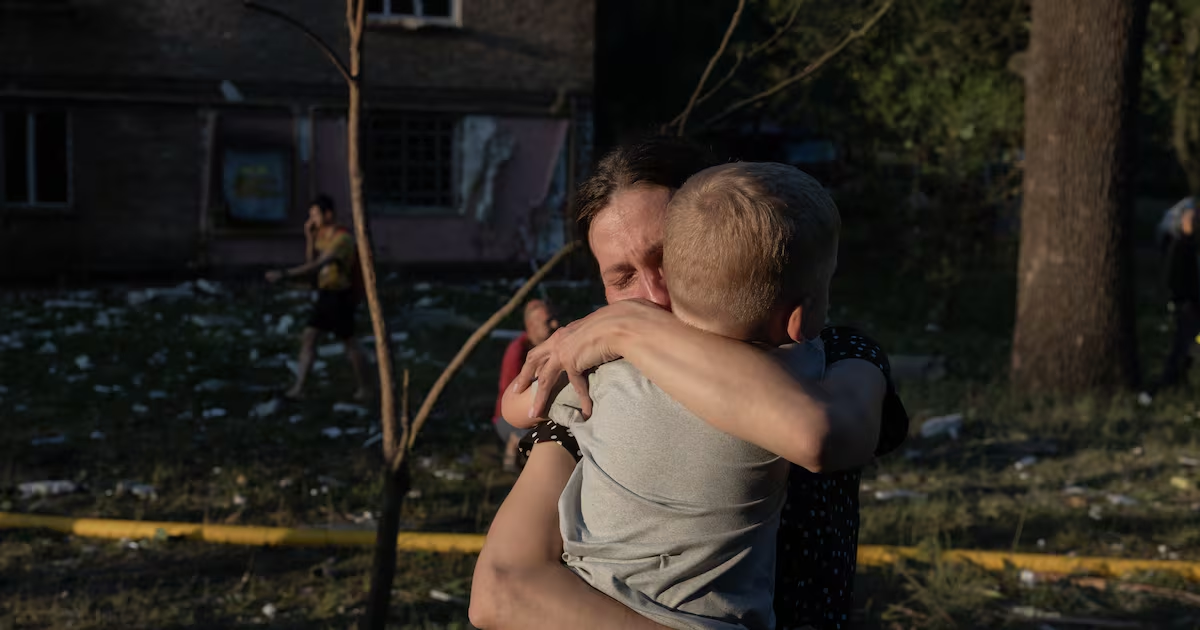
It is the mundane items you find in any home that catch your eye in the pile of rubble: a kitchen tablecloth, hand-held vacuum cleaner, the wire frame of a charred mattress, a smashed television set, an intact ceramic bowl and a bedside drawer. The apartment block on Dehtiarivska Street in central Kyiv was recently struck by a ballistic missile, destroying one side of the residential building. That barrage saw more than 100 missiles and 600 drones launched at the Ukrainian capital, one of the most intense bombardments since Russia launched its invasion four-and-a-half years ago. Eight days ago another massive ballistic missile attack shook the city. More than 40 missiles struck Kyiv in less than an hour, killing an 89-year-old woman and injuring several other civilians. Frustrated by Ukraine’s heavily fortified eastern defences, Russia has ramped up attacks on Kyiv and other cities. Iskander ballistic missiles and cheap, Iranian-designed Shahed drones are being used to devastating effect to overwhelm Ukraine’s stretched air defences. More Ukrainian civilians were injured this May than any month since April 2022. People in Kyiv are tired. “It’s hard, all is broken,” Lesia Mazanik, who lives a couple of minutes’ walk from Independence Square in the heart of the capital, told The Irish Times. “It’s not normal life. People are stressed.” Lambada, her seven-year-old Dachshund, a “dog of the war”, hates the air raid warnings, particularly the loud Soviet-era sirens. “I’ve never left Kyiv since the full-scale invasion,” she said. Lesia Mazanik, who lives in Kyiv, holding her dog Lambada. Photograph: Jack Power Her dog doesn’t do well in the underground bomb shelters, so they take cover in an interior alcove of her apartment building during attacks. The advice is to put two walls between yourself and any windows. “My close friends who live in Odesa, they lived four years through the war, but now they say it is unbelievable. They are bombed constantly,” she said. [ Why Ukraine is targeting Russia’s answer to AmazonOpens in new window ]It is not one-way traffic in the sky. Ukraine has had success deploying long-range drones to hit oil refineries, ports and logistics hubs inside Russian territory, bringing the reality of the war closer to Moscow. The campaign has put a squeeze on Russia’s supply of petrol and fuel. The strategy has been particularly effective in occupied Crimea, where Ukraine wants to make Moscow pay a higher and higher cost to govern the peninsula it annexed in 2014. This is a feature of what Jamie Shea, a former senior Nato official, describes as the “war of the rear”, where Russia and Ukraine are both focused on pushing the economy and society of the other closer to breaking point. Shea, who served as Nato’s deputy assistant secretary general for emerging security challenges, said Russia was still gaining yards on the battlefield but had been unable to punch through Ukraine’s “Maginot Line” of heavily fortified eastern defences.However, Shea, a former British official, said there was no sign of Ukrainian forces being able to muster a significant counterattack. “Manpower reserves are really drying up,” he said, which was a real concern. The success of Ukraine’s “middle strike” drone campaign has exposed previous hesitance by western allies to arm Kyiv’s forces to launch longer range missiles as a real misstep. Ukraine's president Volodymyr Zelenskiy (centre right) and general Oleksandr Syrskyi (centre left), at a command post in Slovyansk in March. Photograph: Brendan Hoffman/The New York Times
The new shape of Ukraine’s war
The conflict with Russia has entered a new phase, one defined less by territorial gains than by intense technological competition
2,045 words~9 min read