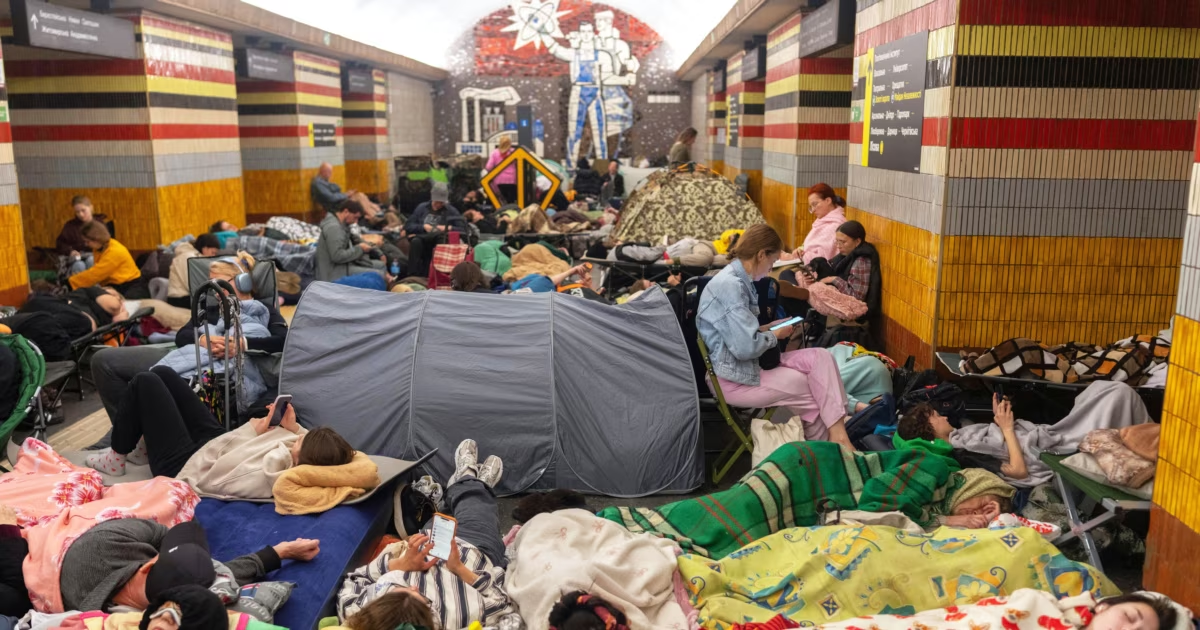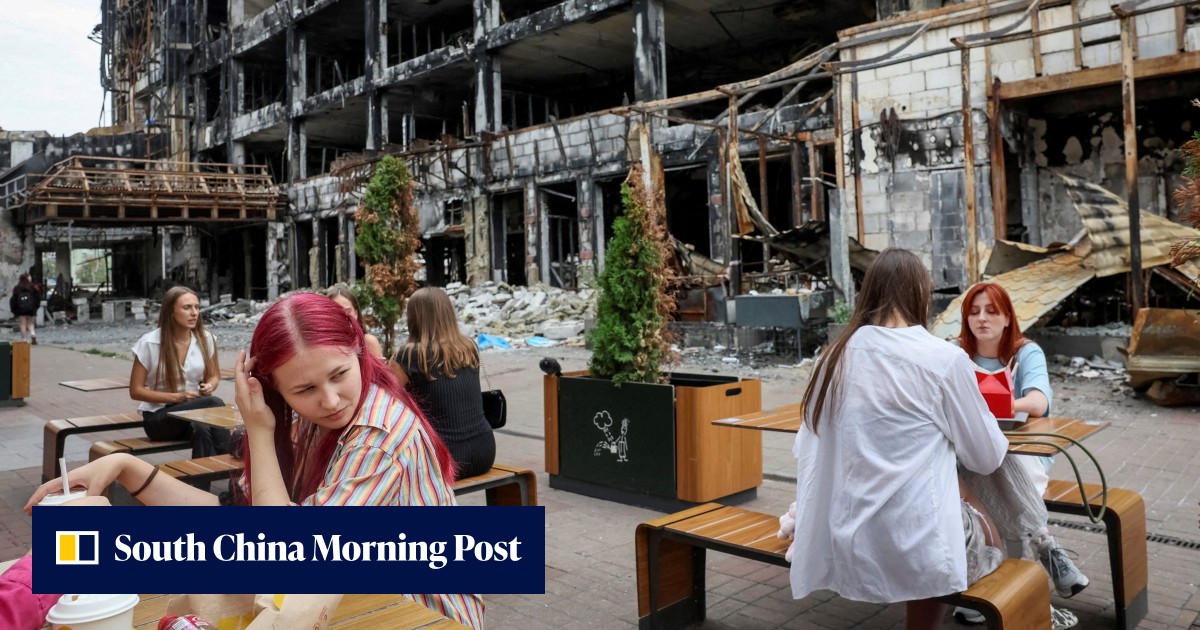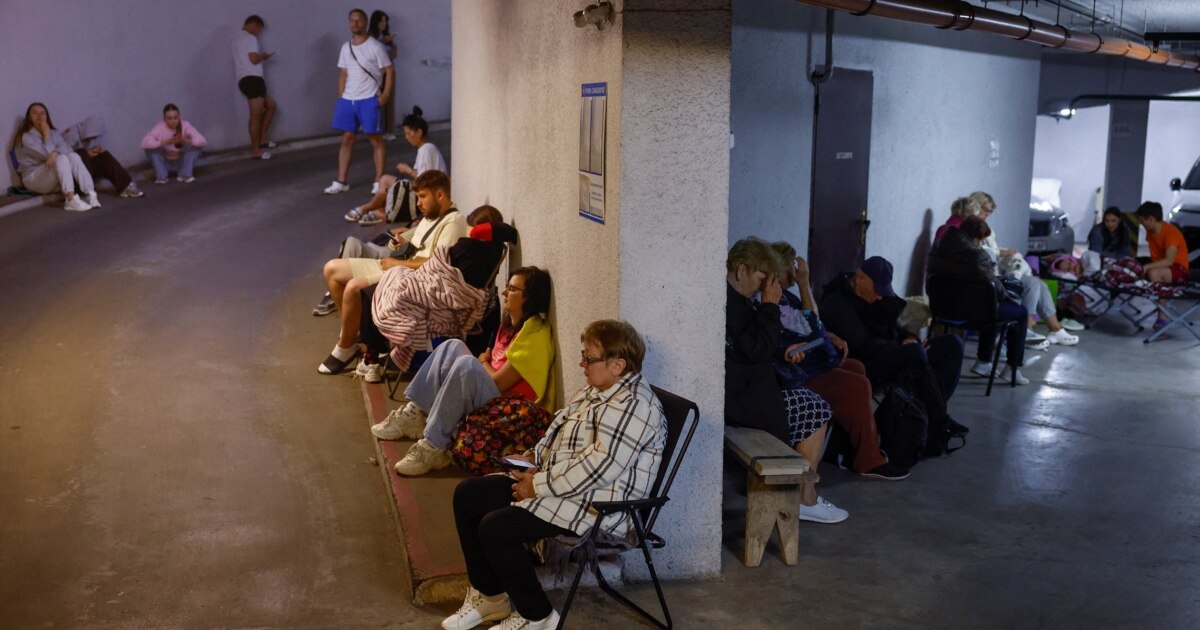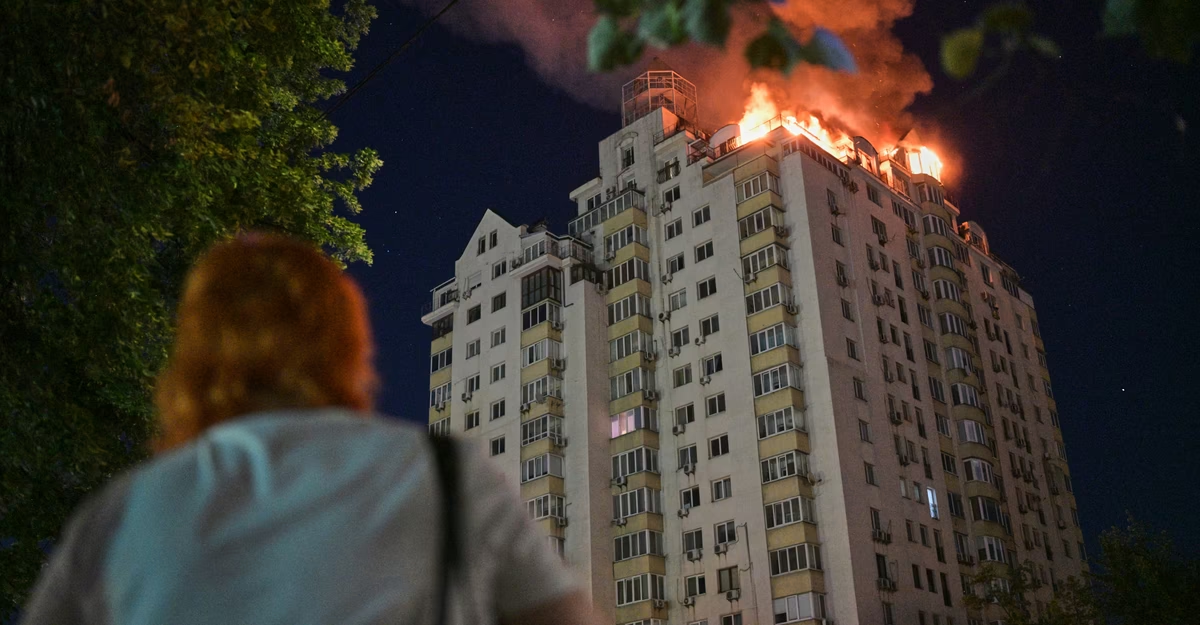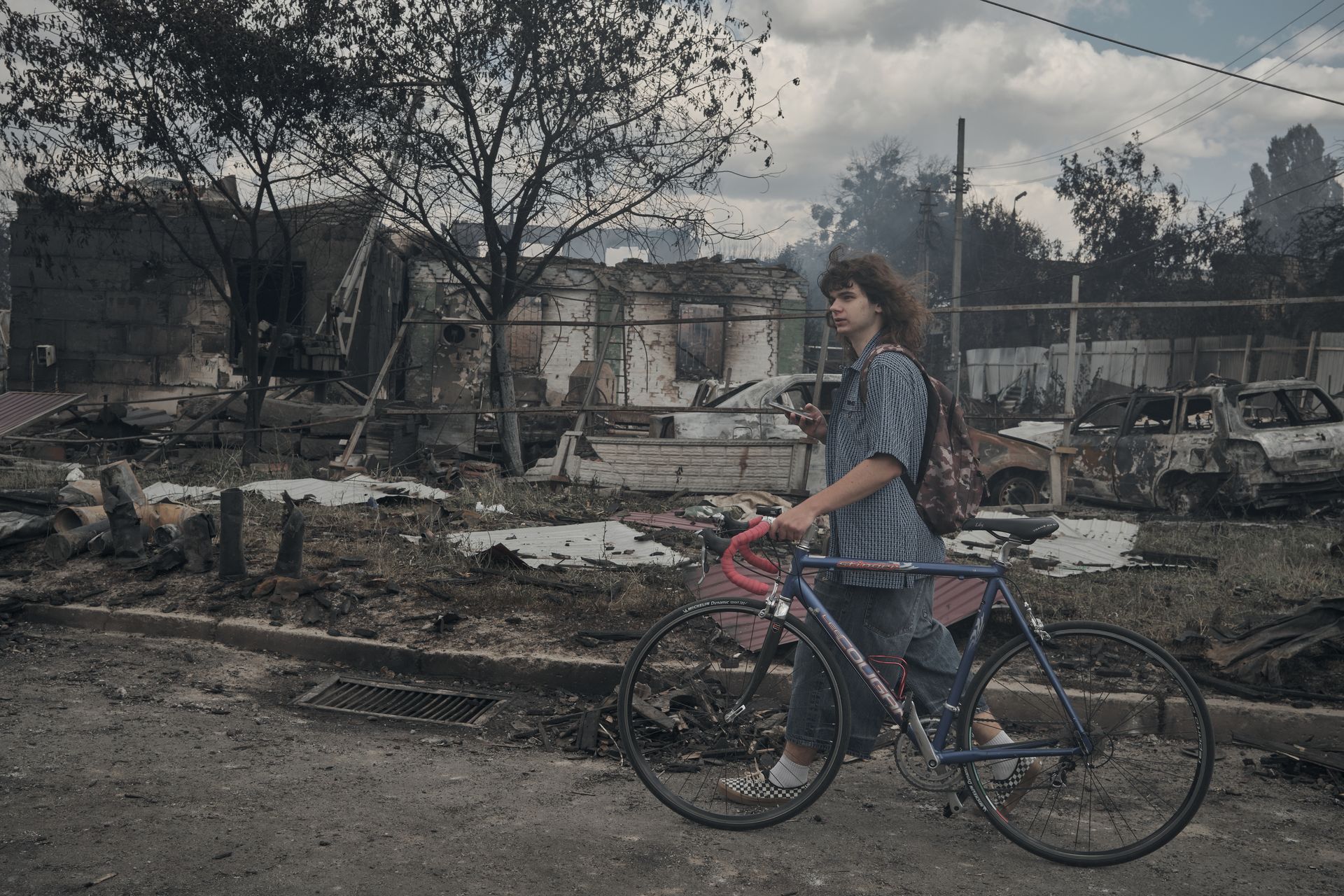
Now, he told AFP in Kyiv, that has changed.Russia's strikes on the Ukrainian capital have become "more aggressive", "more massive" and "more intense", Virskovsky said."It's somehow become more frightening, and I've started going down to the shelter... I've begun to take safety more seriously than before," the student added.Moscow has been firing missiles and drones at Kyiv since the first day of the invasion.
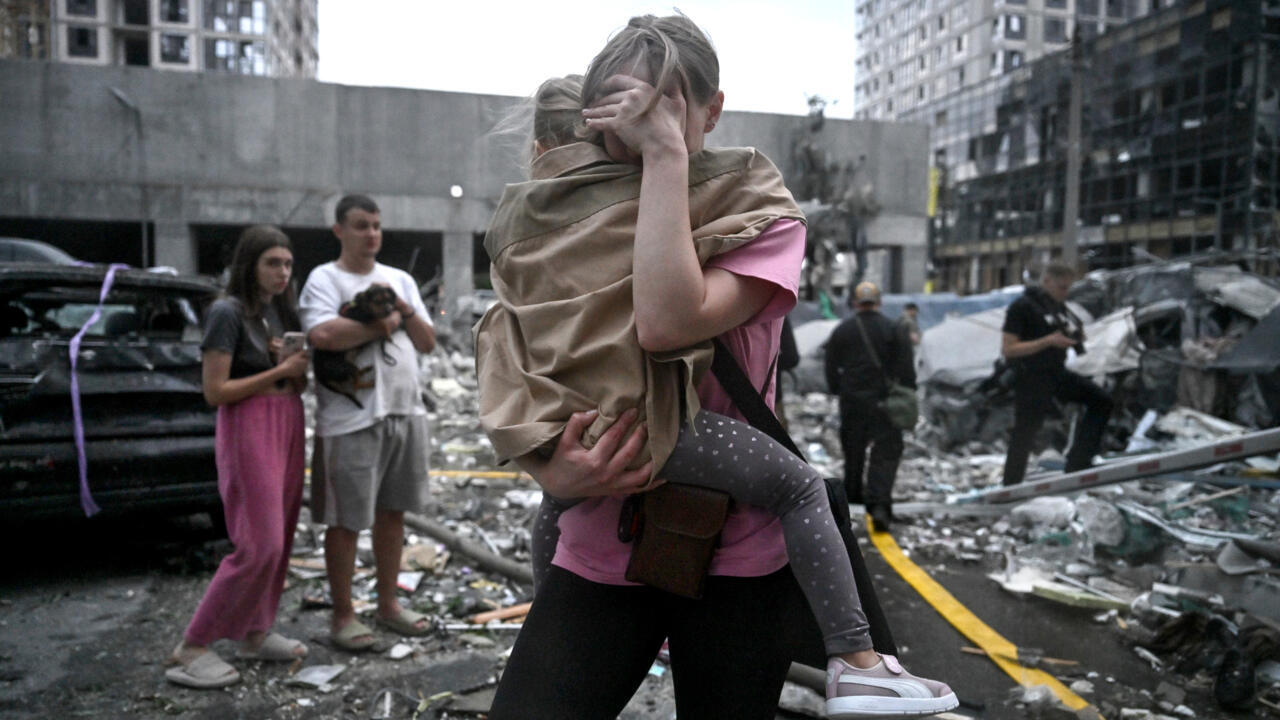
More than 50 people have been killed in Kyiv so far in July © Roman PILIPEY / AFP
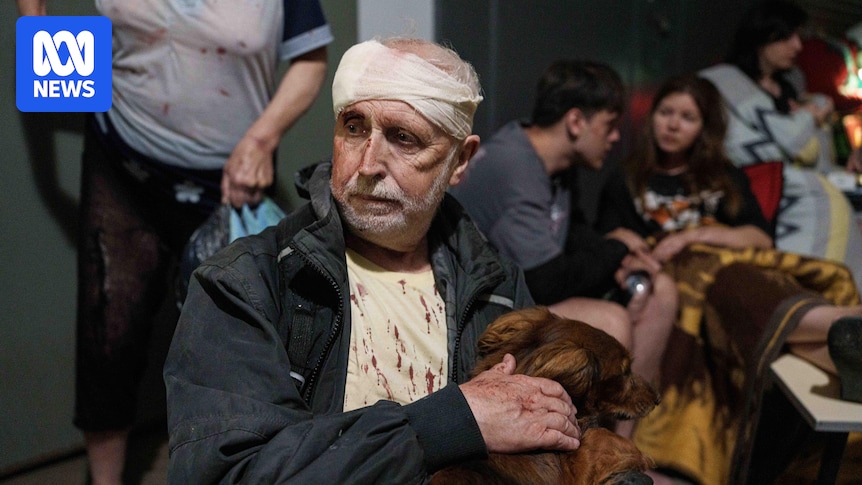
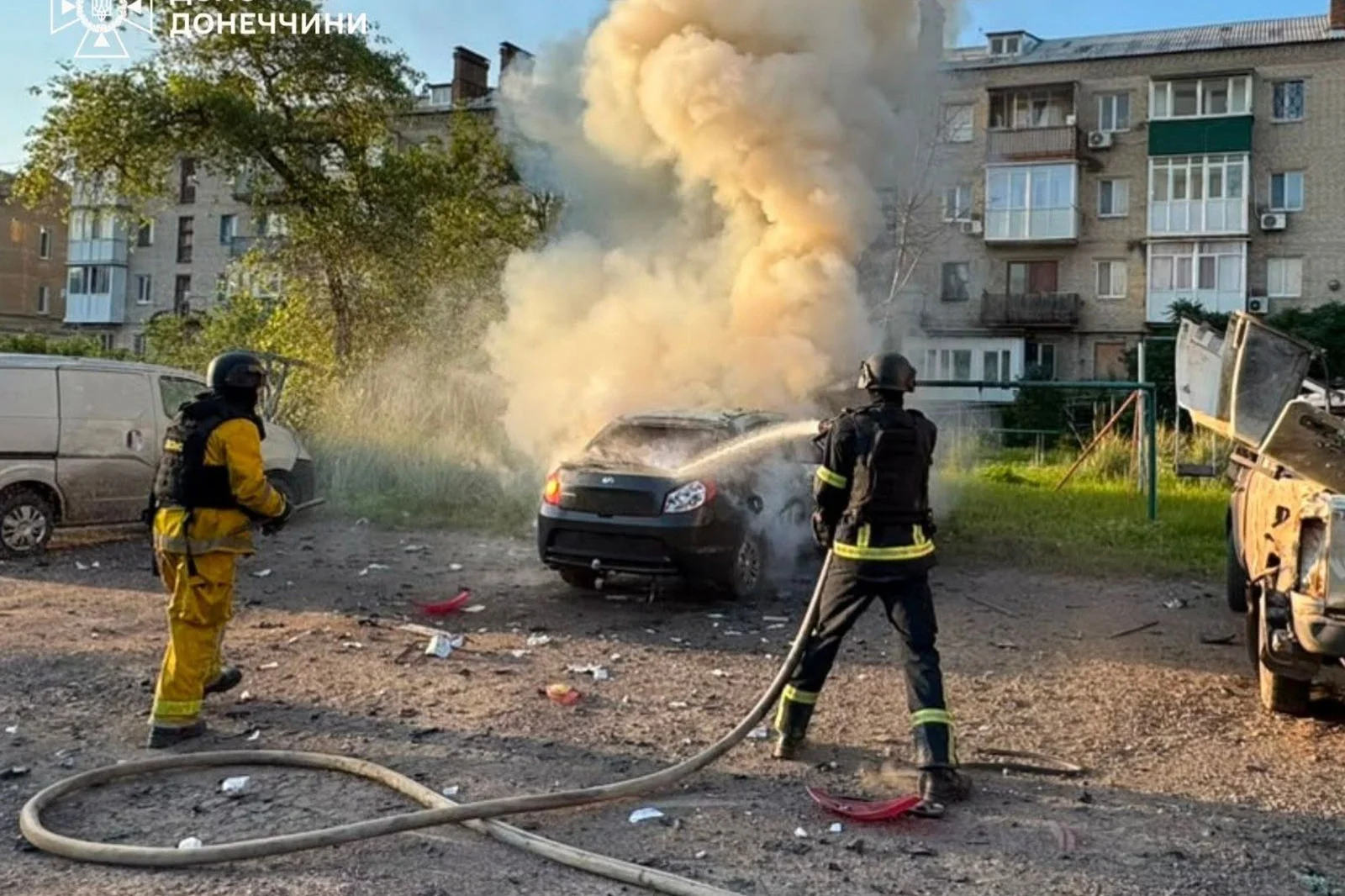
But a spate of deadly attacks using dozens of ultra-fast ballistic missiles that Ukraine's air defences struggle to intercept have frayed nerves.More than 50 people have been killed in Kyiv so far in July -- with two of the deadliest strikes on the capital of the entire war coming less than a week apart.In a strike on the night of July 5-6, Kyiv's defences failed to down a single ballistic missile -- a worrying development for what was previously seen as the best protected area of the country.In another attack, the blast of a missile over the Kyiv skyline rocked sleeping residents even before the city's air alert sirens managed to sound.It was a rare, unexplained, glitch in a system that blares out warnings of incoming attacks multiple times a day through loudspeaker announcements on the street and metro, and the collective ping of phone notifications.'Nerve-racking'President Volodymyr Zelensky has conceded Ukraine does not have enough US-supplied Patriot missile interceptors to adequately protect the city.At a NATO summit on Wednesday, US President Donald Trump appeared to give the green light for Kyiv to start manufacturing its own -- but the details remain unclear and it will take months before they can be used.