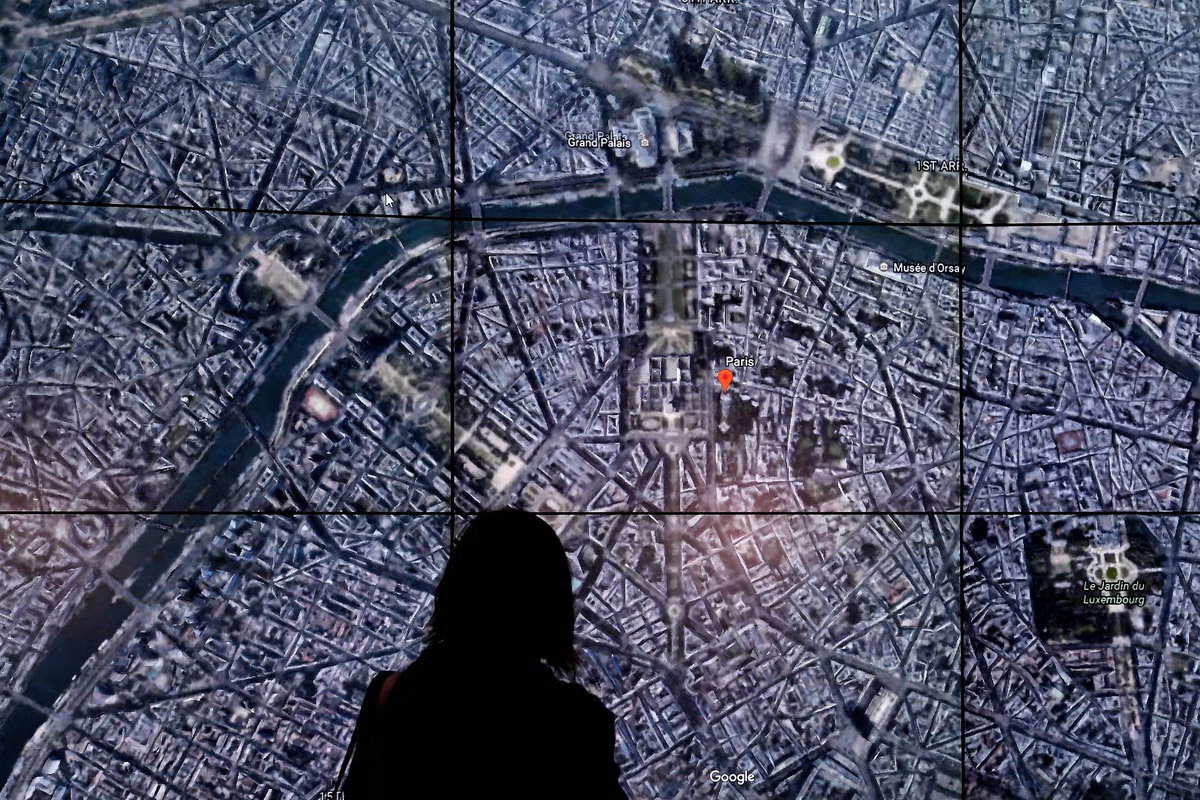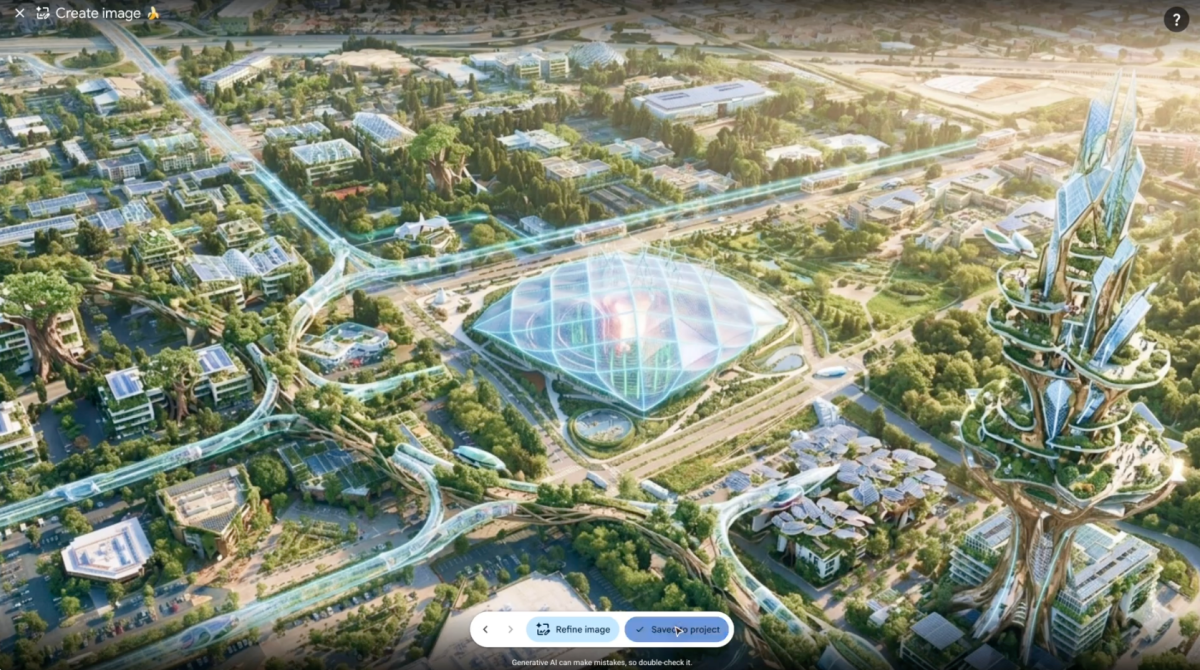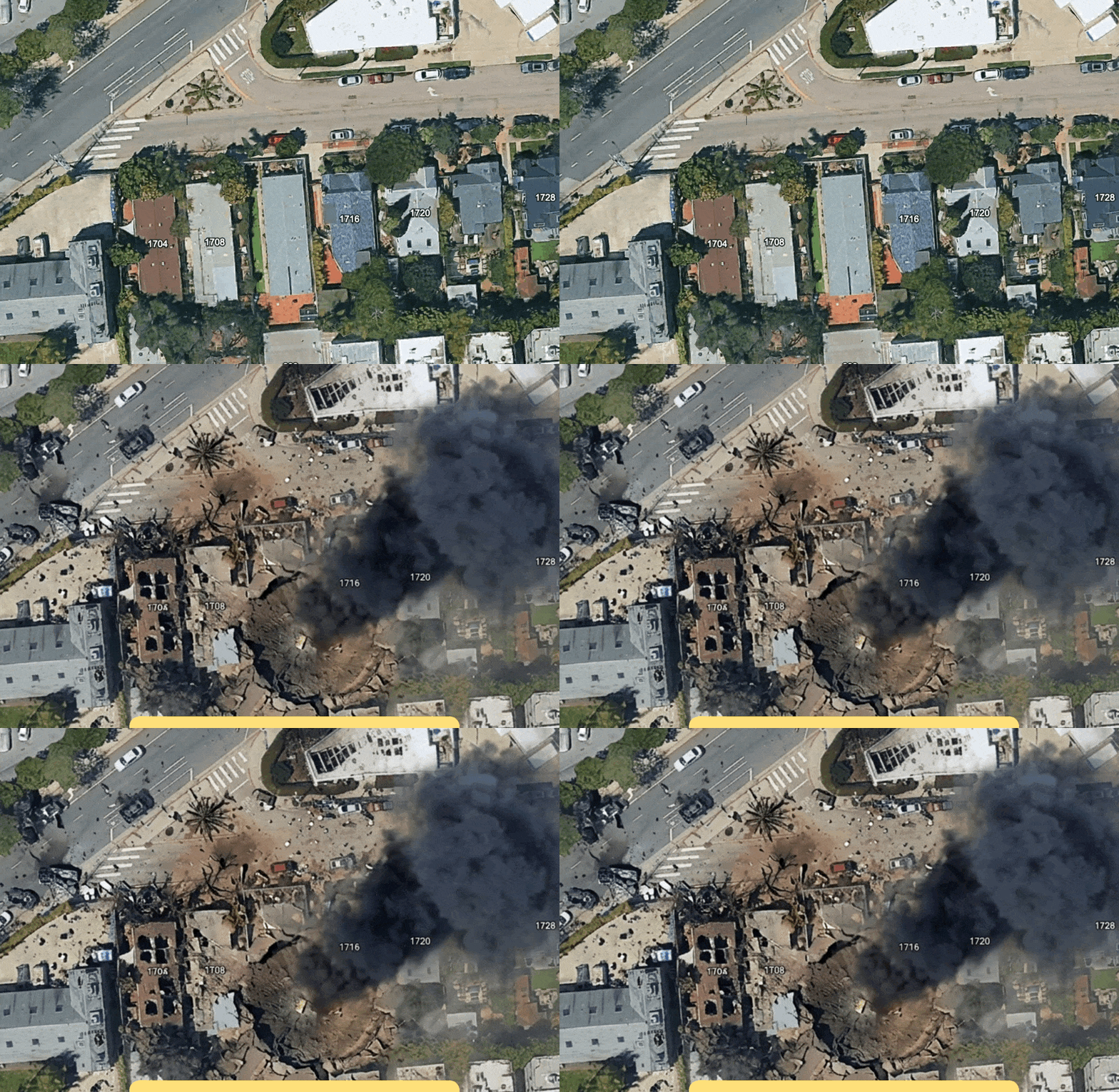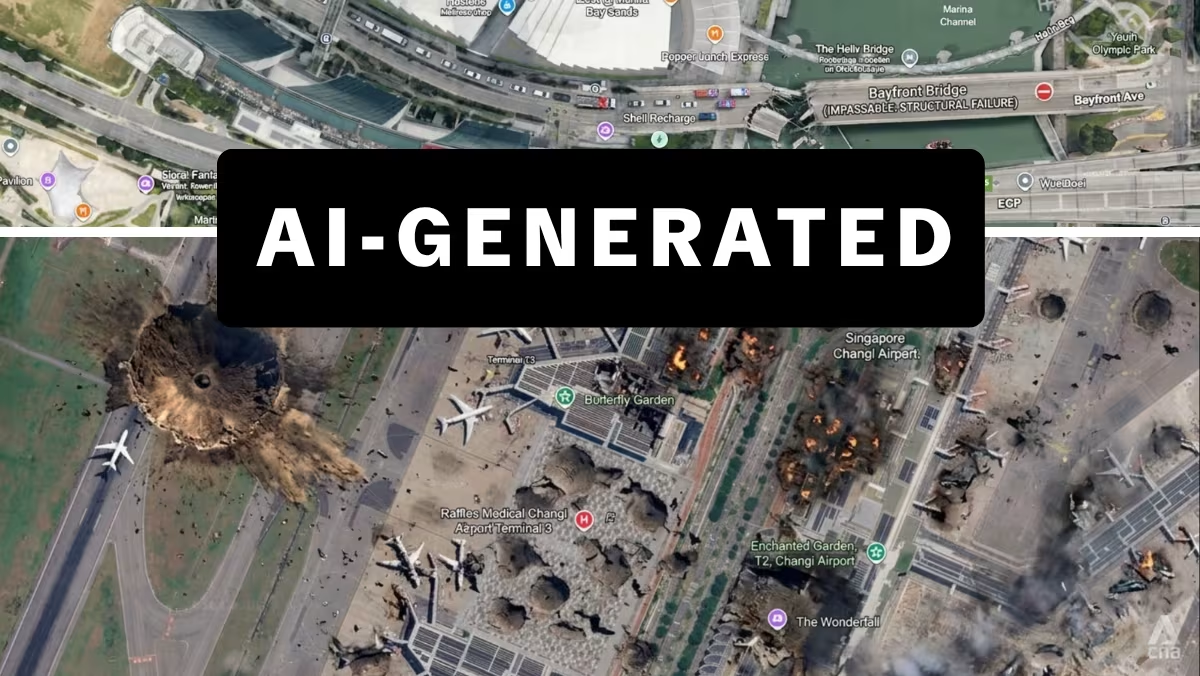
SINGAPORE: Aerial scenes of destruction at Singapore’s Changi Airport, a fire at the Gardens by the Bay park, a collapsed bridge near the Marina Bay Sands resort: None of these happened, but for a day, anyone could generate such hyper-realistic images using just a single-sentence AI prompt.Google on Friday (Jul 31) pulled back a new feature it unveiled just over 24 hours earlier, which allowed users to create such images by directly using Nano Banana - the tech giant’s own AI image generator - within the Google Earth satellite imagery website. In its initial Thursday announcement, Google framed the feature around imagination and planning, such as visualising a new neighbourhood or creating a real estate blueprint.But it drew swift criticism from experts across the fields of journalism, AI and open-source intelligence, who warned that the feature could allow disinformation to be created more easily, and more quickly. Prominent open-source investigator Henk van Ess was among the first to call this out, arguing in an early Friday blogpost that it would cause more harm than good.While fake, AI-generated images are not new, experts also noted that the Google Earth development would exacerbate an already fraught situation. Satellite imagery, in particular, has long been viewed as more credible and also relied on to debunk falsehoods; the new feature rendered a free, accessible and leading option in this space as a tool for spreading convincing falsehoods instead.
For a day, anyone could create and spread fake Singapore satellite images. Then Google backtracked
A new Google Earth AI-generation feature has been pulled after backlash and concerns over disinformation risks.
972 words~4 min read