Academia
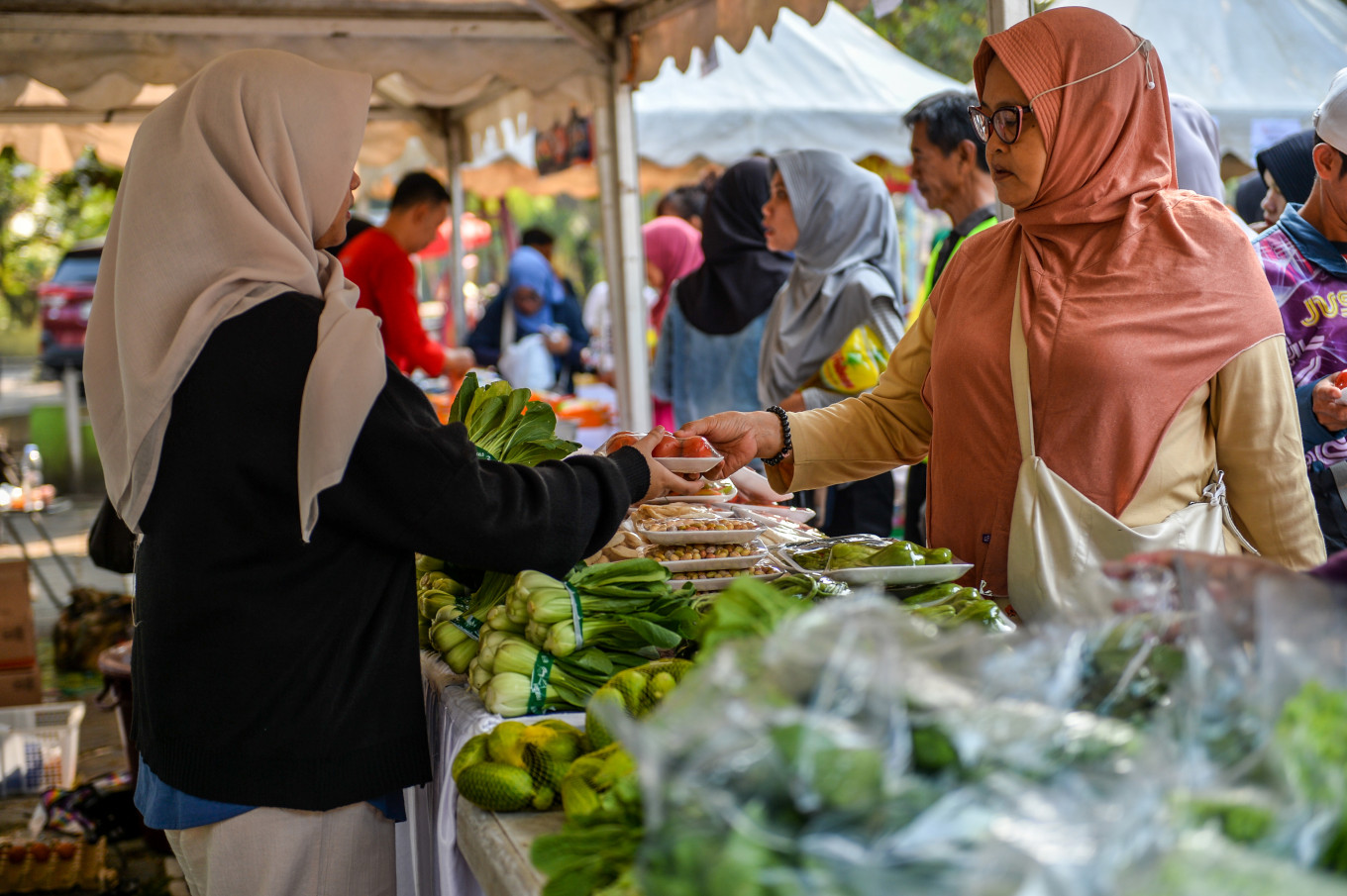
By transforming the free nutritious meal program from a centralized distribution chain into a community-rooted model, the nation can feed its children while also empowering its farmers and regional economies.
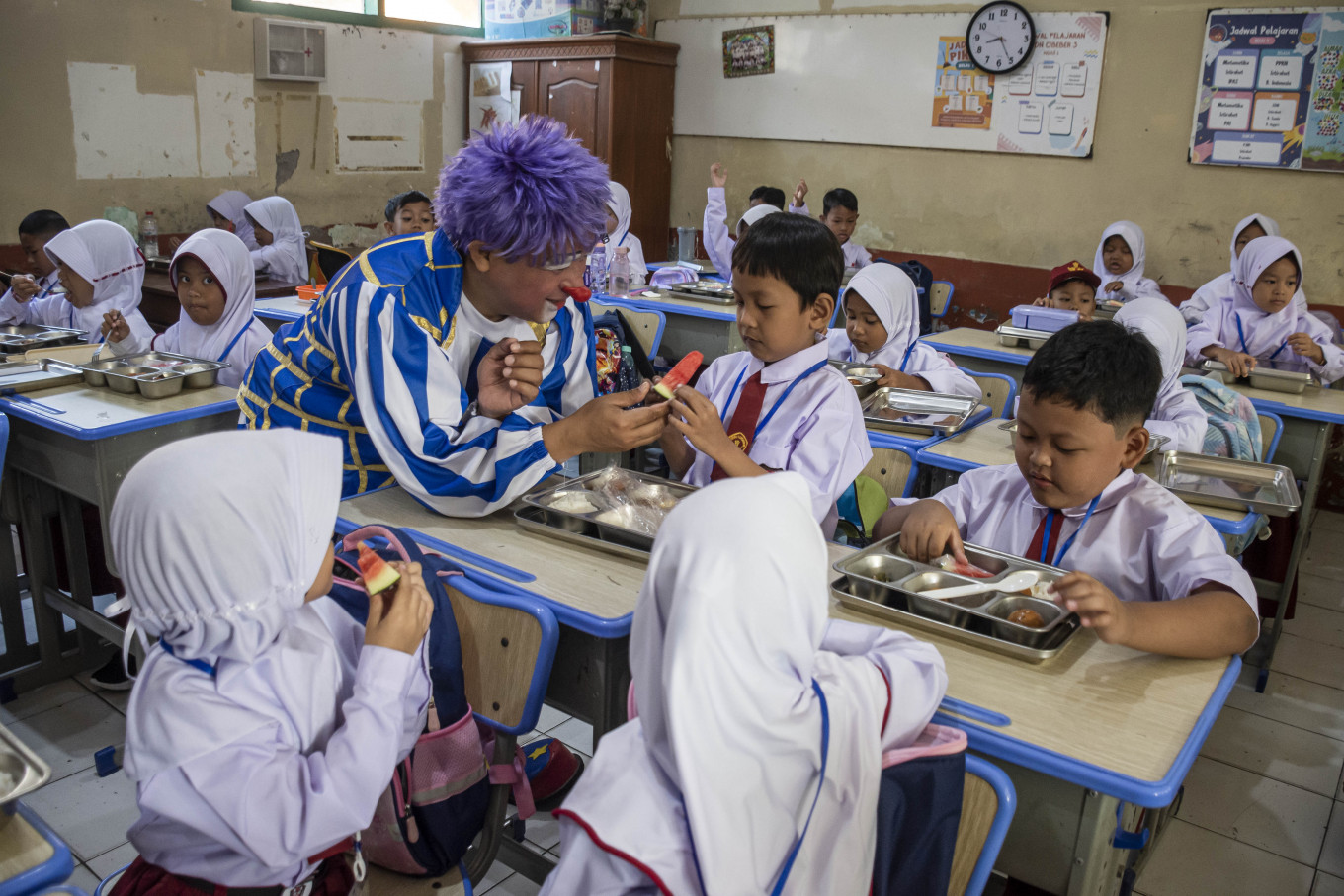
A member of the Cimahi Clown Community presents a slice of watermelon to a student on July 14, 2026, during an orientation program it organized for new students at SDN Cibeber elementary school in Cimahi, West Java, combining entertainment, motivational activities and education while promoting the government's free nutritious meal program. (Antara/Abdan Syakura)
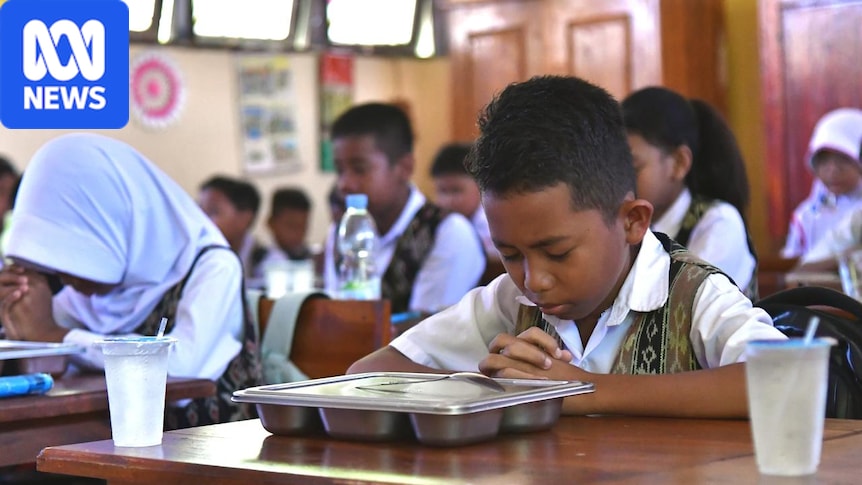
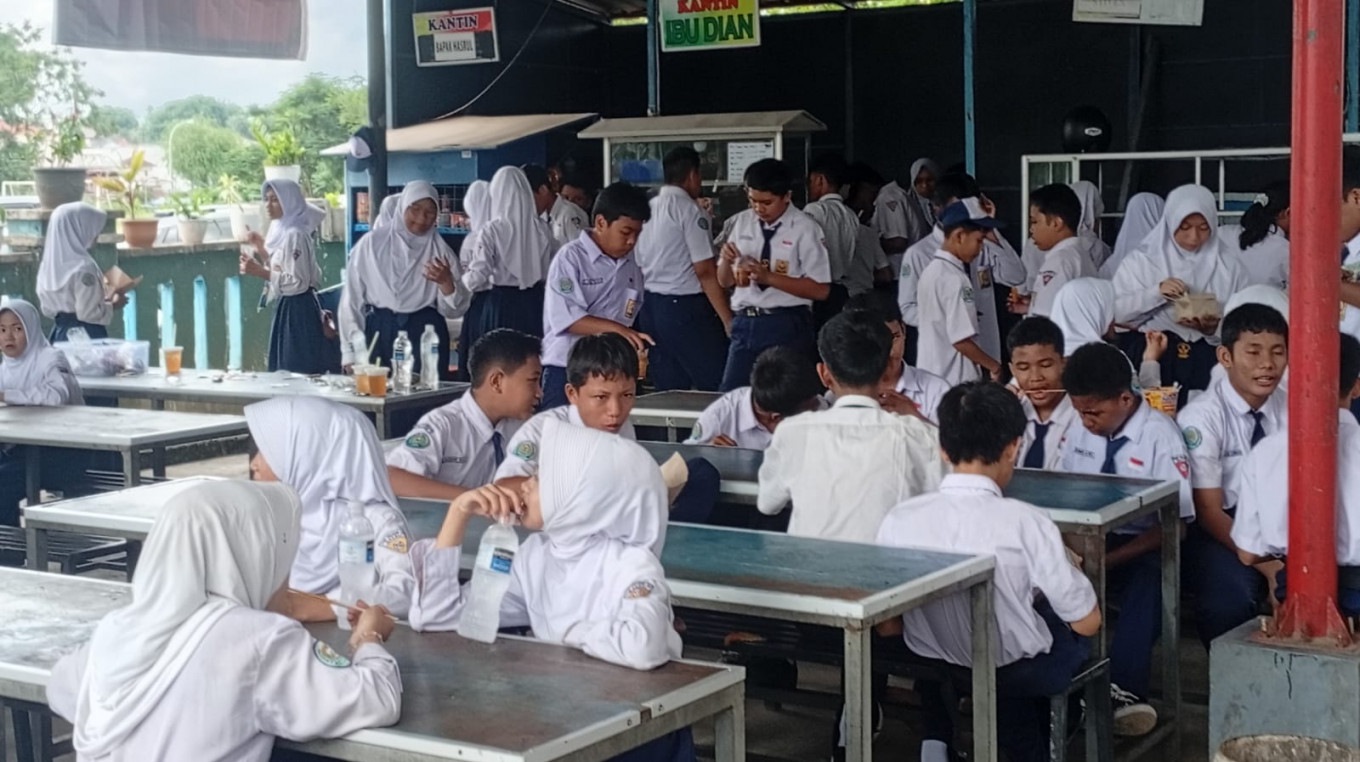
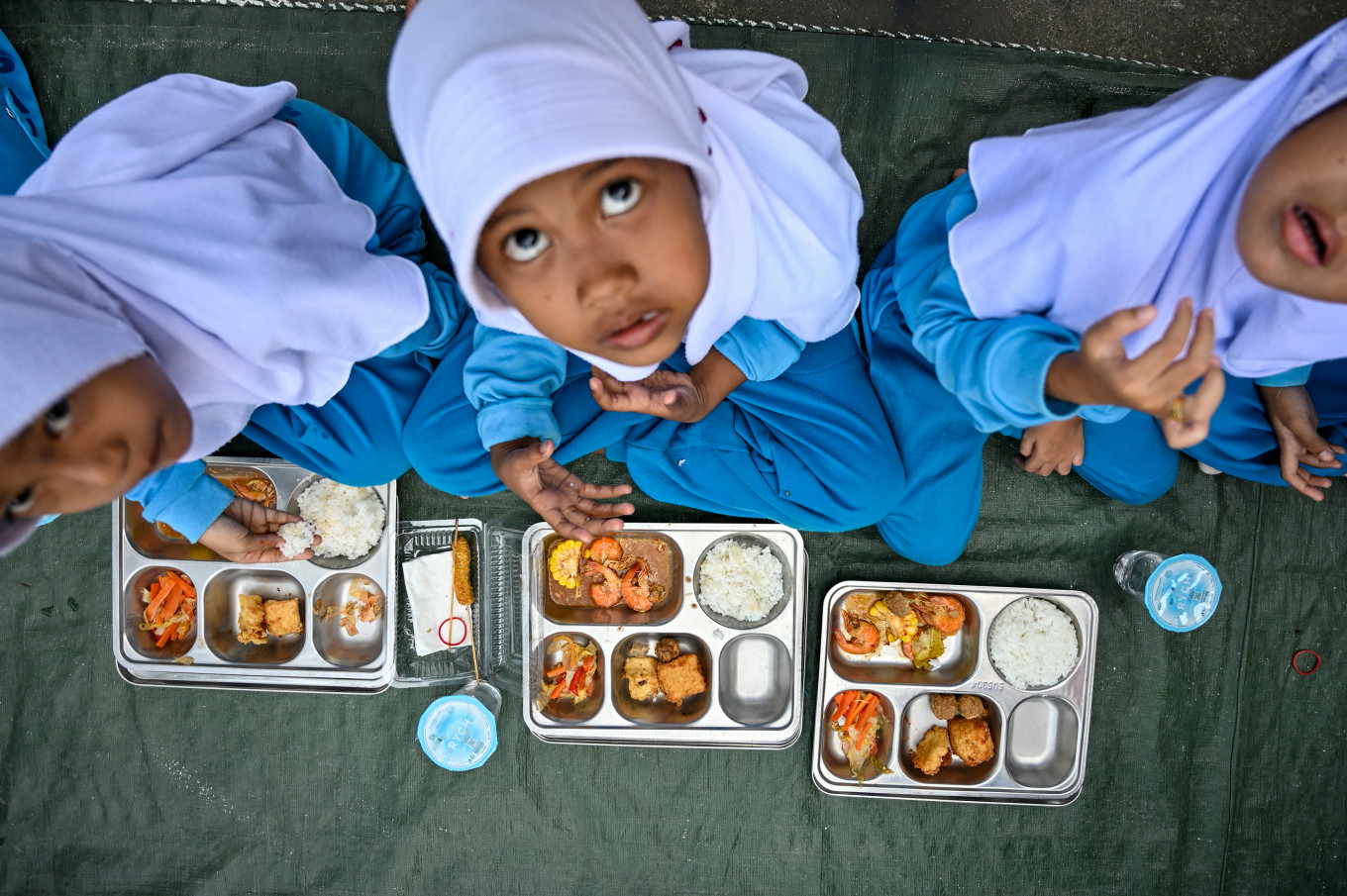
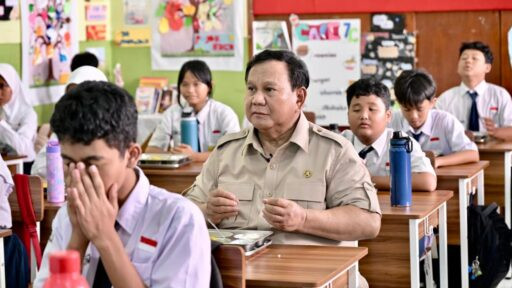
Every school meal tells a much larger story, one that begins long before food reaches a child's plate: with farmers deciding what to plant, local markets supplying ingredients, kitchens preparing meals and communities working together to ensure children are healthy enough to learn. That is why Indonesia's free nutritious meal (MBG) program should never be judged simply by the volume of food it distributes.From the outset, the program's ambition has been far greater: to improve child nutrition, strengthen human capital and invest in the long-term future of the country. As the initiative matures, the primary imperative is no longer how quickly it can expand but how effectively it can adapt to the diverse communities it serves.