Editorial
Success shouldn't be measured by headline-grabbing numbers, but by whether free meals actually reach the vulnerable children who need them most.
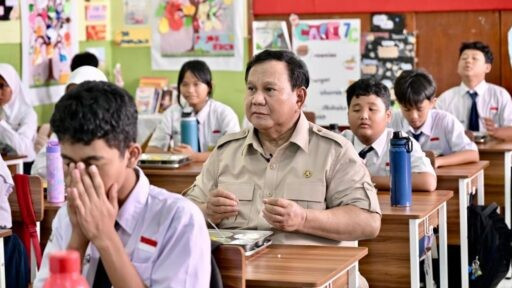
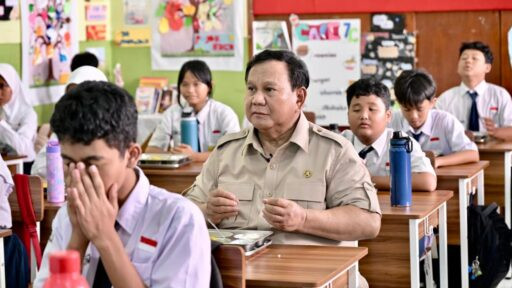
President Prabowo Subianto inspects the implementation of the free nutritious meals program at State Junior High School (SMPN) 111 Jakarta on June 2, 2026. (Courtesy of/The Palace's Press Bureau (BPMI))
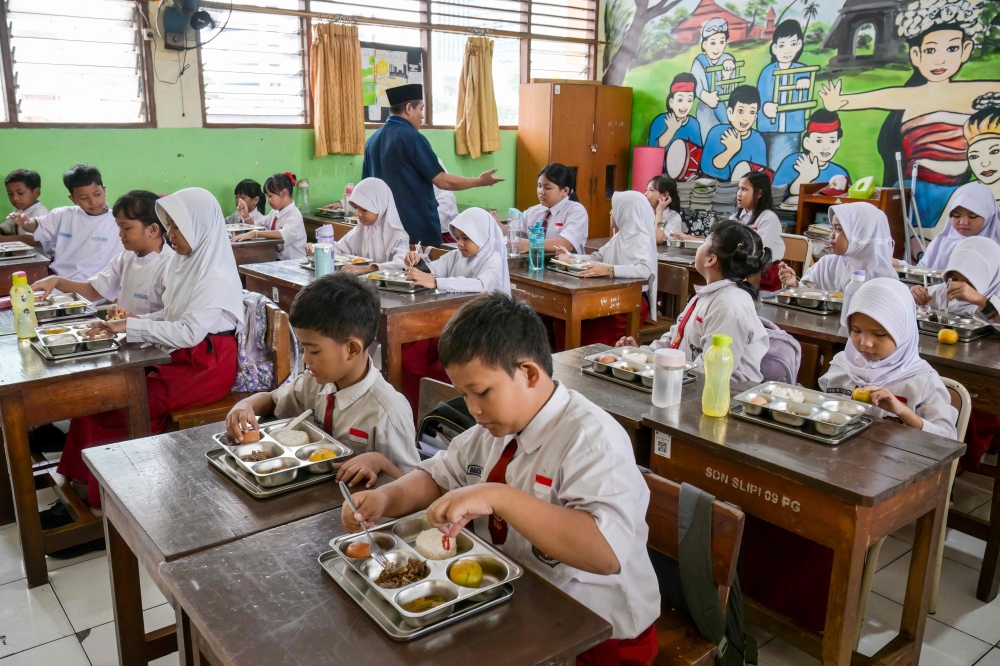
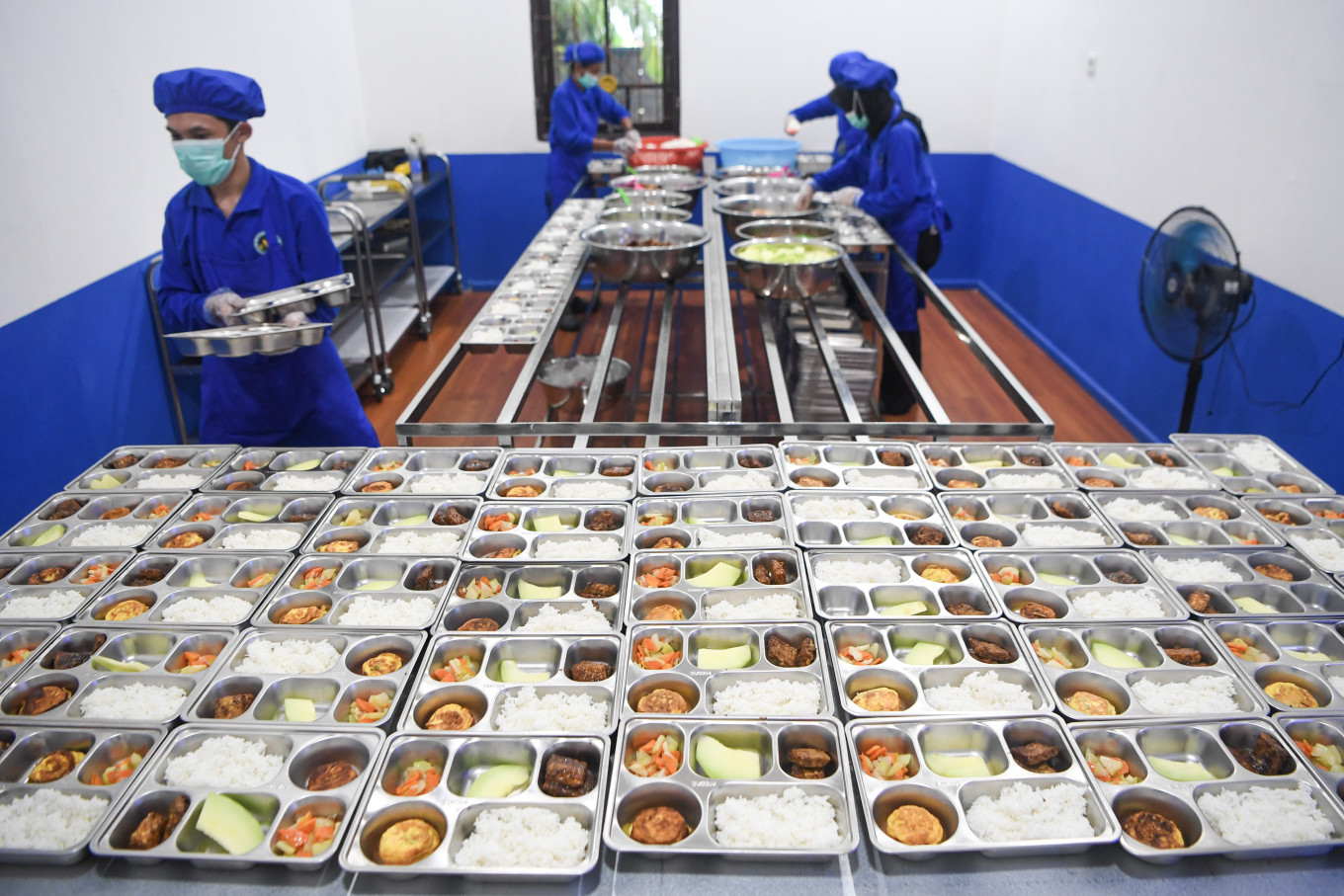
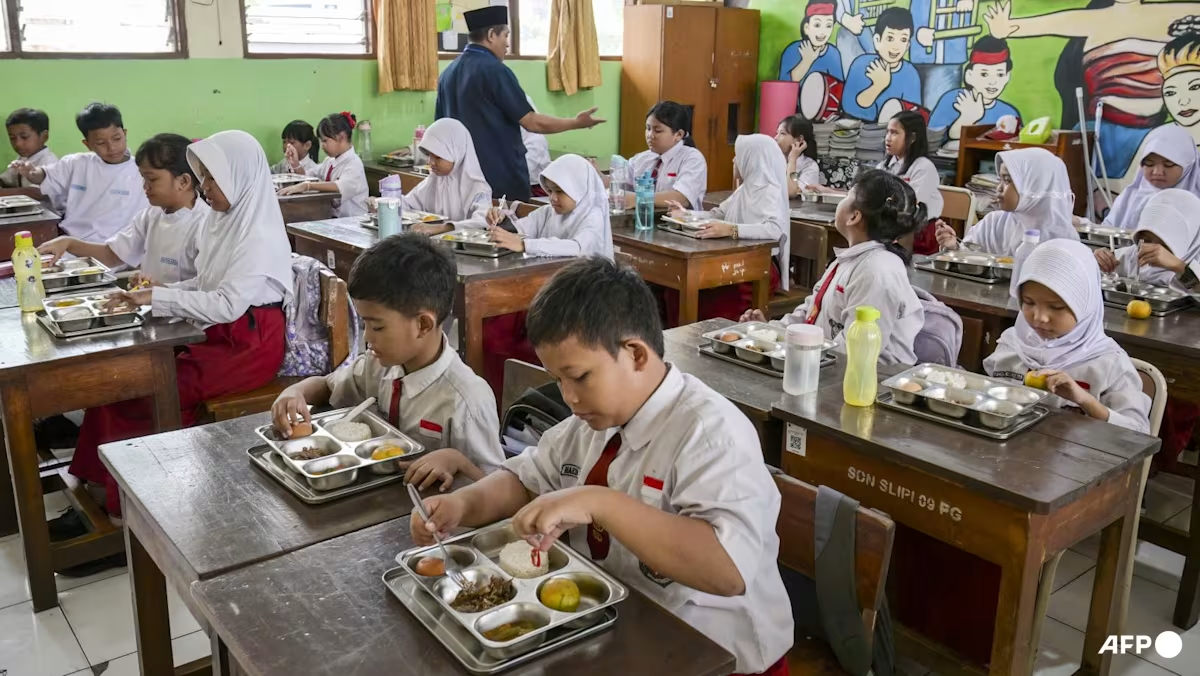
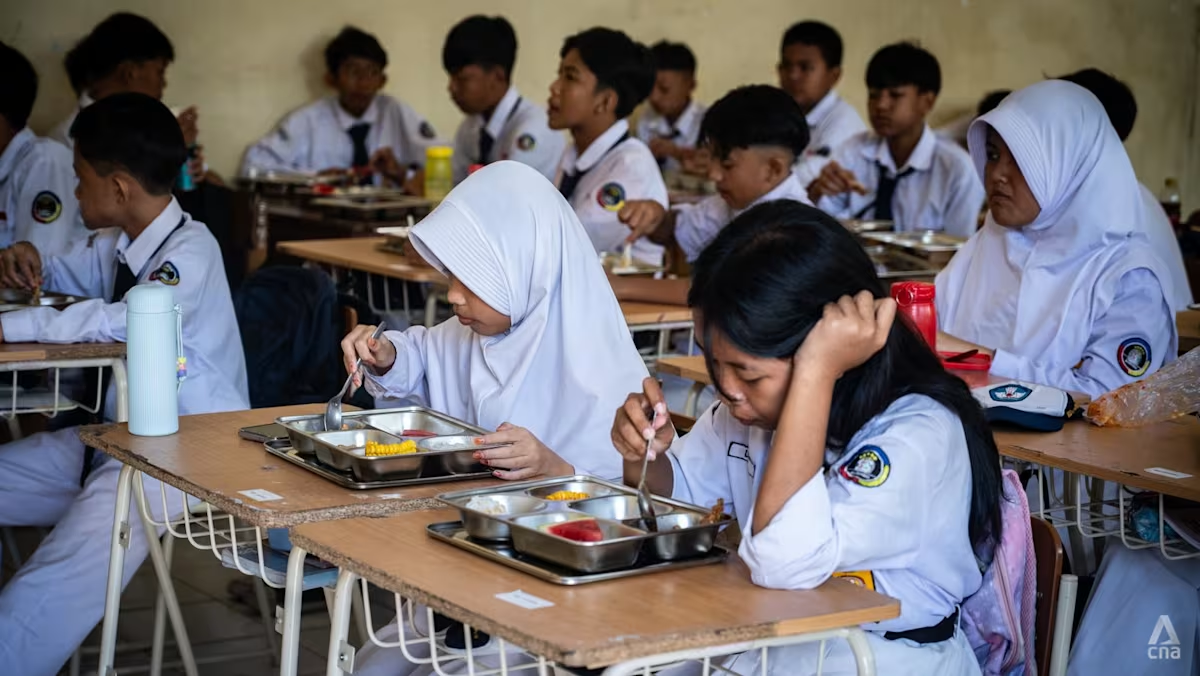
President Prabowo Subianto’s flagship free nutritious meals program to combat stunting and malnutrition has faced intense public scrutiny since its launch early last year, owing to what many view as an overly ambitious target of reaching nearly 83 million students and pregnant women nationwide, as well as its massive budget allocation.This year’s budget was initially set at Rp 335 trillion (US$18.65 billion) before being reduced to Rp 268 trillion to improve efficiency and sharpen targeting, amid reports that some beneficiaries, particularly from middle-income households, had rejected the program over concerns about food quality, nutritional value and safety.
Adding to those concerns, the Indonesian Education Monitoring Network (JPPI) reported that more than 37,000 students nationwide experienced food poisoning after consuming meals distributed through the program between January 2025 and May 2026.