Academia
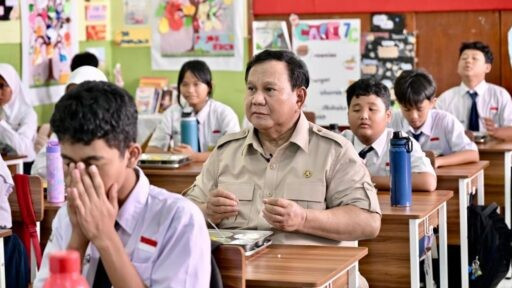
President Prabowo Subianto inspects the implementation of the free nutritious meals program on June 2, 2026, at State Junior High School (SMPN) 111 Jakarta. (Courtesy of/The Palace's Press Bureau (BPMI))
President Prabowo Subianto's free nutritious meal program was conceived as a transformative social policy to improve child nutrition, strengthen human capital and demonstrate the state's ability to deliver tangible benefits to millions of Indonesians. It is also the policy most closely associated with his presidency. More than any other initiative, its success or failure will shape public perceptions of his administration.Yet the growing wave of corruption scandals engulfing the National Nutrition Agency (BGN), the institution responsible for implementing the program, suggests the problem may run deeper than individual misconduct. Prosecutors have accused former senior BGN officials of using foundations connected to meal-production kitchens to obtain unlawful benefits, and of manipulating procurement through budget markups and other irregularities.
Recent arrests and investigations have transformed what initially appeared to be isolated allegations into a broader governance crisis. The most important question is no longer whether corruption occurred, but whether the program's design itself makes corruption unusually difficult to prevent.