Academia
Large-scale food fortification is one of the most effective, affordable and evidence-based strategies to address micronutrient deficiencies.
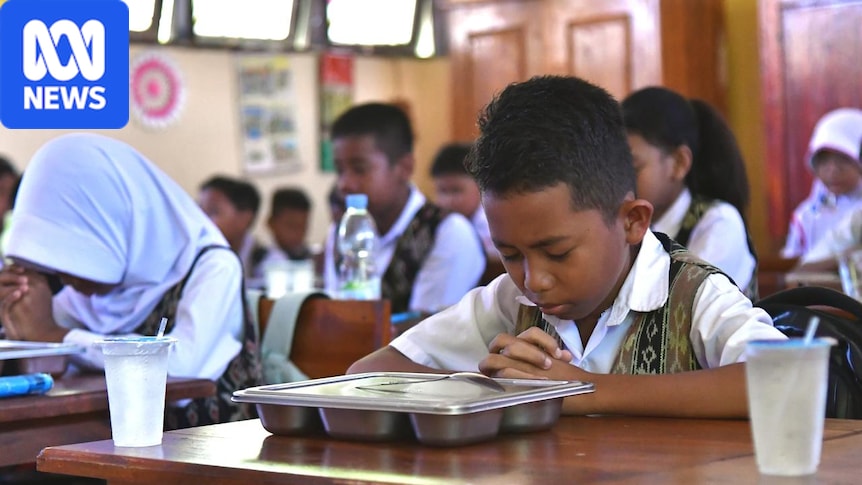
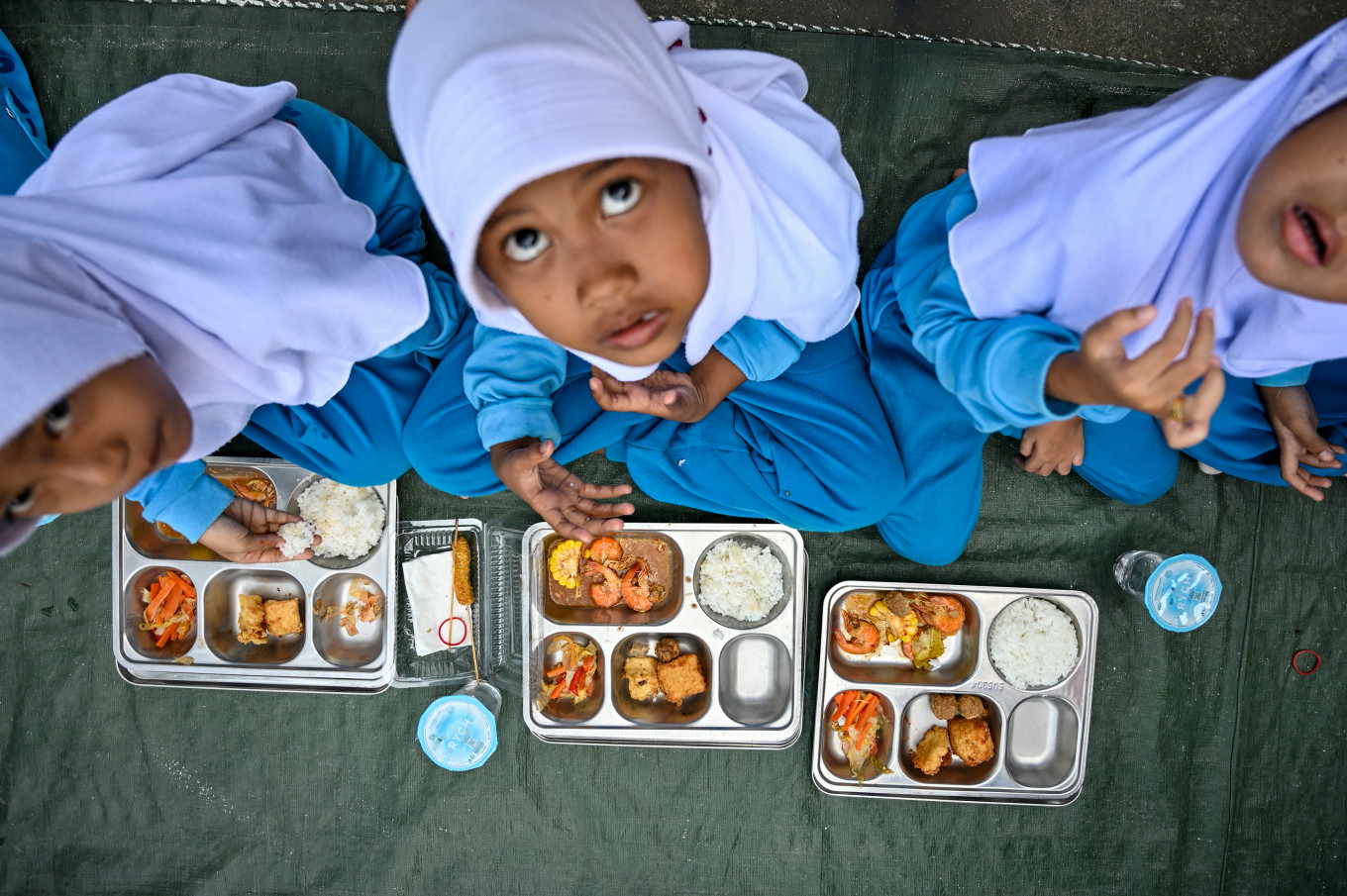
Kindergarten students eat meals on April 23 supplied by the government’s free nutritious meal program in Banda Aceh. (AFP/Chaideer Mahyuddin)
India and Indonesia have just marked 75 years of diplomatic relations, and in this month that partnership took on new depth. Prime Minister Narendra Modi's state visit to Jakarta resulted in commitments by both governments to deepen cooperation on food security and nutrition. For those of us working in nutrition, this is an opportunity to learn from a partner that has already turned commitment into action.Last year in October, I stood in the courtyard of a government primary school on the outskirts of New Delhi, watching children line up for their hot midday meal. On their plates was a simple combination of fortified rice, lentils, fortified salt and vegetables. The food was modest, but what those children did not know was the long journey their meal had taken: from a centralized kitchen preparing 27,000 such meals every day, to the rigorous quality assurance checks that ensured the fortified rice and salt were safe, consistent and nutritious.