Can science-based innovation help Indonesia overcome one of its most persistent nutrition challenges?
Despite steady economic progress, micronutrient deficiencies remain a major public health concern in Indonesia. Among them, Iron Deficiency Anemia (IDA) continues to affect millions of children and women, threatening cognitive development, educational achievement, productivity, pregnancy outcomes and ultimately the country's future human capital.
According to Dian Novita Chandra, a nutrition expert at the Faculty of Medicine at the University of Indonesia, IDA affects nearly 40 percent of children under five and around 30 percent of pregnant women worldwide.
In Indonesia, the prevalence is lower but still alarming, affecting 23.8 percent of children and 27.7 percent of pregnant women. Given Indonesia's large population, these figures represent millions of people living with iron deficiency anemia.
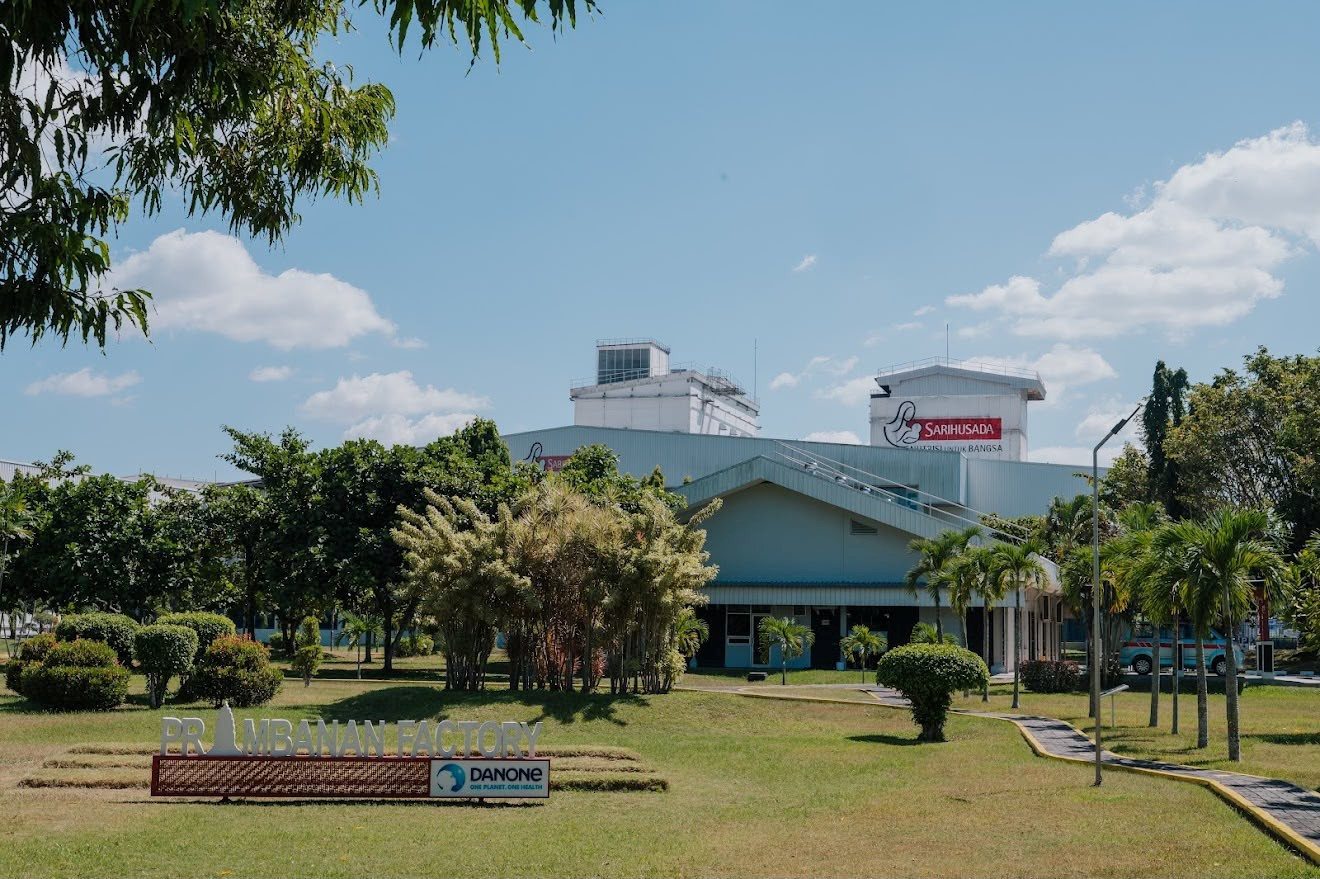
"The most common cause of anemia is iron deficiency, and it occurs most frequently during the first 1,000 days of life, a critical period for growth, immunity and brain development," Dian said during a visit to Danone Specialized Nutrition Indonesia's factory in Prambanan, Klaten, Central Java, on July 8.