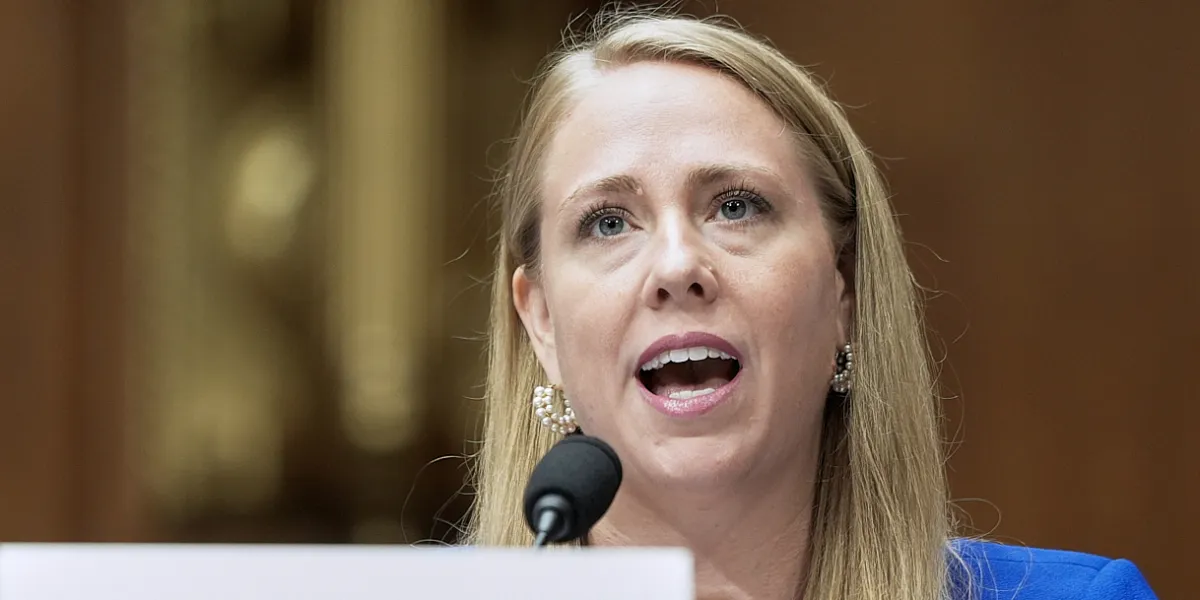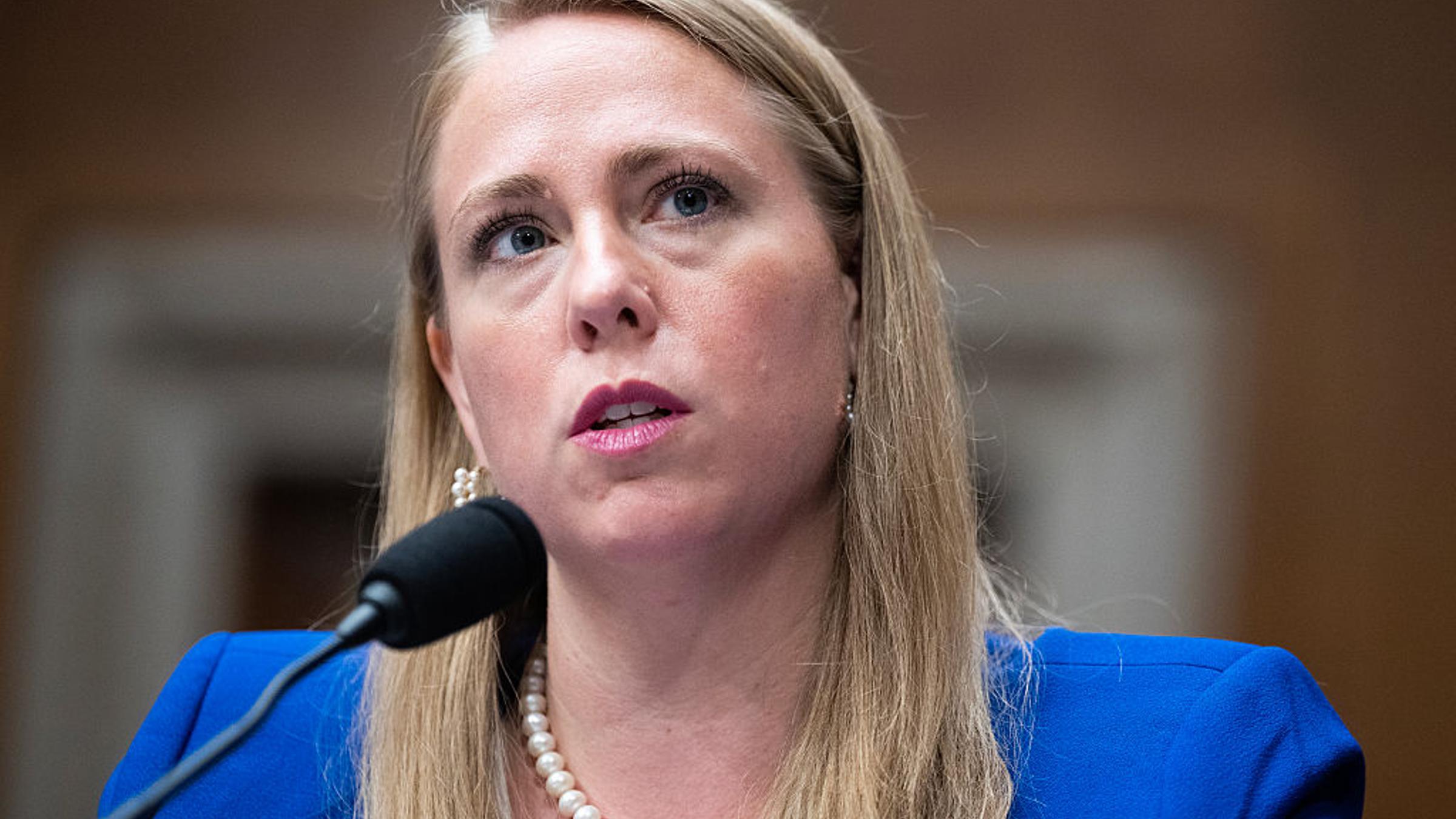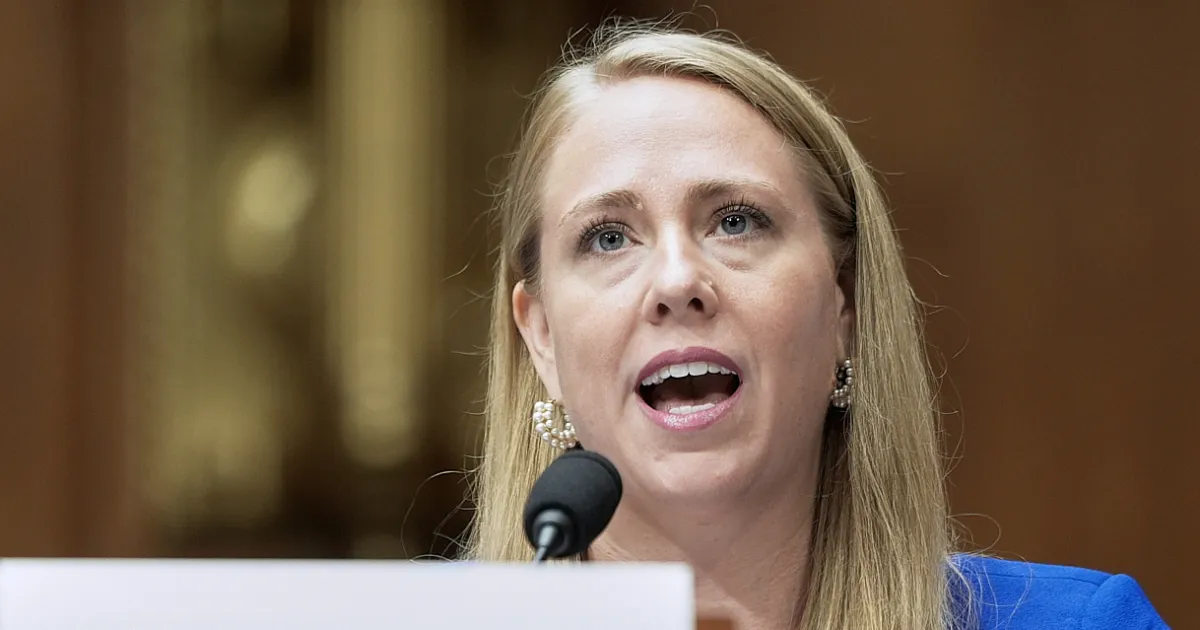
The Equal Employment Opportunity Commission voted to end the requirement that companies share data on their workforce’s race and gender.gettyThe Equal Employment Opportunity Commission (EEOC) voted 2-1 to end the 60-year-old requirement that companies share data on their workforce’s race and gender demographics. If the proposal moves forward, corporate demographic data related to employee race and gender would be less available to the public. The move is part of a broader effort by the Trump administration to end all DEI-related practices. “This move is just the latest in a string of bad decisions being made by a reactionary EEOC under Trump,” workplace trauma lawyer Michele Simon shared in an email. “Taken in this context, it’s not at all surprising. After all, you cannot fix what you cannot see. The reality is that without proper enforcement, data collection is irrelevant anyway. That said, it does not set up a future democratic administration well with gaps in the data.”“This decision is no surprise given the patterns we have seen over the last few years from our courts and the executive branch,” shared senior labor and employment counsel and human resources consultant Justin O’Keith Higgs in an email. “In January 2025, many employers began to end DEI initiatives after the White House issued executive orders dismantling diversity, equity, inclusion, and accessibility (DEIA) programs across the federal government, eliminating related offices, and directing federal policy toward merit-based evaluation…while those orders did not apply to private companies, many took the opportunity to amend their practices to align with the White House. We saw this play out specifically with Target.”Higgs went on to explain, “One argument I have seen plaintiff-side employment counsel make is that they typically reference a company's EEO-1 report when looking for historical data regarding employee population, because trends can be analyzed from that data. We would now be pulling that resource in relation to race and gender. Honestly, this could delay and extend litigation, because many plaintiffs’ attorneys will still need this data and the company will have to compile it for discovery. That means additional costs, time, and fees to generate something they were already doing.”If this longstanding EEOC requirement is axed, there will be several deleterious effects on both employees and employers. “In the larger context, these moves by EEOC to send us back to Jim Crow days only emboldens employers who were already disinclined to follow the law,” Simon explained. Higgs explained, “The past year I have seen a great deal of people of color, in particular, Black women be let go from their positions. I feel many will use this recession to continue to play into these behaviors.” MORE FOR YOU“Having a diverse employee population is one of the greatest strengths a company could have. Having individuals from various backgrounds, levels of experience and life perspectives allow you to innovate and create things a monolithic space cannot offer.” Higgs went on to elucidate, “If everyone thinks the same way, sees issues the same way, does the same thing, etc. nothing will change. This is the way and always will be the way. We are sacrificing growth and innovation for monotony and status quo. It is easier to control those [who] will fall in line and maintain the baseline instead of finding new ways to make everyone’s jobs and lives a bit easier and manageable.”Even without an EEOC mandate, some states will still require the collection of this information. As Higgs explained, “Many companies will still have to collect this data by law if they have employees in California, Illinois, and other states. Their state obligations continue regardless, as many jurisdictions have their own version of EEO-1 reporting and pay data reporting. Additionally, many companies have a practical need for self-ID data to defend a charge or a class claim.” This news shouldn’t stop employers from collecting this data. If it does move forward, this decision will just end the mandate that requires this type of data collection. Simon explained, “Nothing is stopping employers from collecting their own data, large or small. It’s important to remember that the underlying federal civil rights laws have not changed, only the current administration’s twisted interpretation of them have. So, employers should take note: A change in the political winds can happen quickly and they should not get too complacent.”Higgs advised, “An employer that reads this headline and shuts off demographic collection has traded a filing burden for an evidentiary problem. This is why I referenced that these companies would have to spend significant time, money and resources to pull this data together for cases, therefore, it would be easier to simply continue to collect the data. Additionally, there are many companies that profit off producing these reports for companies, so I suspect their lobbying arm to be pretty heavy into this to make sure they can preserve their business position. There is nothing more protected in America than capitalism.”
EEOC Votes To Let Companies Stop Tracking Race And Gender. Now What?
In a 2-1 vote, the EEOC moved to end mandatory race and gender workforce reporting—a rule that's stood for 60 years. This article explores what's at stake.
817 words~4 min read