How many women hold executive-level positions at top U.S. companies? What is the racial and ethnic breakdown of those roles? What is the gender and racial breakdown of the lowest-paid roles at those companies?
The Trump administration is making it harder for the public to know, moving to toss aside a 60-year-old requirement for tens of thousands of private sector employers to submit workforce demographic reports each year to the Equal Employment Opportunity Commission, the agency responsible for enforcing anti-discrimination laws in the workplace.
The EEOC’s Republican majority voted 2-1 Tuesday to rescind the data collection requirement, submitting the proposal to a 30-day public commentary period before final approval. The proposal is a quiet but profound salvo in President Donald Trump’s shake up of civil rights enforcement, ending a practice that has endured through 10 Republican and Democratic administrations.
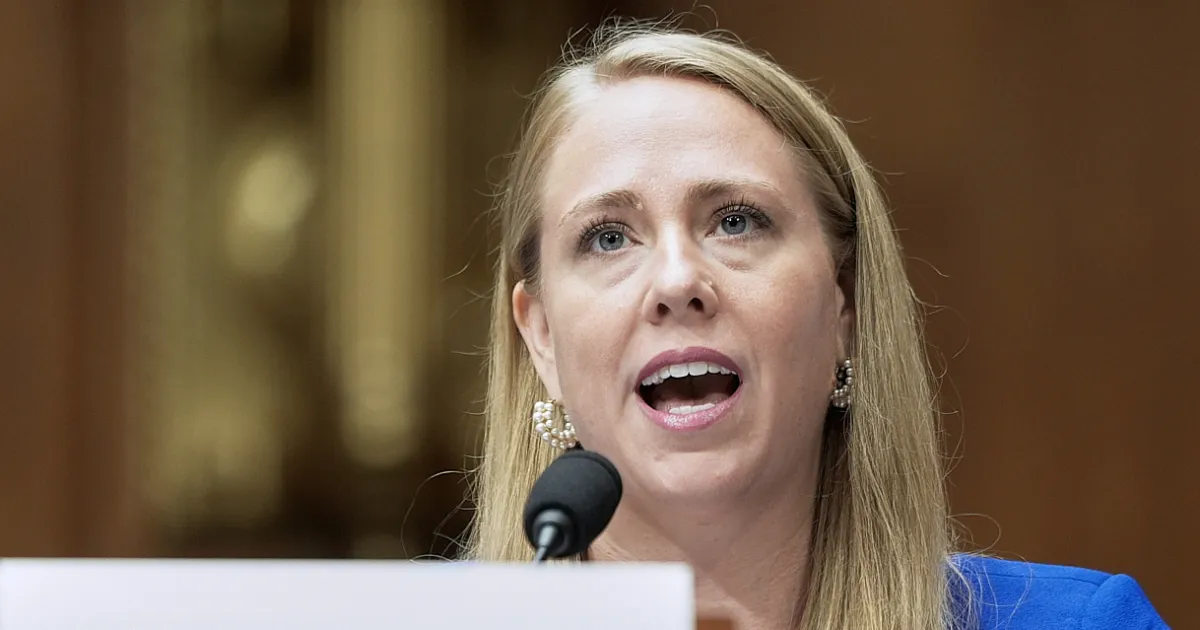
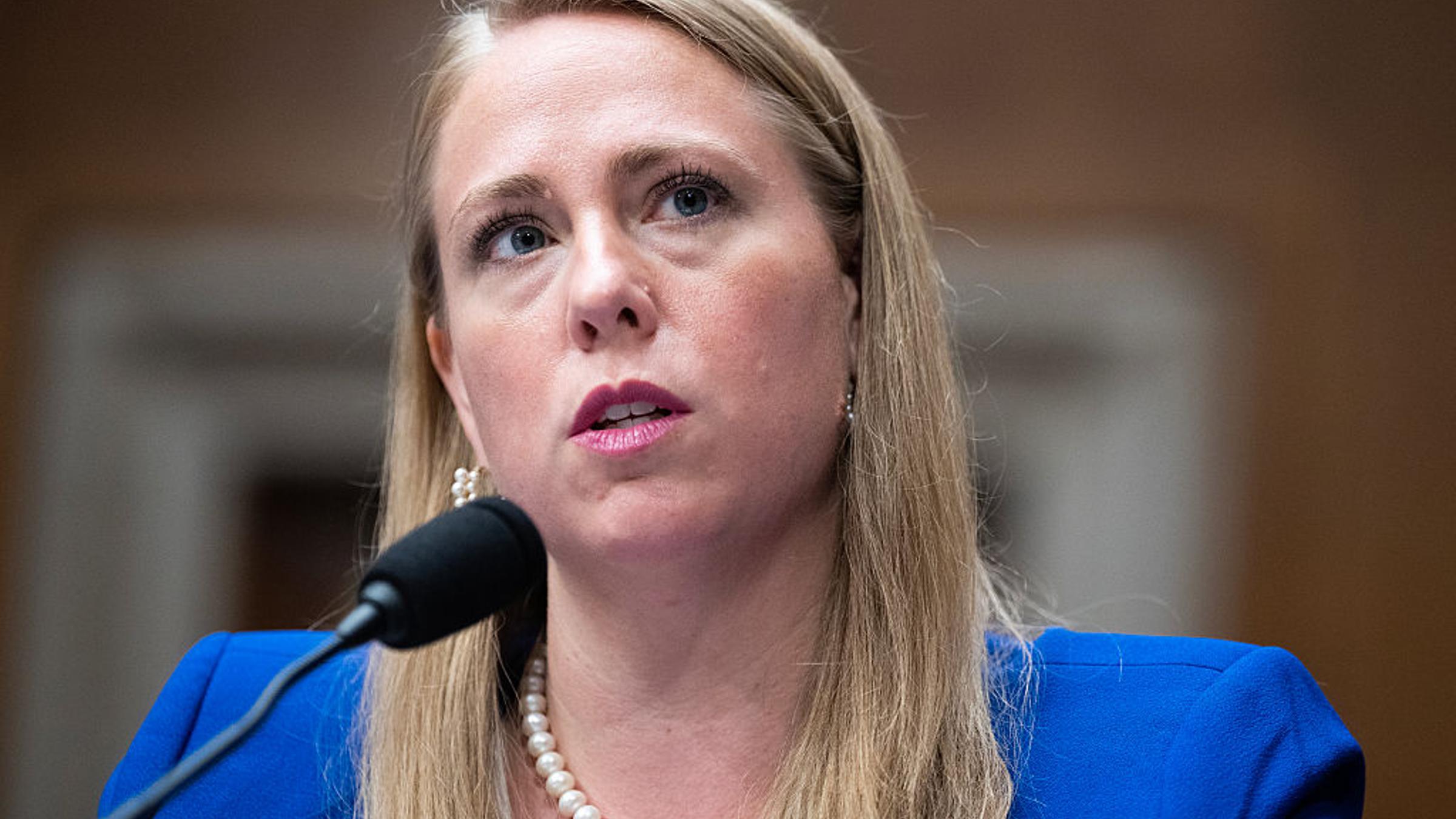
EEOC Chair Andrea Lucas, an outspoken critic of diversity and inclusion practices who has urged white men to come forward with discrimination complaints, argued that requiring companies to submit the annual demographic reports risks encouraging companies to justify discriminatory practices to diversify their workforce.