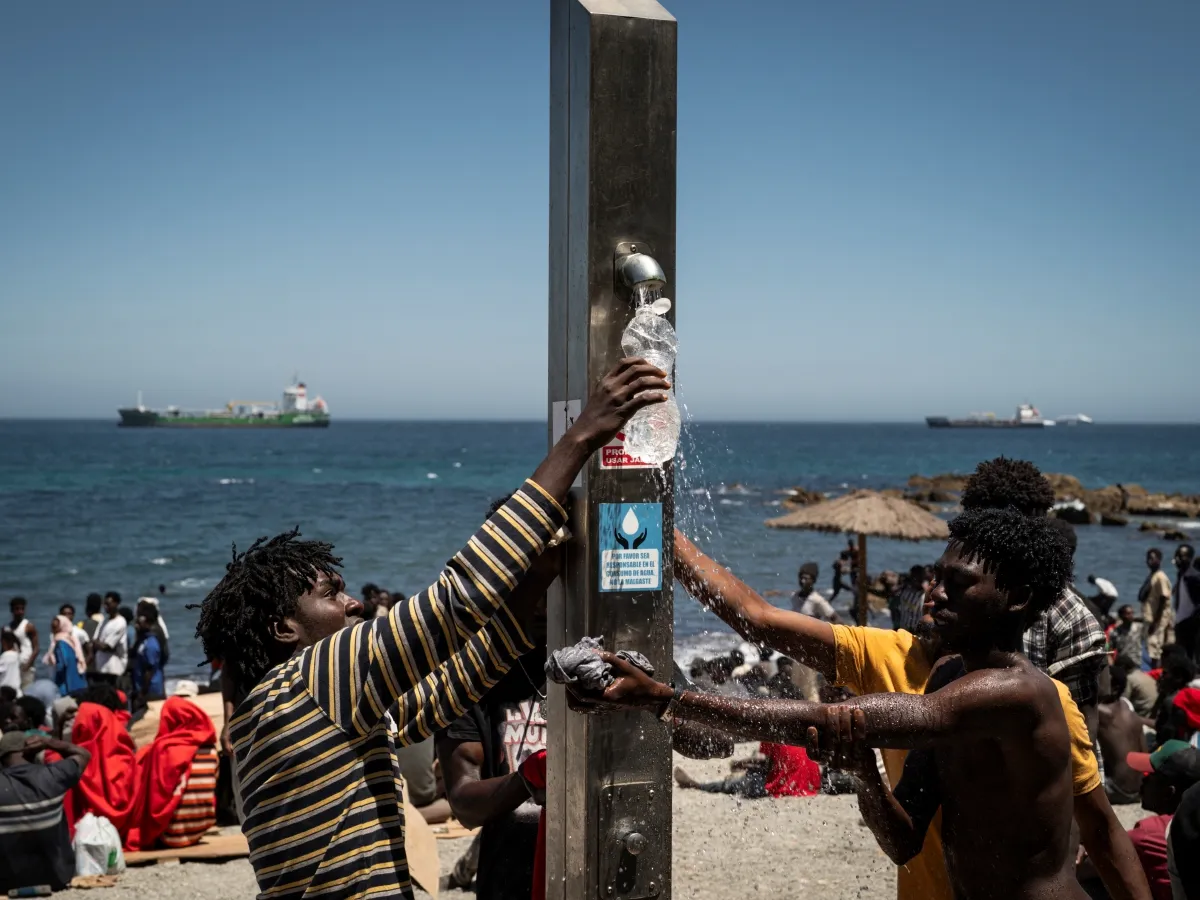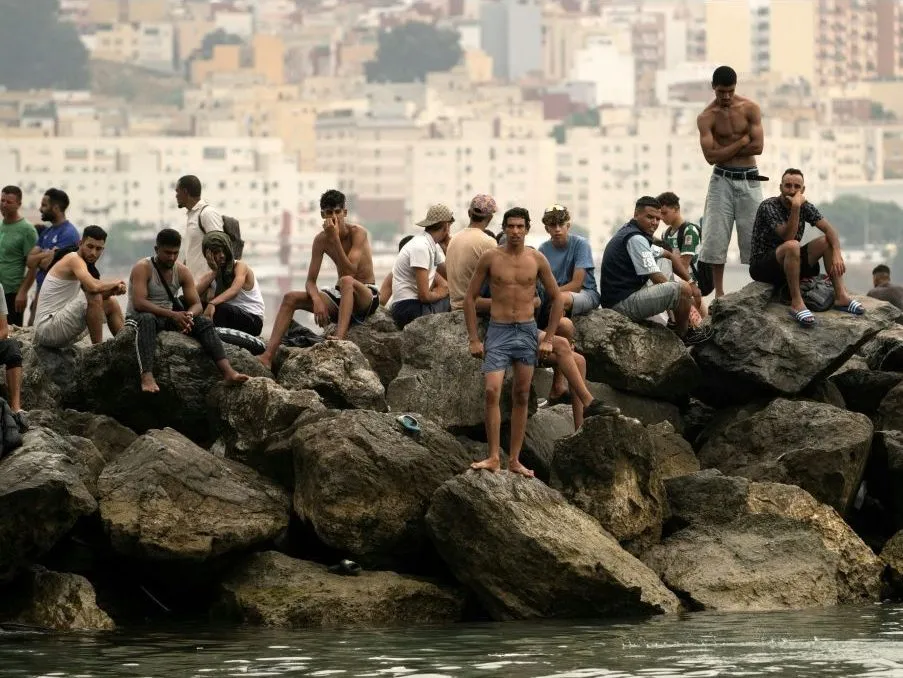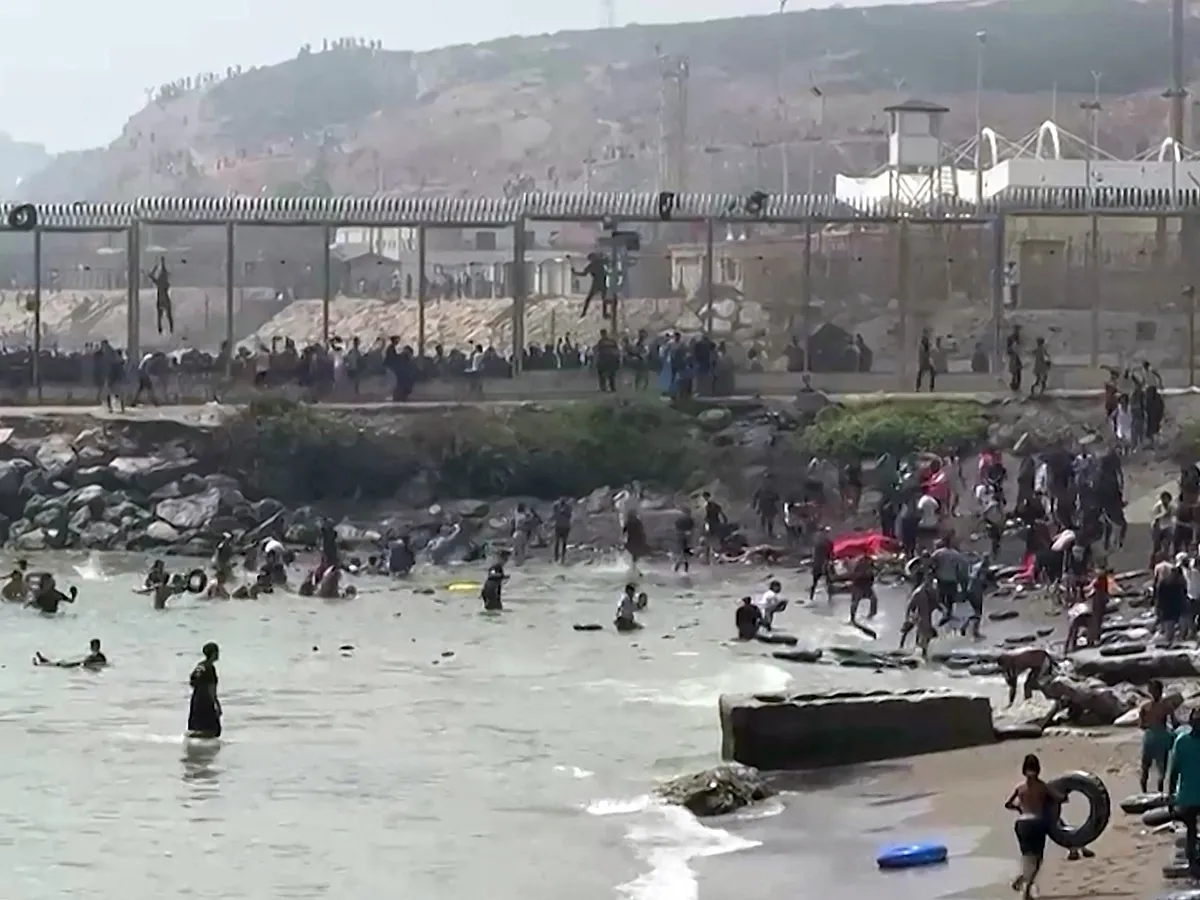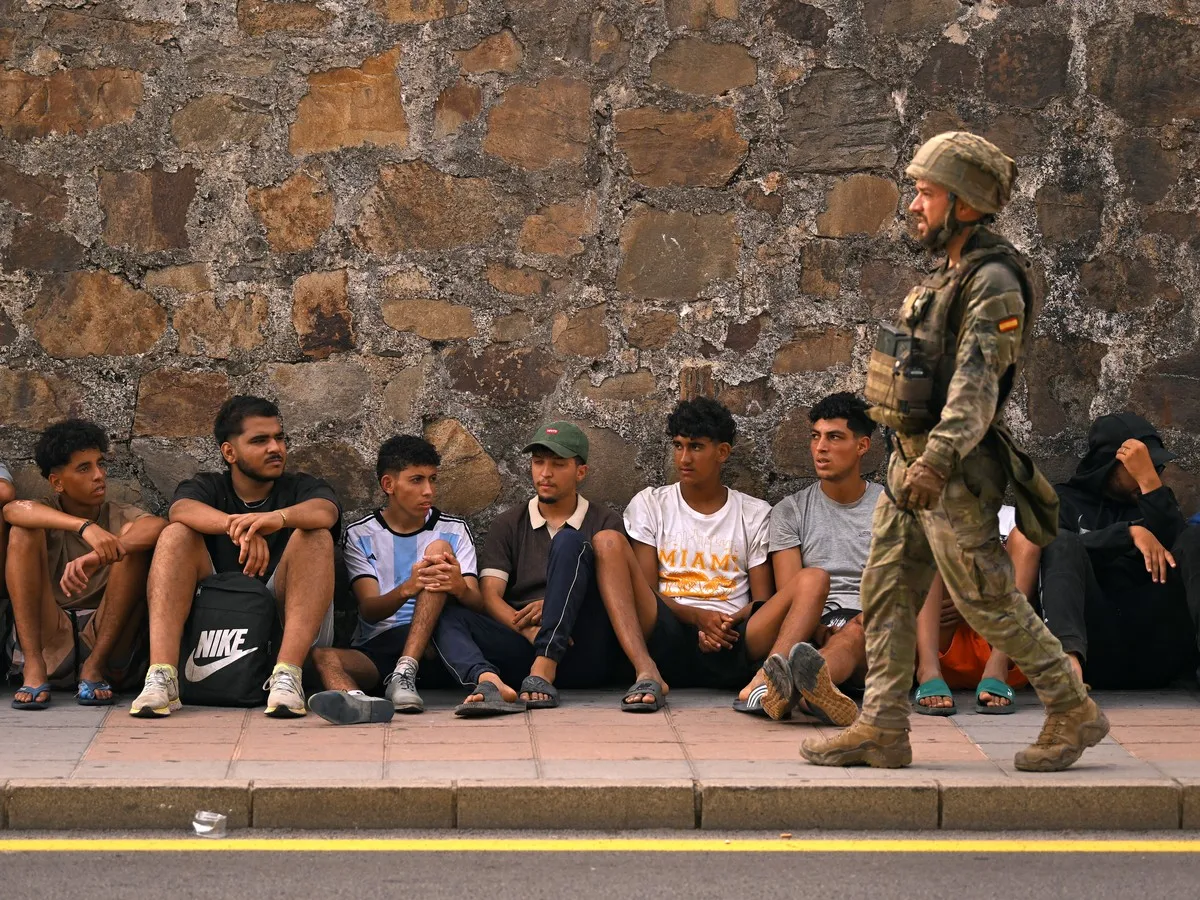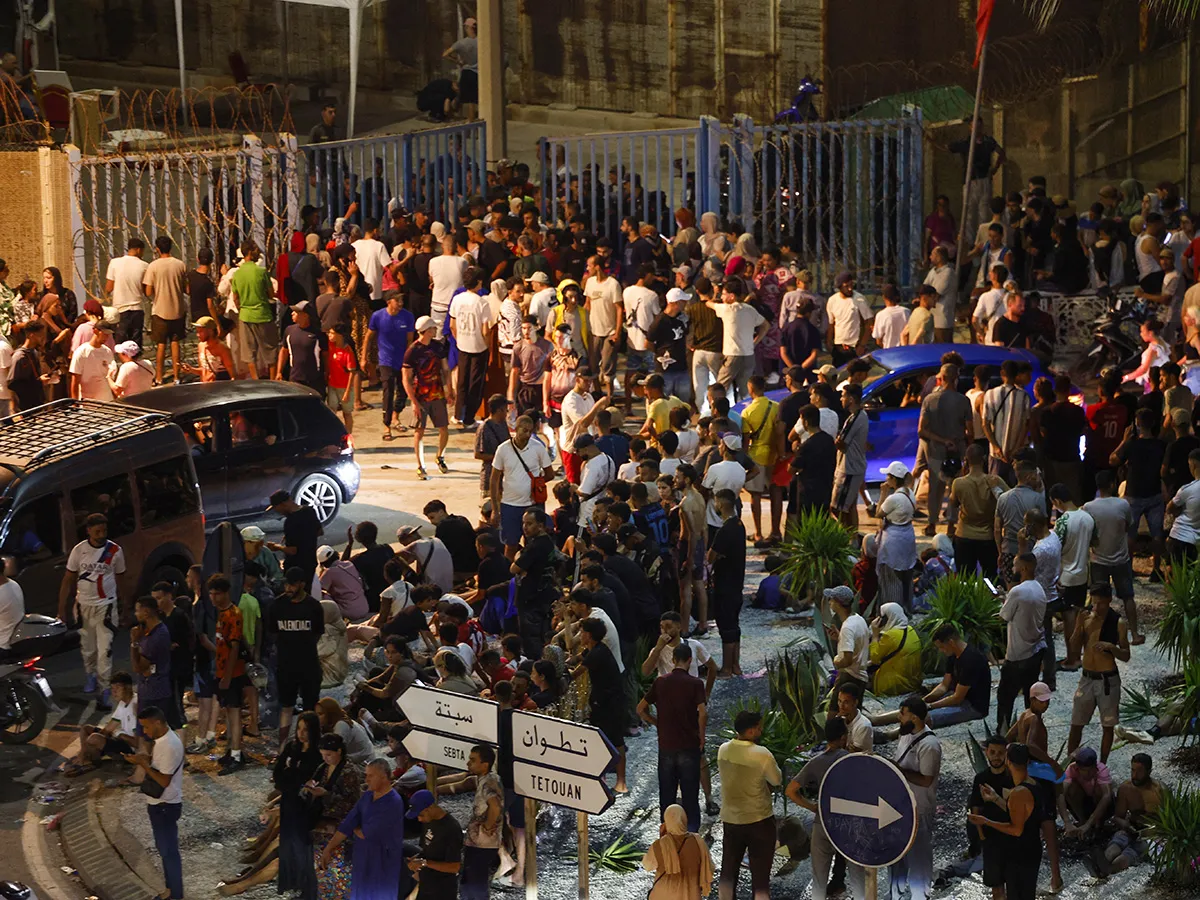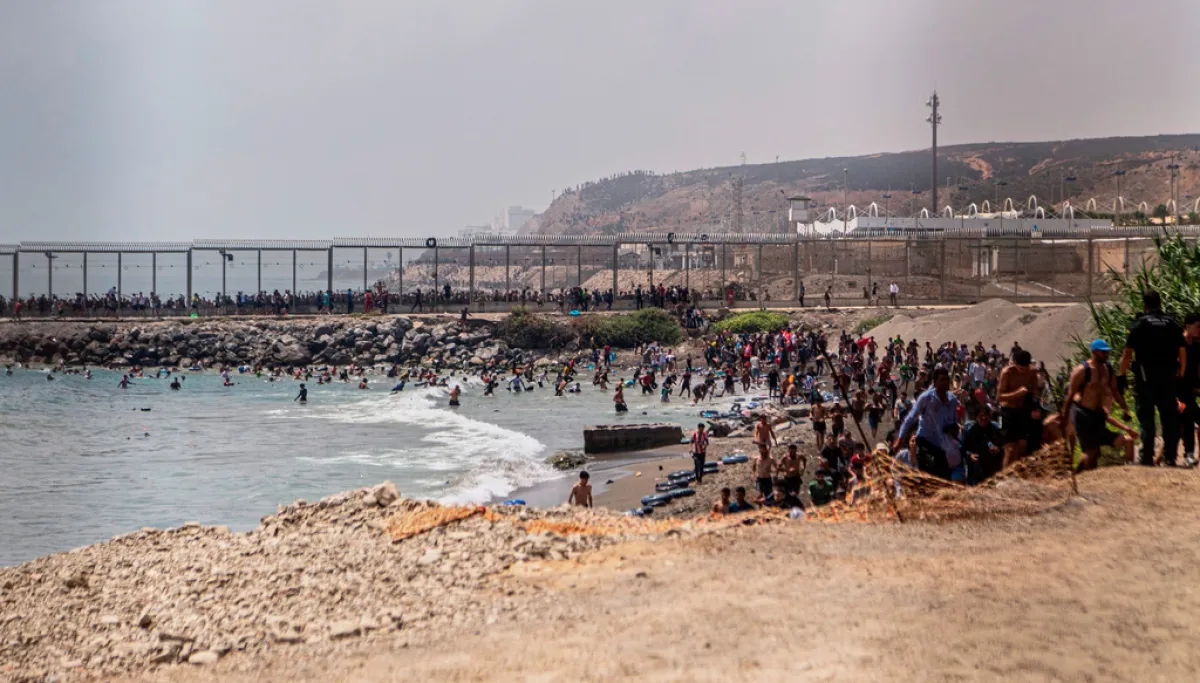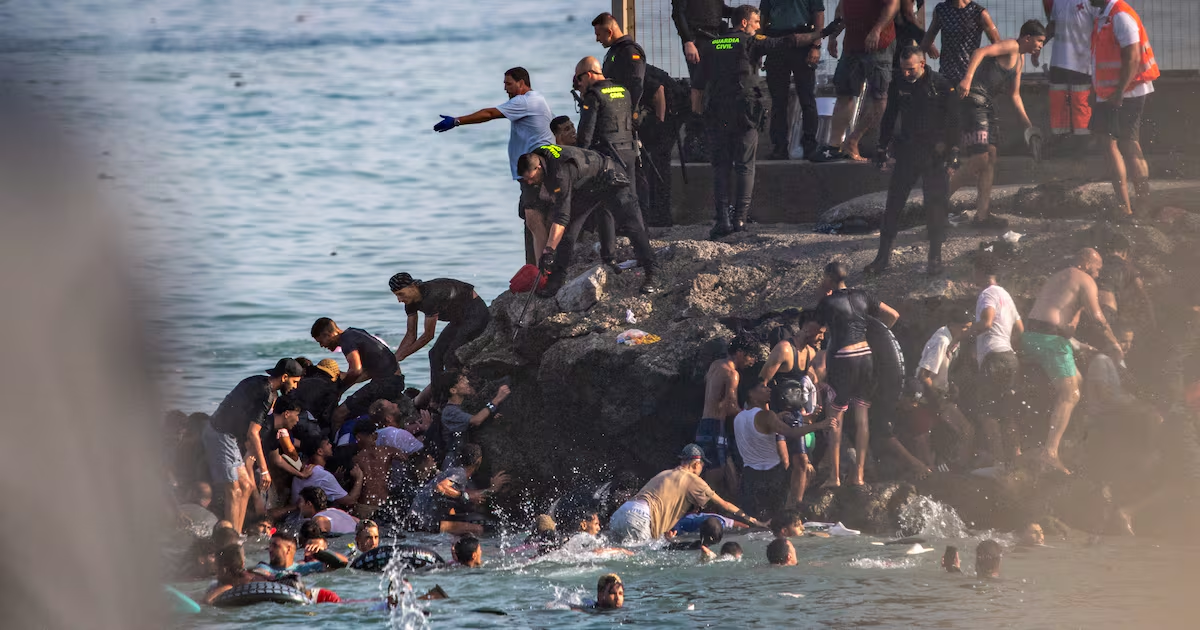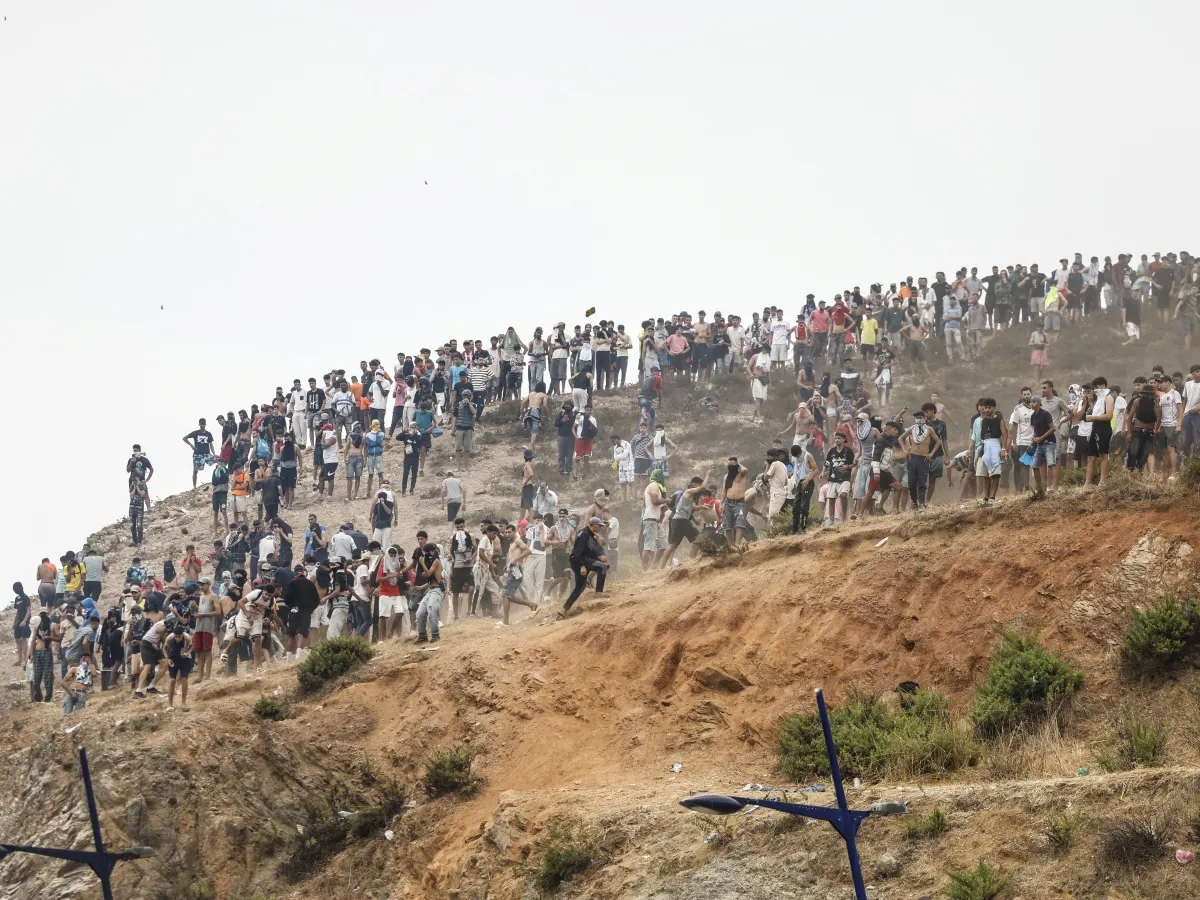
Skip to Content Subscribe Our Offers My Account Manage My Subscriptions FAQ Newsletters Canada Canadian True Crime Canadian Politics Health World Israel & Middle East Financial Post NP Comment Longreads Puzzmo Diversions Comics NP News Quiz New York Times Crossword Horoscopes Life Eating & Drinking Style Sponsored Play for Ontario Travel Travel Canada Travel USA Travel International Cruises Travel Essentials Culture Books Celebrity Movies Music Theatre Television Business Essentials Advice Lives Told Tails Told Shopping Buy Canadian Home Living Outdoor Living Kitchen & Dining Tech Style & Beauty Personal Care Entertainment & Hobbies Gift Guide Travel Guide Amazon Prime Day Deals Savings National Post Store More Sports Hockey Baseball Basketball Football Soccer Golf Tennis Driving Vehicle Research Reviews News Gear Guide Obituaries Place an Obituary Place an In Memoriam Classifieds Place an Ad Celebrations Working Business Ads Archives Healthing Epaper Manage Print Subscription Profile Settings My Subscriptions Saved Articles My Offers Newsletters Customer Service FAQ Newsletters Canada World Financial Post NP Comment Longreads Puzzmo Diversions Life Shopping Epaper Manage Print Subscription HomeNP CommentJamie Sarkonak: Spanish socialists asked for this migrant crisisSpanish Prime Minister Pedro Sánchez is seeing the effects of his lax immigration strategy in Ceuta You can save this article by registering for free here. Or sign-in if you have an account.Migrants attempting to cross into Spain's North African enclave of Ceuta gather on a hilltop during clashes with Moroccan security forces near the town of Fnideq, on the Morocco-Spain border, on July 31, 2026. Photo by Abdel Majid BZIOUAT / AFP via Getty ImagesThe Spanish city of Ceuta, which sits on a tiny coastal patch of North Africa within eyesight of mainland Spain, was readying to celebrate its patron saint this weekend — and then it was overwhelmed by a migrant horde.Enjoy the latest local, national and international news.Exclusive articles by Conrad Black, Barbara Kay and others. Plus, special edition NP Platformed and First Reading newsletters and virtual events.Unlimited online access to National Post.National Post ePaper, an electronic replica of the print edition to view on any device, share and comment on.Daily puzzles including the New York Times Crossword.Support local journalism.Enjoy the latest local, national and international news.Exclusive articles by Conrad Black, Barbara Kay and others. Plus, special edition NP Platformed and First Reading newsletters and virtual events.Unlimited online access to National Post.National Post ePaper, an electronic replica of the print edition to view on any device, share and comment on.Daily puzzles including the New York Times Crossword.Support local journalism.Create an account or sign in to continue with your reading experience.Access articles from across Canada with one account.Share your thoughts and join the conversation in the comments.Enjoy additional articles per month.Get email updates from your favourite authors.Create an account or sign in to continue with your reading experience.Access articles from across Canada with one accountShare your thoughts and join the conversation in the commentsEnjoy additional articles per monthGet email updates from your favourite authorsSign In or Create an AccountorThis is what happens when all of a country’s institutions orient themselves to help outsiders over their own people.The festivities were called off, but that was the least of the locals’ concerns. Some 60,000 people, primarily young men, entered the city from Morocco over several days by swimming around the border fence. They were hungry, thirsty, barefoot and without a place to stay. Videos circulated online of the masses milling about, of street violence, of men scaling apartments and attempting to gain entry.We’ll have a tally of the actual damage and crime once the dust settles, but the breakdown of law and order is plain enough. What the city experienced was nothing short of an invasion, which presents serious national security concerns.The National Post newsletter that doesn’t hold back, giving readers the unvarnished truth on media, politics and culture.By signing up, you consent to receive the above newsletter from Postmedia Network Inc.A welcome email is on its way. If you don't see it, please check your junk folder.The next issue of Right? will soon be in your inbox.We encountered an issue signing you up. Please try againSpanish officials estimated on Friday evening that 48,300 migrants had returned to Morocco, but the thousands who remain can’t immediately be forced to leave. That’s because, earlier this month, the Spanish Supreme Court made it illegal to summarily deport anyone who enters Spain by sea.If it was exclusively the top Spanish court working to advance the interests of illegal migrants, perhaps this problem would have been easier to prevent. But that was far from the case.Socialist Prime Minister Pedro Sánchez set out earlier this year to mass-regularize those living unlawfully in Spain, and by late June had received more than one-million applications for the scheme. Before that, he embarked on an African strategy that involves funnelling aid abroad and providing work visas to migrants, with the overall effect of fostering warm ties with migrant-sending countries. The CBC has taken note, giving Spain’s uniquely welcoming approach to immigration a positive spin, contrasting it with souring attitudes over in the United Kingdom.Reality hits hard. On Friday, Sánchez called Ceuta’s migrant tide a “violation of Spain’s territorial integrity” that deserves “condemnation at the strongest possible level.” He empathized with the locals, who had been advised to batten down and cower in place. Speaking words and sounding defensive is an easy thing to do. Much like our leaders in Canada, Sánchez’s apparent support for integrity and order was contradicted by his record of lax administration of the immigration system.A kinder welcome was extended by the local Catholic church. On Thursday, the Diocese of Cádiz and Ceuta “expressed its closeness to all those affected by the crisis” and “announced that all collections taken this weekend in Ceuta’s parishes will be allocated to the Diocesan Office for Migrants,” according to Vatican News.Small-scale charity work was going on in the city, as well: the Spanish publication El País followed a young Arab woman from Ceuta who was handing out sandwiches to the migrants on Friday, telling them that local officers can be trusted and informing them of the Supreme Court precedent against their immediate deportation — which was met with “enthusiastic applause.”All of this happened against a backdrop of research and media reporting aimed at defusing concerns about migration, particularly its impact on crime. One Spanish study last year characterized these kinds of links as “disinformation” and the ensuing concerns as “moral panics.” Another study last month reportedly found no link between “irregular migration and crime rates,” even though a close look at the actual data reveals massively higher crime rates among certain nationalities in Spain — Moroccans, for example, were found to be committing crime at twice the native Spanish rate.When it comes to migration, concern should be first and foremost for the Spanish people — and right now, for those in Ceuta, in particular.This is what mass migration looks like, whether at home or on the Strait of Gibraltar: it’s a tide that will wash over you, your history, your culture, your security, your way of life or your general well-being. If your institutions aren’t sandbagged appropriately, and if enough people are ecstatic to meet the flood, you might see what you hold most dearly drift away.National Post Join the Conversation This website uses cookies to personalize your content (including ads), and allows us to analyze our traffic. Read more about cookies here. By continuing to use our site, you agree to our Terms of Use and Privacy Policy.
Jamie Sarkonak: Spanish socialists asked for this migrant crisis
Spanish Prime Minister Pedro Sánchez is seeing the effects of his lax immigration strategy in Ceuta
1,240 words~6 min read