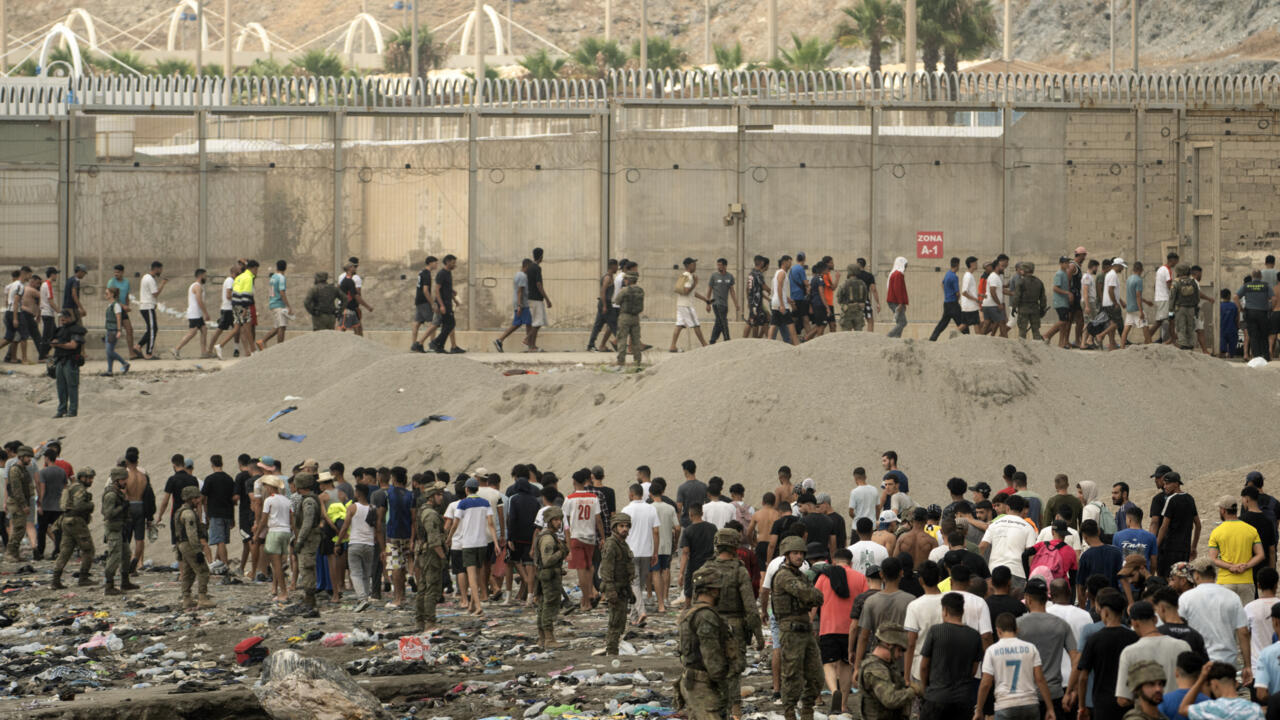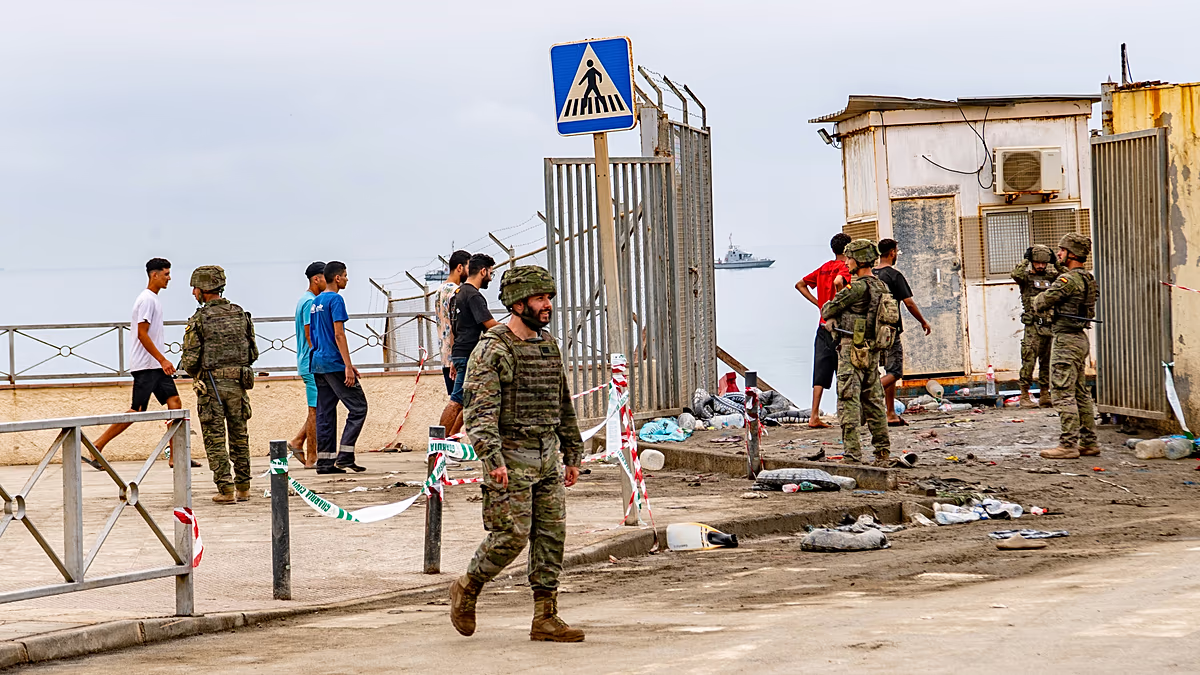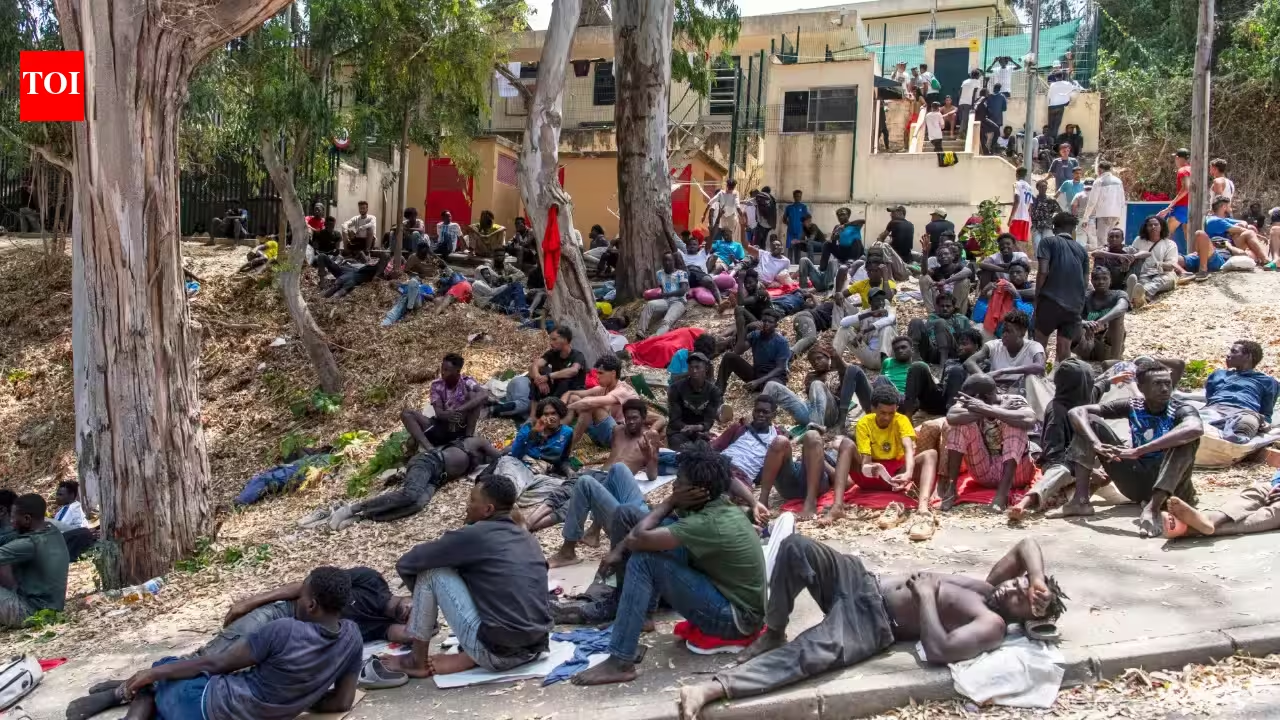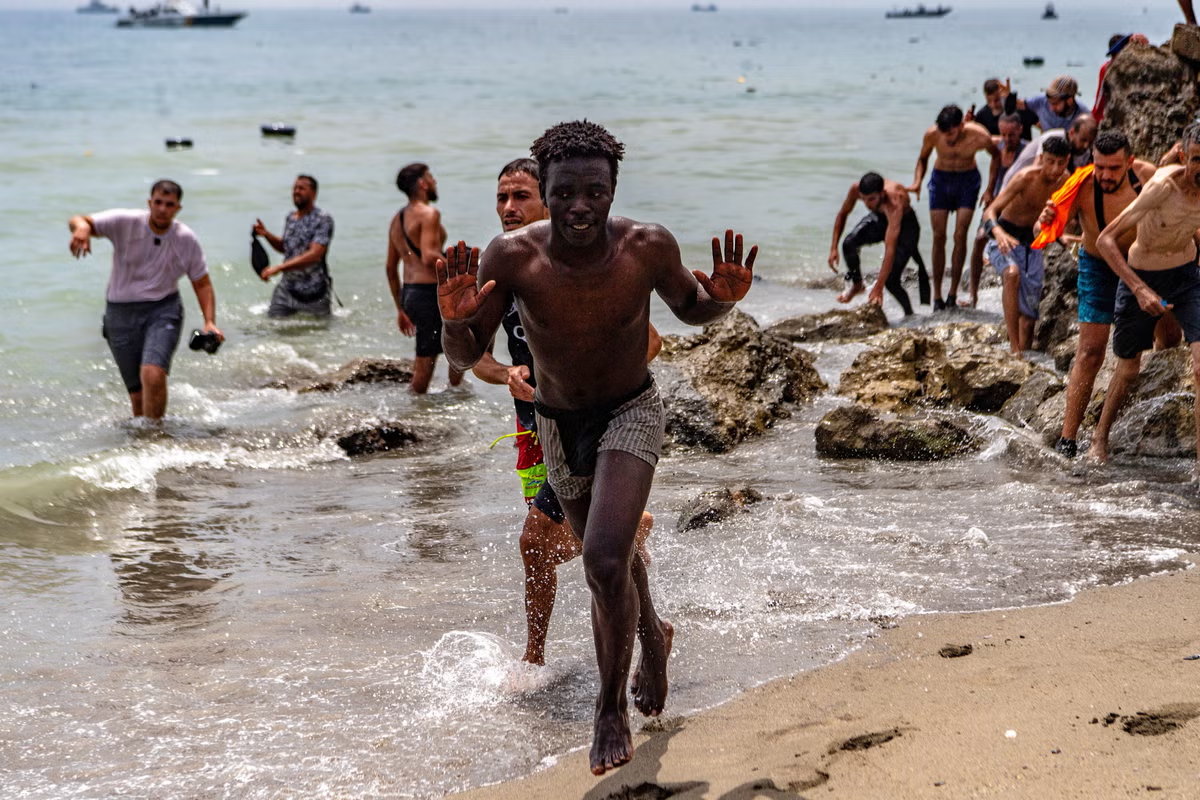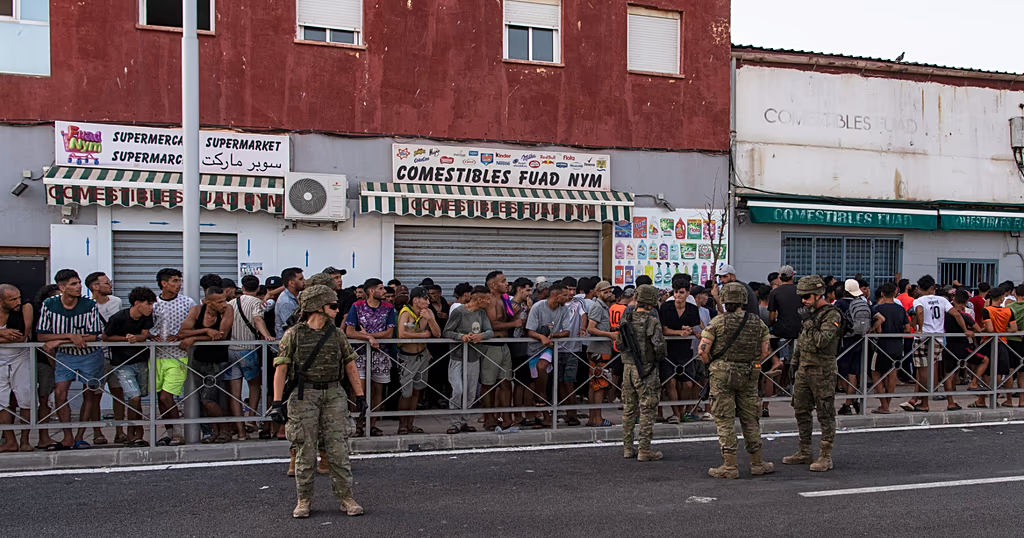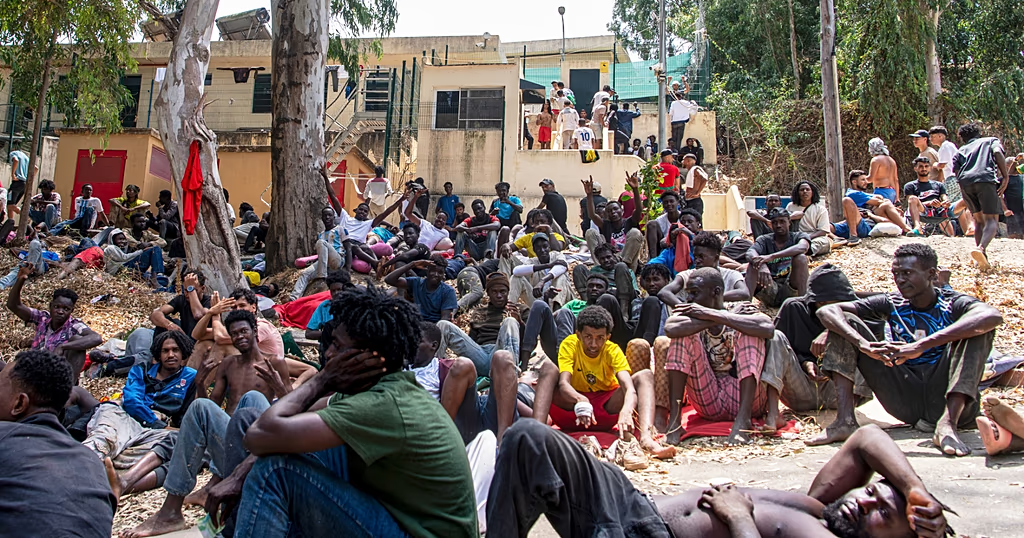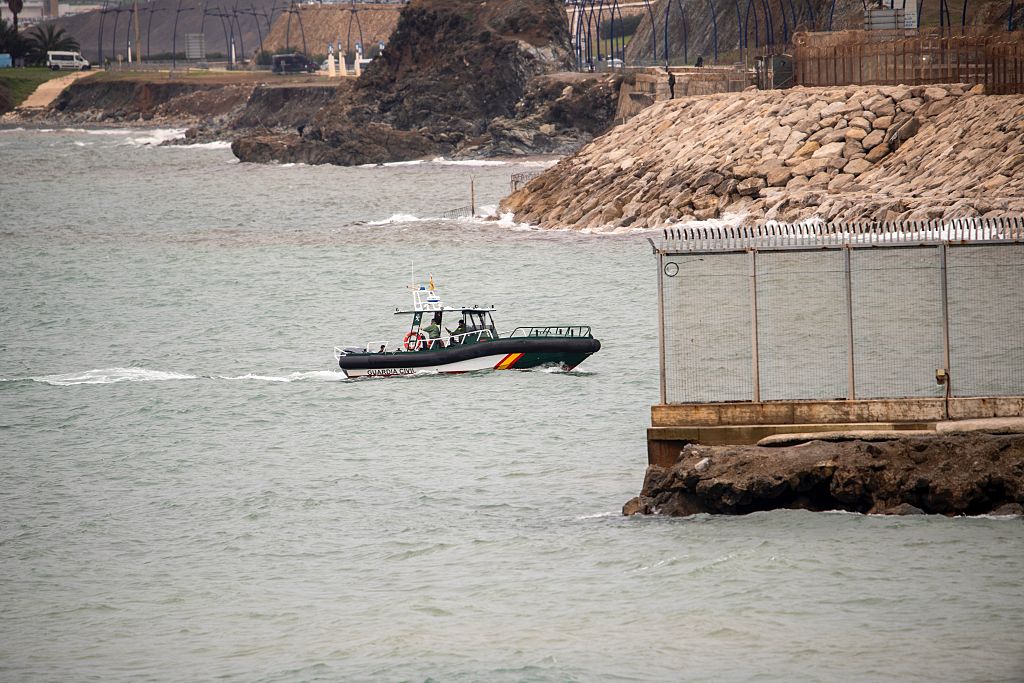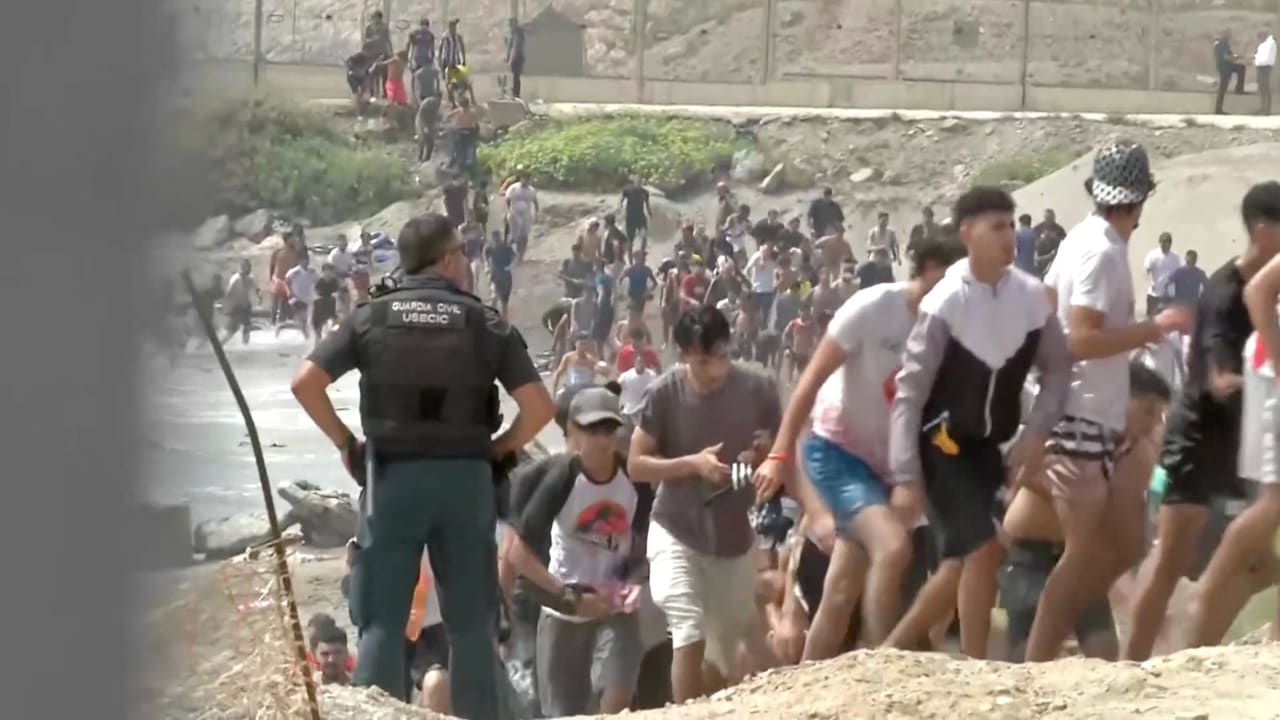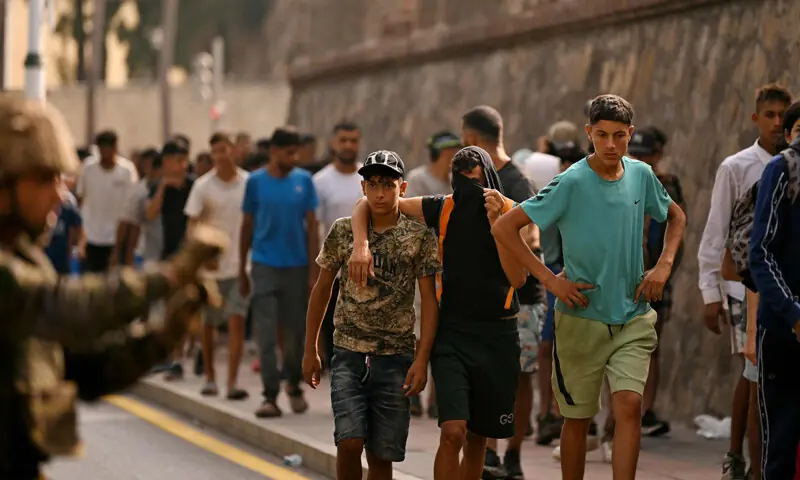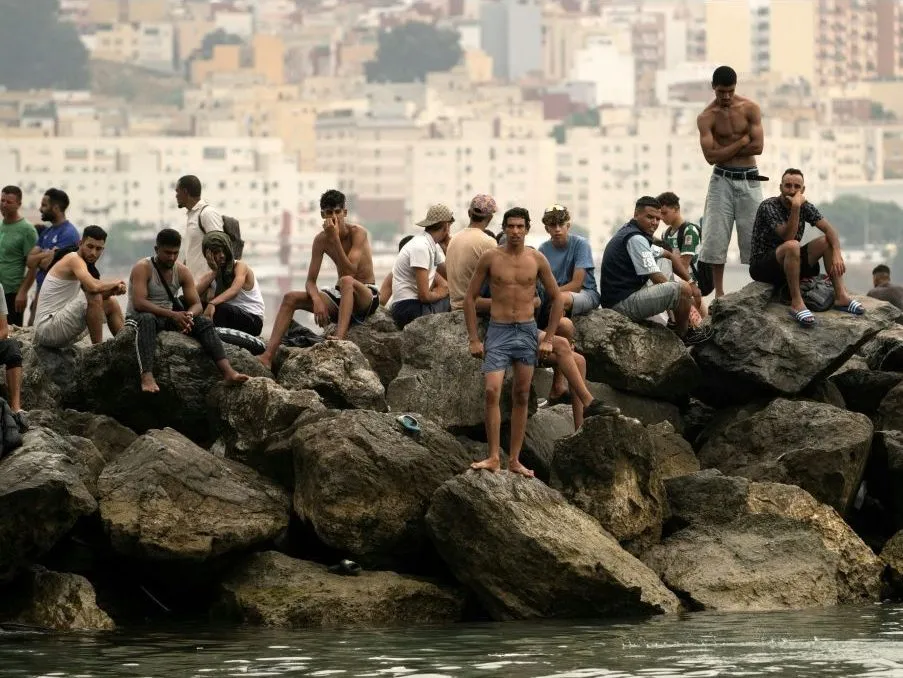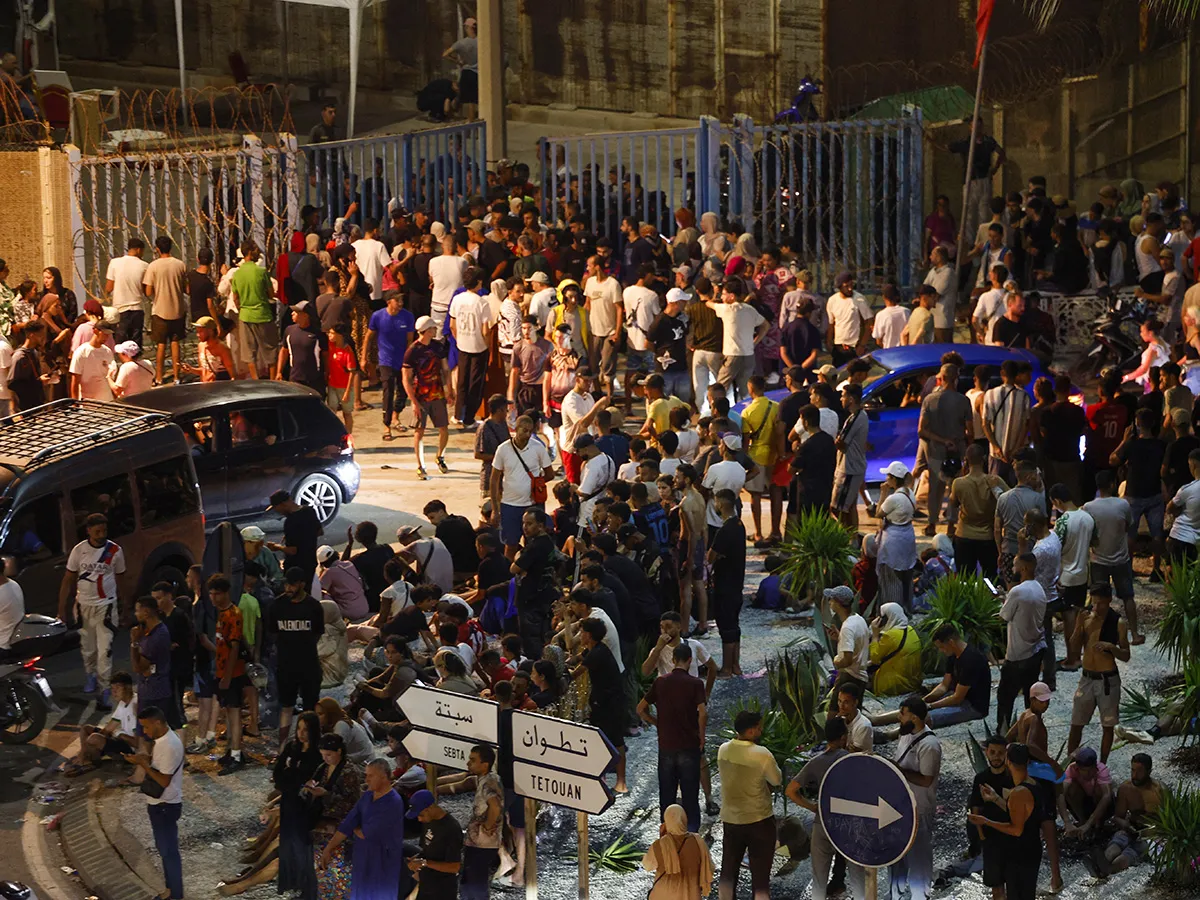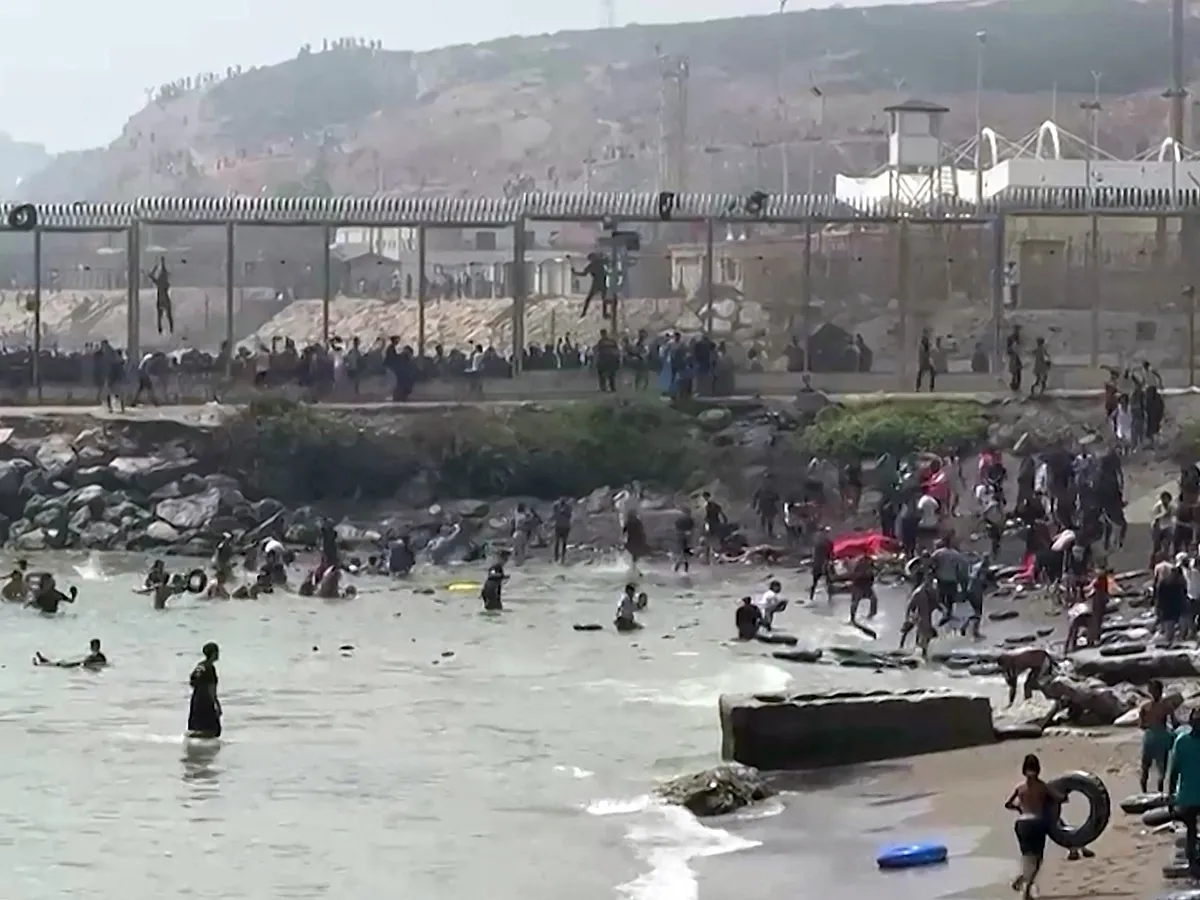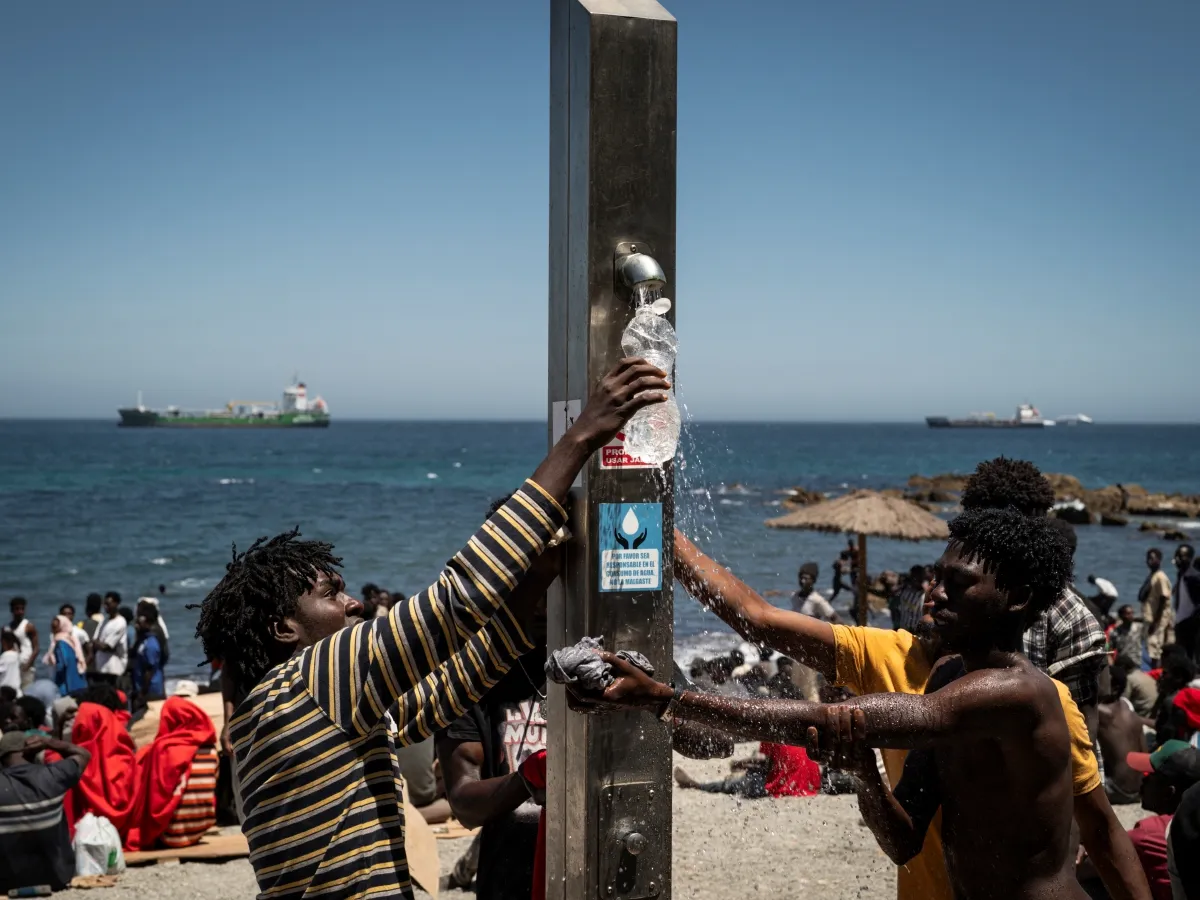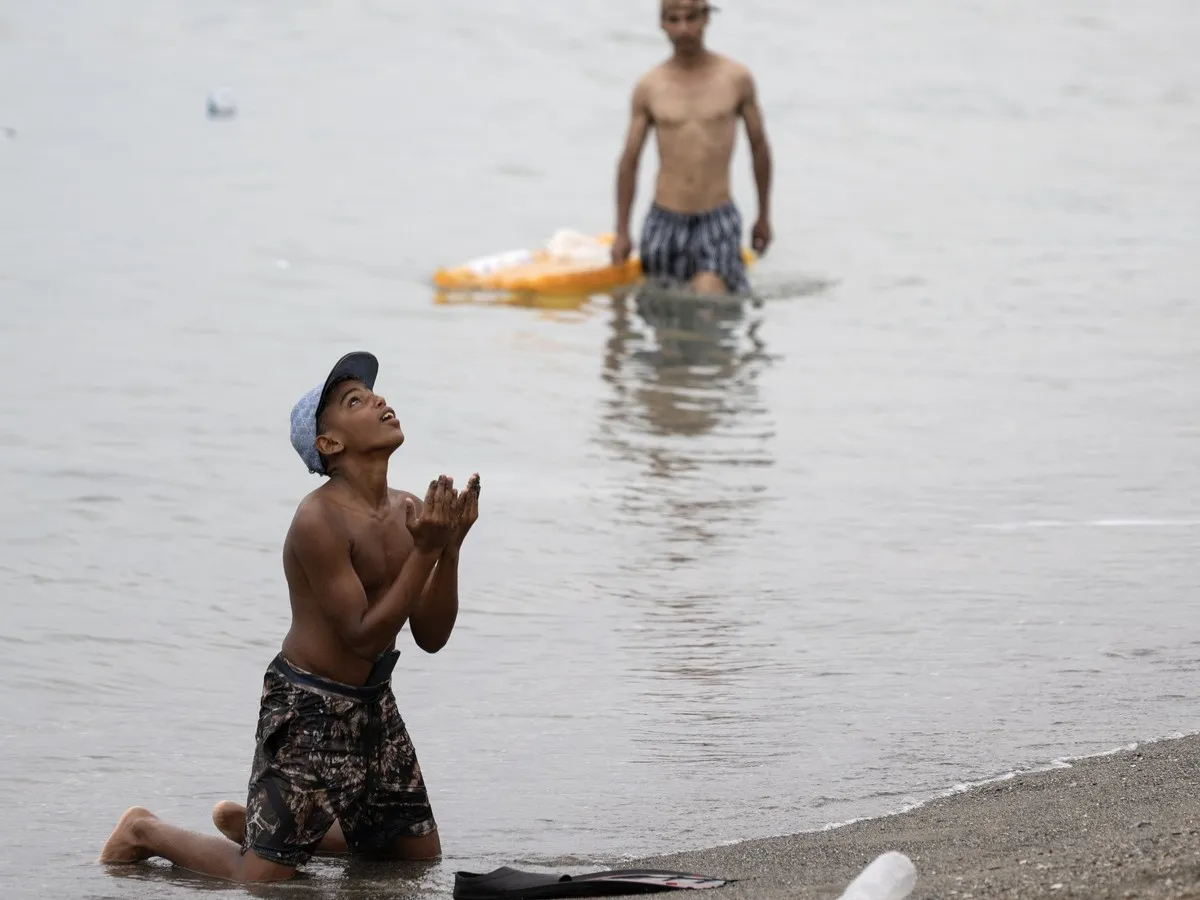
Skip to Content Subscribe Our Offers My Account Manage My Subscriptions FAQ Newsletters Canada Canadian True Crime Canadian Politics Health World Israel & Middle East Financial Post NP Comment Longreads Puzzmo Diversions Comics NP News Quiz New York Times Crossword Horoscopes Life Eating & Drinking Style Sponsored Play for Ontario Travel Travel Canada Travel USA Travel International Cruises Travel Essentials Culture Books Celebrity Movies Music Theatre Television Business Essentials Advice Lives Told Tails Told Shopping Buy Canadian Home Living Outdoor Living Kitchen & Dining Tech Style & Beauty Personal Care Entertainment & Hobbies Gift Guide Travel Guide Amazon Prime Day Deals Savings National Post Store More Sports Hockey Baseball Basketball Football Soccer Golf Tennis Driving Vehicle Research Reviews News Gear Guide Obituaries Place an Obituary Place an In Memoriam Classifieds Place an Ad Celebrations Working Business Ads Archives Healthing Epaper Manage Print Subscription Profile Settings My Subscriptions Saved Articles My Offers Newsletters Customer Service FAQ Newsletters Canada World Financial Post NP Comment Longreads Puzzmo Diversions Life Shopping Epaper Manage Print Subscription HomeNewsWorldShops closed, businesses quiet as Spain's Ceuta faces migrant surge: 'watch your balconies'The influx is one of the largest migrant arrivals ever recorded in Ceuta, sparking an international crisis for Madrid and drawing criticism from Germany, Italy and FinlandAuthor of the article: You can save this article by registering for free here. Or sign-in if you have an account.A migrant gestures on the beach around the border barrier with Morocco to enter Spain's north Africa's Ceuta enclave on July 31, 2026. Photo by JORGE GUERRERO /AFP via Getty ImagesShops remained closed, bread was in short supply and Ceuta’s annual fiestas have been cancelled as Spain’s North African enclave struggled to cope after thousands of migrants poured in from neighbouring Morocco.Enjoy the latest local, national and international news.Exclusive articles by Conrad Black, Barbara Kay and others. Plus, special edition NP Platformed and First Reading newsletters and virtual events.Unlimited online access to National Post.National Post ePaper, an electronic replica of the print edition to view on any device, share and comment on.Daily puzzles including the New York Times Crossword.Support local journalism.Enjoy the latest local, national and international news.Exclusive articles by Conrad Black, Barbara Kay and others. Plus, special edition NP Platformed and First Reading newsletters and virtual events.Unlimited online access to National Post.National Post ePaper, an electronic replica of the print edition to view on any device, share and comment on.Daily puzzles including the New York Times Crossword.Support local journalism.Create an account or sign in to continue with your reading experience.Access articles from across Canada with one account.Share your thoughts and join the conversation in the comments.Enjoy additional articles per month.Get email updates from your favourite authors.Create an account or sign in to continue with your reading experience.Access articles from across Canada with one accountShare your thoughts and join the conversation in the commentsEnjoy additional articles per monthGet email updates from your favourite authorsSign In or Create an AccountorShuttered storefronts lined Calle Real, the city’s main commercial artery, where the usual flow of shoppers and residents had been replaced by scores of migrants milling around the streets. Migrants cross back to Morocco after they crossed the border to enter Spain’s north Africa’s Ceuta enclave on July 31, 2026. Photo by JORGE GUERRERO /AFP via Getty ImagesIn the centre of Ceuta, home to around 84,000 people, most businesses were closed, with only pharmacies and a branch of the Spanish casual dining chain VIPS remaining open.“We are running short of bread. There was no fresh bread today because the bakeries are closed,” Miguel Angel Campana, a municipal street cleaner in Ceuta, told AFP.He said residents feared migrants would force their way into homes “asking for water and other things” and he urged people to “watch your balconies”.BREAKING: Spain’s Ceuta says a surge in migrant arrivals today has pushed the city into a humanitarian and security emergency.Spanish Prime Minister Pedro Sánchez refuses to take action, saying immigrants are an “economic necessity.” pic.twitter.com/Ww22kwxZl9— World Source News (@Worldsource24) July 30, 2026Some migrants were stopping cars in the road to ask for food, money or to use mobile phones to call their families, AFP reporters said.Get a dash of perspective along with the trending news of the day in a very readable format.By signing up you consent to receive the above newsletter from Postmedia Network Inc.A welcome email is on its way. If you don't see it, please check your junk folder.The next issue of NP Posted will soon be in your inbox.We encountered an issue signing you up. Please try againThe Confederation of Businesses of Ceuta has advised shops and other commercial establishments to remain closed “until security can be guaranteed”.Some 60,000 migrants crossed into the territory from Morocco, local officials said. Many swam around a small border barrier that juts out into the Mediterranean Sea.AFP reporters saw hundreds of people — men, women and children — entering Ceuta, discarding flotation rings and clothes used in their crossing. A migrant moves throught the waters around the border barrier with Morocco to enter Spain’s north Africa’s Ceuta enclave on July 31, 2026. Photo by JORGE GUERRERO /AFP via Getty ImagesThe influx is one of the largest migrant arrivals ever recorded in Ceuta, sparking an international crisis for Madrid and drawing criticism from Germany, Italy and Finland.Spain has sent troops to manage security, and says more than 37,500 migrants who had crossed have returned to Morocco.Police in the centre of Ceuta directed migrants — many of them youths — towards the border, sometimes threatening them with batons.‘Like the pandemic’ Mohammed, a local taxi driver and Ceuta resident, said he believed that many of the migrants were deciding to return to Morocco because they expected better conditions in the enclave. Migrants fill bottles of watter on the beach after swimming through the waters close to the border with Morocco to enter Spain’s north Africa’s Ceuta enclave on July 31, 2026. Photo by JORGE GUERRERO /AFP via Getty Images“They thought they already knew what they were going to find here, and they have come up against reality,” he told AFP, saying some migrants told him they were returning “because they had no food”.“There is nothing here. Those of us who are from here are struggling to make a living. We’re struggling,” he said.Mohammed said he and his neighbours had stayed up until the early hours of the morning to protect against possible thefts by the migrants.“I have nieces who are scared,” he added. Spain’s Guardia Civil officers contol as migrants try to swim through the waters close to the border with Morocco to enter Spain’s north Africa’s Ceuta enclave on July 31, 2026. Photo by JORGE GUERRERO /AFP via Getty ImagesYolanda Moreno, 56, said she had felt “fear from the very beginning” of the migrant crisis.“It was like during the pandemic — the feeling that it was better to stay at home than go outside,” she said.Ceuta’s regional government cancelled the city’s annual patron saint festivities, which were due to begin on Saturday, due to the “current circumstances”.At the fair ground, bumper cars and other rides remained covered in their protective plastic sheets.Our website is the place for the latest breaking news, exclusive scoops, longreads and provocative commentary. Please bookmark nationalpost.com and sign up for our daily newsletter, Posted, here. Join the Conversation This website uses cookies to personalize your content (including ads), and allows us to analyze our traffic. Read more about cookies here. By continuing to use our site, you agree to our Terms of Use and Privacy Policy.
Shops closed, businesses quiet as Spain's Ceuta faces migrant surge: 'watch your balconies'
The influx is one of the largest migrant arrivals ever recorded in Ceuta, sparking an international crisis for Madrid.
1,251 words~6 min read