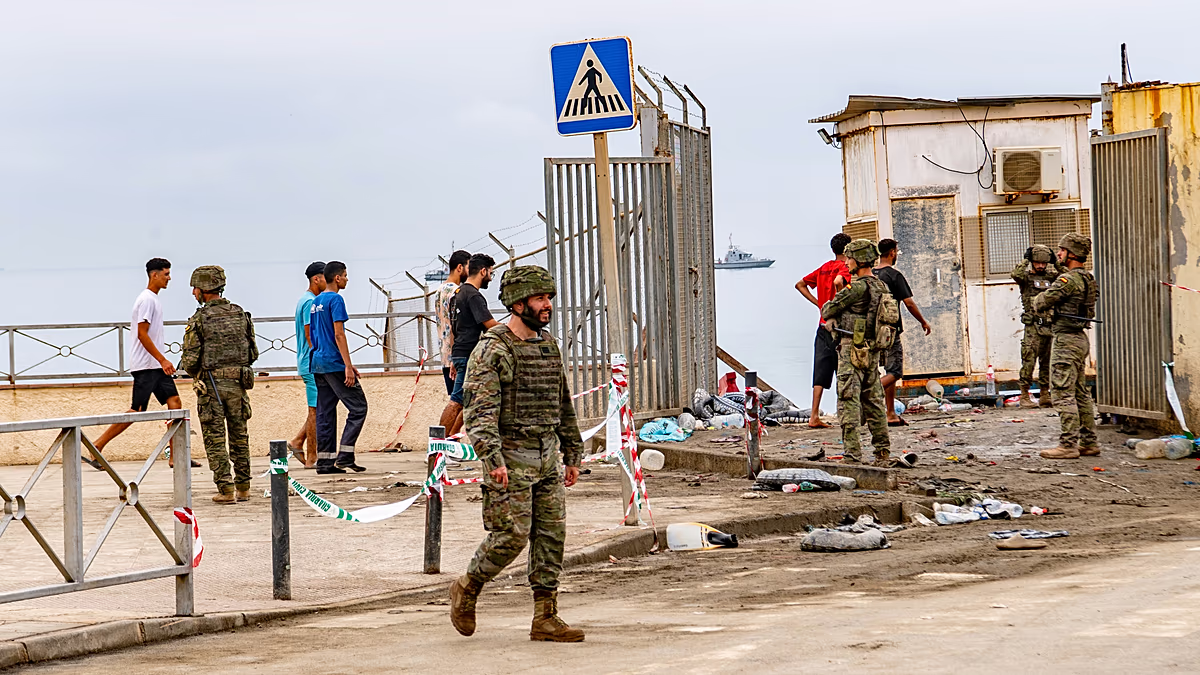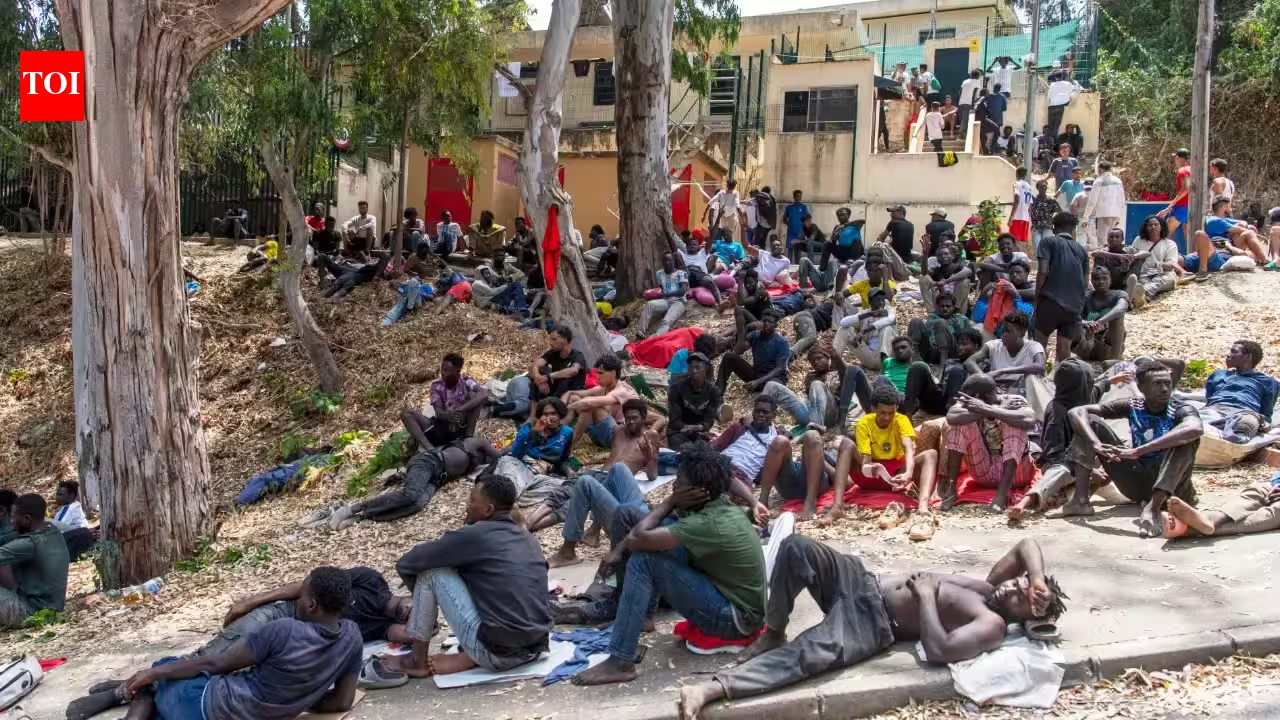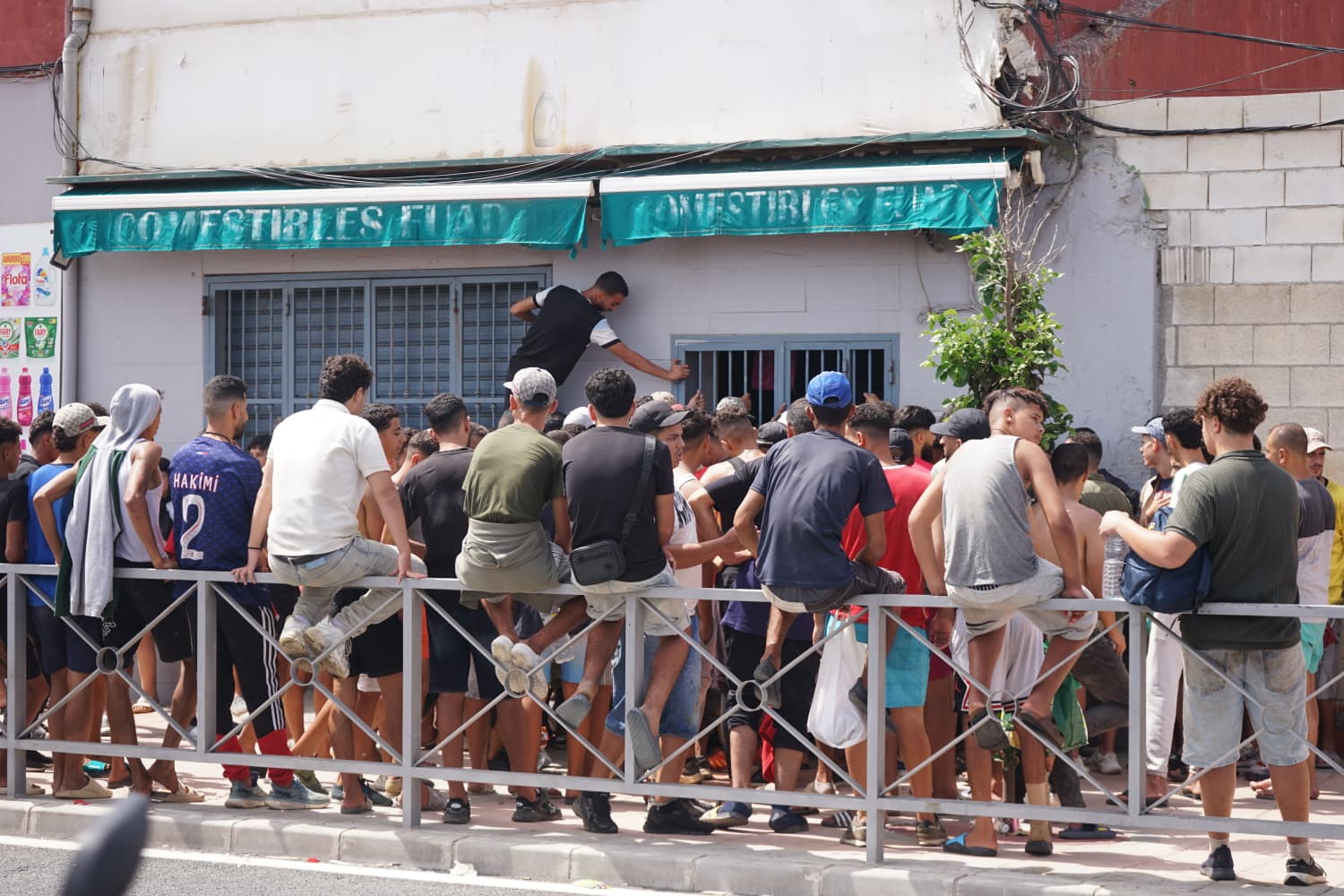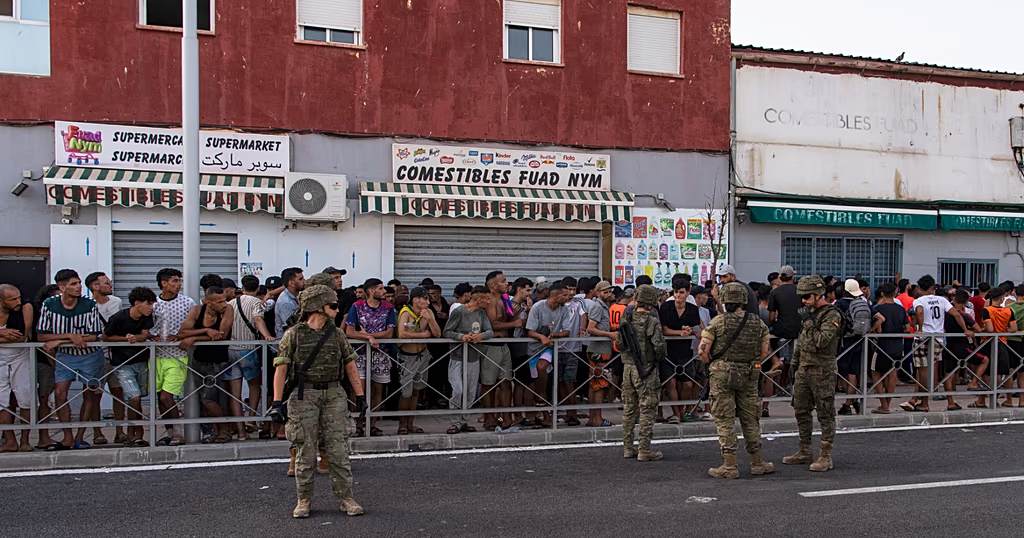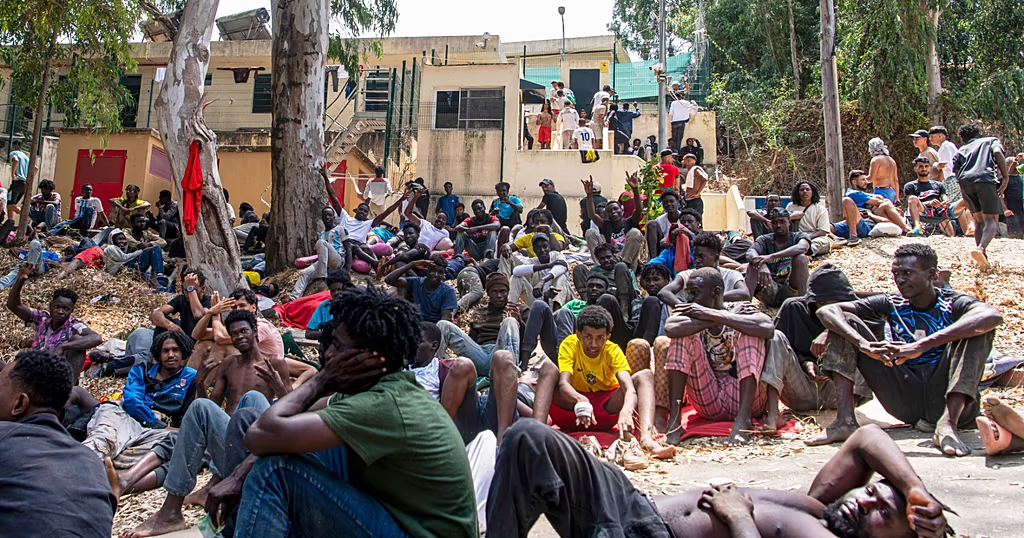
Shuttered storefronts lined Calle Real, the city's main commercial artery, where the usual flow of shoppers and residents had been replaced by scores of migrants milling around the streets.In the centre of Ceuta, home to around 84,000 people, most businesses were closed, with only pharmacies and a branch of the Spanish casual dining chain VIPS remaining open."We are running short of bread. There was no fresh bread today because the bakeries are closed," Miguel Angel Campana, a municipal street cleaner in Ceuta, told AFP.He said residents feared migrants would force their way into homes "asking for water and other things" and he urged people to "watch your balconies".Some migrants were stopping cars in the road to ask for food, money or to use mobile phones to call their families, AFP reporters said.The Confederation of Businesses of Ceuta has advised shops and other commercial establishments to remain closed "until security can be guaranteed".
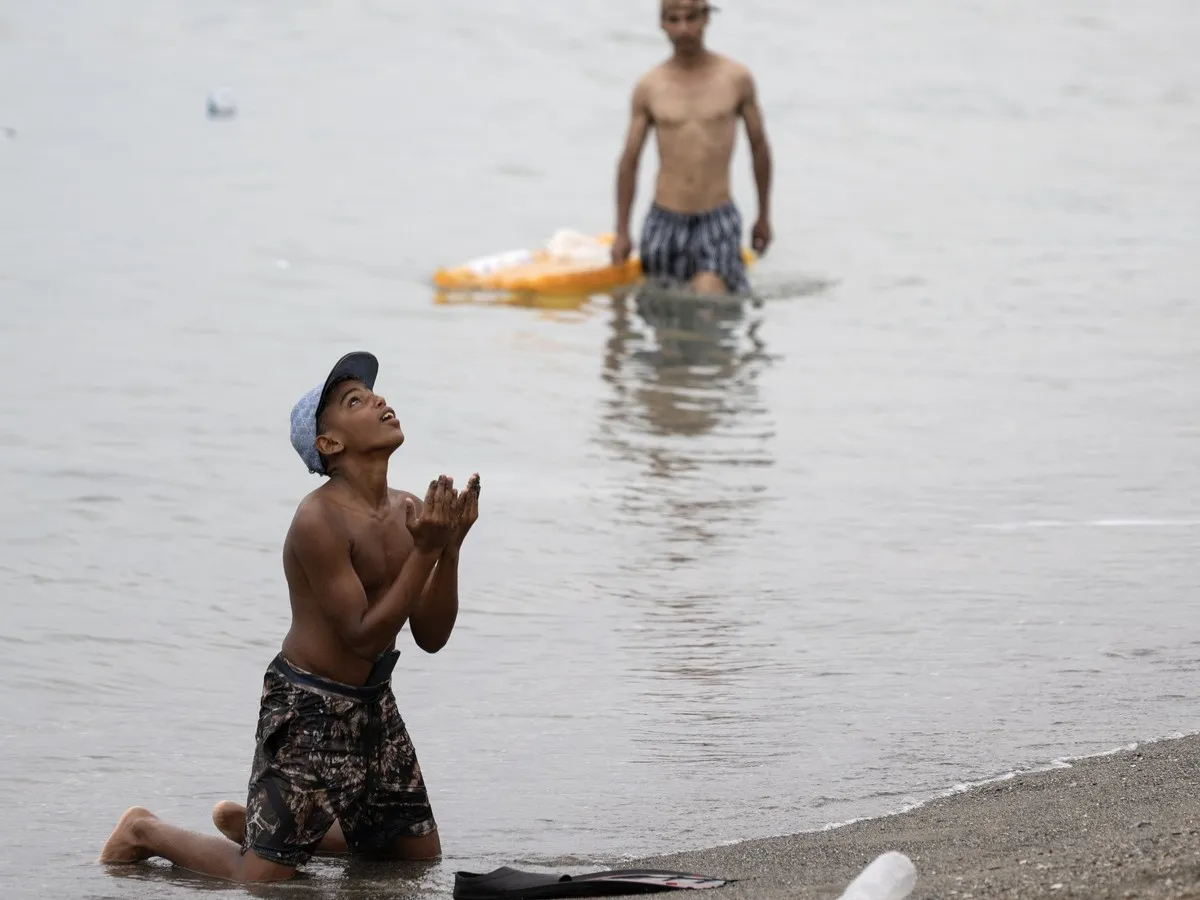
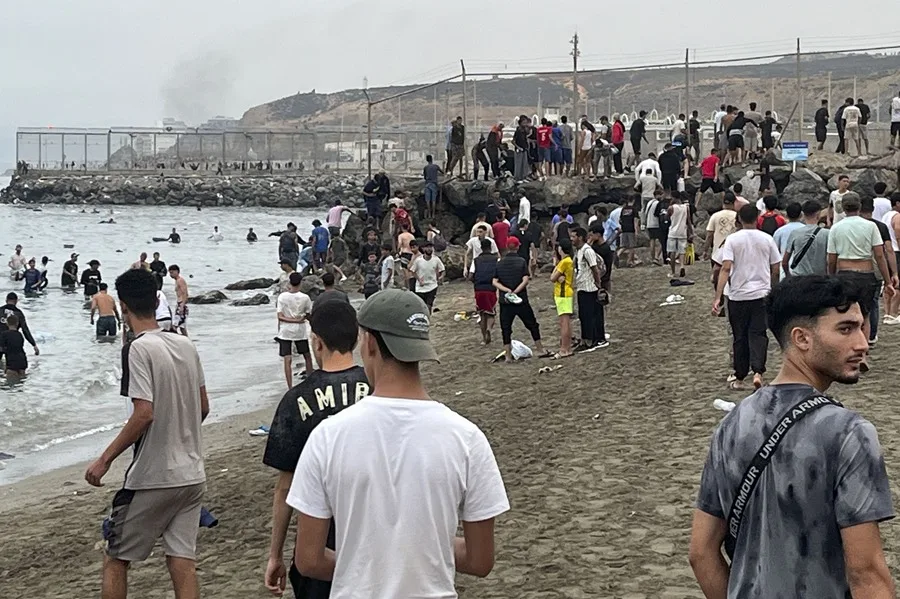
Migrants sit on rocks after swimming through the waters close to the border with Morocco © JORGE GUERRERO / AFP
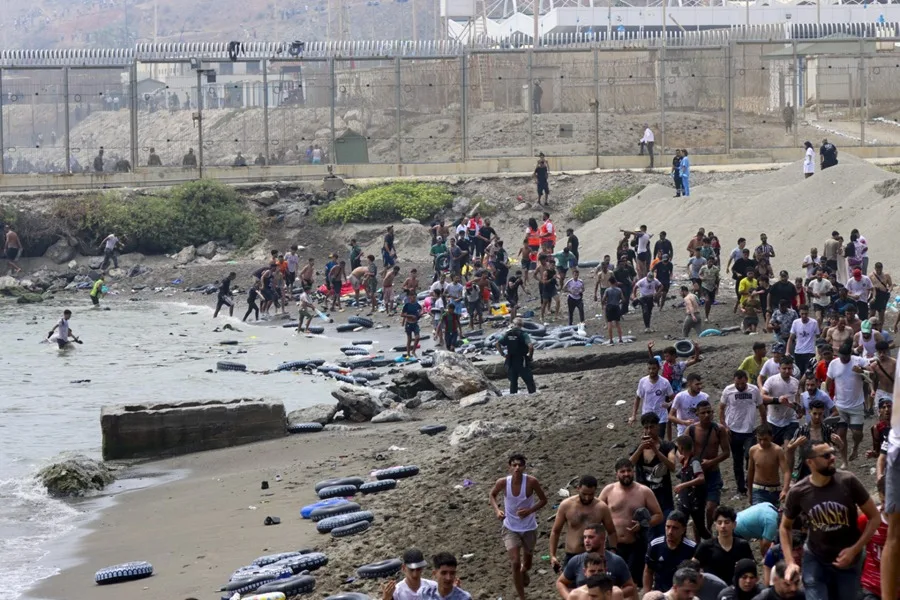
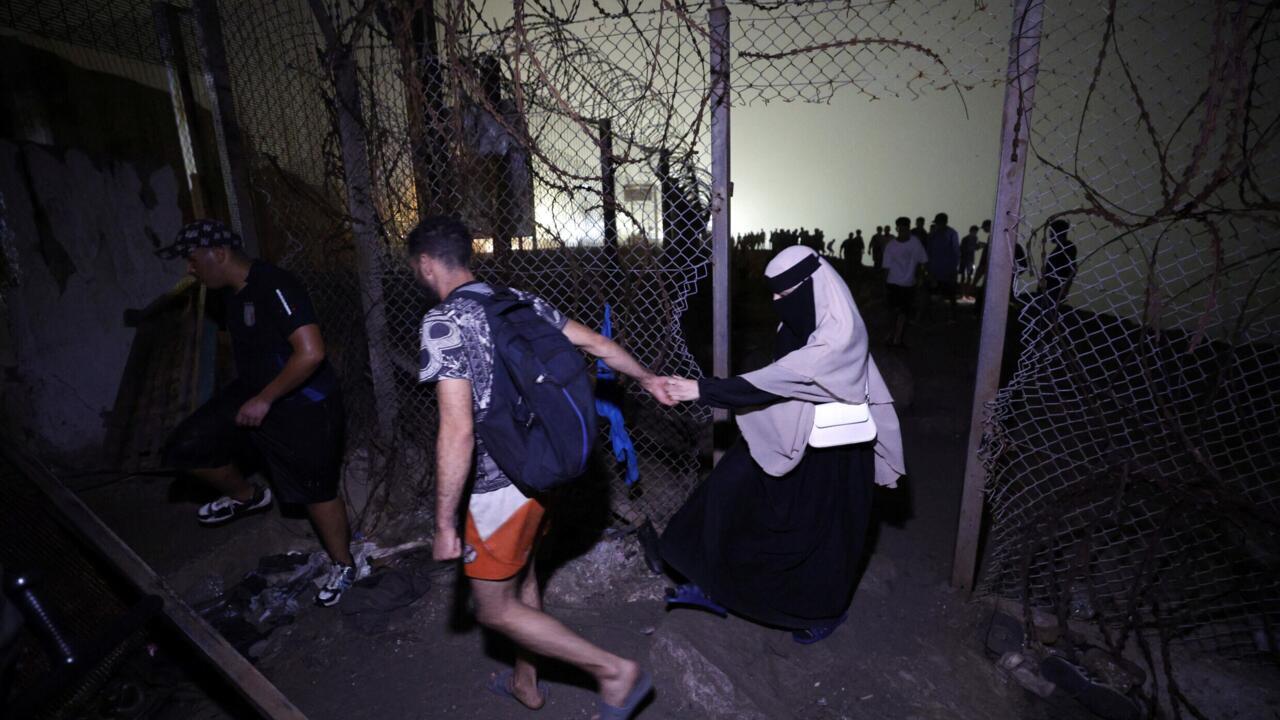
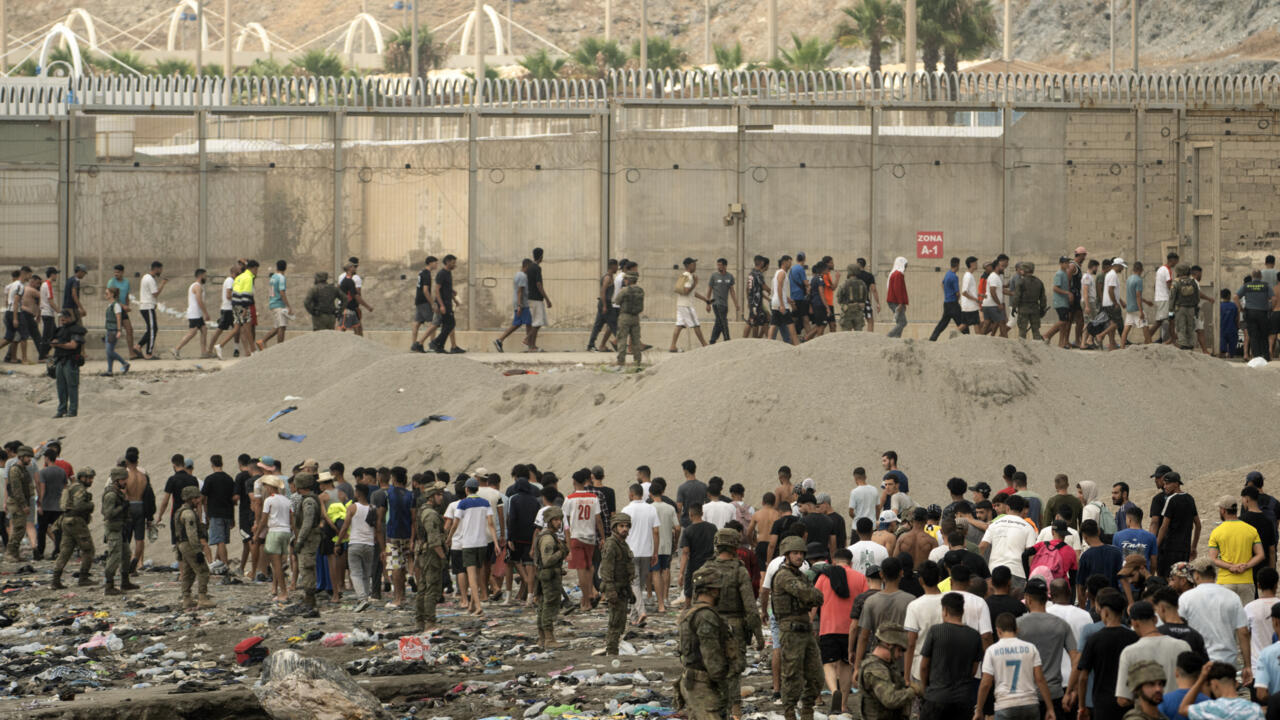
Some 60,000 migrants crossed into the territory from Morocco, local officials said. Many swam around a small border barrier that juts out into the Mediterranean Sea.AFP reporters saw hundreds of people -- men, women and children -- entering Ceuta, discarding flotation rings and clothes used in their crossing.The influx is one of the largest migrant arrivals ever recorded in Ceuta, sparking an international crisis for Madrid and drawing criticism from Germany, Italy and Finland.Spain has sent troops to manage security, and says more than 37,500 migrants who had crossed have returned to Morocco.Police in the centre of Ceuta directed migrants -- many of them youths -- towards the border, sometimes threatening them with batons.'Like the pandemic'