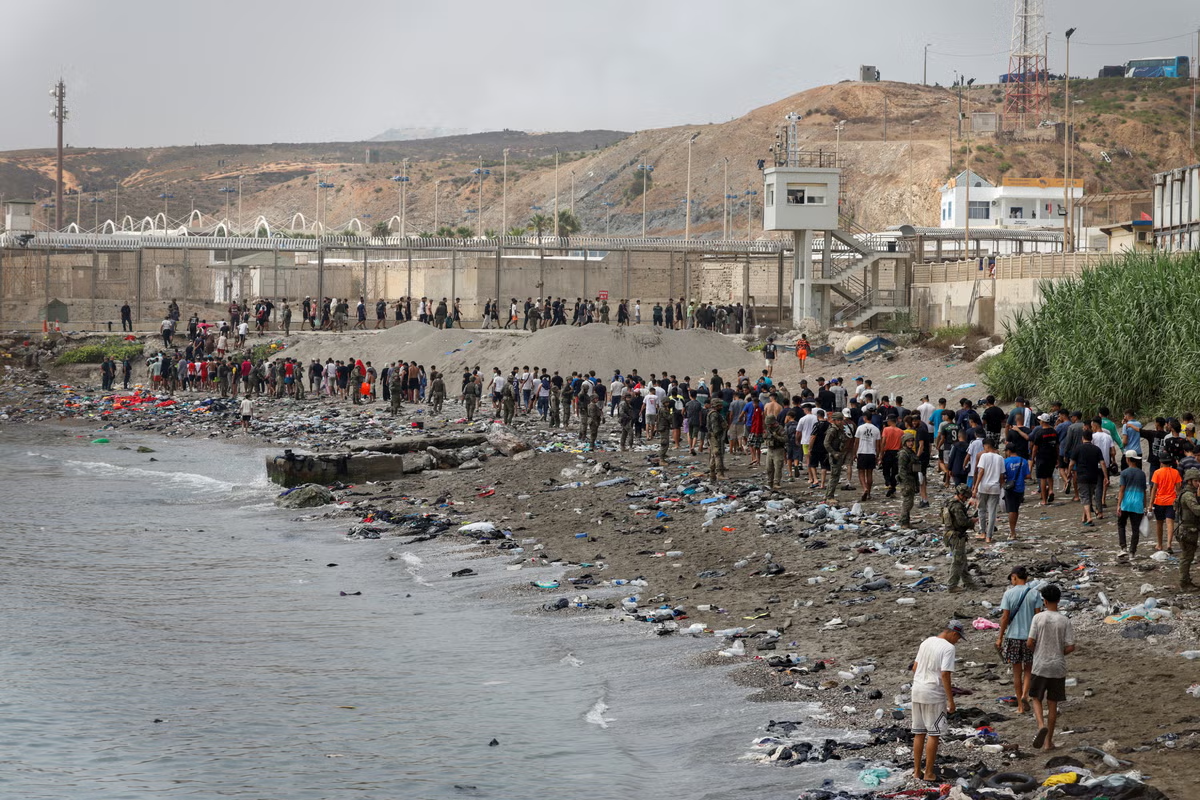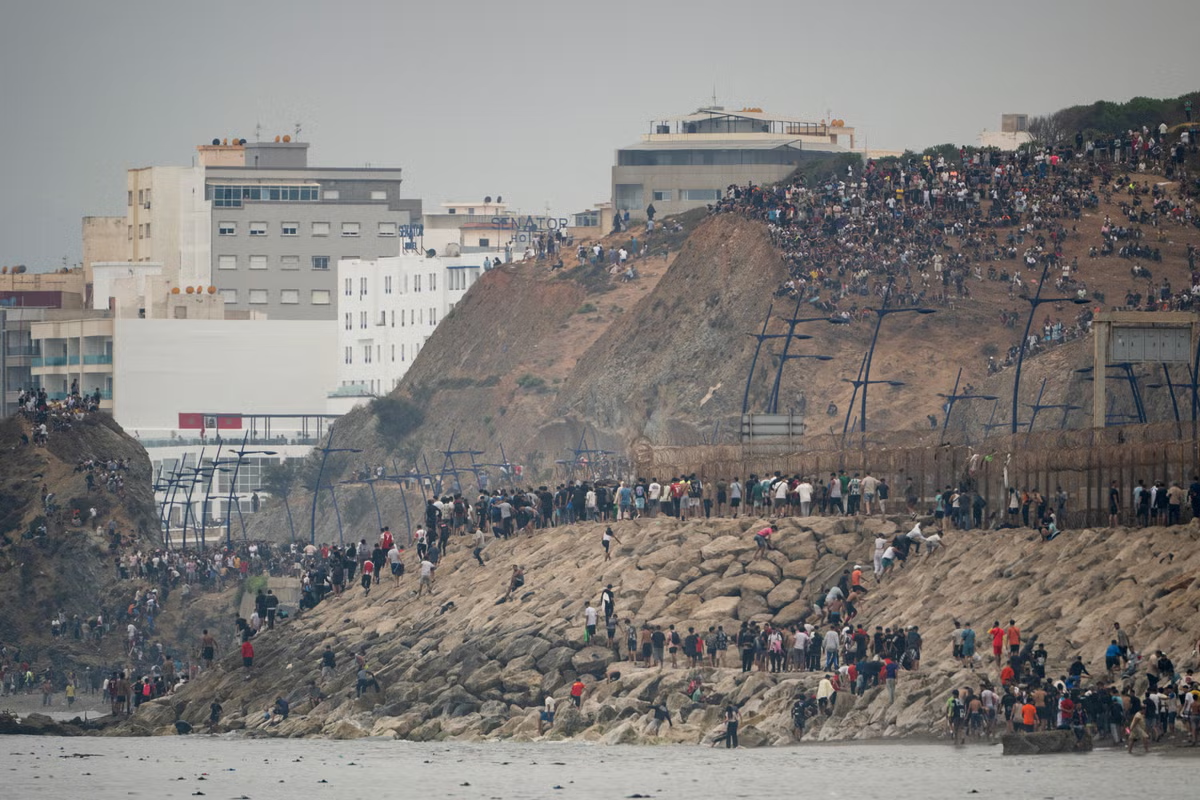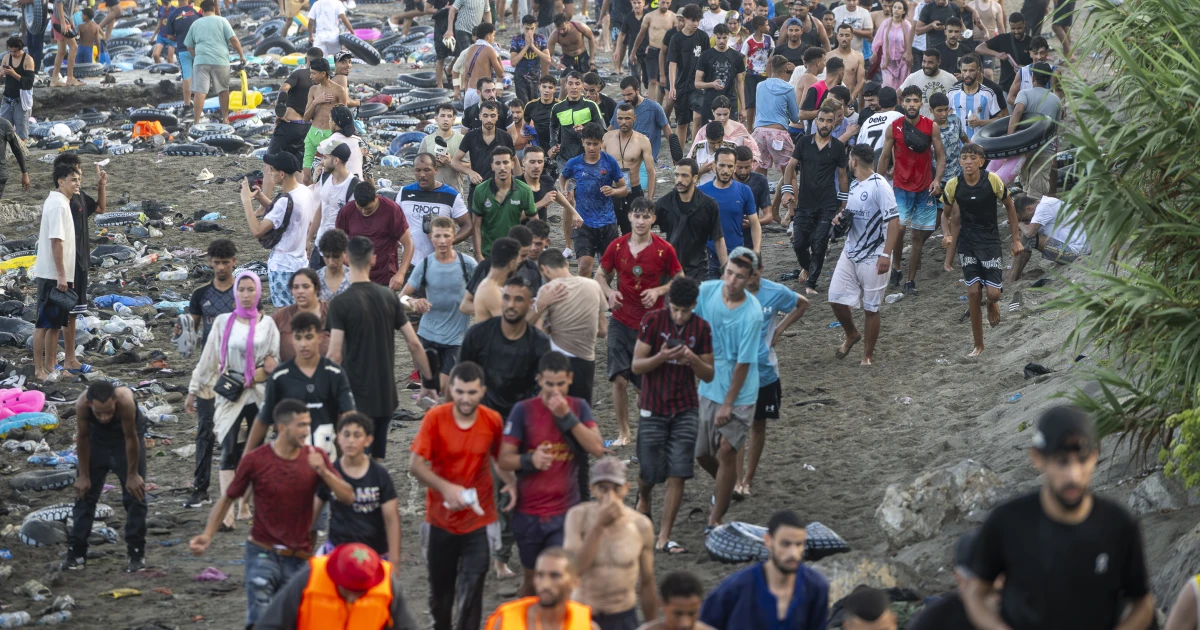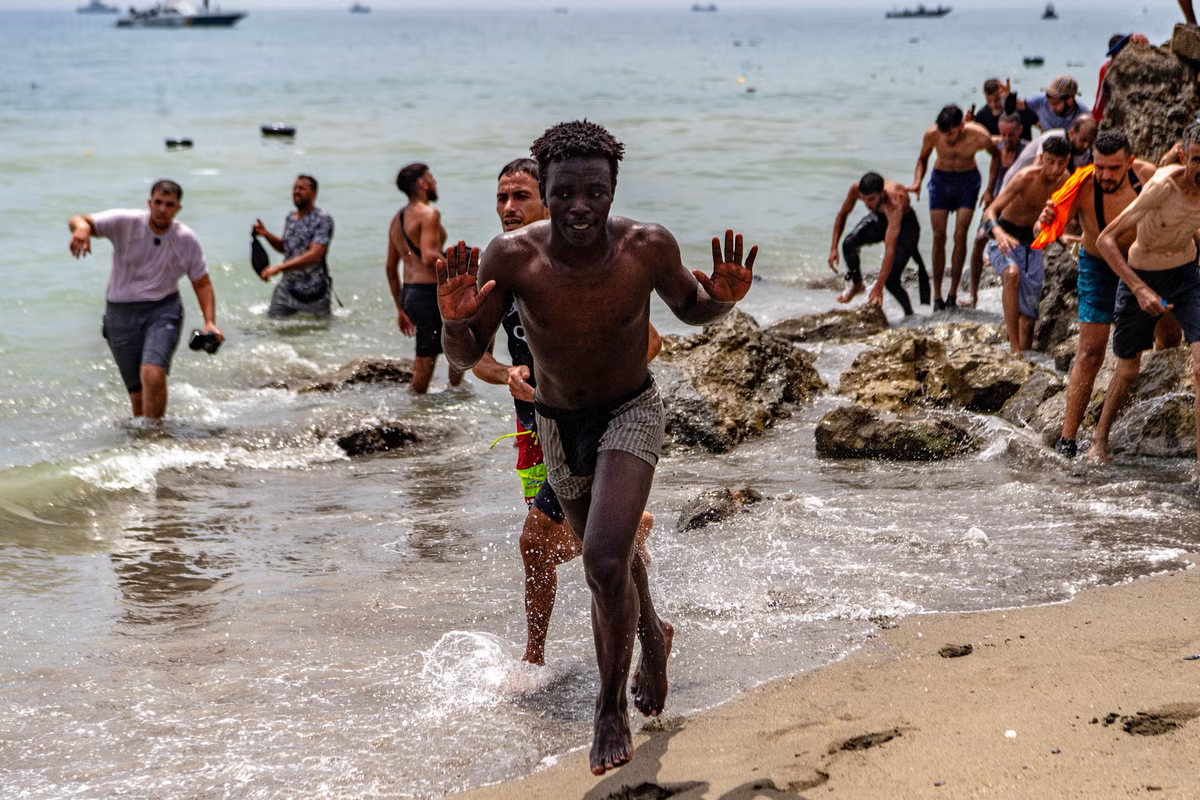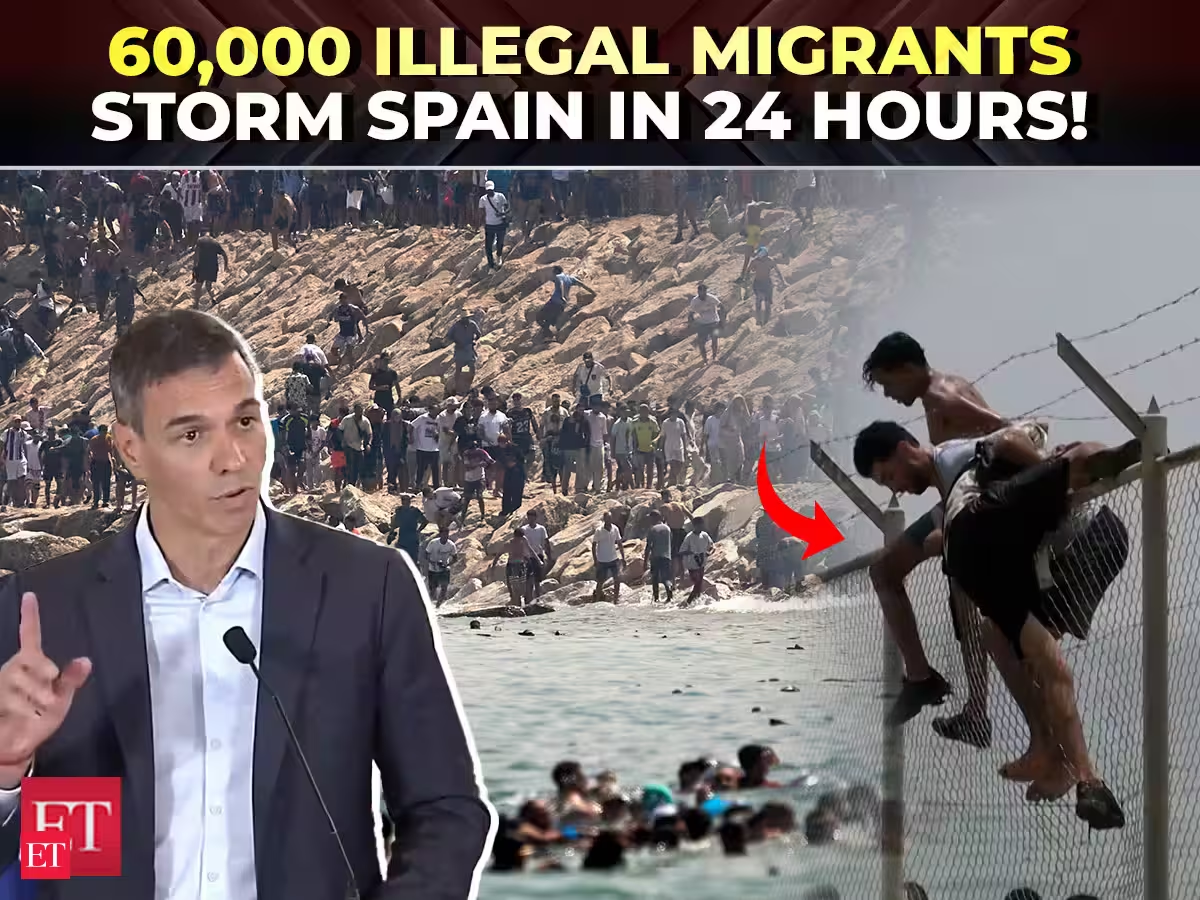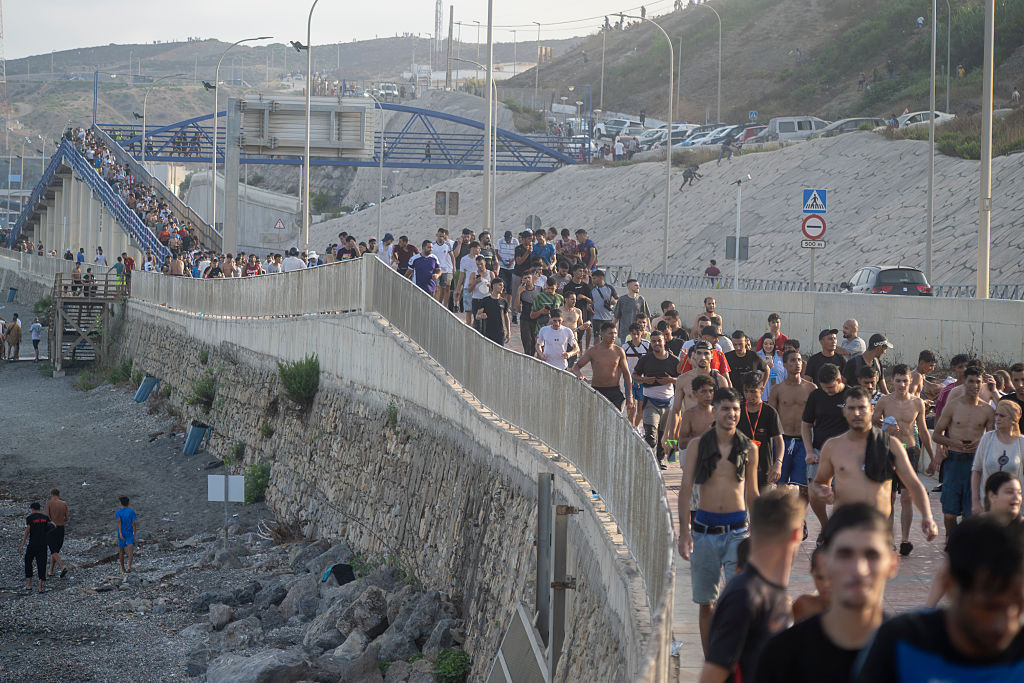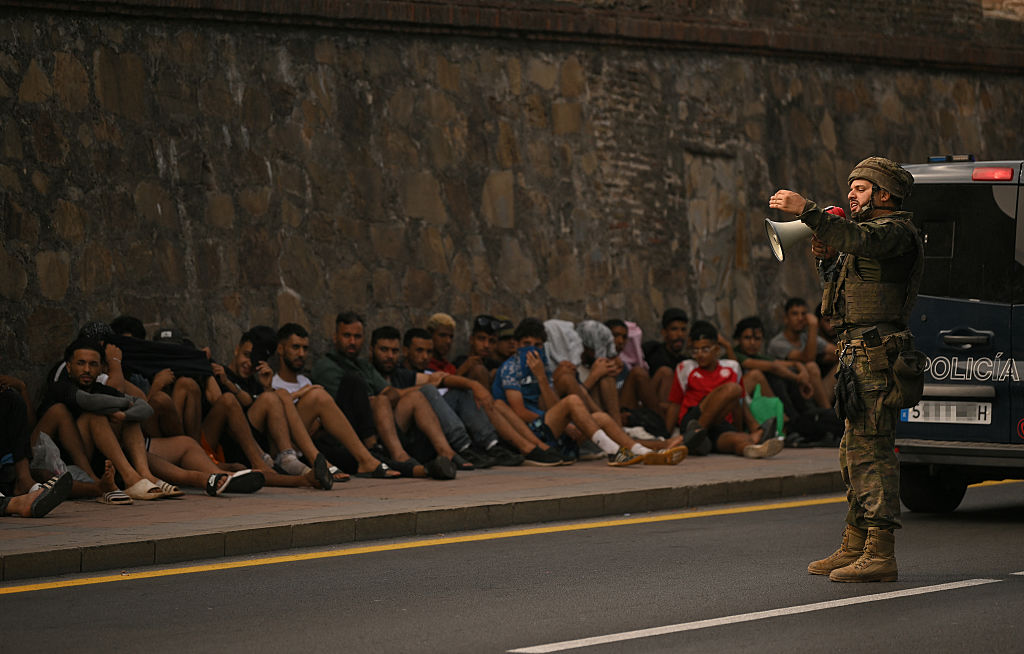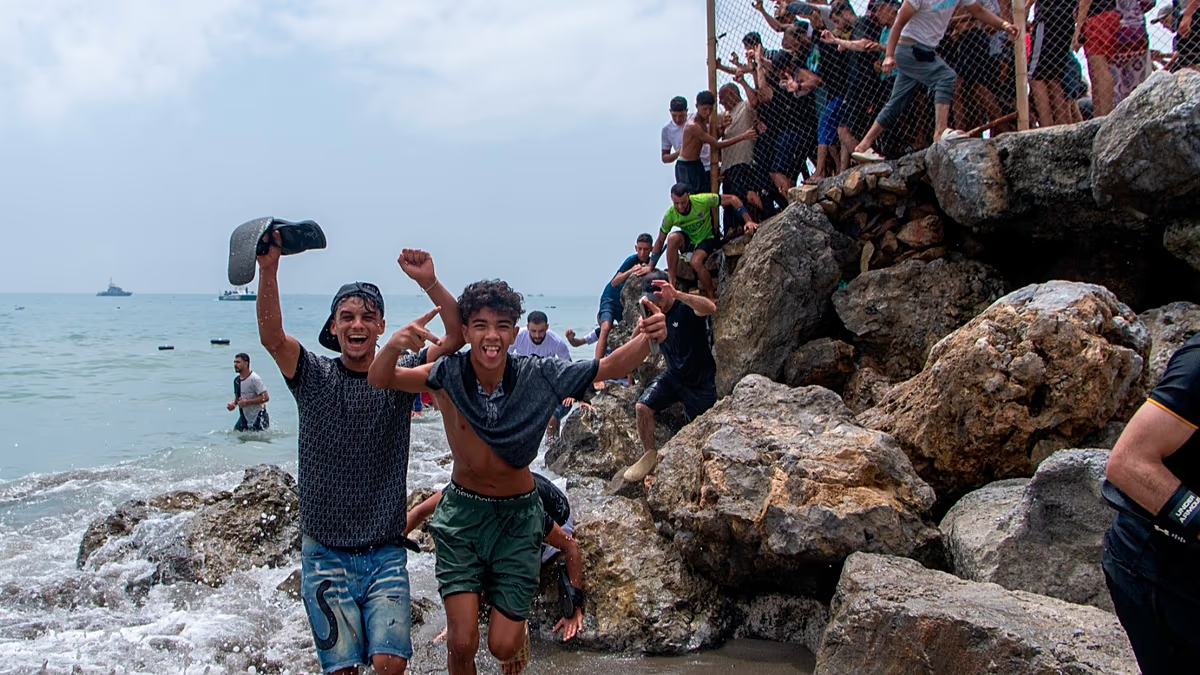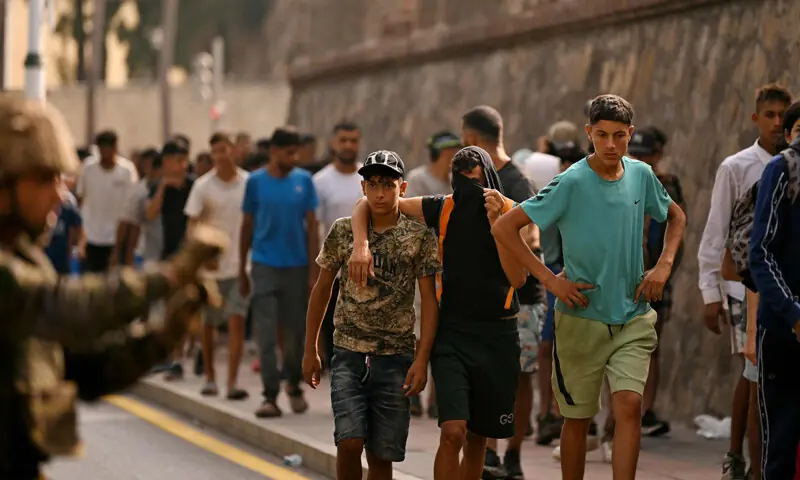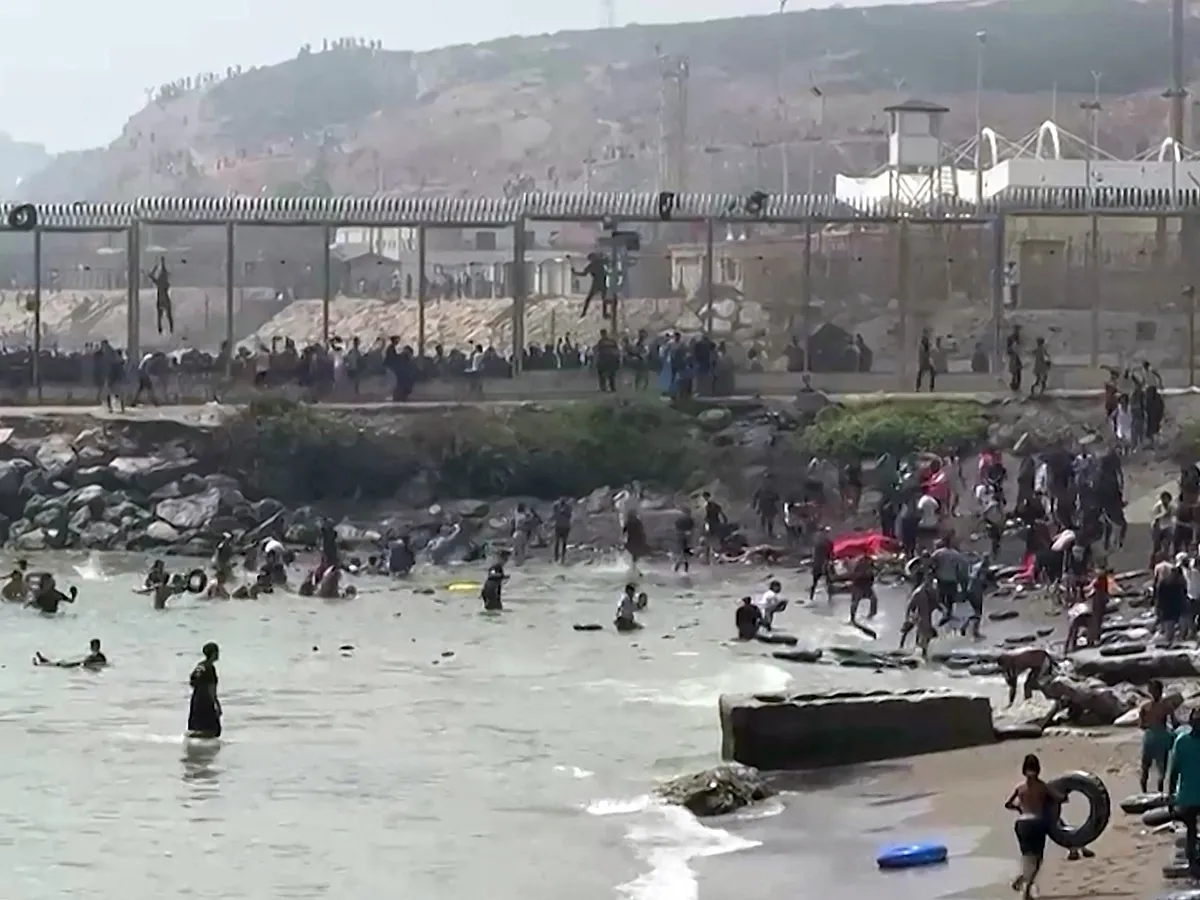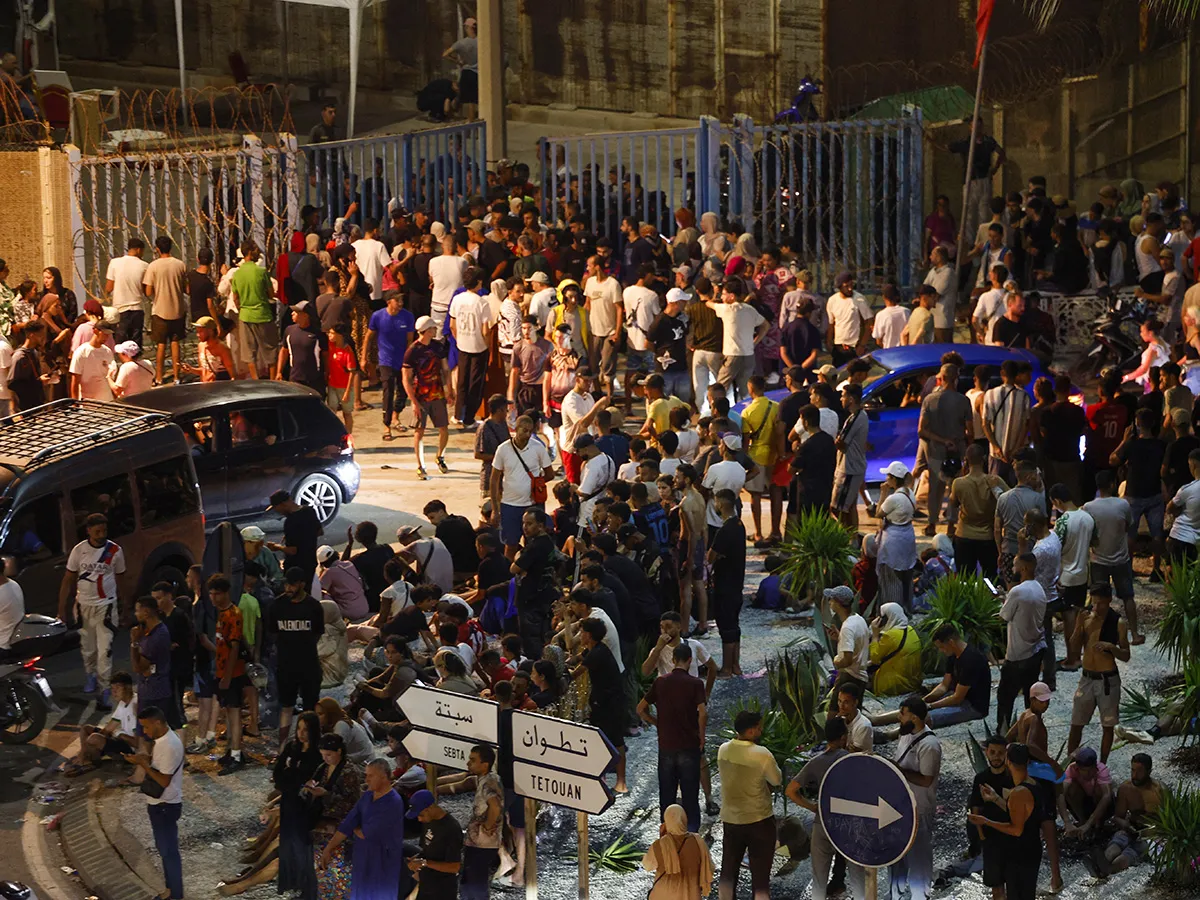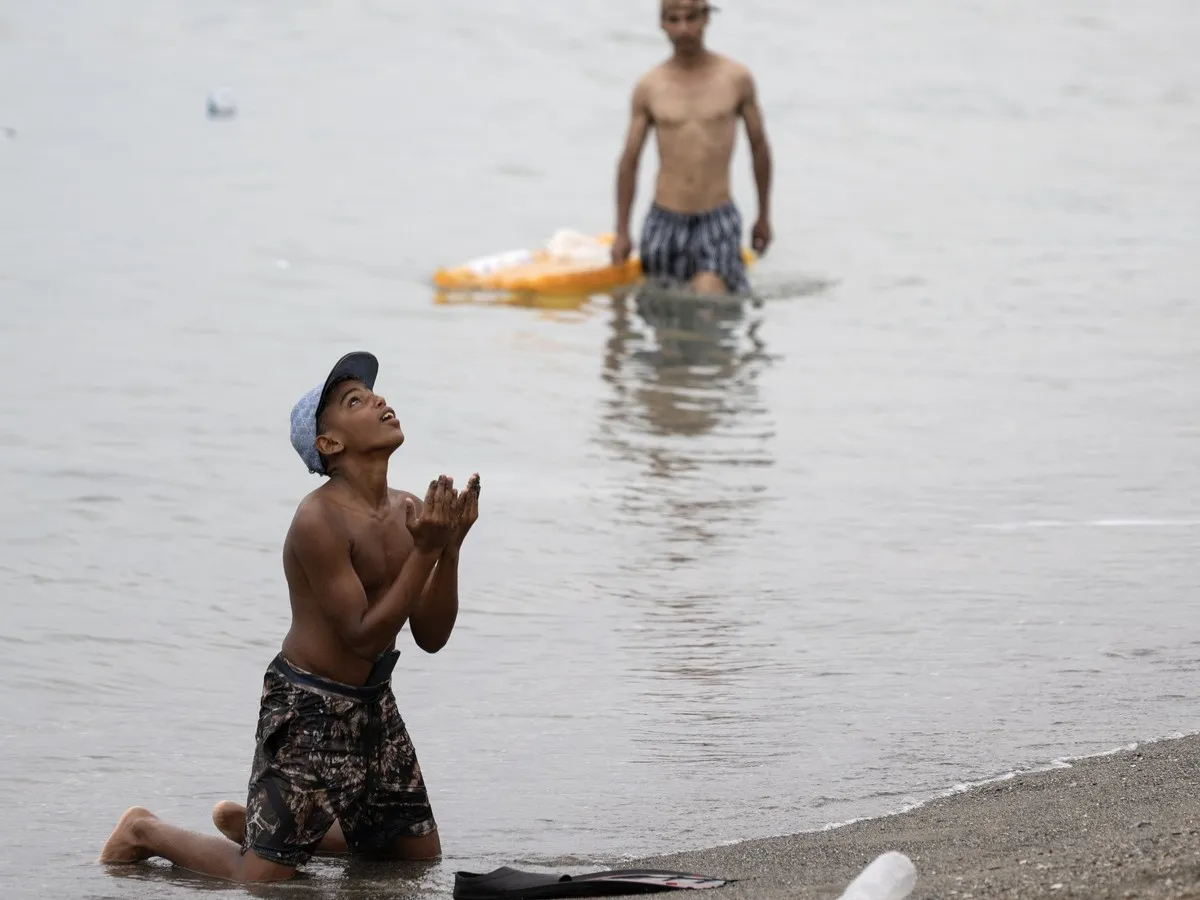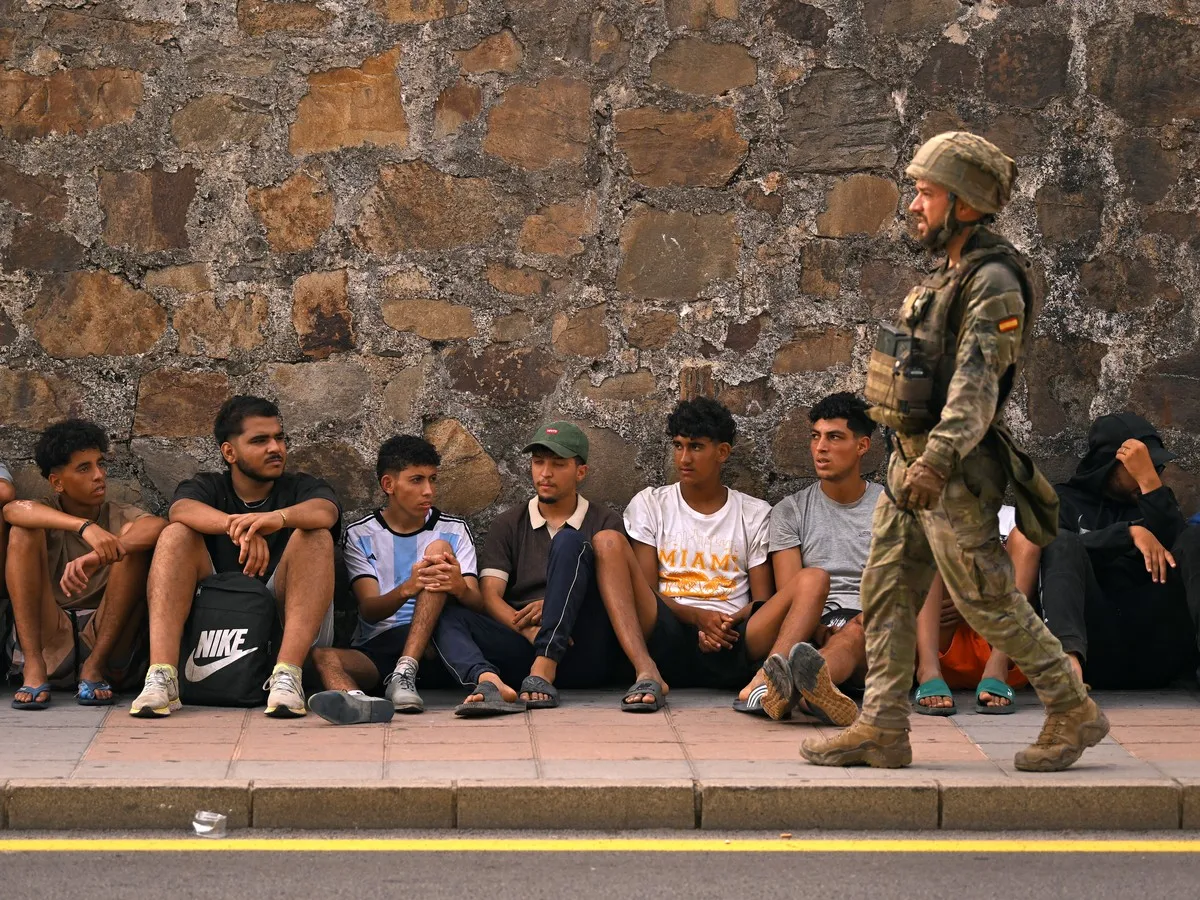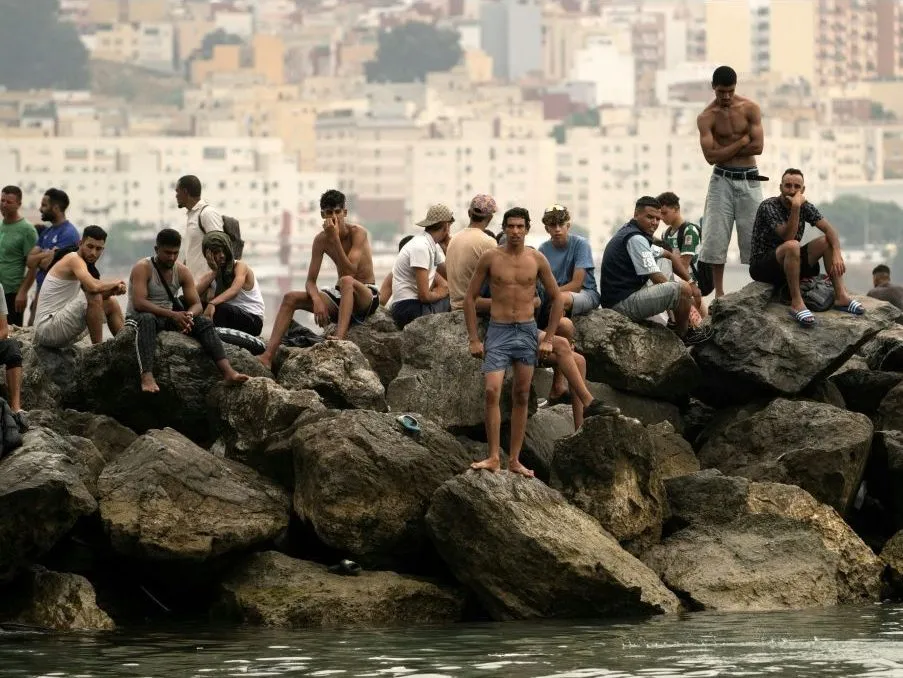
Skip to Content Subscribe Our Offers My Account Manage My Subscriptions FAQ Newsletters Canada Canadian True Crime Canadian Politics Health World Israel & Middle East Financial Post NP Comment Longreads Puzzmo Diversions Comics NP News Quiz New York Times Crossword Horoscopes Life Eating & Drinking Style Sponsored Play for Ontario Travel Travel Canada Travel USA Travel International Cruises Travel Essentials Culture Books Celebrity Movies Music Theatre Television Business Essentials Advice Lives Told Tails Told Shopping Buy Canadian Home Living Outdoor Living Kitchen & Dining Tech Style & Beauty Personal Care Entertainment & Hobbies Gift Guide Travel Guide Amazon Prime Day Deals Savings National Post Store More Sports Hockey Baseball Basketball Football Soccer Golf Tennis Driving Vehicle Research Reviews News Gear Guide Obituaries Place an Obituary Place an In Memoriam Classifieds Place an Ad Celebrations Working Business Ads Archives Healthing Epaper Manage Print Subscription Profile Settings My Subscriptions Saved Articles My Offers Newsletters Customer Service FAQ Newsletters Canada World Financial Post NP Comment Longreads Puzzmo Diversions Life Shopping Epaper Manage Print Subscription HomeNewsWorldEuropean leaders outraged after 50,000 migrants cross into Spain's CeutaSpanish officials said nearly 50,000 migrants rushed the Spanish territory over the past 24 hoursAuthor of the article: You can save this article by registering for free here. Or sign-in if you have an account.Migrants sit on rocks after swimming through the waters close to Ceuta's border with Morocco. Photo by JORGE GUERRERO /AFPThe sudden arrival of a massive group of migrants at a Spanish exclave in North Africa triggered a fresh wave of political attacks against Prime Minister Pedro Sánchez on both sides of the Atlantic, as voices from the right in Spain, Germany, Italy and France, with the White House joining in, lashed out against Europe’s leading liberal in office.Enjoy the latest local, national and international news.Exclusive articles by Conrad Black, Barbara Kay and others. Plus, special edition NP Platformed and First Reading newsletters and virtual events.Unlimited online access to National Post.National Post ePaper, an electronic replica of the print edition to view on any device, share and comment on.Daily puzzles including the New York Times Crossword.Support local journalism.Enjoy the latest local, national and international news.Exclusive articles by Conrad Black, Barbara Kay and others. Plus, special edition NP Platformed and First Reading newsletters and virtual events.Unlimited online access to National Post.National Post ePaper, an electronic replica of the print edition to view on any device, share and comment on.Daily puzzles including the New York Times Crossword.Support local journalism.Create an account or sign in to continue with your reading experience.Access articles from across Canada with one account.Share your thoughts and join the conversation in the comments.Enjoy additional articles per month.Get email updates from your favourite authors.Create an account or sign in to continue with your reading experience.Access articles from across Canada with one accountShare your thoughts and join the conversation in the commentsEnjoy additional articles per monthGet email updates from your favourite authorsSign In or Create an AccountorSpanish officials said nearly 50,000 migrants rushed the Spanish territory over the past 24 hours, swimming or climbing over fences into the small outpost with a population of 83,000, 11 miles from the Spanish mainland and accessible via an hour-long ferry. At least 41 people died in the mad dash to Ceuta, Spanish authorities said. A migrant gestures on the beach around the border barrier with Morocco to enter Spain’s north Africa’s Ceuta enclave on July 31, 2026. Photo by JORGE GUERRERO /AFP via Getty ImagesAs images of the crush spread quickly via social media, Spain responded, ordering a military deployment on Thursday to restore order. On Friday, Spain reinforced security and border fences, with Morocco deploying water cannons to push migrants back.Get a dash of perspective along with the trending news of the day in a very readable format.By signing up you consent to receive the above newsletter from Postmedia Network Inc.A welcome email is on its way. If you don't see it, please check your junk folder.The next issue of NP Posted will soon be in your inbox.We encountered an issue signing you up. Please try againThe sudden spike in arrivals sparked outrage across the European political spectrum. Before a more gradual uptick in recent days, only 2,698 migrants had arrived in Ceuta and Melilla, another Spanish exclave, via land during the first six months of the year, according to the Spanish Interior Ministry.It raised speculation of a repeat of 2021, when tensions between Spain and Morocco led to the Moroccans dropping border controls, allowing 8,000 migrants into Ceuta in two days. Spain’s Guardia Civil officers contol as migrants try to swim through the waters close to the border with Morocco to enter Spain’s north Africa’s Ceuta enclave on July 31, 2026. Photo by JORGE GUERRERO /AFP via Getty ImagesCiting Foreign Ministry sources, Spanish media outlets reported that Spanish authorities were discounting that theory, and Sánchez publicly blamed human traffickers responding to a recent Supreme Court decision that migrants arriving by sea to Ceuta or Melilla cannot be summarily returned without due process.Morocco’s ambassador in Spain, Karima Benyaich, said in public remarks that the migration had unfolded “outside of our will” and that Morocco “wants these citizens to return to our country,” according to media reports.Speaking Friday from Ceuta, Sánchez sought to defend the government’s response, including additional deployments of police and civil guards. He said authorities would place buoys in the breakwaters to act as a “containment barrier.”He decried the rush of migrants as a “violation” of Spanish territory, saying some of them were already returning voluntarily and more would be repatriated. A Spanish soldier stands on the beach as he controls the border with Morocco after migrants crossed the border to enter Spain’s north Africa’s Ceuta enclave on July 31, 2026. Photo by JORGE GUERRERO /AFP via Getty Images“This situation is unprecedented,” he said. “It breaks the trend that we have been recording throughout Spain of a systematic reduction year after year, month by month, in the arrivals of irregular migrants.”In the United States, a spectrum of right-wing voices from MAGA influencers to the White House latched on to the viral images.“President [Donald] Trump has long warned Europe what would happen if they continue to implement far-left, globalist policies, including enabling mass migration,” deputy White House press secretary Anna Kelly told Fox News. “Spain and other countries who have adopted this destructive philosophy should immediately reverse course or risk their own demise.”Stephen Miller, the White House deputy chief of staff who helped shape Trump’s anti-migration crackdown, shared a video of migrants rushing Ceuta by sea and land, claiming Democrats would “rejoice” over the images of “your home trampled and stolen by invaders.” Migrants fill bottles of watter on the beach after swimming through the waters close to the border with Morocco to enter Spain’s north Africa’s Ceuta enclave on July 31, 2026. Photo by JORGE GUERRERO /AFP via Getty ImagesFor Sánchez, already mired in a political crisis over corruption scandals within his inner circle, the fallout – both global and domestic – was swift and growing.Migrant flows to Ceuta and Melilla have ebbed and flowed for decades, with the last major surge in 2021.Spain’s Interior Minister Fernando Grande-Marlaska has blamed a “manipulation” of the Supreme Court decision by human traffickers, and officials have said they will seek to return the recently arrived migrants in Ceuta despite the ruling, with expulsions of several hundred already underway.Spain has struggled to limit irregular migration to its North African exclaves from Morocco, whose territory surrounds Ceuta and Melilla. Some speculation centred on whether Morocco had eased enforcement following Sánchez’s recent trip to Morocco’s adversarial neighbour, Algeria – an explanation discounted by some Spanish and Moroccan officials. Migrants cross back to Morocco after they crossed the border to enter Spain’s north Africa’s Ceuta enclave on July 31, 2026. Thousands of migrants crossed overnight from Morocco into Ceuta enclave, a police source said, as Spanish Prime Minister was set to arrive to manage the latest migrant crisis on the border. In recent days, a total of around 40,000 migrants have crossed into the territory, population 80,000, the source added. Photo by JORGE GUERRERO /AFP via Getty ImagesThe response across Europe was one of outrage, including from the mainstream political classes. French authorities said they would strengthen border controls with Spain.The surge came as the region is already moving to impose tougher rules on irregular migrants, with more generous Spain largely viewed as a liberal outlier.“The images coming from Ceuta are unacceptable,” declared European Commission President Ursula von der Leyen, demanding the “swift” return of those who arrived in Ceuta. “We cannot allow anyone to come to our Union without abiding by our rules.”The strongest response came from a host of anti-immigrant parties across Europe, who sought to capitalize on Sánchez’s woes and portray Spain – which is moving forward with a plan to legalize hundreds of thousands of undocumented migrants – as a liability and magnet for irregular migration. Migrants walk past Spanish military personal in the border between Morocco and the Spain’s north Africa’s Ceuta enclave on July 31, 2026. Photo by JORGE GUERRERO /AFP via Getty ImagesTravel from Ceuta to mainland Spain requires border and identity checks, including valid visas for those needing them. Those measures were put in place to control migration from the Spanish exclaves into the European Union, though some politicians insisted the events of recent days proved they were not enough.Italian Prime Minister Giorgia Meloni called for the suspension of Spain from the Schengen agreement that allows free movement between 29 European countries – an agreement already under stress as several countries have reintroduced border checks. The government of Finland joined Italy in calling for Spain to be excluded from the agreement.“The images coming from Ceuta are striking and demonstrate, once again, that uncontrolled illegal immigration poses a concrete threat to the security of Europe’s borders,” Meloni wrote on X.The diplomatic spat with Italy escalated as Foreign Minister Antonio Tajani joined Meloni in calling for Spain’s suspension from Schengen, prompting a rebuke from his Spanish counterpart, who summoned Italy’s ambassador to Spain in protest. People gather on a hilltop near Bab Sebta on the Morocco-Spain border, near Spain’s enclave of Ceuta and the Moroccan town of Fnideq on July 30, 2026. Photo by Abdelmajid BZIOUAT/AFP via Getty Images“This message from the foreign minister of a friendly country and partner from whom we expect European solidarity rather than party-political demagoguery is unworthy,” responded Spain’s Foreign Minister José Manuel Albares.In Germany and France, hard-right parties vying for power latched on to the crisis too.“Borders must now be closed and rejections rigorously enforced. 2015 must not repeat itself!” Alice Weidel, co-leader of the Alternative for Germany party, declared on X, referring to the rush of refugees into Europe primarily fueled by the Syrian civil war.Sánchez has emerged as a symbol of Europe’s left, challenging Trump and criticizing the war in Iran, while also turning Spain into a counterpoint in the migrant debate by rolling out a broad legalization plan and adopting a more accepting tone, particularly regarding migrants arriving from Spanish-speaking countries in Latin America.Sánchez pushed back on X, saying “the Government of Spain is fully committed to providing an immediate response to the situation in Ceuta” and saying, “this is the moment to build solutions, with responsibility and cooperation.” People gather at Bab Sebta, on the Morocco-Spain border near Spain’s enclave of Ceuta and the Moroccan town of Fnideq, on July 30, 2026. Photo by Abdelmajid BZIOUAT/AFP via Getty ImagesSpain’s civil guard association, the AUGC, blamed a “shortage of personnel, insufficient resources, and agents working to the limit,” in a post on X.The surge, which built in recent days, caused chaos in the tiny territory of Ceuta. Some of the migrants arrived with little more than their bathing suits, without food or money. Some businesses shuttered their doors and many residents were remaining indoors, according to Spain’s RTVE network.“It’s like an apocalypse. Tides of people everywhere,” José Carlos Lara, a Ceuta business owner, told the network. The crisis provided fresh ammunition to Sánchez’s domestic political enemies.“Just as serious as what is happening is that the Government reacts with weakness,” declared Alberto Núñez Feijóo, president of the center-right Popular Party.Santiago Abascal, leader of Spain’s far-right Vox party, sought to pin the blame on Sánchez’s “massive regularization,” while portraying the surge as an “invasion.”In his comments from Ceuta, Sánchez largely sidestepped the regularization effort, focusing instead on his government’s steps to curb irregular migration.Our website is the place for the latest breaking news, exclusive scoops, longreads and provocative commentary. Please bookmark nationalpost.com and sign up for our daily newsletter, Posted, here. Join the Conversation This website uses cookies to personalize your content (including ads), and allows us to analyze our traffic. Read more about cookies here. By continuing to use our site, you agree to our Terms of Use and Privacy Policy.
European leaders outraged after 50,000 migrants cross into Spain's Ceuta
The sudden arrival of a massive group of migrants to Ceuta, North Africa, triggered a wave of political attacks against Pedro Sánchez.
2,140 words~10 min read