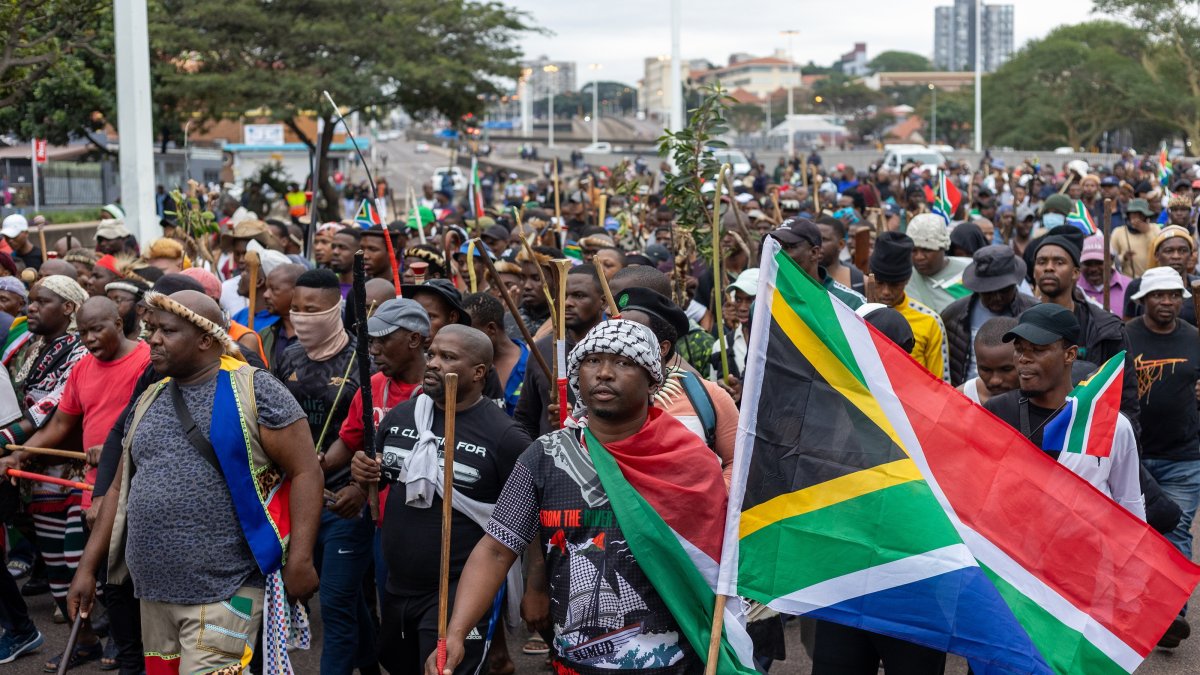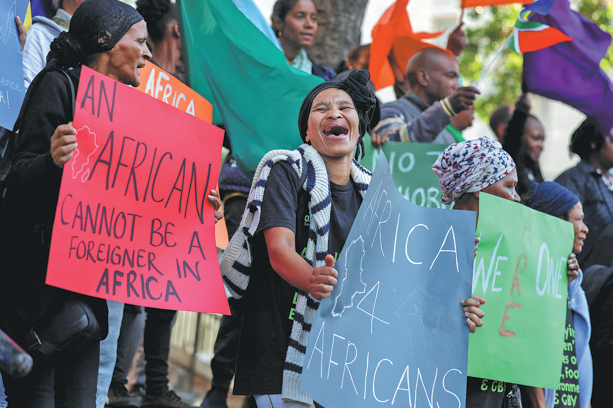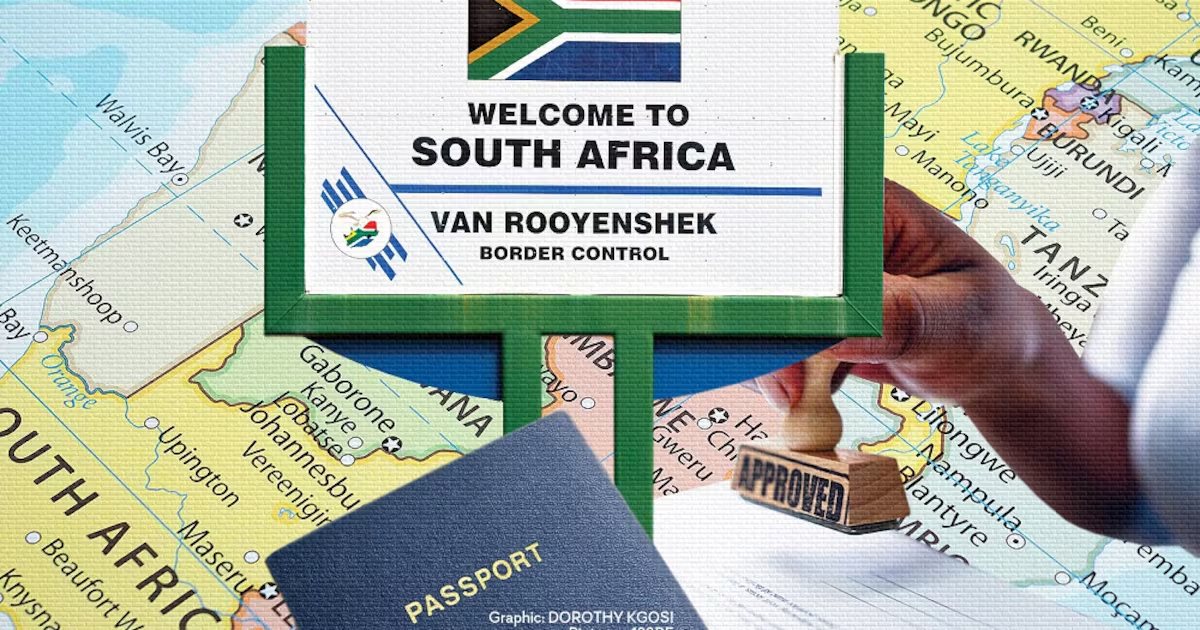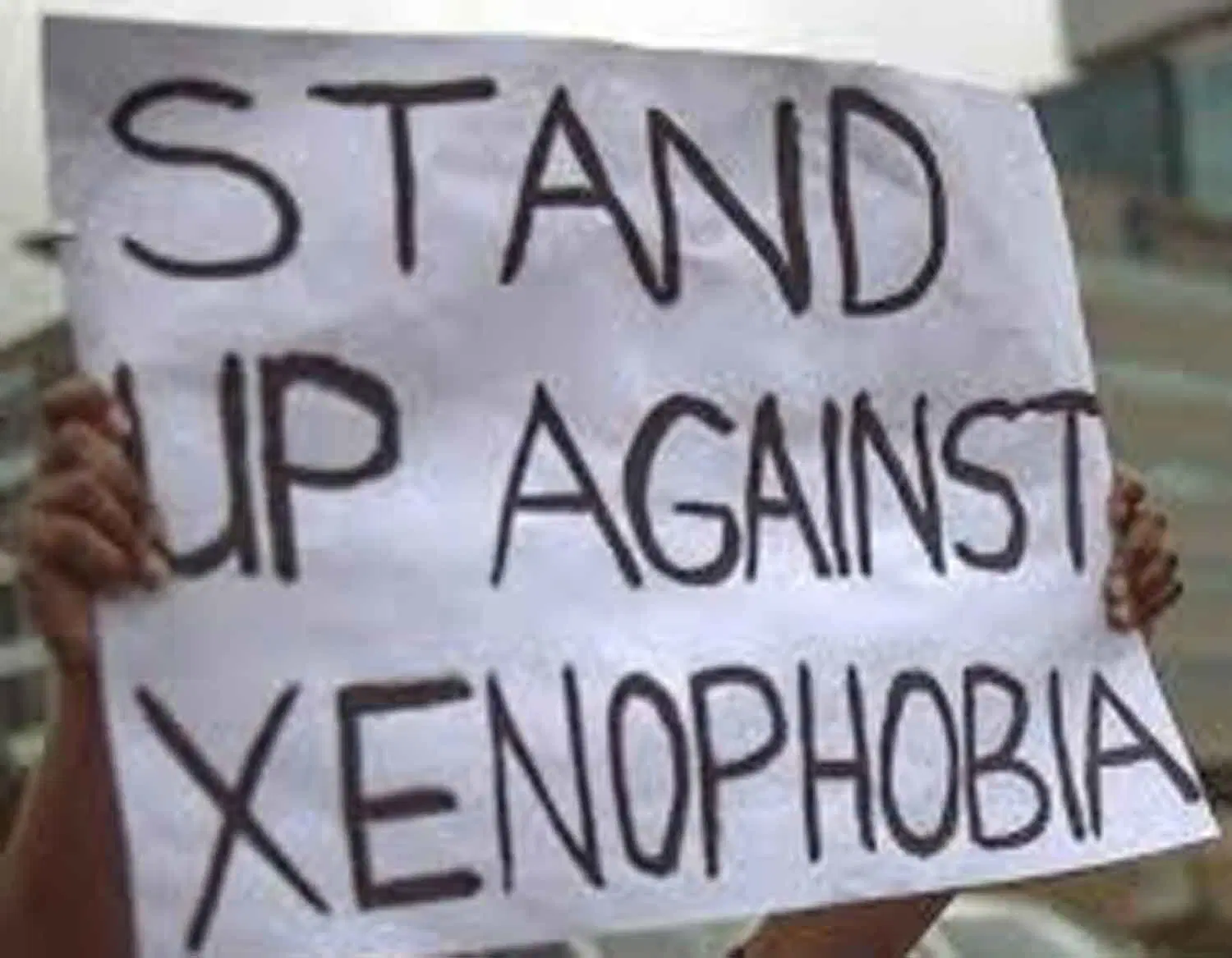
Pan-Africanist dreams of enforced Pan-African unity and brotherhood as promised by Kwame Nkrumah are questioned by many commentators, citing instances of repeated xenophobic violence in South Africa as proof that Pan-African unity is not what Africans desire. The late Kwame Nkrumah of Ghana and the late Nelson Mandela of South Africa both believed that Africa should be a continent of no boundaries where people from all African nations could live and work freely. But rather than a borderless Africa free of prejudices, South Africa has seen the emergence of waves of threatening xenophobic violence lately.
For instance, last month’s protests have resulted in the deaths of at least 7 people and have led thousands of businesses to shut down, forcing thousands of migrants from other African countries to flee to neighbouring countries. The ongoing diplomatic standoff between South Africa and its African neighbours may potentially derail attempts to create the world’s largest free trade zone in the near future, ruining the idea of Pan-African unity altogether.
The vision of a united Africa has long governed the interactions between Africa and the rest of the world. This vision is rooted in the principles of Pan-Africanism and is backed by contemporary agreements such as the African Continental Free Trade Area. But now, this dream has been put at risk by a very serious diplomatic and humanitarian crisis. Lately, there has been a noticeable rise in xenophobic attacks in South Africa against migrants from Nigeria, Ghana, and other African countries.