The World Bank has outlined how East Asia and the Pacific can strengthen energy security, modernise maritime infrastructure and accelerate the adoption of low-carbon marine fuels as shipping charts a course towards net zero.
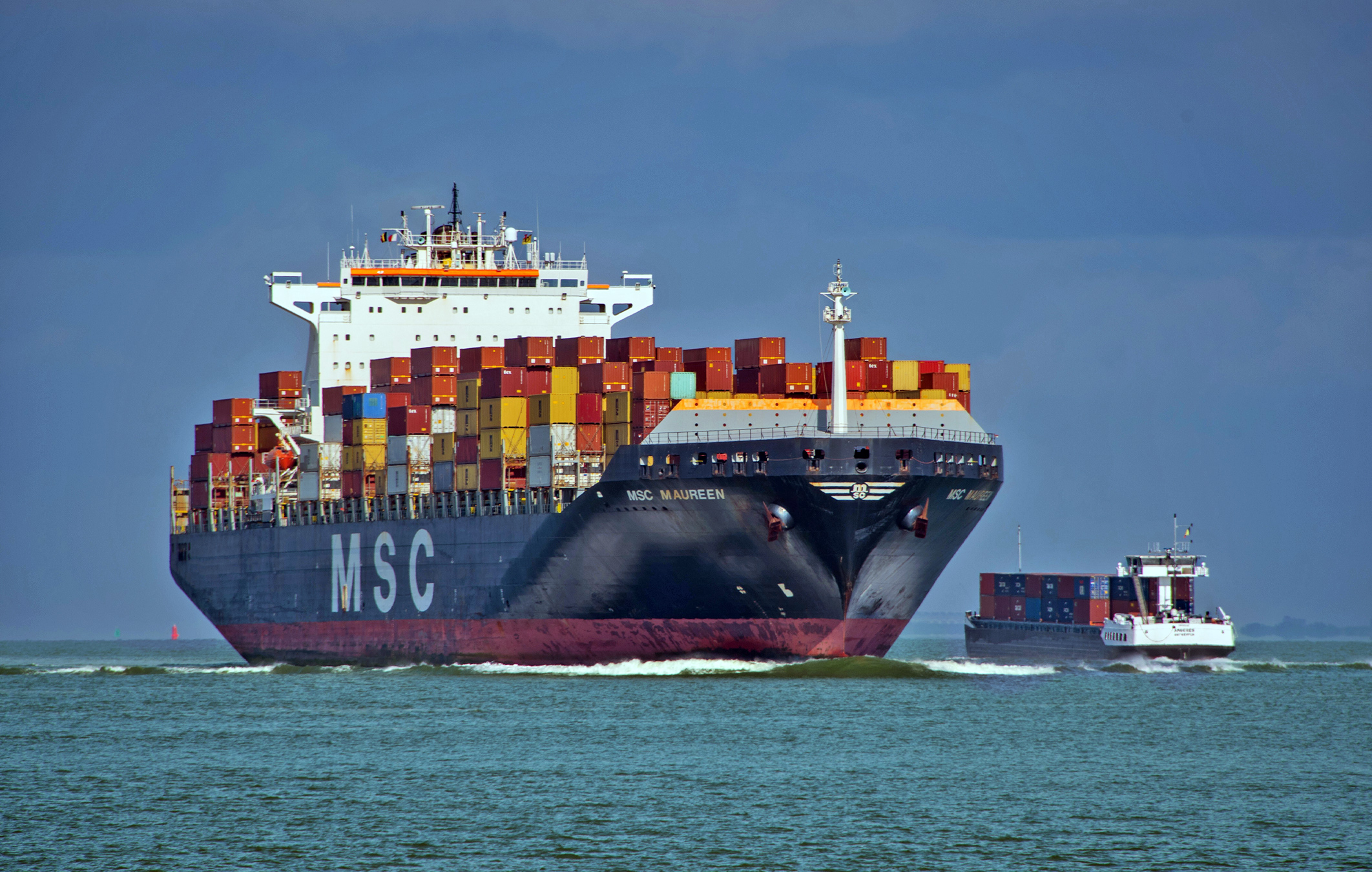
Supporting between 16 and 18 million people through global, regional and domestic supply chains, the region's maritime sector underpins international commerce while transporting everything from manufactured goods to critical energy commodities.
As demand for shipping continues to rise, the industry is facing mounting challenges including congested ports, ageing fleets, safety concerns and the need to replace fossil fuels with cleaner energy alternatives.
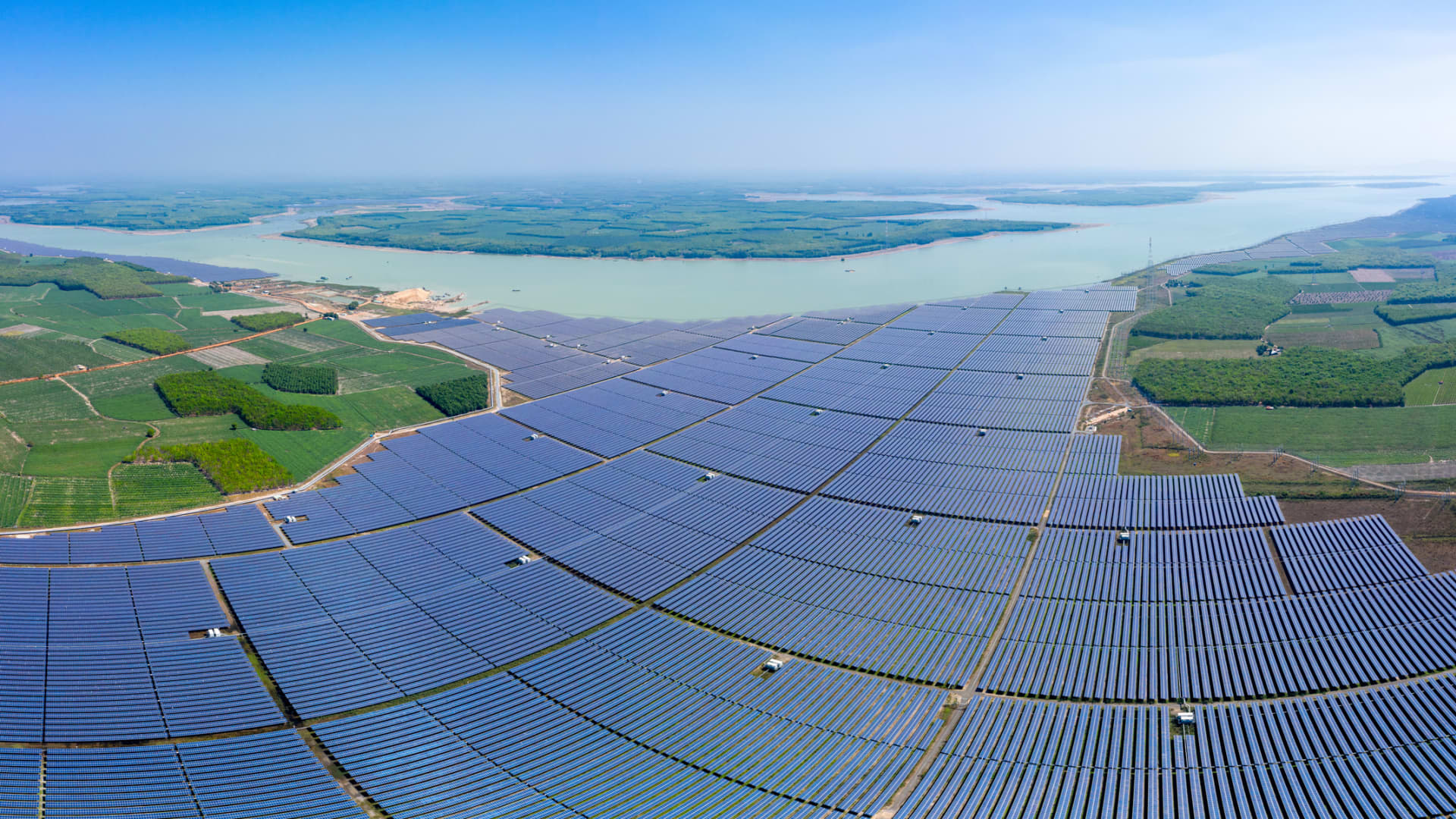
According to the World Bank's latest report, Ports, Ships and Fuels: Maritime Efficiency, Safety and Sustainability in East Asia and Pacific, improving operational performance while investing in clean energy infrastructure will be central to building resilient supply chains and achieving long-term decarbonisation.
The report identifies operational efficiency as one of the fastest and most cost-effective ways to reduce fuel consumption and emissions across the maritime sector.