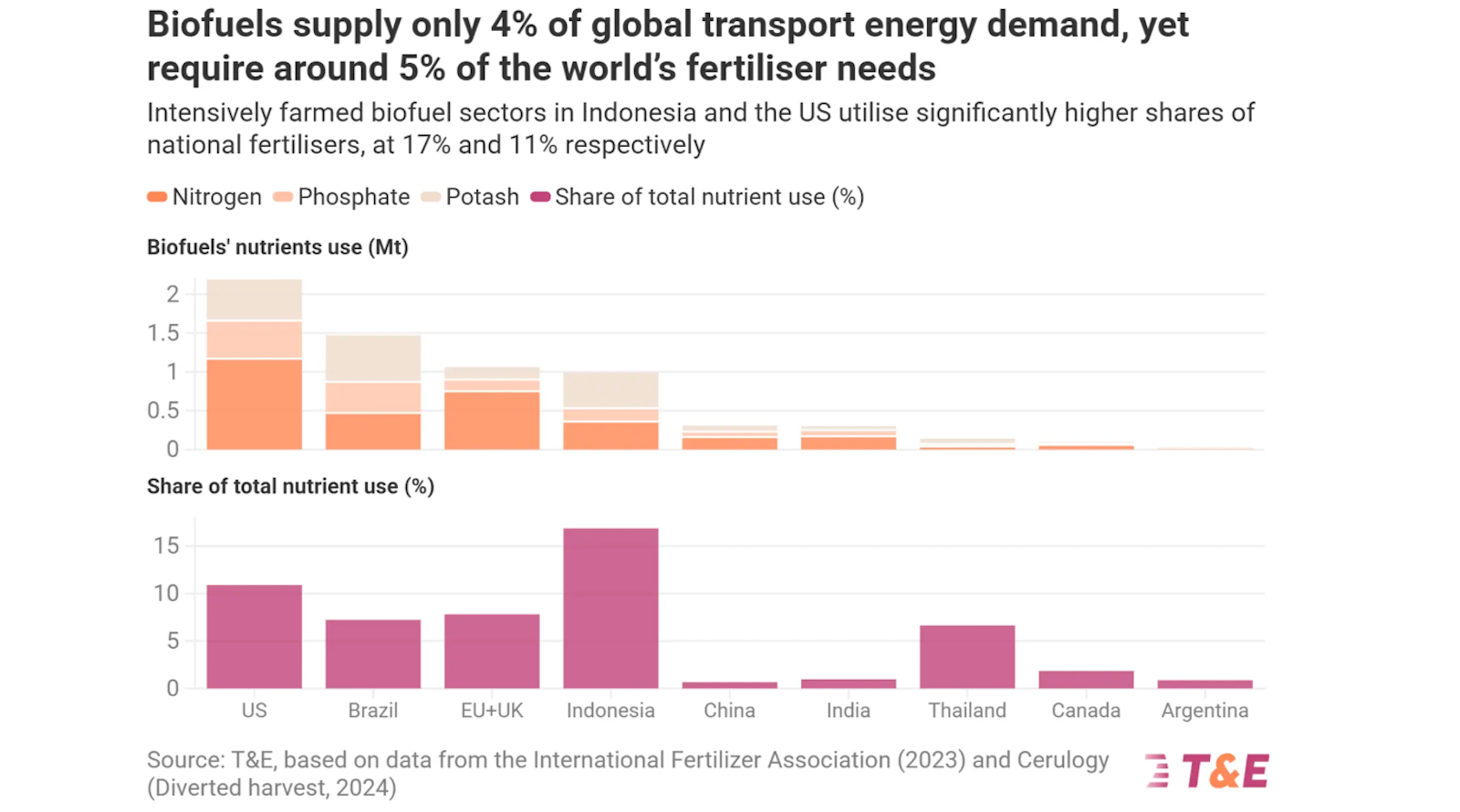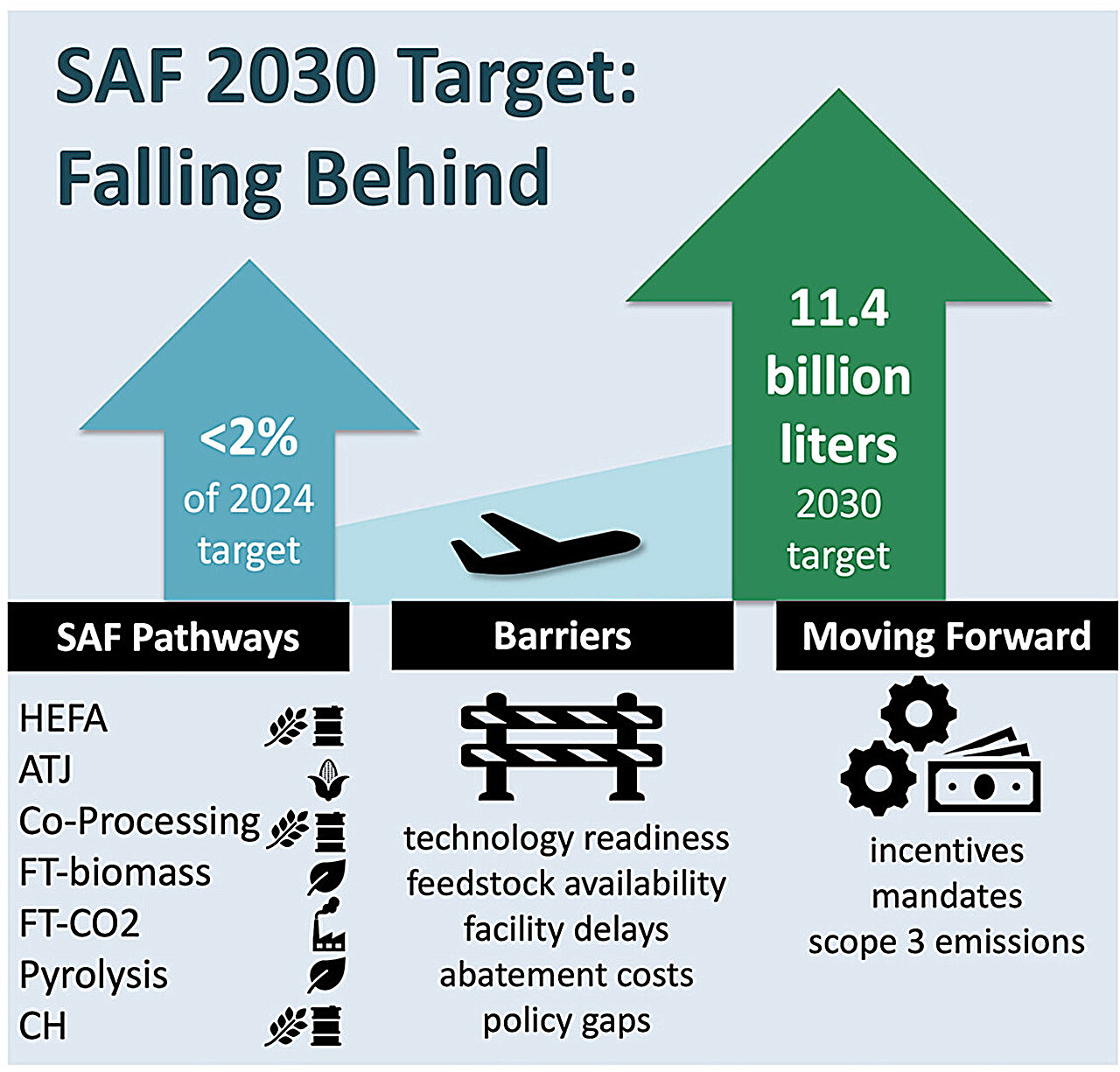
Global demand for low-carbon fuels is scaling fast. According to the International Energy Agency’s Net Zero Scenario, global biofuel demand in the transport sector is projected to reach 215 billion liters annually by 2030, while investment in low-emission fuels has been rising at pace, with a 66% growth in 2022 alone. Demand is growing across aviation, marine and heavy transport. Emissions targets are tightening, and both governments and investors are putting significant capital behind low-carbon fuel projects. Successful project deployment includes managing a complex array of factors from the earliest stages of planning. This is where early strategic planning is critical for shaping intent into a fully fledged project. But what does success in that conceptual stage look like?
Different Starting Points, Same Principles
It starts with understanding the positioning of each developer. Some are legacy asset owners adapting to changing demands or emissions targets. Others start with a blank map in terms of specific approaches but have capital, a region or the ambition to develop low-carbon fuels in mind.
Many fall somewhere in between: power providers moving to liquids, technology developers seeking scale or consortiums built around emerging policy support. What they all have in common is a need for early-stage structure, consultation and realism to guide the success of their project.