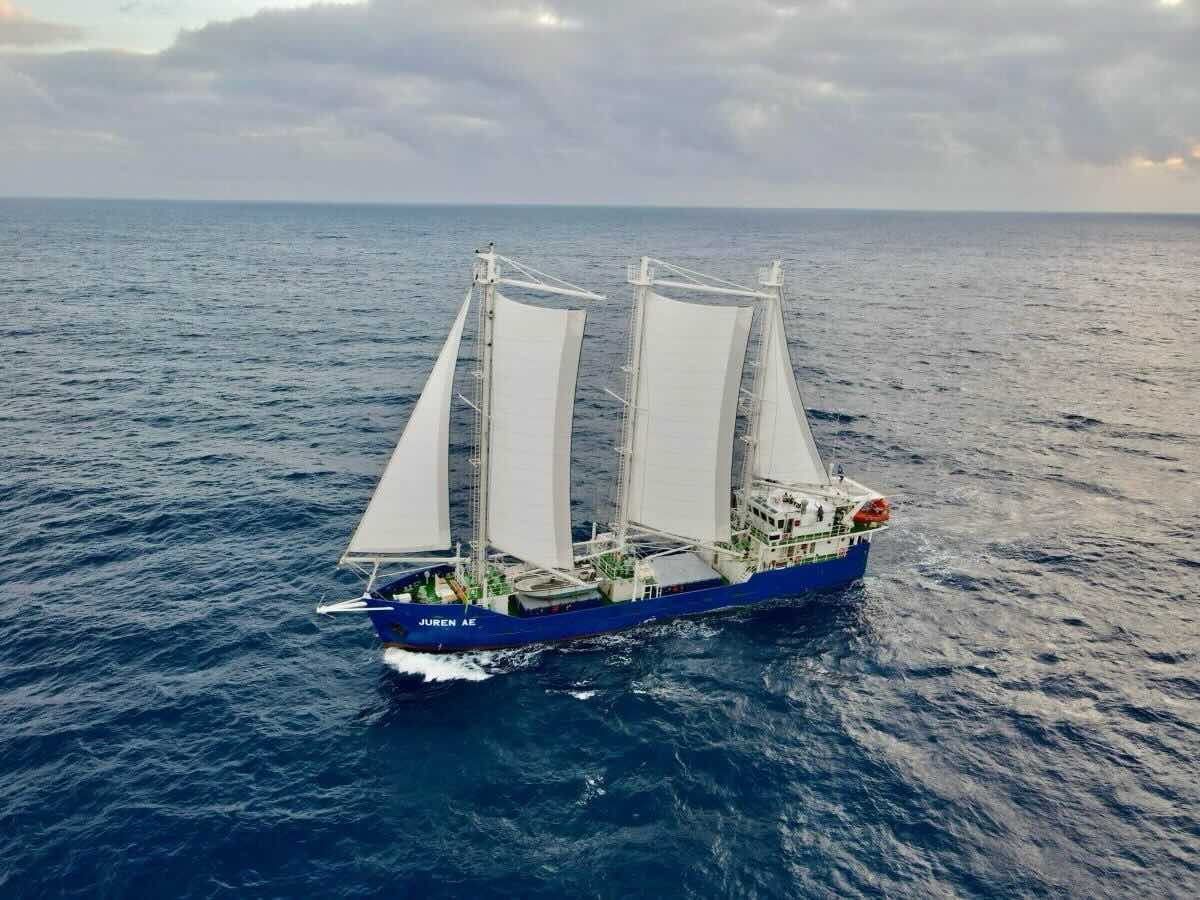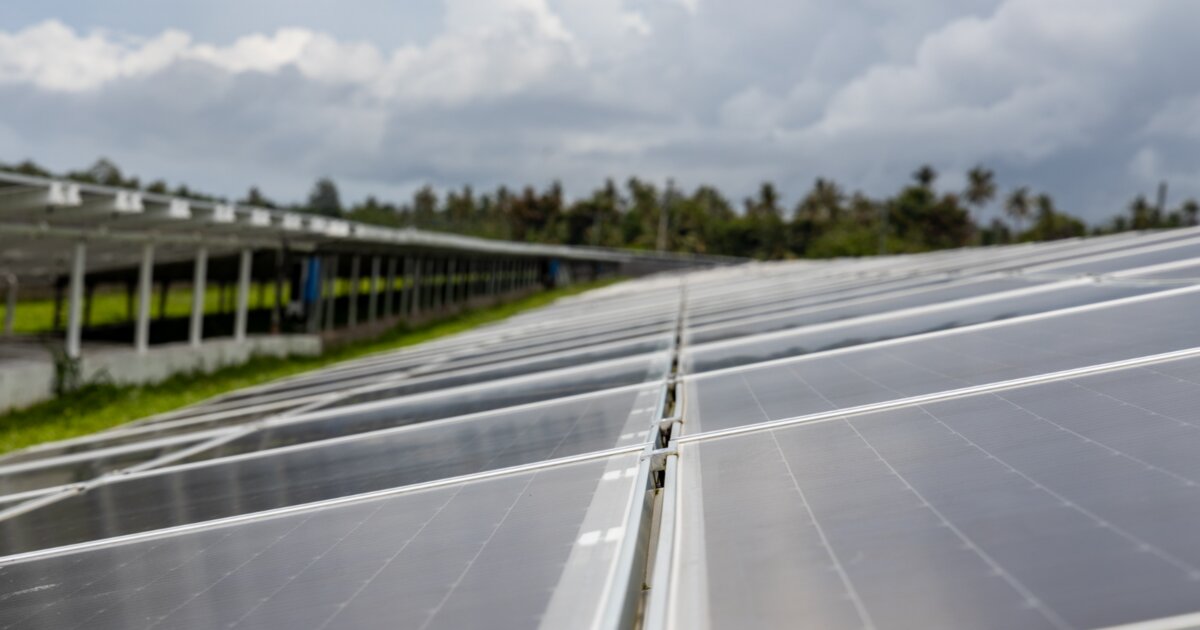
Papua New Guinea’s Prime Minister James Marape announced in May 2026 that his government was exploring electric maritime transport as part of a shift away from fossil fuels and towards the country’s abundant hydro, geothermal, solar, wind and ocean energy resources. Across the Asia Pacific, economies are asking what a cleaner maritime future could look like and how it might boost energy independence. The answer depends on what kind of shipping each economy does and has agency over. For Papua New Guinea and much of the Pacific, electrification of the domestic fleet is a good place to start.
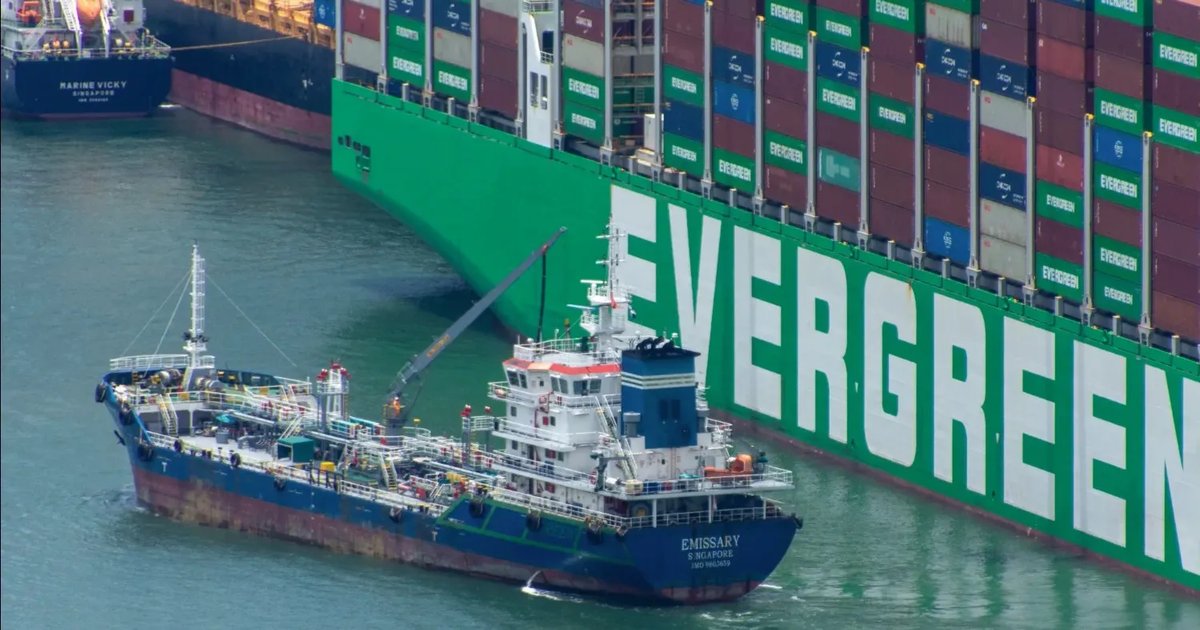
The International Maritime Organization’s landmark Net-Zero Framework — not formally adopted, following obstruction at recent meetings from the United States and others — applies only to internationally registered vessels above 5,000 gross tonnes engaged in international trade. If adopted, it could enter legal force in 2029, with the EU’s maritime emissions standards adding parallel pressure. Domestic shipping sits largely outside this regulatory perimeter and is where Pacific island countries have the most direct influence as owners and operators.
For short-distance domestic fleets, electrification is the natural long-term decarbonisation pathway. This technology is already in use — battery-electric ferries are operating commercially at increasing scale. China alone has deployed hundreds of battery-powered vessels on inland and coastal routes.