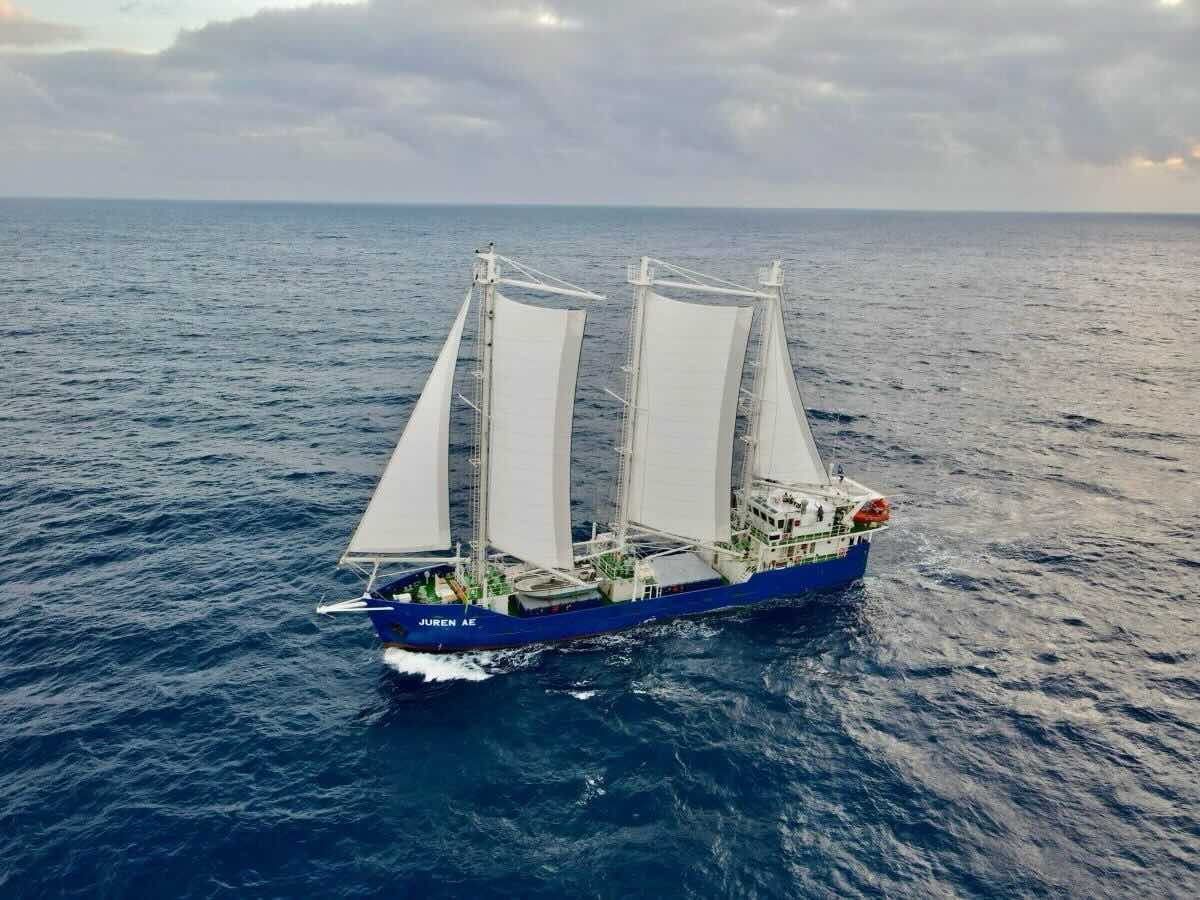
Somewhere between the atolls of the Marshall Islands there is a cargo ship called the SV Juren Ae, moving freight on less than half the fuel of the vessel she replaced.
She has sails. She exists because the Republic of the Marshall Islands, in partnership with Germany, worked out that the most dangerous thing about their supply lines was not the weather. It was the diesel.
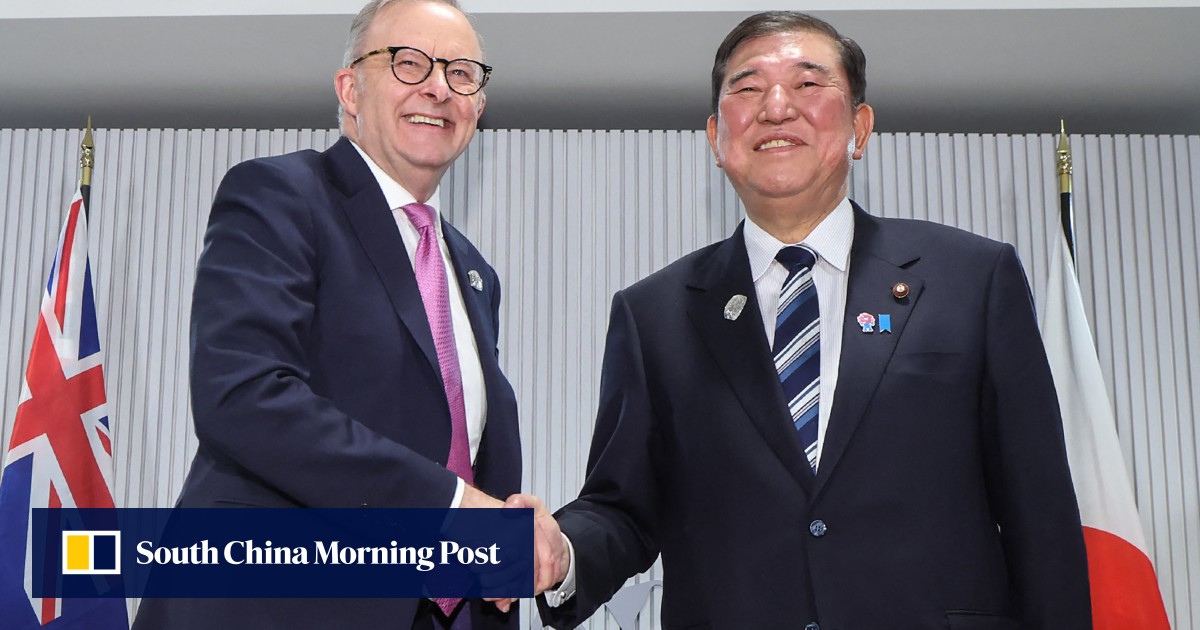
In July, at State House in Suva, Anthony Albanese and Sitiveni Rabuka signed the Ocean of Peace Alliance, Fiji’s first mutual defence treaty, and Australia’s fourth. Alongside it came the Vuvale Union, and more than a billion Australian dollars of promised investment over a decade. It was the most consequential thing an Australian Prime Minister has done in the Pacific in a generation.
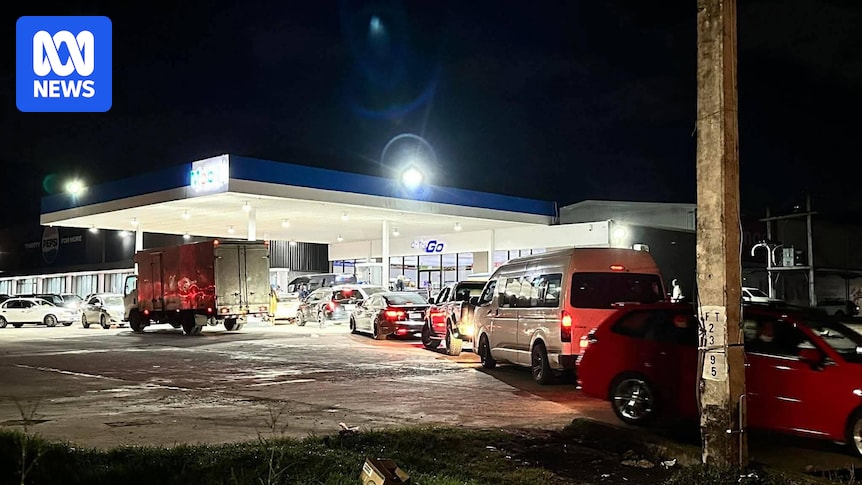
But Australia’s expanding Pacific security architecture has a diesel problem.
The domestic shipping fleets that hold island states together run almost entirely on imported fuel. In the Pacific, the ocean is the highway. When a cyclone season turns bad, or a war spikes the price of oil, it is the ships carrying the food, the fuel and the people that stop.