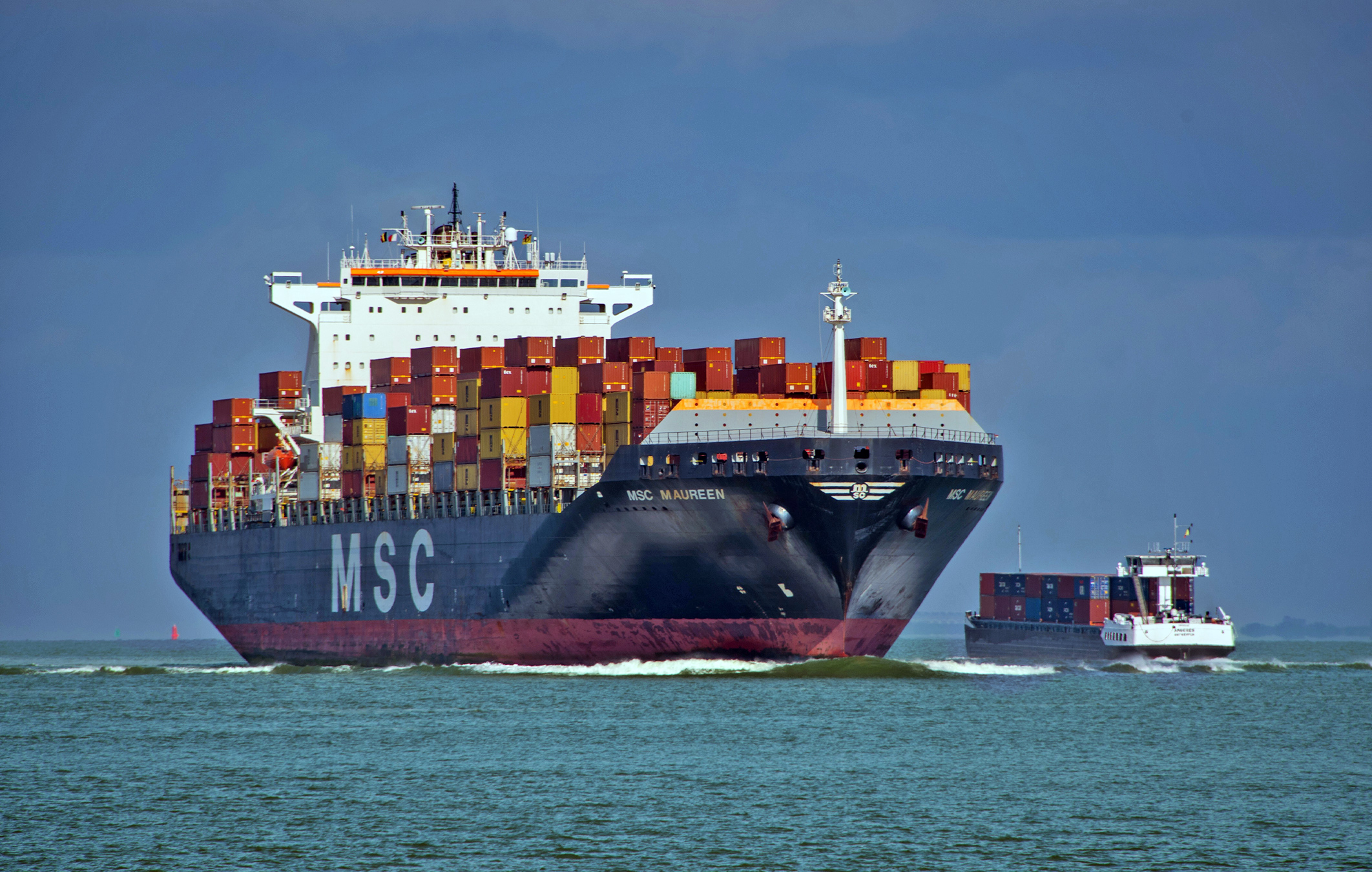
Using crops as fuel to cut emissions from the shipping sector could cause more harm than good, the authors of a new op-ed argue.Next month, leaders will gather at the UN’s International Maritime Organization meeting to lay down the rules for decarbonizing shipping, and African governments must ensure that crop-based biofuels are not a part of the solution, they say.“African states should demand that food-based biofuels are excluded from shipping’s decarbonization targets, and insist on robust sustainability criteria to prevent the conversion of forests, peatlands, and other high-biodiversity or community-managed areas into fuel plantations,” the authors say.This article is a commentary. The views expressed are those of the authors, not necessarily of Mongabay.
Africa’s future prosperity depends on how fast we can reduce emissions, especially from large polluting sectors like shipping. But using crops as fuel to cut emissions risks causing more harm than good.
As countries gather at the UN’s International Maritime Organization (IMO) meeting in April to lay down the rules for future clean energy to power shipping, African governments must ensure that crop-based biofuels are not part of the solution. If that does happen, Africa might once again find itself paying the price for a transition from which it may not benefit.