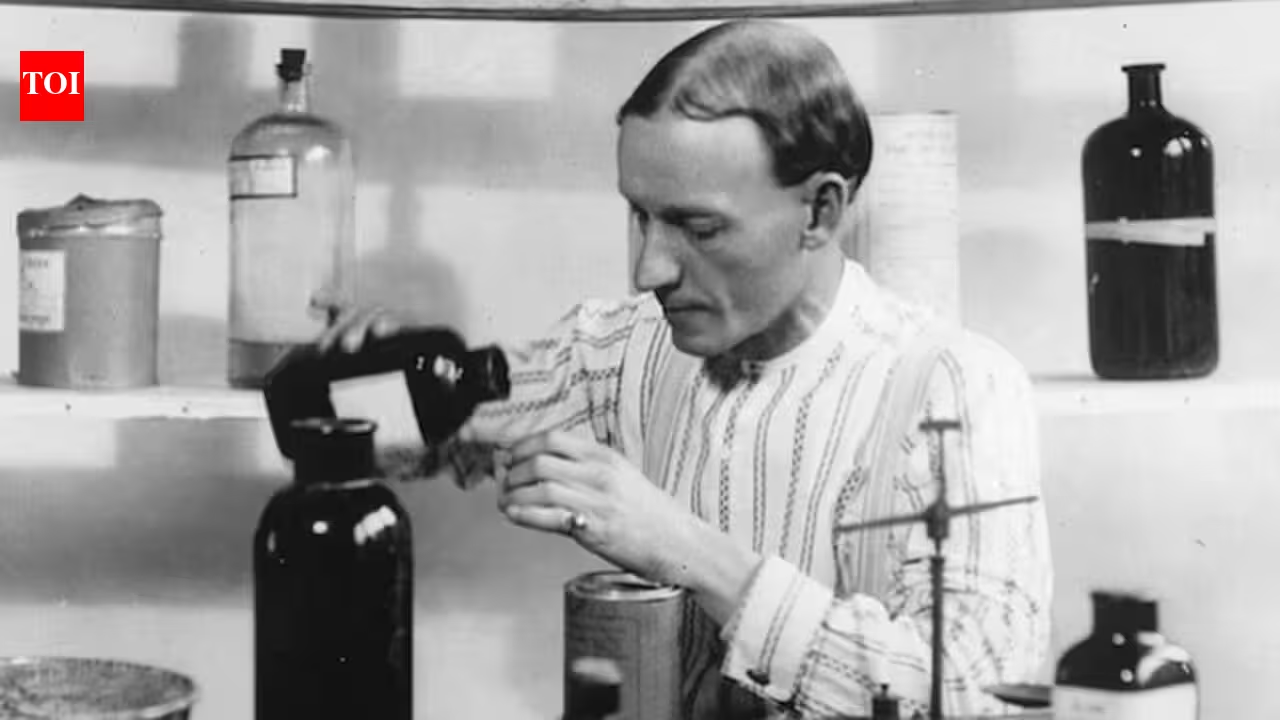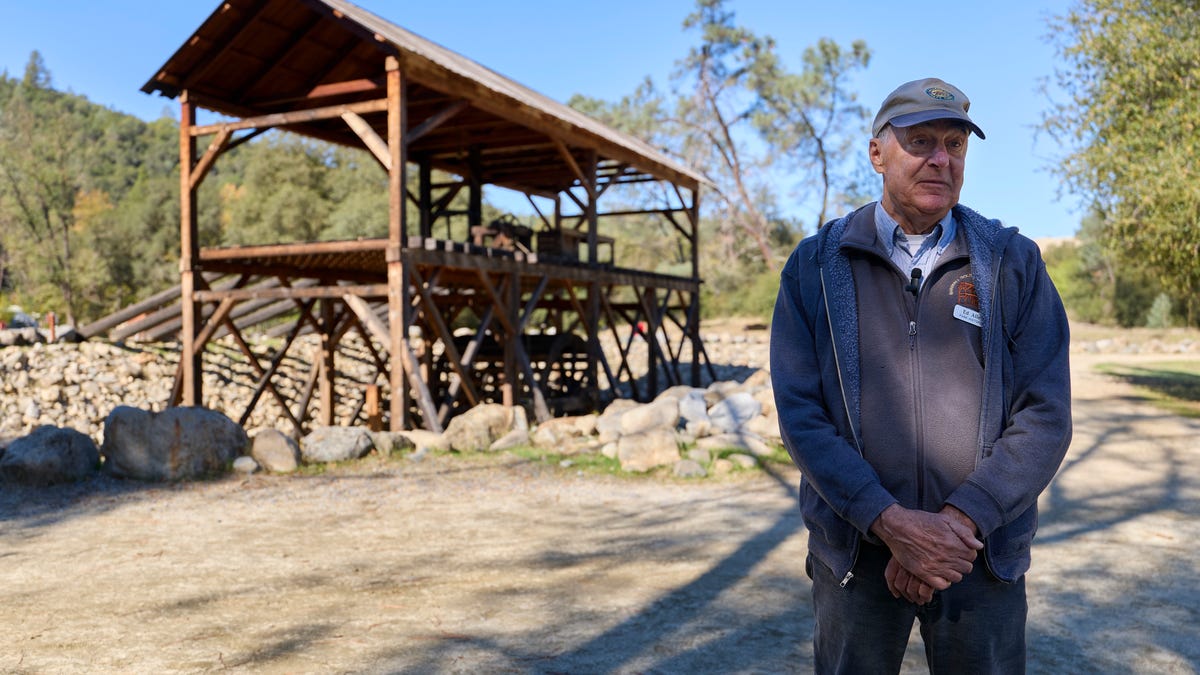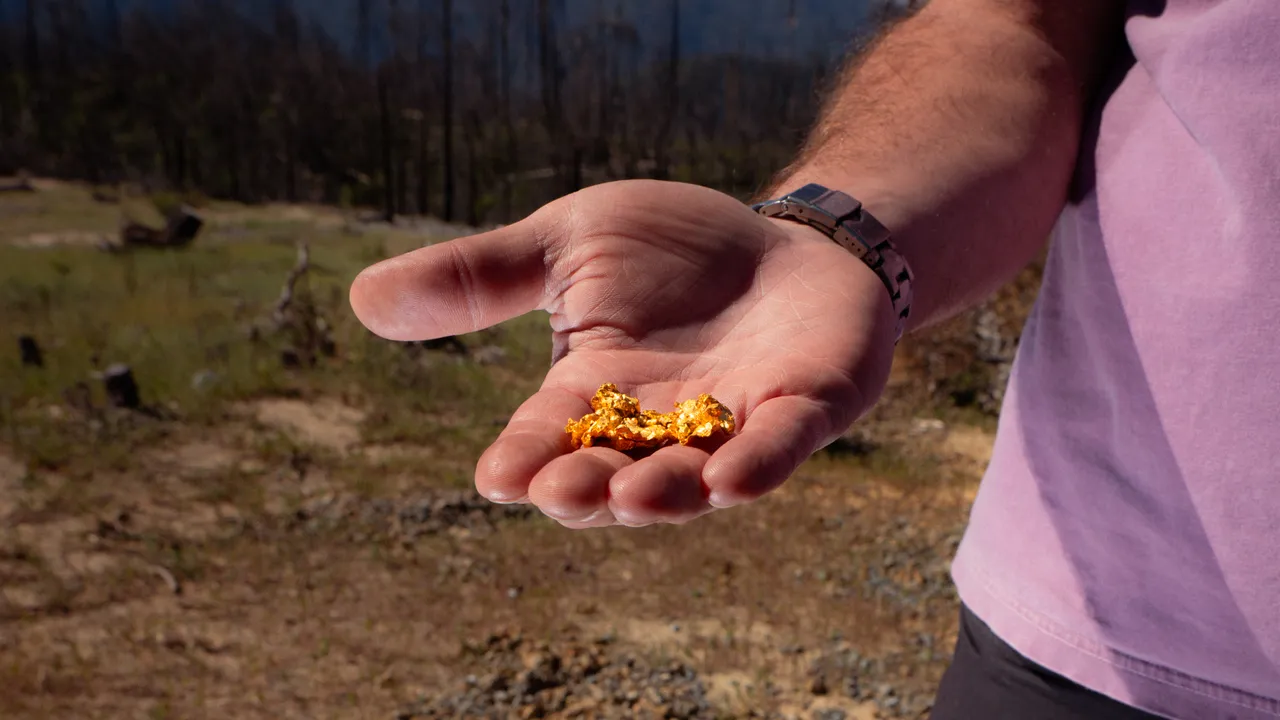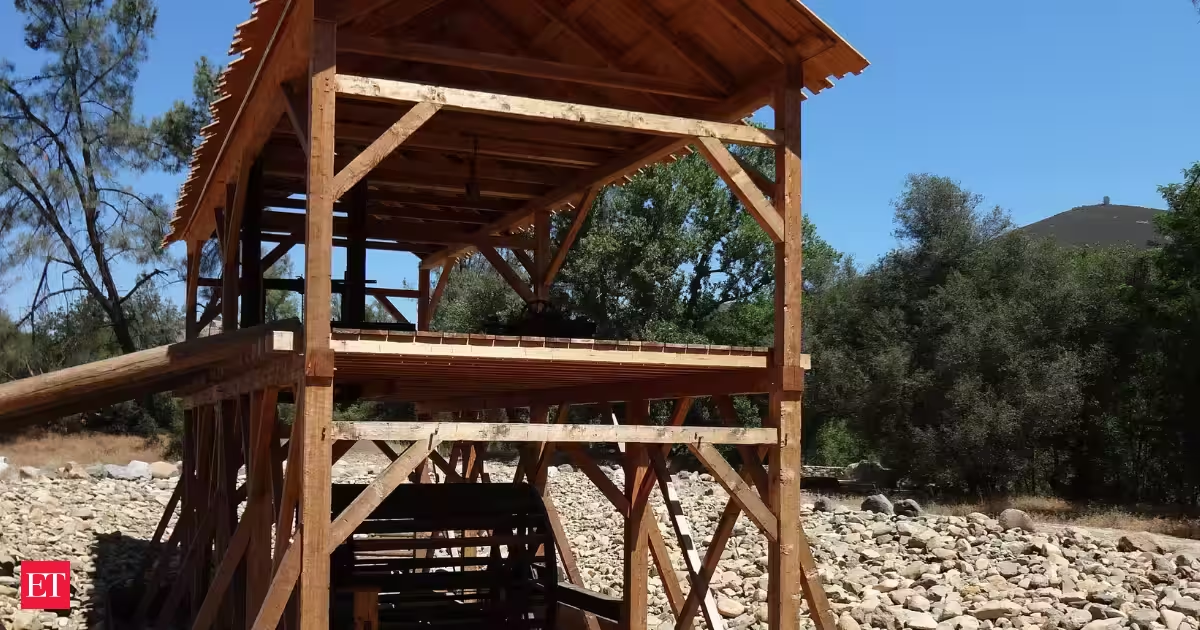
Most people know the California Gold Rush as a chapter in a textbook. Few probably realize that it began when James W. Marshall spotted gold flakes while building a sawmill one morning. According to California State Parks, the state agency that manages the site today, carpenter James W. Marshall discovered gold flakes in the tailrace of a mill he was constructing for John Sutter on January 24, 1848, along the South Fork of the American River. That moment helped set off a major shift in the American West.For travelers who enjoy origin stories, this site offers a place to stand where the discovery happened.The discovery that triggered a stampedePeople left jobs, farms, and families behind to follow the news. According to the Library of Congress, an estimated 40,000 people arrived by sea and another 25,000 to 30,000 traveled overland in 1849 alone, giving rise to the nickname 'forty-niners.' Some traveled overland by wagon. Others sailed around Cape Horn or crossed the Isthmus of Panama. There was no way to verify the rumor in advance. People went anyway.According to California State Parks, the discovery helped trigger a major migration in the Americas. Rapid population growth helped push Congress to admit California as a state in 1850, according to History.com, which cites congressional records.James W. Marshall, whose 1848 gold discovery sparked the California Gold Rush. Image Credit: Wikimedia CommonsColoma, then and nowThe town that sprang up around the discovery site was Coloma, California. During the Gold Rush, it briefly became a busy town with a schoolhouse, general store, and post office before mining declined and Coloma became quieter.Today, the site is preserved as Marshall Gold Discovery State Historic Park. About 70 percent of the historic town of Coloma sits within the park's boundaries, according to Visit California, the state's tourism marketing organization.The mill that visitors see today is not the original structure. A replica was built in the 1960s, and a more accurate version was installed closer to the original site in 2014. Park rangers lead daily walking tours, and visitors can pan for gold in the same stretch of river where Marshall made his discovery.A meteorite added a second layer of historyIn April 2012, a fireball crossed the sky over California and Nevada and broke apart, scattering fragments near the historic mill site. According to a peer-reviewed Science study by Peter Jenniskens and colleagues, the recovered fragments were identified as a rare carbonaceous chondrite regolith breccia.South Fork American River, where Marshall actually found the gold. Image Credit: Wikimedia CommonsThe paper says Doppler weather radar, along with video and photographic tracking, helped the team reconstruct the fall and recover fragments within days before weathering could contaminate them. In the lab, the meteorite was found to contain calcium-aluminum-rich inclusions and chondrules embedded in a porous, lithologically diverse breccia, evidence that it was assembled from multiple primitive parent-body materials.Because the first fragments were recovered close to the historic mill site, the meteorite was named Sutter's Mill after it. A location already known for one kind of discovery ended up linked to another, unrelated one, roughly 164 years later.Why this still resonates todayThe Gold Rush remains a striking example of how quickly people will uproot their lives on the strength of a single unverified report. That mix of risk and ambition still resonates with people who relocate in search of new opportunities.For travelers exploring Northern California, the park is along Highway 49 between Placerville and Auburn, making it an easy stop near wine country or Lake Tahoe. It remains a historic site associated with a major moment in US history.
James Marshall's 1848 discovery set off California's greatest migration; Sutter's Mill is now a historic landmark with a visitor influx
Explore the historic significance of James W. Marshall's gold discovery in California in 1848, which ignited a massive migration and transformed the American West. Discover Sutter's Mill, a renowned landmark, and learn about its legacy and visitor attractions today.
595 words~3 min read