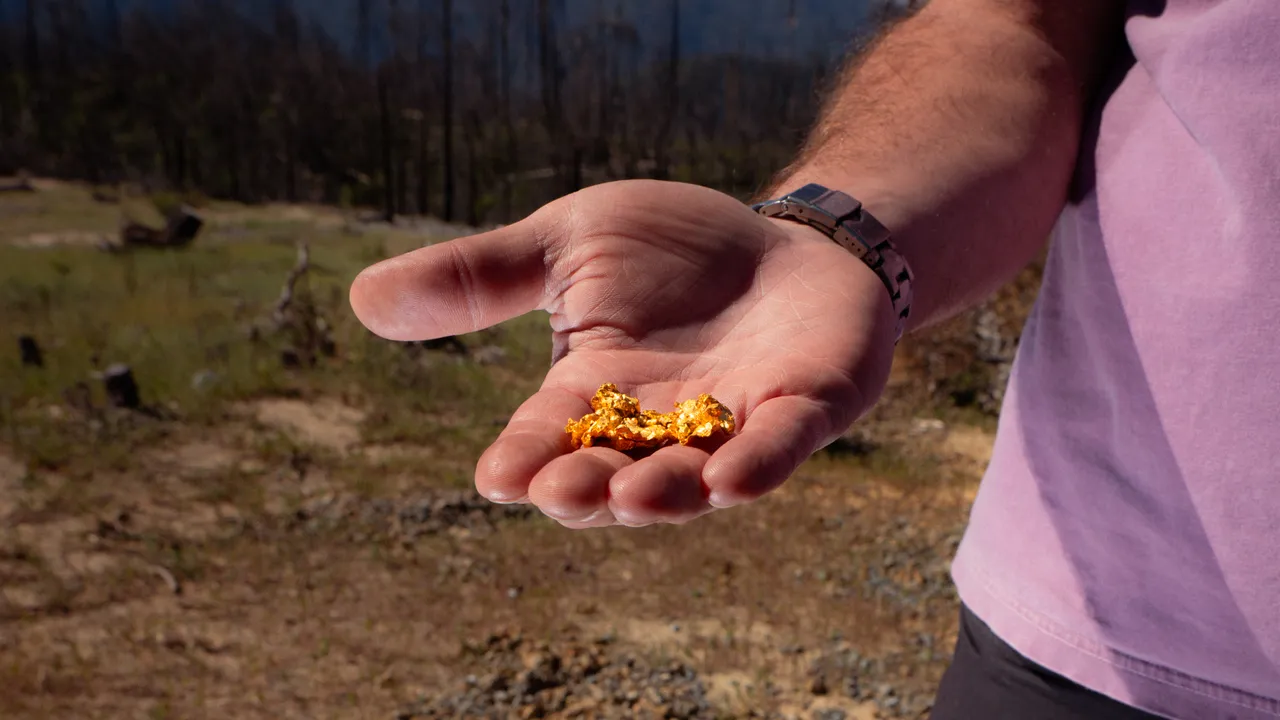
Somewhere in the Sierra Nevada foothills, in an undisclosed location, there is a gold mine, owned by a jeweler. Todd Bracken, the master jeweler at Bracken Jewelers in Santa Monica, California, first fell in love with gold panning in the early 1980s. At the time, double-digit inflation and interest rates approaching 20% led gold prices to skyrocket as investors fled to one of the oldest “safe-haven” assets. “All jewelers' attention was on gold skyrocketing,” said Bracken. He’d first learned the jewelry trade from his father, who owned a jewelry store in Decatur, Illinois. “I became tactilely attached to gold,” he said. When Bracken moved to California to work for the Gemological Institute of America, he said he bought a gold pan on his first weekend free. “[I] took myself up to Piru Creek, and found my first flakes of gold,” he said. Much later, Bracken and a business partner began operating a historic gold mine, with roots going back to the 1850s. Bracken has a line of jewelry made from this California gold, but getting it out of the ground is expensive. “It's not just lying around on the surface that anybody can walk around and pick up,” he said. Bracken. “You have to go through a huge amount of labor; you almost call it dirt farming.”Even owning a gold mine can’t shield Bracken from the macroeconomic pressures increasing the cost of extracting and acquiring raw material for his jewelry business. Much like they did during the “great inflation” of the 1970s and 1980s, investors are buying gold. In 2025, the share of gold held by central banks as foreign reserves overtook U.S. treasuries, according to the European Central Bank. Earlier this year, gold prices peaked above $5,200 an oz. That has drawn a whole new generation of gold-panning hobbyists into the mix. “Marketplace” host Kai Ryssdal spoke with Todd Bracken and his daughter Rebecca about how their old-school family business is navigating the modern era. Click the audio player above to hear their conversation.
This California jeweler mines his own gold
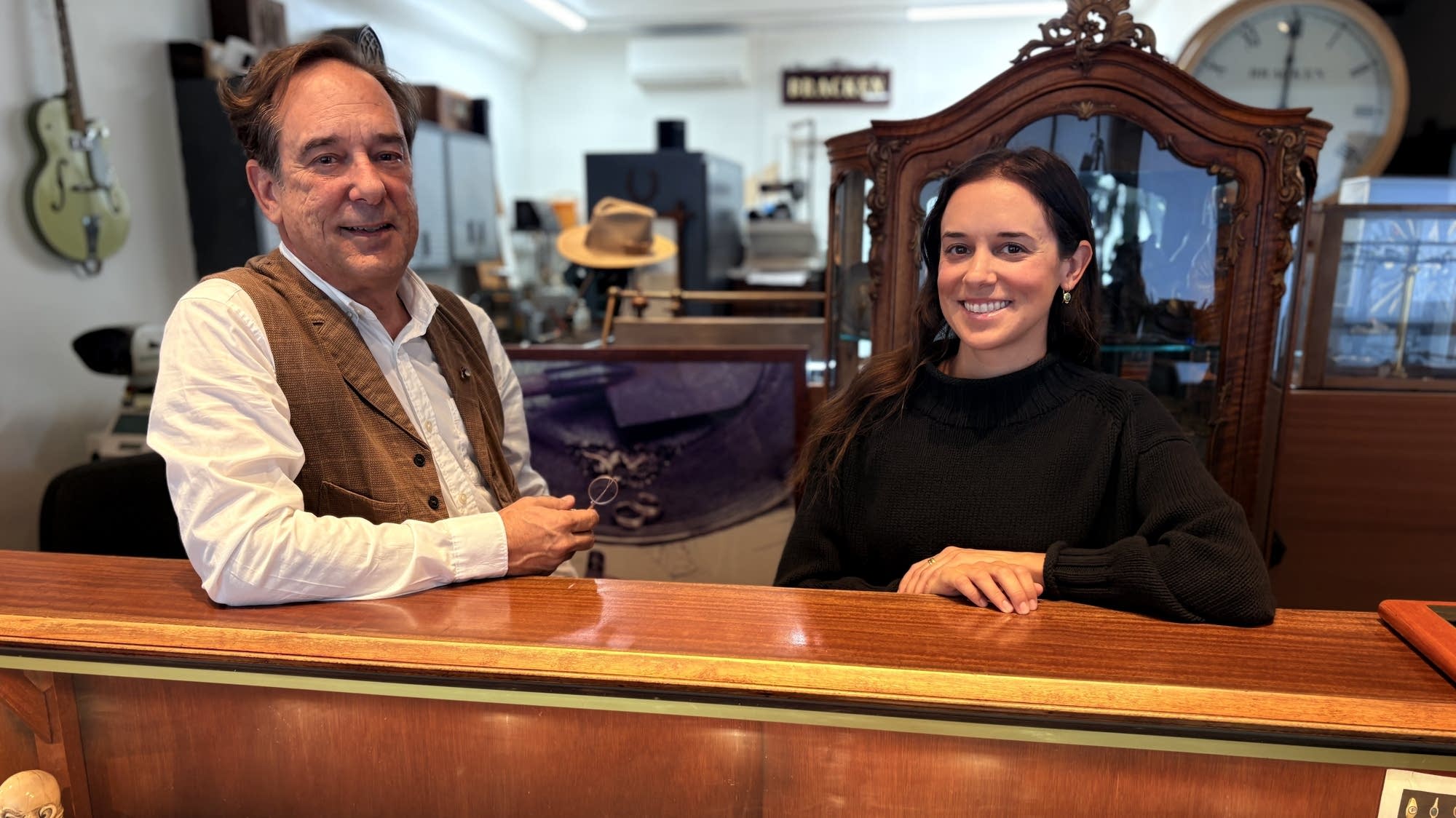
Master jeweler Todd Bracken owns a small-scale gold mine in the Sierra Nevada foothills.
335 words~2 min read